
How to Spot and Stop Online Romance Scams
Learn how romance scams work, the lies scammers tell, and practical steps to protect your heart, your money, and your privacy.
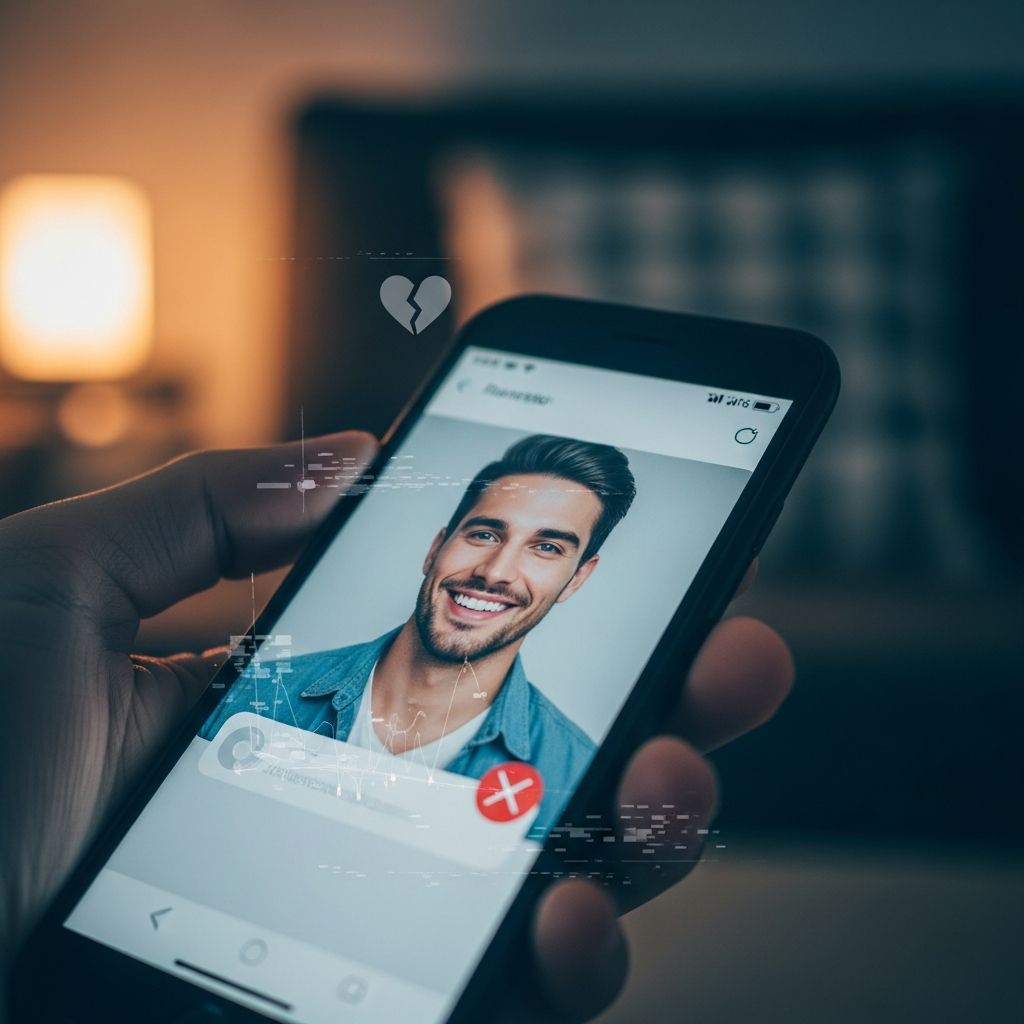
Online dating and social media have made it easier than ever to meet new people, build relationships, and stay connected across long distances. But these same tools also give scammers a powerful way to fake affection, gain trust, and steal money or sensitive information. This guide explains how romance scams work, the tactics scammers use, and the practical steps you can take to protect yourself and the people you care about.
Why Romance Scams Are So Costly
Report data from the U.S. Federal Trade Commission (FTC) shows that romance scams lead to some of the highest financial losses of all impersonation scams in the United States. In recent years, tens of thousands of people report romance scams each year, with total losses over $1 billion annually. Median individual losses are often in the thousands of dollars.
These scams are uniquely damaging because they target both emotions and finances. Scammers don’t just ask for money; they manufacture a relationship so the victim feels emotionally invested, loyal, and responsible for helping.
How Romance Scams Typically Begin
Romance scams can start in many places, but certain contact methods come up again and again in official reports.
- Dating apps and websites – Scammers create polished, attractive profiles that look legitimate and often claim established careers or military service.
- Social media platforms – A stranger sends a private message or friend request, often after liking photos or posts.
- Messaging apps – After a brief exchange on a dating site or social network, scammers push to continue the conversation on apps like WhatsApp, Telegram, or similar tools.
One consistent warning sign: the person avoids meeting in real life. They may agree in theory, but cancel repeatedly, citing emergencies, travel, military deployment, or work assignments abroad.
Common Personas and Backstories Scammers Use
Scammers create detailed characters designed to appear trustworthy, successful, or sympathetic. According to FTC and other government alerts, many scams share similar themes and backstories.
| Typical Persona | Why It Works | Common Claims |
|---|---|---|
| Deployed soldier or military professional | People tend to trust the military and feel patriotic or protective. | Claims deployment prevents visits; says military rules limit banking; asks for help with fees or packages. |
| Wealthy investor or businessperson | Appeals to hopes of financial security and partnership. | Offers investment “tips” or invites you into a special crypto or trading opportunity. |
| Professional working overseas (engineer, doctor, oil worker) | Distance explains why you never meet and why they supposedly need help moving money. | Claims they are stuck abroad, facing customs problems, medical bills, or travel emergencies. |
| Widowed or recently divorced parent | Plays on empathy and desire to support someone who has suffered loss. | Talks about raising children alone, needing help with sudden crises or medical issues. |
The Favorite Lies Romance Scammers Tell
FTC data highlights several recurring lies that romance scammers rely on in order to turn emotional connections into cash.
- Medical or legal emergencies – They say they or a family member is sick, injured, or jailed and urgently needs money for treatment, surgery, bail, or legal fees.
- Blocked funds or frozen accounts – They claim their bank account is frozen, they are waiting on a payout, or they are dealing with foreign banking rules and just need a short-term “loan.”
- Package and delivery fees – They promise to send valuable items (cash, jewelry, or other gifts) but say you must pay customs duties, shipping, or “release” fees.
- Exclusive investment opportunities – They urge you to buy cryptocurrency or participate in a guaranteed-return investment, guiding you to websites or apps they control.
- Travel plans that always fall through – They repeatedly promise to visit you, then suddenly need money for visas, tickets, or border fees.
In every case, the story is crafted to sound urgent, plausible, and emotionally charged. You are encouraged to act quickly and not to discuss it with others.
How Scammers Ask You to Pay
Scammers prefer payment methods that are fast, hard to trace, and nearly impossible to reverse. FTC reports show that people lose the most to romance scams through cryptocurrency and bank transfers, while gift cards are among the most frequently reported payment methods.
- Cryptocurrency – They may walk you through opening an account on a crypto platform and sending funds to a wallet they control.
- Wire transfers or bank payments – They ask you to wire money domestically or overseas, sometimes to accounts in someone else’s name.
- Gift cards – They tell you to buy cards from major retailers, scratch off the back, and send the numbers and PINs.
- Payment apps and money services – They encourage instant transfers through apps or online services with limited protections for fraud victims.
A simple rule that consumer protection agencies repeat: nobody legitimate will ask you to pay with gift cards, cryptocurrency, or wire transfers for personal emergencies, investments, or fees.
Emotional Manipulation and Grooming Tactics
Beyond money and payment methods, romance scammers use a predictable emotional playbook. Official resources describe how they gradually groom victims over days, weeks, or months.
- Fast declarations of love – They profess strong feelings unusually quickly, sometimes within days.
- Constant contact – They message morning and night, creating an intense bond and dependence.
- Isolation from others – They discourage you from discussing the relationship with friends or family, or claim others are “jealous.”
- Testing boundaries – They ask for small favors first (photos, small sums of money) and gradually increase the requests.
- Guilt and pressure – If you hesitate, they accuse you of not caring or threaten to walk away.
This emotional grooming is what makes intelligent, cautious people vulnerable. The relationship feels real, even when every detail is a calculated performance.
Sextortion: When Scammers Weaponize Intimacy
One particularly harmful form of romance fraud is sextortion—when someone obtains sexual or intimate images or videos and then threatens to share them unless you pay or provide more material. Federal agencies report rapid growth in sextortion, with large increases in reports in recent years.
In romance contexts, sextortion often follows this pattern:
- The scammer encourages flirty or intimate conversations.
- They request explicit images or videos, often while pretending to share their own.
- Once they have compromising material, their tone changes from affectionate to aggressive.
- They threaten to send the images to your friends, family, employer, or school unless you pay money or provide more content.
Young adults and teens are frequent targets. Law enforcement agencies emphasize that paying does not solve the problem; scammers usually continue to extort victims even after they pay.
Practical Steps to Protect Yourself
You cannot control who contacts you online, but you can reduce your risk by following some straightforward safety practices.
1. Verify before you trust
- Slow down when someone new professes love or friendship quickly, especially if you have never met in person.
- Use reverse image search tools on profile photos to see if they appear under different names or on scam warning websites.
- Check the story – Do work details, travel claims, and basic facts make sense? Inconsistencies are a red flag.
2. Protect your money and financial information
- Never send money, cryptocurrency, or gift cards to someone you have not met face-to-face.
- Do not share bank account numbers, credit card details, or online banking login with anyone you know only online.
- If someone insists you are the only person who can help, treat this as a warning sign, not a compliment.
3. Guard your privacy and images
- Avoid sending nude or explicit photos or videos, especially to people you have never met in person.
- Be cautious about sharing personal details like home address, workplace, schedules, or information about your children.
- Use platform privacy settings to restrict who can view your posts and personal information.
4. Talk to people you trust
- Discuss new online relationships with friends or family before sending money or sensitive information.
- Listen carefully if multiple people express concern about your new partner’s behavior or requests.
- If you feel uneasy but are unsure why, use that discomfort as a prompt to pause and get a second opinion.
What to Do If You Suspect a Romance Scam
If you think you might be dealing with a romance scammer, taking early action can reduce further loss and help authorities track patterns.
- Stop all contact – Do not argue or explain. Block phone numbers, email addresses, and profiles.
- Gather records – Save messages, screenshots, transaction receipts, and usernames. These can help investigators.
- Contact your bank or payment provider immediately if you sent money; ask if transfers can be reversed or flagged.
- Report the profile to the dating app or social media platform so they can take it down.
- Report the scam to the FTC using its online fraud reporting tool and, in sextortion cases, to appropriate law enforcement such as the FBI.
Reporting may feel embarrassing, but enforcement agencies stress that victims are not to blame. Your report can prevent others from being targeted the same way.
Helping a Friend or Family Member Who May Be Targeted
Romance scam victims often resist warnings because the relationship feels sincere. If you are worried about someone close to you, approach the topic carefully and respectfully.
- Ask questions instead of making accusations. Encourage them to explain how they met, how often they talk, and whether they have video-chatted or met in person.
- Share facts from trusted sources about common lies, payment methods, and losses connected to romance scams, rather than attacking the person they are talking to.
- Offer practical help such as checking photos with a reverse image search or reviewing messages together.
- Stay supportive, even if they are defensive. It may take time for them to step back and see the warning signs.
Frequently Asked Questions (FAQs)
Q: Is every long-distance online relationship a scam?
No. Many legitimate relationships start online and across long distances. But if the person refuses video calls, always has an excuse not to meet, and quickly asks for money or personal financial help, treat it as a serious red flag.
Q: What is the safest way to send money to someone I met online?
Consumer protection agencies advise not sending money at all to someone you have never met in person. If a person you only know online is pressuring you to pay, step back and talk to someone you trust before doing anything.
Q: I already sent explicit photos. What should I do if they are threatening me?
Stop communicating with the scammer, do not pay, and keep copies of all messages and threats. Report the sextortion to law enforcement and the platform where you met. Paying typically does not stop the threats, and officials encourage victims to seek help rather than face it alone.
Q: Can I ever get my money back after a romance scam?
Recovery is difficult, especially with cryptocurrency, gift cards, and wire transfers. However, you should immediately contact your bank, card issuer, or payment service. In some cases, they may be able to stop or reverse pending transactions or guide you on next steps.
Q: How can I make my dating profiles safer?
Limit personal details that reveal your address, workplace, routine, or financial situation. Use the platform’s messaging system until you are confident the person is genuine, avoid sharing intimate photos, and be cautious of anyone who pushes to move conversations to private apps quickly.
References
- New FTC Data Reveals Top Lies Told by Romance Scammers — Federal Trade Commission. 2023-02-09. https://www.ftc.gov/news-events/news/press-releases/2023/02/new-ftc-data-reveals-top-lies-told-romance-scammers
- Fraud Alert: Romance Schemes — U.S. Environmental Protection Agency, Office of Inspector General. 2024-02-14. https://www.epa.gov/office-inspector-general/fraud-alert-romance-schemes
- “Love Stinks” – when a scammer is involved — Federal Trade Commission. 2024-02-13. https://www.ftc.gov/business-guidance/blog/2024/02/love-stinks-when-scammer-involved
- Romance scammers’ favorite lies exposed — Federal Trade Commission. 2023-02-09. https://www.ftc.gov/news-events/data-visualizations/data-spotlight/2023/02/romance-scammers-favorite-lies-exposed
- Military consumers and romance scams — Federal Trade Commission. 2023-07-05. https://consumer.ftc.gov/consumer-alerts/2023/07/military-consumers-romance-scams
- Romance Scams – Consumer Advice — Federal Trade Commission. 2022-03-10 (updated). https://consumer.ftc.gov/romance-scams
Similar Articles








Read full bio of medha deb


