
Loan Shark Warning Signs: 8 Red Flags To Spot Illegal Lenders
Learn how illegal lenders operate, the warning signs to watch for, and safer ways to handle short-term cash needs.
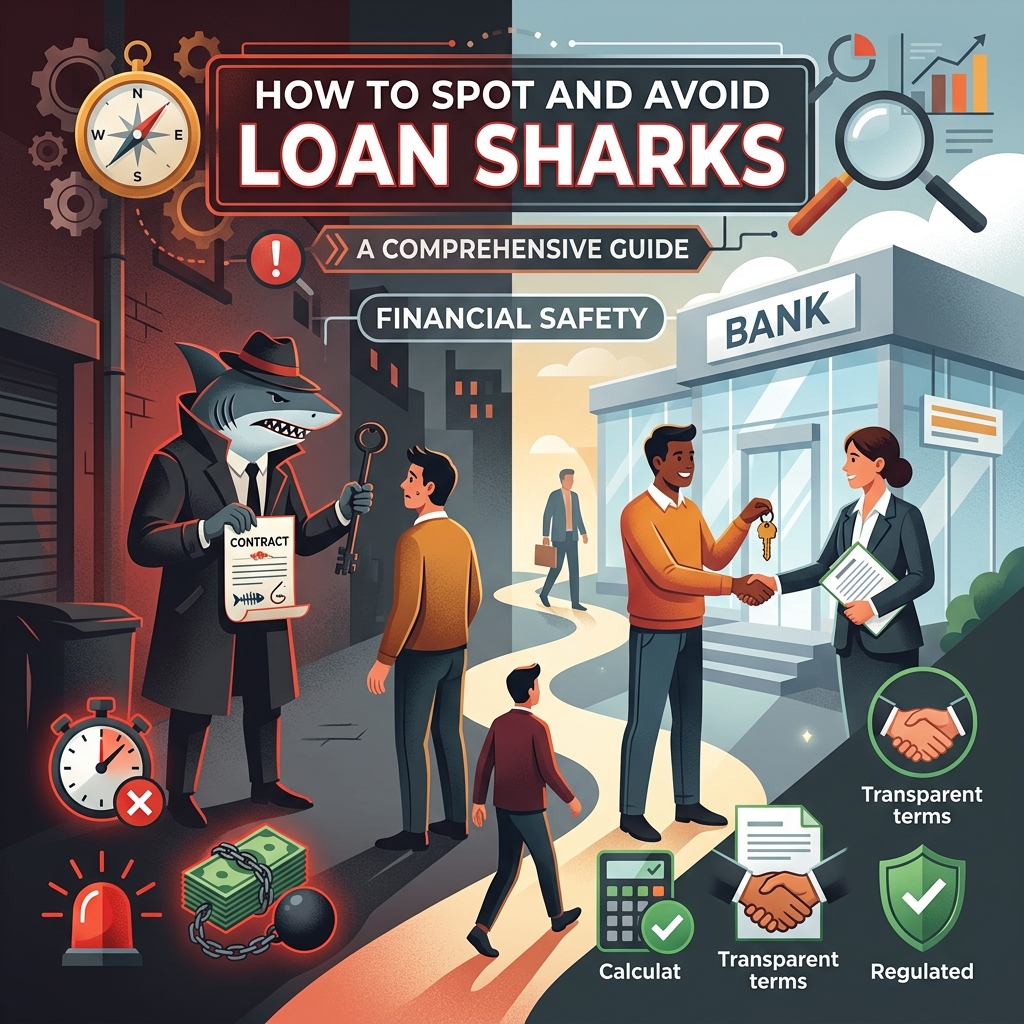
When money is tight, fast cash can look like relief. That is exactly why illegal lenders, often called loan sharks, target people facing emergencies, debt pressure, or limited access to mainstream credit. These lenders may appear friendly at first, but they often rely on secrecy, intimidation, and escalating charges to trap borrowers in debt.
The safest approach is to recognize the warning signs early, understand how illegal lending differs from lawful credit, and know where to turn before a small short-term problem becomes a larger financial and personal crisis.
What makes a lender a loan shark?
A loan shark is an illegal lender. In simple terms, the person or business is operating outside the law by offering credit they are not authorized to provide, charging abusive or unlawful terms, or using unlawful collection methods.
Illegal lending is not the same as a normal high-cost loan. A lawful lender may charge interest and fees within rules set by regulators and consumer-law limits. A loan shark, by contrast, may ignore licensing rules, hide the true cost of borrowing, and demand payment through fear rather than contract enforcement.
One important distinction is that the wrongdoing belongs to the lender. Consumer guidance from the UK and legal consumer resources consistently emphasizes that borrowers are not the criminals; the illegal conduct is the lender’s.
Common warning signs of illegal lending
Loan sharks rarely advertise themselves that way. They often try to look convenient, trustworthy, or even generous. The signs below are among the most important indicators that a lender may be operating illegally.
- No paperwork or only vague promises instead of a clear written agreement.
- Refusal to state the interest rate upfront or pressure to accept terms quickly.
- Very high or confusing charges, including weekly or monthly interest that makes the debt grow quickly.
- Requests for advance fees before a loan is approved, especially when the loan is supposedly guaranteed.
- Demands for sensitive personal information before you have confirmed the lender is legitimate.
- Cash-only dealings with no written receipts for payments.
- Pressure, threats, or intimidation when you ask questions or fall behind.
- Refusal to explain how much remains owed or arbitrary changes to the balance.
How illegal lenders keep borrowers trapped
Loan sharks usually succeed by combining urgency with confusion. They may offer money quickly, ask for minimal checks, and then later add unexpected charges or penalties. As the balance grows, the borrower may feel unable to escape without paying more than was ever borrowed.
In many accounts of illegal lending, the debt is not simply a financial obligation; it becomes a tool of control. Threats may be directed at the borrower, a family member, or even a workplace. Some illegal lenders also use humiliation, repeated visits, or threats of violence to make repayment feel unavoidable.
That pressure can make a person believe they have no good options. In reality, the borrower’s first move should be to stop negotiating casually with the lender and seek help from trusted authorities or consumer advisers.
What to do before you borrow money
Prevention is much easier than escape. Before agreeing to any loan, it helps to slow down and verify the terms. Consumer guidance recommends several practical checks that can help keep you away from illegal lenders.
| Check | Why it matters |
|---|---|
| Ask for the full cost of the loan | You need to know the interest rate, fees, and repayment schedule before you agree. |
| Get everything in writing | Written terms make it harder for a lender to change the deal later. |
| Check authorization or licensing | Legitimate lenders should be able to show that they are allowed to lend. |
| Avoid pressure tactics | Urgency is often used to stop borrowers from thinking clearly. |
| Refuse advance fees | A loan that requires payment before funding is a major red flag. |
If a lender will not answer basic questions, that is reason enough to walk away. A legitimate credit offer should be understandable, documented, and free of intimidation.
Why cash-strapped borrowers are targeted
Illegal lenders focus on people who feel shut out of better choices. That can include borrowers with poor credit, unpredictable income, emergencies, or urgent family expenses. The lender’s advantage comes from the borrower’s sense of pressure, not from the fairness of the deal.
This is why loan sharks often approach people through personal networks, neighborhoods, or social circles rather than through open advertising. They may appear familiar or helpful, which can make the risk harder to spot at first.
The lesson is not that trust is always misplaced. The lesson is that trust should never replace verification when money is involved. Even if the person offering the loan is known to you, the absence of legal authorization or the presence of abusive collection tactics can still make the arrangement illegal.
Is a loan shark debt legally enforceable?
The answer depends on the law of the jurisdiction, but illegal lending often weakens or destroys the lender’s ability to collect the full amount through lawful channels. Public consumer guidance from San Diego and legal scholarship on combating loan sharks explain that excessive or unlawful charges may be invalid, and some illegal lending contracts can be unenforceable or subject to criminal penalties.
At the same time, borrowers should not assume they can safely ignore the situation without advice. Because the lender may still try to collect aggressively outside the courts, the practical risk can remain high even if the lender lacks a clean legal claim.
That is why expert guidance usually separates two questions: whether the debt is technically enforceable, and whether the lender may retaliate unlawfully. Those are different issues, and both matter to the borrower’s safety.
Safer alternatives to high-risk borrowing
If you need money quickly, the answer should be to look for lawful options before accepting an offer that feels too easy. Depending on your location and circumstances, safer alternatives may include a credit union loan, a bank overdraft with transparent terms, employer advances, public benefits, hardship funds, or short-term help from family or trusted friends.
Some people also find relief by contacting a debt adviser before taking on any new borrowing. A qualified adviser can help assess whether the problem is temporary cash flow or a deeper debt issue, and can often suggest options that are less expensive than emergency credit.
When a person is under pressure, the goal is not perfection. It is to choose the option that does the least harm and avoids handing control to an illegal lender.
How to respond if you already borrowed from a loan shark
If you believe you have already taken money from an illegal lender, do not panic. The most important step is to get support quickly and avoid making isolated decisions under pressure.
- Preserve evidence such as messages, receipts, bank transfers, and notes about conversations.
- Stop sharing personal data unless advised by a trusted authority or adviser.
- Do not agree to threats or side deals that are not documented and lawful.
- Contact the police or the proper reporting body if there are threats, harassment, or violence.
- Speak to a debt specialist so you can understand your rights and next steps.
Borrowers are often afraid they will be blamed. Consumer organizations repeatedly emphasize the opposite: the illegal lending is the lender’s crime, and victims should seek help rather than hide.
Practical ways to protect yourself from predatory offers
A good defense against illegal lending is a short checklist you can use before saying yes to any quick-cash offer. The following habits are simple, but they can make a major difference.
- Compare the offer with at least one mainstream lending or credit option.
- Never borrow from someone who refuses to identify themselves clearly.
- Reject any offer that requires secrecy or discourages you from seeking advice.
- Insist on a repayment schedule you can understand and review.
- Walk away from any lender who uses fear as a sales tactic.
These steps do not eliminate every risk, but they reduce the chance of entering a debt relationship that is unfair from the start.
Frequently asked questions
What is the simplest sign that a lender may be a loan shark?
The clearest warning is a lender who will not provide transparent written terms and instead pushes for fast agreement, cash payments, or secrecy.
Can a loan shark threaten me if I miss a payment?
No lender may lawfully use threats, violence, or harassment to collect a debt, and consumer guidance recommends contacting the police if that happens.
Do I still need to worry if the loan was made by someone I know?
Yes. A lender can still behave illegally even if they are a friend, acquaintance, or neighbor, and informal familiarity does not make unlawful collection methods acceptable.
Should I pay an illegal lender back right away?
That depends on your safety and the advice you receive. Consumer sources recommend getting specialist help before making major decisions, especially if there is intimidation involved.
How can I find out if a lender is legitimate?
Check whether the lender is authorized or licensed in your jurisdiction, ask for full written terms, and confirm that the loan does not rely on advance fees or pressure tactics.
The bottom line
Loan sharks exploit urgency, confusion, and fear. The strongest protection is to slow down, demand written terms, verify the lender’s status, and avoid any arrangement that feels secretive or threatening.
If you already have contact with an illegal lender, the safest next step is to document what happened and seek help from consumer, legal, or police authorities rather than trying to manage the problem alone.
References
- Consumer News: Loan Sharks — City Attorney’s Office, City of San Diego. 2011-10-01. https://www.sandiego.gov/sites/default/files/legacy/cityattorney/pdf/cepunewsoct11.pdf
- Dealing with loan sharks — nidirect. 2025-01-01. https://www.nidirect.gov.uk/articles/dealing-loan-sharks
- Illegal lending: Loan sharks — MoneyHelper. 2025-01-01. https://www.moneyhelper.org.uk/en/everyday-money/credit/how-to-spot-a-loan-shark
- Loan shark debt. What to do if you owe money to an illegal lender. — StepChange. 2025-01-01. https://www.stepchange.org/debt-info/owing-money-to-loan-sharks.aspx
- Legal Techniques for Combating Loan Sharks — Duke Law Journal / Duke University. 1970-01-01. https://scholarship.law.duke.edu/cgi/viewcontent.cgi?article=2060&context=lcp
- Loan sharks — Citizens Advice. 2025-01-01. https://www.citizensadvice.org.uk/debt-and-money/borrowing-money/types-of-borrowing/loans/loan-sharks/
Similar Articles








Read full bio of medha deb




