
Car Cloning: A Buyer’s Checklist To Spot And Avoid Scams Fast
Learn how vehicle cloning works, the warning signs to watch for, and the steps that help protect buyers and owners.
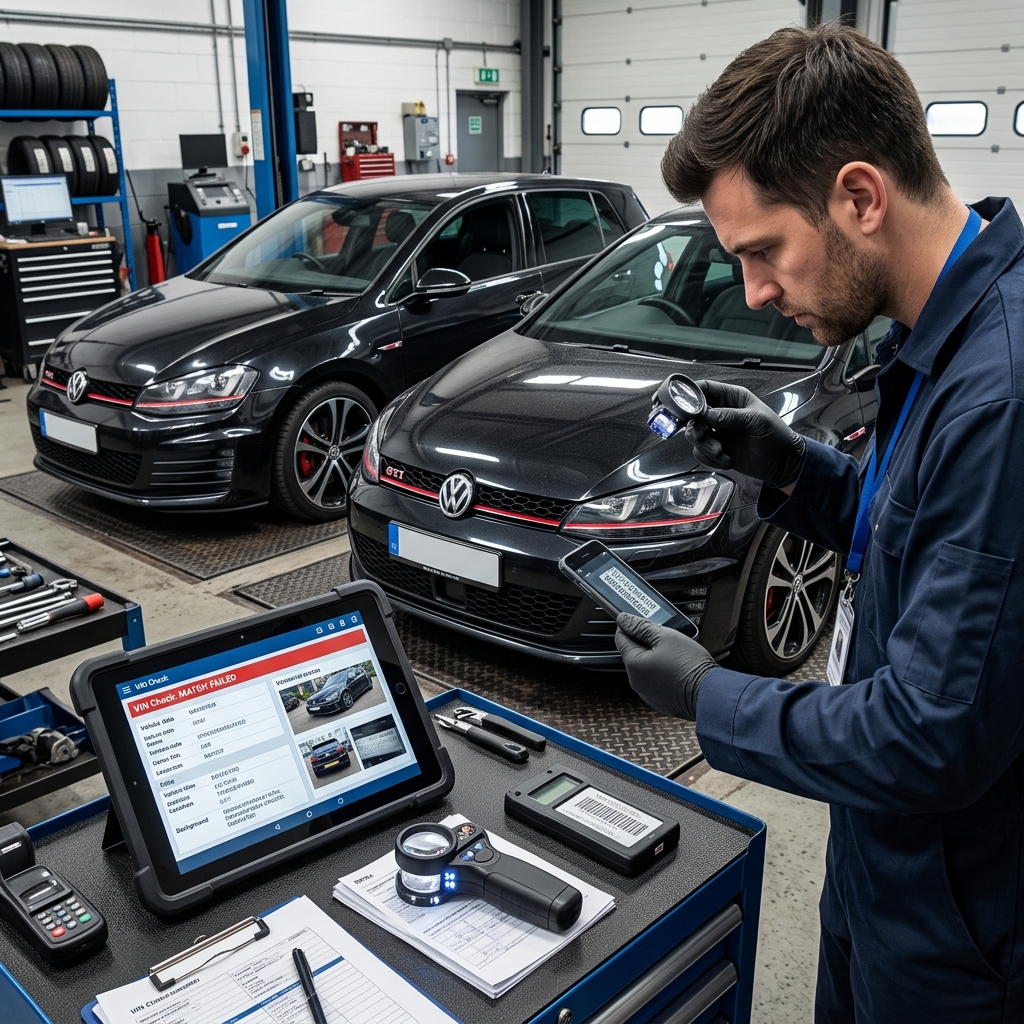
Vehicle cloning is a fraud scheme in which criminals copy the identity of one car and place it on another vehicle, usually one that is stolen, unroadworthy, or otherwise problematic. The goal is to make the second car look legitimate long enough to deceive buyers, enforcement systems, or both.
For buyers, cloning can mean paying for a car that cannot be legally owned or insured as expected. For innocent registered keepers, it can lead to tickets, investigations, or repeated confusion when another car is using their registration details. The safest approach is to treat identity checks as seriously as you would a mechanical inspection.
What car cloning actually means
Cloning is more than simple plate theft. Criminals may copy a real registration number, attach counterfeit plates to another vehicle, and use a forged or altered paper trail to make the car look genuine. Industry guidance warns that the copied details can include the registration number, Vehicle Identification Number, and supporting documents used to present the car as legitimate.
This type of fraud is especially effective when the cloned vehicle is the same make, model, and color as the legitimate one. That similarity makes the fake car harder to detect at a glance and helps the criminal hide the vehicle’s true identity.
Why the scam works so well
Cloned cars often exploit trust. Many buyers assume that a vehicle with plates, a logbook, and a plausible story must be authentic. In reality, plates can be copied, and documents can be forged or manipulated. The RAC notes that criminals may use stolen plates or duplicate plates made for another car, allowing them to disguise a different vehicle under a legitimate identity.
The scam also benefits from speed. Sellers may push for a quick viewing, a rushed decision, or a cash-only deal. Those tactics reduce the time available for checks and increase the chance that a buyer will rely on appearance instead of documentation.
Warning signs that deserve closer attention
No single clue proves a vehicle is cloned, but several red flags together should slow the process down. Consumer guidance from HPI and RAC highlights the following warning signs:
- The asking price is far below similar vehicles on the market.
- The seller avoids meeting at the address shown in the logbook.
- The vehicle documents look altered, incomplete, or unusually worn.
- The seller resists identity checks or becomes evasive when asked for proof.
- The VIN, registration details, or other identifiers do not match across sources.
- The seller insists on an unusually fast sale or prefers cash only.
Any one of these issues may have an innocent explanation. Taken together, they suggest that the buyer should stop and verify everything independently before continuing.
How to check a vehicle before you buy it
The best defense against cloning is a layered inspection. A buyer should compare the story told by the seller with the evidence on the car, in the paperwork, and in official records. HPI and RAC both recommend checking history data before purchase and confirming that the car’s identifiers line up with those records.
| Check | What to look for | Why it matters |
|---|---|---|
| Registration details | Match the plate number to the vehicle description and history record | Cloned cars often borrow a valid registration from another vehicle |
| VIN and chassis numbers | Confirm the numbers match each other and the paperwork | Mismatch or tampering may indicate a false identity |
| Logbook/V5C-style document | Look for signs of forgery, missing security features, or inconsistencies | Documents can be copied or falsified to support the scam |
| Seller location | Meet where the vehicle is normally kept, ideally at the registered address | Criminals often use neutral locations to avoid scrutiny |
| Price | Compare with similar cars in the market | An unrealistically low price is a common lure |
In the UK context discussed by the sources, a history check can verify whether the registration number, engine number, and VIN correspond with official records, which helps expose stolen, written-off, or financially encumbered vehicles. Even where the specific check tool differs by country, the principle remains the same: compare the car’s physical identity against authoritative records before money changes hands.
Physical clues on the car itself
Cloning is not only a paperwork problem. The vehicle can carry signs that the identity has been altered. According to vehicle-fraud guidance, buyers should inspect the VIN in more than one place and make sure the numbers are consistent across the car and its documents.
Useful inspection points include the following:
- The VIN stamped on the chassis or body.
- The VIN visible near the windscreen or dashboard area.
- The identification information on the door sill or manufacturer label.
- The registration plates, including whether they look professionally made and securely fixed.
Any sign of sanding, scraping, mismatched fonts, loose plates, or obvious tampering should be treated as a serious concern. A car that has been truly and properly represented should not require guesswork to confirm its identity.
How to behave during a private sale
The sale process itself can reveal a lot. The RAC advises buyers to ask for key vehicle details before meeting and to verify them through an official vehicle enquiry service, while also checking that the seller’s identity aligns with the location and car being sold.
Practical habits that reduce risk include the following:
- Ask for the registration number, make, and model before traveling.
- Research the car’s market value so you know whether the price is realistic.
- Request photo identification if the sale is private.
- Compare the address on the seller’s ID with the place where the car is being shown.
- Avoid meeting in car parks, lay-bys, or service stations when possible.
- Use a traceable payment method rather than handing over cash.
These checks are not about being suspicious for no reason. They are about creating a record that can be reviewed later and reducing the chance of being trapped in a transaction that cannot be unwound.
What to do if you discover a cloned car after buying it
If a buyer realizes a car may be cloned after the purchase, speed matters. The first step is to stop using the vehicle until the issue is clarified, because continuing to drive it may create more confusion if the registration is tied to enforcement action elsewhere. Guidance from RAC and related consumer advice suggests contacting the police, the agency that issued any fine or notice, and the licensing authority as soon as possible.
Affected owners should gather as much evidence as possible. Useful items may include the purchase advert, payment records, messages with the seller, photographs of the vehicle, and any CCTV or witness information that shows where the vehicle was at the relevant time. If a penalty notice or alleged offence arrives, ask for the photographic or video evidence so you can compare it against your own vehicle.
How innocent owners can protect themselves
People whose plates have been copied can also become victims. The cloned vehicle may receive parking tickets, congestion charges, or other notices that appear to belong to the legitimate keeper. In that situation, the victim should report the issue promptly and provide evidence that their car was elsewhere when the offence occurred.
Security habits can also reduce the chance of a plate being copied in the first place. Consumer guidance recommends practical deterrents such as parking in well-lit places, using home CCTV where available, choosing theft-resistant number plate screws, and avoiding clear, close-up photos of the plate when sharing images online. These measures will not eliminate risk, but they can make opportunistic copying more difficult.
Simple habits that lower your risk
Vehicle cloning is often prevented by routine caution rather than by specialized knowledge. The most useful habits are the ones that slow the buyer down long enough to compare claims with evidence.
- Never rely on a single document or one quick glance at the car.
- Check the car at more than one point in the sale process.
- Refuse to rush if the seller creates pressure.
- Use official history checks before committing.
- Walk away if any detail does not match.
That last point is especially important. A buyer does not need to prove that fraud exists before deciding not to proceed. If the deal is legitimate, the seller should be willing to allow reasonable verification.
Frequently asked questions
Is car cloning the same as stealing a vehicle?
No. The scam usually involves copying the identity of one legal vehicle and applying it to another vehicle, which may be stolen or otherwise problematic.
Can a history check completely guarantee safety?
No single check is perfect, but official history verification can expose major inconsistencies and is one of the most effective ways to reduce the risk of buying a cloned vehicle.
What if the seller refuses to meet at the address on the logbook?
That is a warning sign. Both HPI and RAC-style consumer guidance recommend viewing the vehicle at the location associated with the car and being cautious when the seller avoids that request.
Should I pay cash to get a better deal?
Cash can make it harder to trace the transaction. Consumer guidance recommends using a payment method that leaves a record, especially in private sales.
What should I do if I receive a fine for an offence I did not commit?
Contact the issuing organization, explain that the car may have been cloned, and report the matter to the police and licensing authority with any evidence you have.
References
- How to Protect Yourself from Vehicle Cloning Scams — HPI. n.d. https://www.hpi.co.uk/content/car-scams-and-motor-fraud/protect-yourself-from-vehicle-cloning-scams/
- Car Cloning Explained: How to Avoid Getting Scammed — FixMyCar. n.d. https://www.whocanfixmycar.com/advice/car-cloning-explained-how-to-avoid-getting-scammed
- What is car cloning? Buyers beware of this scam — RAC Drive. n.d. https://www.rac.co.uk/drive/advice/buying-and-selling-guides/what-is-car-cloning-a-scam-for-buyers-to-be-wary-of/
Similar Articles








Read full bio of medha deb




