Experiencing police brutality or serious misconduct is traumatic and frightening, but what you do in the minutes, hours, and days afterward can significantly impact your safety, health, and ability to hold officers accountable. Acting deliberately and documenting what happened gives you the best chance to protect your rights.
Understanding Police Brutality and Your Core Rights
Police brutality generally refers to excessive or unlawful use of force, harassment, or abusive treatment by law enforcement officers. International human rights standards require officers to use force only when strictly necessary and in a proportionate manner. In the United States, the Constitution and civil rights laws protect you from unreasonable searches, seizures, and excessive force.
| Right | What it Means in Practice |
|---|---|
| Right to remain silent | You generally do not have to answer questions beyond basic identification, and you can say you wish to remain silent. |
| Right to an attorney | You can ask for a lawyer and decline to be questioned until you have legal representation. |
| Protection from excessive force | Officers may only use force when necessary and must limit it to what is proportionate to the situation. |
| Right to seek medical care | If you are injured, you have the right to request medical attention and to access healthcare promptly. |
Knowing these rights beforehand can help you respond more calmly and strategically if you are confronted by aggressive or abusive officers.
Immediate Safety: What to Prioritize During the Incident
Your first goal during any encounter with police is to reduce the risk of harm to yourself and others. While you never lose your rights simply by being upset or vocal, staying as composed as possible can help de-escalate the situation.
Steps to Reduce Risk in the Moment
- Stay as calm as you can. Take slow breaths and avoid sudden movements that can be misinterpreted as resistance or aggression.
- Do not run or physically resist. Running, pushing, or grabbing can cause officers to escalate the level of force they use, even when that escalation is unjustified.
- Use clear, respectful language. You can calmly say things like, “I do not consent to this search,” or “I want a lawyer,” without shouting or insulting officers.
- Remember basic details as they occur. If you can, mentally note badge numbers, patrol car numbers, the names on uniforms, and the sequence of events.
- Ask for medical care if you are hurt. Even at the scene or in custody, you can request medical attention for visible or internal injuries.
These actions do not mean you agree with officers’ behavior; they are practical safety measures that help keep you alive, reduce further harm, and preserve your ability to pursue justice later.
Right After the Incident: Protect Your Health and Your Evidence
Once you are safe from immediate danger, your two priorities are medical care and documentation. Both are critical for your physical wellbeing and for any future complaint, investigation, or lawsuit.
Seek Prompt Medical Attention
Even if injuries seem minor, it is wise to be evaluated by a healthcare professional.
- Go to an emergency room, urgent care, or clinic. Internal injuries, concussions, and psychological trauma may not be obvious right away.
- Explain how the injuries occurred. Tell the medical staff that your injuries happened during an encounter with police, and make sure this is recorded in your medical chart.
- Request copies of your records. Discharge papers, diagnostic reports, and photographs taken by medical staff can support your account later.
Medical documentation is often viewed as neutral evidence, which can carry substantial weight in internal investigations or court.
Document Everything While It Is Still Fresh
Memories fade rapidly after trauma. Writing down details and collecting physical evidence as soon as possible creates a more reliable record.
- Write a detailed account. Note the date, time, location, weather, what led up to the encounter, exactly what officers did and said, and who else was present.
- Capture photos and videos. Take clear pictures of injuries, damaged property, torn clothing, and the area where the incident occurred.
- Preserve physical items. Keep clothing or personal items that show blood, bruising, or damage in a safe place.
- Collect contact information for witnesses. Ask witnesses for their names, phone numbers, and email addresses; if they are willing, request a brief written or recorded statement.
- Store everything in multiple places. Save copies of all files on more than one device or secure cloud account to avoid loss.
This documentation creates a timeline and body of evidence that can corroborate your story, especially if official records downplay or mischaracterize what occurred.
Interacting with Police Afterward: Silence and Legal Support
You may be contacted by officers or investigators after the incident, especially if you were arrested, cited, or if a complaint is opened. How you communicate at this stage can heavily influence the outcome.
Use Your Right to Remain Silent
In many situations, it is safer not to speak to police or internal investigators until you have legal advice.
- Politely state your choice. You can say, “I choose to remain silent and I want to speak to a lawyer,” and repeat this if questioning continues.
- Do not sign documents you do not understand. Forms, statements, or waivers may affect your case; ask to review them with an attorney.
- Avoid social media commentary. Public posts can be used against you and may complicate your lawyer’s strategy.
This does not obstruct justice; it is the lawful exercise of constitutional rights designed to prevent coerced or incomplete statements.
Contact a Civil Rights or Criminal Defense Lawyer
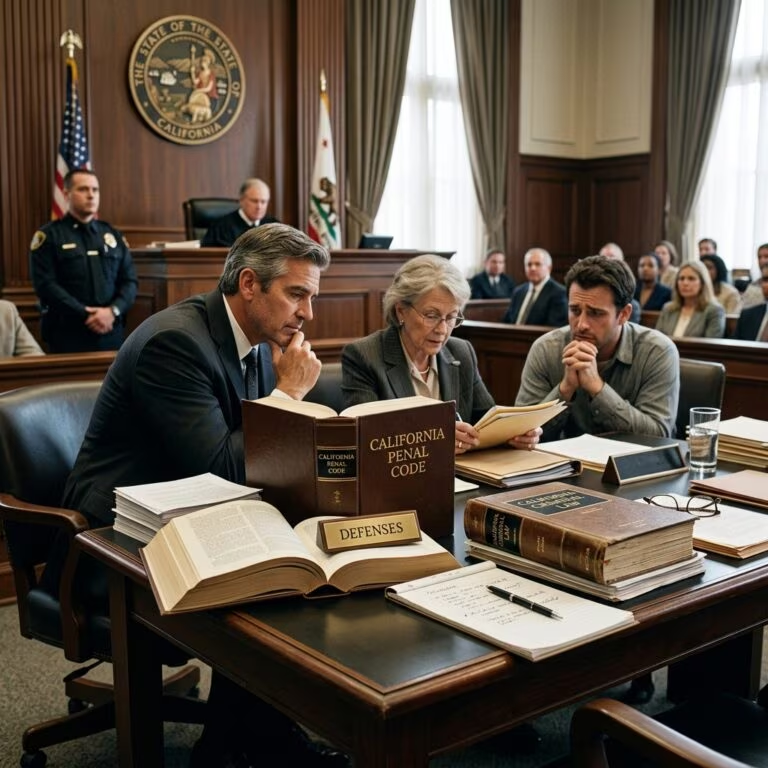
Legal representation is one of the most important steps you can take after police brutality.
- Look for attorneys experienced in civil rights or police misconduct. These lawyers are familiar with internal investigations, evidence standards, and litigation strategies.
- Consult quickly. Many legal claims have strict deadlines. Early advice helps you avoid missteps and preserve your rights.
- Ask about costs and support. If you cannot afford a lawyer, ask about public defenders, legal aid organizations, or nonprofit advocacy groups that may assist.
- Share all documentation. Provide photos, medical records, witness information, and your written incident account to your attorney.
An attorney can help you decide whether to file a complaint, pursue a civil lawsuit, or seek other remedies, and can represent you in any criminal case arising from the incident.
Reporting Police Brutality to Oversight Bodies
In addition to seeking legal help, many people choose to formally report police misconduct to oversight agencies. While filing a complaint does not guarantee discipline or reform, it can contribute to broader accountability and may support your legal case.
Common Channels for Complaints
- Internal affairs units. Most police departments have internal units that investigate allegations of misconduct.
- Civilian review boards or oversight commissions. Some cities and counties have independent bodies that review complaints about police behavior.
- Local prosecutors or state attorneys general. Serious cases may warrant reporting to prosecutorial or statewide oversight authorities.
- Human rights and civil rights organizations. National and local organizations can help you document abuse and may advocate on your behalf.
When filing a complaint, include clear, factual information, such as dates, times, officer names, locations, and a chronological description of what occurred. Attach copies of photos, medical records, and witness statements, but keep originals in a separate, secure place.
Long-Term Considerations: Recovery, Community Support, and Reform
Police brutality has lasting effects, including physical injury, psychological trauma, and distrust of institutions. Addressing these long-term consequences matters as much as immediate safety.
Taking Care of Your Mental Health
Exposure to violence from authorities can trigger anxiety, depression, or symptoms of post-traumatic stress. Speaking with mental health professionals, trusted community leaders, or support groups can help you process the experience.
- Seek trauma-informed counseling. Look for providers experienced in working with victims of violence or state abuse.
- Lean on supportive networks. Family, friends, faith communities, or mutual aid groups can offer emotional and practical help.
- Allow time for healing. Recovery is an ongoing process; there is no “correct” timeline for moving forward.
Engaging in Community and Policy Efforts
Police violence is a public health and civil rights issue that extends beyond individual incidents. Many communities are organizing to reduce harmful encounters and create alternative approaches to public safety.
- Support alternative response programs. Some cities are developing trained, unarmed responders for mental health crises and nonviolent incidents, reducing reliance on police.
- Participate in public meetings or advocacy campaigns. Sharing your experience (when you feel ready) can inform policy debates and oversight reforms.
- Collaborate with civil society organizations. Human rights and civil liberties groups can amplify individual stories and push for systemic changes in training, use-of-force policies, and accountability.
Your own case is important, but you are also part of a broader effort to ensure that future encounters between police and the public are safer, more respectful, and grounded in law and human rights.
Practical Checklist: What to Do If You Experience Police Brutality
The following checklist summarizes key steps discussed in this guide. You can adapt it to your circumstances.
- During the incident
- Stay as calm as possible.
- Avoid running, arguing aggressively, or physically resisting.
- Mentally note officers’ names, badge numbers, and vehicles.
- Ask for medical care if you are injured.
- Immediately afterward
- Seek medical evaluation and keep your records.
- Write a detailed account of what happened while it is fresh.
- Photograph injuries, damaged property, and the scene.
- Collect witness contact information and statements.
- Legal and reporting steps
- Exercise your right to remain silent and request a lawyer.
- Contact an experienced civil rights or criminal defense attorney.
- Consider filing complaints with internal affairs or oversight bodies.
- Consult your lawyer before talking to investigators or posting publicly.
- Long-term actions
- Seek mental health support or counseling.
- Stay connected to supportive community networks.
- Explore involvement in advocacy for police accountability and alternative public safety programs.
Frequently Asked Questions About Police Brutality
Is it safe to record the police while they are using force?
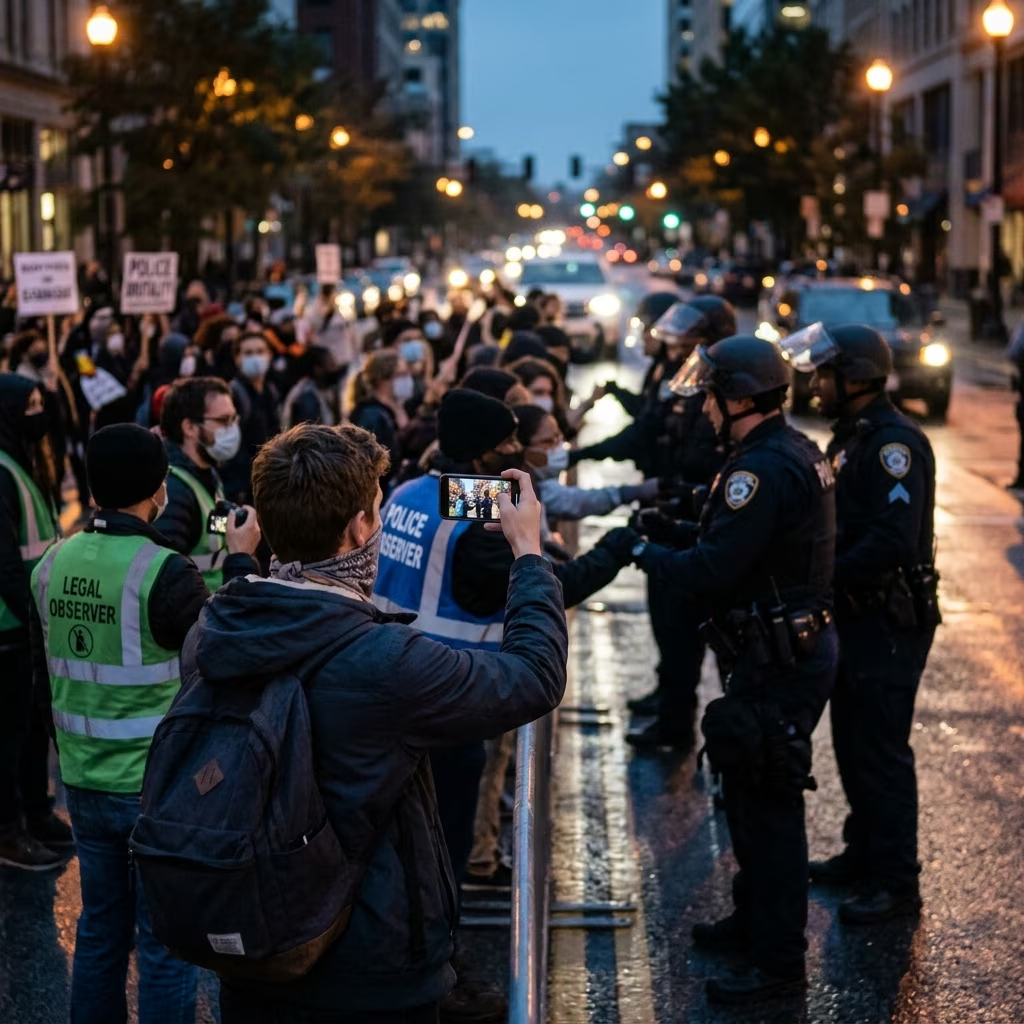
In many jurisdictions, you are allowed to record officers performing their official duties in public as long as you do not interfere with their actions or create safety risks. However, officers may react aggressively to being filmed. If you choose to record, keep a safe distance, do not obstruct their work, and be prepared to secure your footage promptly.
Should I file a complaint even if I do not plan to sue?
Filing a complaint can help document patterns of misconduct and may lead to internal discipline or policy changes, even if you do not pursue a lawsuit. Complaints also create an official record that might assist others who experience similar abuse from the same officers or department.
Can I talk to the media about what happened?
Sharing your experience publicly is your choice, but it is wise to discuss this with your lawyer first. Media coverage can increase pressure for accountability, yet public statements may also be used in legal proceedings. An attorney can help you balance these considerations.
What if I was arrested and charged with a crime after the incident?
Being arrested does not mean the police were justified in using excessive force. You should speak with a criminal defense lawyer as soon as possible to address the charges and explore whether the force used against you violated your rights. Documenting injuries and events remains important even if you face criminal allegations.
How does police brutality relate to broader public health concerns?
Researchers increasingly view police violence as a public health issue because it causes physical injury, psychological harm, and community-level trauma. Public health experts recommend involving affected communities in designing alternative response programs and reducing unnecessary police contacts, particularly in situations better handled by health or social services professionals.
References
- Preparing for the Worst: Police Brutality Know Your Rights — ACLU of San Diego & Imperial Counties. 2015-08-01. https://www.aclu-sdic.org/app/uploads/2015/08/Police-Brutality-KYR.pdf
- Stopped by Police: Know Your Rights — American Civil Liberties Union. 2022-05-01. https://www.aclu.org/know-your-rights/stopped-by-police
- Police Violence — Amnesty International. 2020-06-01. https://www.amnesty.org/en/what-we-do/police-brutality/
- Police Violence: Reducing the Harms of Policing Through Public Health Strategies — American Journal of Public Health. 2022-07-01. https://ajph.aphapublications.org/doi/full/10.2105/AJPH.2022.307107
- Policing Guidance — College of Policing (UK). 2021-09-01. https://www.college.police.uk/guidance