
How to Recognize and Avoid IRS Tax Scams
Learn the warning signs of fake IRS contacts and the safest ways to respond.
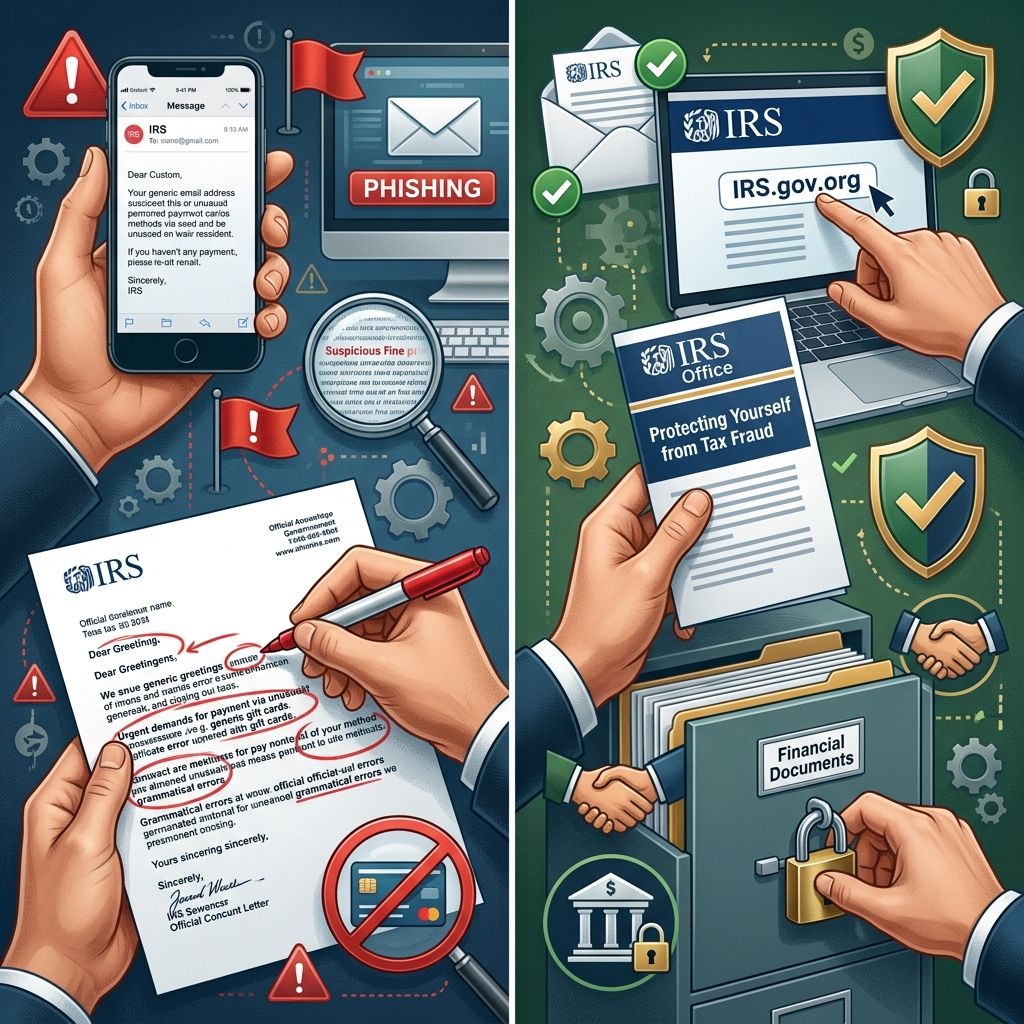
Tax-related fraud remains one of the most persistent forms of impersonation crime, especially when scammers target older adults with urgent demands, false refund promises, or threats of arrest. The safest response is to slow down, verify every contact through official channels, and never share sensitive information with an unexpected caller, text sender, or email sender claiming to represent the IRS. The IRS warns that tax scams often rely on pressure, fear, and confusion rather than technical trickery alone.
What makes these schemes dangerous is that they often sound official enough to catch people off guard. A fake notice, a spoofed caller ID, or a message about a refund or overdue balance can create panic before the target has time to confirm whether the contact is real. The best defense is understanding how legitimate IRS communication works and recognizing the patterns scammers use most often.
Why Tax Scams Keep Working
Tax scams succeed because they exploit two emotions at once: fear of government consequences and hope for unexpected money. Scammers may claim a person owes back taxes, missed a payment, or is due a special refund or credit. They may also insist that immediate action is required, leaving no time to think clearly or call for help.
Older adults are often targeted because they may be more likely to answer calls from unknown numbers, keep financial records at home, or trust messages that appear to mention taxes, Medicare, or other official matters. Federal guidance aimed at seniors emphasizes that scammers frequently pose as government workers to steal money or personal information.
| Scam tactic | What the scammer wants | Why it works |
|---|---|---|
| Threatening phone calls | Immediate payment or account details | Creates fear and urgency |
| Fake refund messages | Banking or identity information | Tempts the target with easy money |
| Email or text impersonation | Passwords, SSNs, or links clicked | Looks routine and official |
| Phony tax preparers | Access to returns or refunds | Appears helpful during filing season |
Common Warning Signs of an IRS Impersonation Scam
One of the clearest red flags is unexpected contact paired with pressure. The IRS explains that scam messages often arrive without warning and try to rush the recipient into acting immediately. Another warning sign is a demand for payment through unusual methods such as wire transfers, prepaid cards, or gift cards, which are not normal IRS payment channels.
Scammers also tend to demand information the IRS would not request in that way. For example, a suspicious caller may ask for a Social Security number, bank account number, or credit card information over the phone. The IRS and consumer guidance both stress that legitimate tax communication does not rely on these tactics.
- Unexpected contact: You receive a call, email, or text with no prior notice.
- Urgency: The sender wants an immediate reply or payment.
- Threats: You are told you may be arrested, fined, or reported if you do not comply.
- Refund bait: The message promises money, credits, or a special tax benefit.
- Unusual payment requests: You are told to pay with gift cards, wire transfers, or similar methods.
- Requests for sensitive data: You are pushed to provide banking, identity, or login information.
How the IRS Typically Makes Contact
Knowing the normal pattern of IRS communication can help people separate real notices from fraud. Official guidance indicates that the agency generally communicates through mail first, especially when there is an issue with a tax account. If a phone call claims to be from the IRS but no prior letter has arrived, that should raise immediate suspicion.
Taxpayers who want to verify a questionable message should use the official IRS customer service number or log in to their IRS online account rather than trusting the number, link, or callback instructions supplied by the caller. Federal alerts also advise people not to return calls using numbers shown on caller ID, because scammers can fake that display.
Another important distinction is the presence of rights and appeal options. Real tax issues come with formal procedures, explanations, and channels for review. A scammer usually wants fast compliance, not a legitimate dispute process.
How to Respond Safely
The safest approach is simple: stop, verify, and do not engage through the contact method the scammer used. If a call, email, or text seems suspicious, hang up, delete it, or leave it unread until you can confirm authenticity through official IRS resources.
For phone calls, do not share any personal or financial details. If the caller claims to be from the IRS, write down the callback number, then independently look up the official IRS contact information and call that number yourself. If the message arrives by email or text, avoid clicking links or opening attachments, because they may lead to fake websites or malware.
- Do not reply immediately.
- Do not click links in suspicious messages.
- Do not provide banking or identity information.
- Verify the claim using IRS.gov or the official IRS phone number.
- Ask a trusted family member, friend, or advisor to review the message with you.
Protecting Yourself During Tax Season
Tax season is a prime time for fraud because people are already expecting forms, notices, and refund updates. Filing early can reduce the window of opportunity for identity thieves who try to submit returns using stolen information. Using trusted tax software or reputable preparers also lowers risk, especially when combined with strong account passwords and multi-factor authentication where available.
It is also important to be cautious about where tax documents are stored and who can see them. Paper files containing Social Security numbers, birth dates, and bank details should be kept in a secure place. Digital records should be protected with updated passwords and device security, because fraudsters often rely on stolen personal information rather than sophisticated hacking.
People should be especially careful when a preparer offers unusually large refunds, asks to be paid in cash only, refuses to sign a return, or wants a refund sent to their own bank account. Those are major warning signs of a dishonest tax preparer, not just a careless one.
What To Do If You Already Shared Information
If you already responded to a scam, quick action can limit the damage. Contact your bank or credit card provider if payment information was exposed, and change passwords if login credentials were shared. If you suspect identity theft, an official recovery report can help you create a response plan and document the loss.
People who were tricked into giving away tax information may also need to monitor IRS correspondence for suspicious filings or unfamiliar account activity. The sooner the incident is reported, the easier it may be to stop further harm.
How to Report a Suspected Tax Scam
Reporting a scam matters because it helps investigators identify patterns, disrupt fraud networks, and warn other potential victims. IRS impersonation scams can be reported through federal complaint channels, including the Treasury Inspector General for Tax Administration and the IRS phishing mailbox for suspicious emails.
Consumers who want broader fraud assistance can also report the incident to the Federal Trade Commission. If the scam involved identity theft, a recovery report through IdentityTheft.gov can guide the next steps.
- For suspicious email: Forward it to the IRS phishing address referenced in official guidance.
- For phone impersonation: Report it through the Treasury Inspector General for Tax Administration complaint process.
- For identity theft: File a recovery report at the federal identity theft portal.
- For general fraud: Submit a complaint to the Federal Trade Commission.
Practical Habits That Lower Risk Year-Round
Preventing tax scams is not only about one-time caution during filing season. It is also about building habits that make fraud harder to pull off. One useful habit is to treat all unexpected tax communication as unverified until proven otherwise. Another is to create a family or household plan for reviewing urgent financial requests before anyone sends money or information.
People should also stay alert for broader signs of fraud, such as strange messages about missed payments, fake account warnings, or documents that look official but contain odd wording or poor formatting. Scammers often reuse the same playbook across calls, email, text, and mail, so learning the pattern is more effective than memorizing every possible variation.
Frequently Asked Questions
Does the IRS threaten arrest over the phone?
No. Pressure, threats, and demands for immediate payment are classic signs of a scam, not normal IRS procedure.
Will the IRS ask for payment through gift cards or wire transfers?
No. Unusual payment requests are a major warning sign and are specifically associated with fraud.
What should I do if a caller says they are from the IRS?
Hang up, do not share information, and verify the claim using an official IRS number or your online IRS account.
Are tax scams only a problem during filing season?
No. Scams can appear throughout the year, especially when people expect refunds, account notices, or document requests.
Where can I report a suspicious IRS message?
Report suspicious emails, calls, or identity theft using the federal reporting channels referenced in official IRS and consumer guidance.
References
- What Are Tax Refund Scams? A Guide for Older Adults — National Council on Aging. 2024-??-??. https://www.ncoa.org/article/what-are-tax-refund-scams-a-guide-for-older-adults/
- IR-2024-164: IRS warns against scams targeting seniors — Internal Revenue Service / GovDelivery. 2024-??-??. https://content.govdelivery.com/accounts/USIRS/bulletins/3a240b2
- Recognize tax scams and fraud — Internal Revenue Service. 2026-??-??. https://www.irs.gov/help/tax-scams/recognize-tax-scams-and-fraud
- Tax scams — Internal Revenue Service. 2026-??-??. https://www.irs.gov/help/tax-scams
- How to Spot, and Prevent, the Tax Scams That Target Elders — McAfee. 2024-??-??. https://www.mcafee.com/learn/how-to-spot-and-prevent-the-tax-scams-that-target-elders/
- Five Tips to Protect Yourself from Tax Season Scams — Red River Bank. 2024-??-??. https://www.redriverbank.net/blog/five-tips-to-protect-yourself-from-tax-season-scams
Similar Articles








Read full bio of Sneha Tete




