Selling a home is not only about placing a sign in the yard and waiting for offers. The way a property looks, feels, and functions when buyers first encounter it can influence interest, perceived value, and the speed of the sale. A thoughtful preparation plan helps a home present well in photos, during showings, and at the open house stage.
The best approach is to treat the property like a product entering a competitive market. Buyers tend to notice cleanliness, maintenance, layout, and overall condition before they focus on details like paint colors or fixture styles. That means sellers often benefit from a deliberate process that includes decluttering, completing repairs, improving exterior presentation, and gathering the documents buyers may request later.
Start With a Seller Mindset
The first shift is psychological. A home that has been lived in as a personal space must be presented as a place a stranger can imagine owning. That does not mean stripping away all character. It does mean reducing distractions so buyers can focus on the home’s size, function, and possibilities.
In practical terms, preparation usually works best when it begins several weeks before the listing date. That allows enough time to sort belongings, address cosmetic problems, and make any improvements that require scheduling contractors or buying supplies. Rushing through this stage can lead to missed details that later become negotiation points for buyers.
Clear Out Visual and Physical Clutter
One of the most effective steps is removing excess items. Crowded rooms can look smaller, and packed closets can suggest limited storage. Buyers often open doors, look inside cabinets, and evaluate how well the home supports everyday living. When surfaces are too full, the property may feel cramped even if the square footage is generous.
- Pack away seasonal items, duplicate kitchen tools, and rarely used appliances.
- Remove extra furniture that interrupts walking paths or makes rooms feel tight.
- Sort books, collectibles, and decorative objects so shelves look intentional rather than crowded.
- Use storage bins, a garage, or an off-site unit for items you do not need before moving day.
Closets, pantries, laundry rooms, and garage areas deserve special attention. Buyers often use these spaces to judge whether the home offers enough storage for their own needs. Leaving enough open space in these areas can make a home appear more functional and better maintained.
Depersonalize Without Making the Home Feel Cold
A home should feel welcoming, but overly personal decor can make it harder for buyers to picture themselves living there. Family portraits, highly specific hobbies, political materials, and personalized memorabilia may distract from the property itself. The goal is to create a neutral backdrop while still preserving warmth.
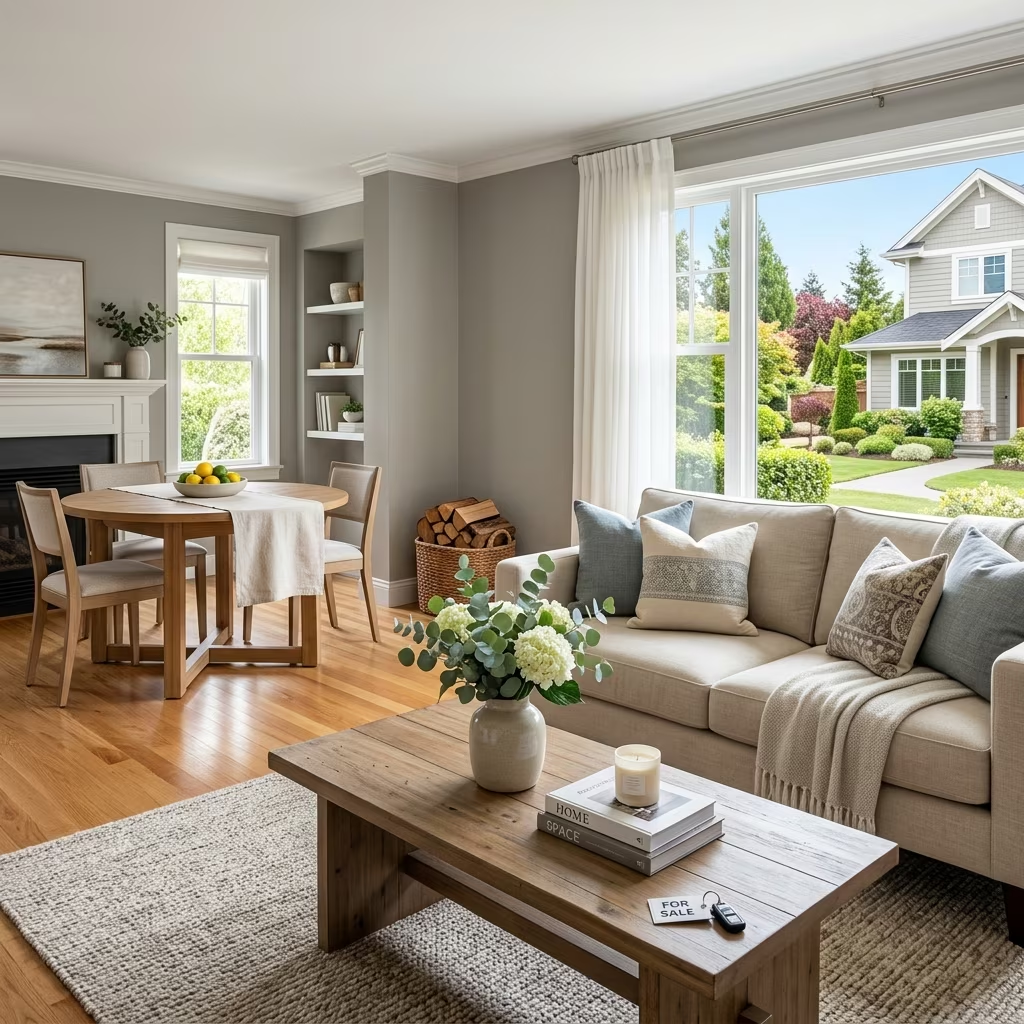
That balance can be achieved by simplifying decor rather than removing everything. Neutral artwork, a few carefully chosen accessories, and clean lines can keep rooms from feeling empty. Buyers should be able to notice the fireplace, the natural light, the ceiling height, and the flow between rooms without being pulled toward personal displays.
Handle Repairs Before Buyers Handle Them for You
Even small defects can influence a buyer’s perception of the whole house. A dripping faucet, chipped trim, cracked tile, loose handle, or broken cabinet hinge may not be major problems, but they can create the impression that the home has not been well cared for. If many minor issues are left unresolved, buyers may assume bigger hidden problems exist.
It is usually wise to fix obvious maintenance concerns before the home hits the market. Common pre-sale tasks include tightening hardware, patching nail holes, replacing burned-out bulbs, repairing running toilets, touching up peeling paint, and servicing doors or windows that stick. If a larger problem exists, it is often better to understand it early rather than discover it during a buyer’s inspection.
Some sellers also choose to request a pre-listing inspection. That can reveal issues before negotiations begin and reduce the chance of last-minute surprises. Even when a seller does not plan to make every repair, knowing the home’s condition in advance can improve pricing decisions and disclosure planning.
Use Paint and Simple Cosmetic Updates Strategically
Not every improvement needs to be expensive. Fresh paint, updated hardware, and small refreshes can deliver strong visual returns without requiring a major remodel. Neutral wall colors generally help buyers imagine their own furniture and style in the space, while bold or highly customized colors may narrow appeal.
If a room feels dated, sometimes a modest update can change the entire impression. Replacing worn cabinet pulls, swapping outdated light fixtures, or refreshing trim can make a property feel more current. The best updates are usually the ones that improve a buyer’s sense that the home is clean, modern, and move-in ready.
| Area | Simple update | Why it helps |
|---|---|---|
| Living room | Neutral paint and lighter decor | Creates openness and broader appeal |
| Kitchen | New hardware and bright lighting | Improves first impressions without major renovation |
| Bathroom | Fresh caulk, clean grout, updated towels | Makes the space feel cared for and hygienic |
| Entryway | Painted front door and clean mat | Sets a polished tone before buyers enter |
Deep Clean the Entire Property
Cleaning for a sale is not the same as regular house cleaning. Buyers often notice corners, baseboards, vents, windows, mirrors, appliance faces, grout lines, and other areas people may overlook in daily life. A home that is visibly clean suggests stronger overall maintenance.
Deep cleaning can include washing windows inside and out, scrubbing bathroom surfaces, polishing faucets, cleaning behind and under furniture, removing odors, and restoring shine to floors. If time is limited, professional cleaners may be worth the cost, especially before photography and showings begin. Cleanliness is one of the most cost-effective ways to improve perceived value.
Make the Outside Match the Inside
Curb appeal matters because the exterior creates the first emotional response. Buyers often decide how they feel about a home before they walk through the front door. If the yard, entry, and facade look neglected, they may enter with lower expectations even if the interior is attractive.
Exterior preparation usually includes mowing the lawn, trimming shrubs, pulling weeds, pressure-washing walkways, cleaning gutters if visible, and repainting or cleaning the front door. A fresh doormat, functional lighting, and tidy planters can help create a more inviting entry. If the home has a porch, patio, or balcony, keep those areas neat and staged as usable space rather than storage.
Landscaping should look maintained rather than elaborate. The purpose is not to impress with a dramatic redesign, but to show that the property is cared for and ready for the next owner.
Stage the Rooms So Their Purpose Is Clear
Staging helps buyers understand how each room works. A small office nook, for example, may become a workspace, reading corner, or homework station. A spare bedroom may appear more useful when furnished with a bed, side table, and enough open floor space to show proportion.
Furniture placement matters. Rooms often look better when the layout supports movement and creates clear focal points. Too much furniture can make a room feel smaller, while too little can make it feel empty or awkward. The objective is to present a balanced, livable space that feels easy to navigate.
- Arrange furniture to show traffic flow and usable space.
- Use mirrors and light-colored decor to make darker rooms feel brighter.
- Add a few restrained accents such as pillows, art, or greenery.
- Keep surfaces simple so buyers can visualize their own belongings in the home.
Prepare for Listing Photos and Online Searchers
Many buyers first encounter a property online, which means the photography stage is nearly as important as the in-person showing. A clean, bright, uncluttered home photographs better than one that appears crowded or dim. Before the photographer arrives, open curtains, turn on lights, hide trash cans, tuck away cords, and remove anything that does not need to be visible.
Small details often make a difference in photos. Fresh towels, made beds, straightened chairs, and polished surfaces can help rooms appear more polished. Sellers should also think about what the camera will capture from every angle, including countertops, mirrors, and entry points. A property that looks organized in photos is more likely to earn clicks, showings, and competitive interest.
Gather Records and Sale-Related Documents
Beyond appearance, buyers and their agents may want documents that explain the property’s condition and operating costs. Having paperwork ready can speed up the transaction and reduce uncertainty. Some documents may also help support disclosures or answer questions during negotiations.
- Utility bills that show typical monthly usage
- Property tax records
- Homeowners association documents, if applicable
- Warranty information for appliances or major systems
- Receipts for recent repairs or upgrades
- Survey, plat, or floor plan if available
Keeping these materials organized in one folder can save time once an offer arrives. It also gives the seller a more professional and prepared appearance.
Plan a Showing Routine That Keeps the Home Ready
Once the property is listed, the work is not over. A showing-ready home requires a repeatable routine. Beds should be made, counters cleared, trash removed, lights checked, and pets managed before buyers walk in. The home should feel easy to tour without distractions.
Many sellers benefit from a short daily checklist. That might include wiping kitchen surfaces, putting away shoes, airing out rooms, and adjusting lighting before leaving. If the home is occupied, it helps to have a quick reset plan so the space can be presentable on short notice. Flexibility can increase exposure, because the more buyers who can see the property, the better the odds of a strong offer.
Know What to Prioritize and What to Leave Alone
Not every home needs the same type of preparation. In some cases, a few cosmetic improvements and a deep clean are enough. In others, a seller may need to address more significant repairs before listing. The right strategy depends on market conditions, the home’s age, comparable sales, and the expectations of likely buyers.
It is often smart to focus first on changes that affect cleanliness, function, and first impressions. Projects that are expensive but unlikely to produce a meaningful price increase may not be worth the time. A real estate professional can help separate necessary fixes from optional upgrades, especially if the local market is moving quickly or if the home is competing with recently renovated listings.
Frequently Asked Questions
How early should I start preparing my house for sale? Many sellers begin several weeks before listing so there is enough time to declutter, repair, clean, and stage the home without rushing.
Do I need to renovate before selling? Not always. In many cases, minor repairs, cleaning, paint, and staging are more valuable than a full renovation.
What matters most to buyers? Buyers typically notice cleanliness, maintenance, layout, light, storage, and how easy it is to imagine living in the home.
Should I hire professionals for cleaning or staging? Professional help can be useful when a home needs a stronger presentation, especially before photography or when the property is expected to compete in a crowded market.
Is curb appeal really that important? Yes. The exterior shapes the first impression, which can affect how buyers feel before they even step inside.
Final Preparation Checklist
- Declutter rooms, closets, and storage areas
- Remove personal items and excess decor
- Complete small repairs and touch-ups
- Deep clean all surfaces and fixtures
- Improve curb appeal and entryway presentation
- Stage rooms to show space and function
- Organize key documents for buyers
- Set up a plan for repeated showings
References
- How to Prepare Your House for Sale: Checklist + Staging Tips — Opendoor. 2025. https://www.opendoor.com/articles/how-to-prepare-your-house-for-sale
- Before Putting a Home Up For Sale — National Association of Realtors. 2025. https://www.nar.realtor/news/tools/client-education/handouts-for-sellers/before-putting-a-home-up-for-sale
- Home-Selling Checklist: 12 Things To Do Before Selling Your House — Realtor.com. 2025. https://www.realtor.com/advice/sell/home-selling-checklist-things-to-do-before-selling/
- How to prepare your home for sale — Homes.com. 2025. https://www.homes.com/learn/preparing-your-home-for-sale/
- How to Prepare Your Home for Sale, Including Staging and Decluttering — HAR.com. 2025. https://www.har.com/blog_130880_how-to-prepare-your-home-for-sale-including-staging-and-decluttering