
File A Complaint Against An Attorney: What To Expect And Steps
Learn when dissatisfaction becomes misconduct, how to complain effectively, and what to expect from the lawyer discipline system.
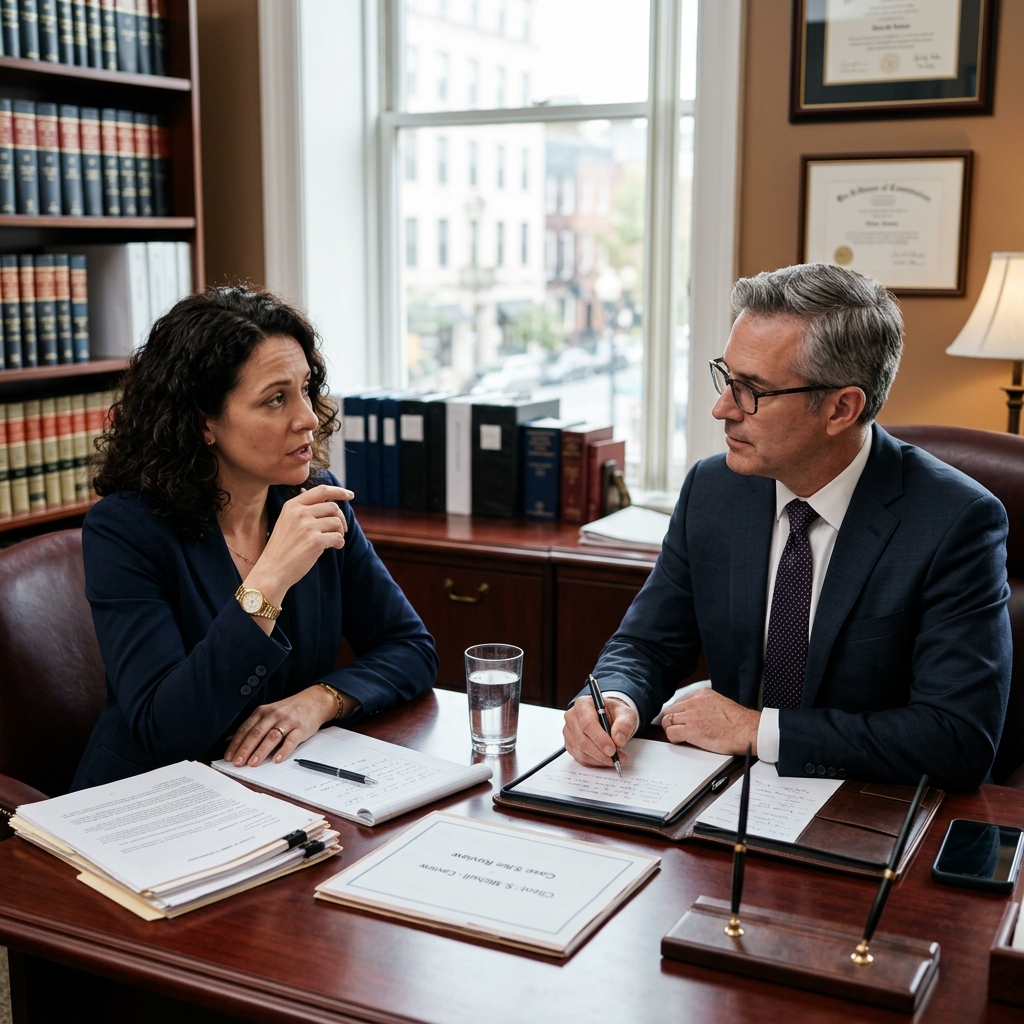
Most attorney–client relationships work as expected, but sometimes communication breaks down, deadlines are missed, or fees feel unfair. When concerns escalate, clients often wonder whether they can file a formal complaint, how that process works, and what outcomes are realistic. This guide explains how to evaluate your situation, steps to take before complaining, how to file with disciplinary authorities, and what the system can and cannot provide.
1. Distinguishing Dissatisfaction From Misconduct
Not every frustrating experience with a lawyer is an ethical violation. State bar disciplinary systems focus on enforcing professional conduct rules, not on correcting every instance of poor service or unfavorable outcome. Understanding that distinction will help you decide whether to work things out directly, seek new counsel, or contact regulators.
1.1 Typical Complaints Clients Raise
Concerns about lawyers generally fall into several recurring categories:
- Poor communication – not returning calls or emails, failing to explain strategy, or leaving clients uninformed about case status.
- Delay or inaction – missing deadlines, failing to file documents, or allowing a case to stagnate.
- Fee disputes – charges that seem excessive, bills that lack detail, or disagreements over what was agreed upon.
- Competence issues – serious mistakes in legal analysis, pleadings, or courtroom presentation.
- Professional conduct concerns – conflict of interest, dishonesty, misuse of funds, or other potential ethics violations.
Some of these problems may support a complaint to disciplinary authorities; others may be better addressed by negotiation, fee arbitration, or changing lawyers.
1.2 What Ethics Rules Usually Require
While each state has its own professional conduct rules, most use standards similar to those promoted by the American Bar Association (ABA). These rules typically require lawyers to:[10]
- Provide competent representation in the relevant area of law.
- Act with reasonable diligence and promptness when handling client matters.
- Keep clients reasonably informed and respond to requests for information.
- Maintain the confidentiality of client information, with limited exceptions.
- Avoid conflicts of interest or obtain informed written consent when allowed.
- Charge reasonable fees and explain the basis of the fee when required.
- Safeguard client money and property in a trust or escrow account.
When a lawyer’s conduct departs significantly from these obligations, it may be appropriate to consider a complaint.
2. When a Complaint May Be Appropriate
Bar authorities are designed to investigate alleged violations of professional standards, not to re-try your case or guarantee a favorable result. The key question is whether your concerns involve potential ethical breaches, not just poor outcomes or personal dissatisfaction.
2.1 Examples of Possible Ethics Violations
The following types of behavior often fall within the jurisdiction of disciplinary agencies:
- Misuse or theft of client funds – failing to deposit retainers in a trust account, refusing to account for funds, or using client money for personal purposes.
- Serious neglect – repeatedly ignoring court orders, missing critical deadlines that damage your case, or abandoning representation.
- Dishonesty – lying to clients, opposing parties, or the court, falsifying documents, or misrepresenting case status.
- Conflicts of interest – representing both sides inappropriately, or taking actions that favor the lawyer’s interests over the client’s without informed consent.
- Unauthorized practice – practicing without a license, or practicing while suspended or disbarred.
- Criminal conduct that reflects on the lawyer’s honesty or fitness to practice.
2.2 Situations Often Not Handled Through Discipline
Certain disputes rarely result in discipline and may be better resolved through other channels:
- Fee amount disagreements where the issue is price rather than fraud or clear overbilling.
- Strategic differences, such as disagreeing with settlement recommendations or trial tactics.
- Personality conflicts or loss of trust that do not involve rule violations.
- Simple negligence that causes financial loss, which may be a civil malpractice matter rather than a discipline case.
In these circumstances, fee arbitration, mediation, or a legal malpractice claim may be more appropriate than or in addition to filing a complaint.
3. Steps to Take Before Filing a Complaint
Before contacting regulatory agencies, many bar organizations encourage clients to attempt informal resolution. While this is not required in all jurisdictions, it can sometimes fix misunderstandings without triggering a formal investigation.
3.1 Clarify Expectations and Communicate Concerns
Consider taking the following steps:
- Review your fee agreement and any engagement letter to refresh your understanding of the scope of work, billing structure, and responsibilities.
- Schedule a focused meeting (phone, video, or in person) specifically to discuss your concerns about communication, progress, or fees.
- Prepare questions in writing so you can clearly ask about deadlines, next steps, or reasons for strategic choices.
- Summarize the conversation in a follow-up email or letter to create a record and confirm what was agreed.
3.2 Seek a Second Opinion or New Counsel
If trust has broken down, you may wish to consult another lawyer to review your case, your current attorney’s performance, and your options. In many situations, you are free to:
- Change lawyers (subject to court approval if your case is already before a judge).
- Request a copy of your file, including pleadings, correspondence, and evidence.
- Negotiate a final bill or payment plan for services already performed.
Changing attorneys does not prevent you from filing a complaint about prior conduct if warranted.
4. How to File a Complaint With Disciplinary Authorities
Each state has an agency responsible for investigating complaints against lawyers. In many jurisdictions, this function is handled by a statewide disciplinary counsel or bar counsel office, overseen by the state’s highest court.[10]
4.1 Finding the Correct Office
To locate the appropriate authority:
- Visit your state bar association or state court website and look for sections labeled “Attorney discipline,” “File a complaint,” or “Grievance.”[10]
- Consult national resources (such as the ABA’s public information pages) that provide state-by-state links for filing complaints.[10]
- Call your state bar’s main number and ask where to submit an attorney complaint.
4.2 Common Filing Methods
While procedures vary, most disciplinary agencies accept complaints in one or more of the following ways:
- Online complaint portal or web form.
- Downloadable PDF form that you can complete and mail.
- Written letter setting out your concerns in detail.
- In some states, telephone screening may help determine whether a written complaint is appropriate.
Many jurisdictions require complaints to be in writing and signed by the person filing them.
4.3 Information You Should Include
Providing complete and accurate information helps disciplinary counsel understand your concerns and decide whether an investigation is warranted. Agencies commonly request the following details:
- Your full name, mailing address, phone number, and email address.
- The lawyer’s full name, firm name, addresses, phone numbers, and bar registration number if known.
- A description of your relationship to the lawyer (for example: client, opposing party, third-party witness).
- Key dates: when representation began and ended, and when important events occurred.
- Any court case information, including case name, case number, and court location.
- A clear, factual description of what you believe the lawyer did or failed to do.
- The harm or risk of harm you believe resulted from this conduct.
4.4 Helpful Supporting Documents
Disciplinary offices typically encourage you to send copies (not originals) of documents that support your complaint, such as:
- Fee or retainer agreements.
- Itemized bills and payment receipts.
- Letters, emails, and text screenshots relevant to your concerns.
- Filed pleadings, motions, and court orders.
- Cancelled checks or other proof of payments made to the lawyer.
Keep your own copies of everything you send, since items provided to disciplinary authorities may not be returned.
4.5 Writing an Effective Narrative
Your written explanation should be as specific and fact-based as possible:
- Organize events chronologically, using dates when you can.
- Describe actions and omissions rather than legal conclusions (for example, “My lawyer did not tell me about a court date,” instead of “My rights were violated”).
- Explain what you expected the lawyer to do and what actually occurred.
- Identify witnesses who may support your account and provide contact information if possible.
5. What Happens After You File
Once a complaint is submitted, the disciplinary process moves through several typical stages. The details differ by jurisdiction, but the following overview is common across many states.
5.1 Initial Screening
Disciplinary counsel first reviews your complaint to determine whether:
- The lawyer is subject to that office’s jurisdiction (for example, licensed in that state).
- The allegations, if true, would violate professional conduct rules.
- Additional information is needed from you to understand the issues.
Complaints that clearly involve fee disputes or civil matters without apparent ethics issues may be dismissed at this stage, sometimes with a referral to fee arbitration or other resources.
5.2 Request for the Lawyer’s Response
If the matter appears to fall within the office’s jurisdiction and raises a potential rule violation, disciplinary counsel usually:
- Sends a copy of your complaint to the lawyer.
- Requests a written response and supporting documents from the lawyer within a set timeframe.
Both your complaint and the lawyer’s response are then reviewed to determine whether a formal investigation is necessary.
5.3 Investigation and Evaluation
When a complaint moves forward, the investigation may include:
- Reviewing court records and filings.
- Requesting additional documents from the lawyer and the complainant.
- Interviewing witnesses or other persons involved.
- Analyzing trust account records if financial misconduct is alleged.
After gathering the necessary information, the disciplinary office decides whether there is sufficient evidence of a rule violation to justify formal charges or other action.
5.4 Possible Outcomes
Depending on the evidence and severity of the conduct, outcomes may include:
- Dismissal of the complaint when no violation is found or evidence is insufficient.
- Informal action such as a warning, advisory letter, or agreement for the lawyer to complete additional training or make procedural changes.
- Private discipline (for example, private reprimand) in some jurisdictions.
- Public discipline such as public reprimand, suspension, or disbarment, usually imposed or approved by a court after formal procedures.
6. What the Discipline System Can and Cannot Do
The disciplinary process exists primarily to protect the public and the justice system, not to compensate individual complainants. Understanding its limits can help set realistic expectations.
| What It Can Do | What It Generally Cannot Do |
|---|---|
| Investigate alleged violations of ethics rules. | Act as your personal attorney or provide legal advice. |
| Impose disciplinary sanctions on lawyers (warning, reprimand, suspension, disbarment). | Change or overturn court decisions or orders. |
| Require the lawyer to respond to inquiries and cooperate with investigations. | Force the lawyer to refund fees in most cases (unless allowed by specific rules). |
| Publicly report serious sanctions to help protect future clients. | Award you damages for malpractice or negligence. |
If your primary goals are to recover financial losses or reverse a legal outcome, you may need to pursue a separate civil action, such as a malpractice lawsuit, in addition to or instead of filing a disciplinary complaint.
7. Alternatives and Additional Remedies
Depending on your situation, multiple avenues may help address problems with legal representation.
7.1 Fee Arbitration and Mediation
Many state and local bar associations offer fee arbitration or mediation programs designed to resolve billing disputes between lawyers and clients more quickly and informally than court.[10] These programs may:
- Provide a neutral forum to evaluate whether fees are reasonable.
- Help clarify misunderstandings about bills and services provided.
- Result in binding or nonbinding decisions, depending on the program.
7.2 Legal Malpractice Claims
If you suffered financial harm because your lawyer failed to meet the standard of care (for example, missing a statute of limitations), you may wish to consult another attorney about a potential malpractice claim. A malpractice case is separate from a disciplinary complaint and is handled through the civil court system, subject to filing deadlines and proof requirements.
7.3 Client Protection or Reimbursement Funds
Some states maintain client protection funds that may reimburse clients who lose money due to a lawyer’s dishonest conduct, such as theft or intentional misuse of trust funds.[10] These programs:
- Typically do not cover simple negligence or fee disputes.
- Often require that the lawyer be disciplined, disbarred, or otherwise found to have engaged in dishonest conduct.
- Have caps on the amount that can be reimbursed per claim or per lawyer.
8. Practical Tips for Protecting Yourself as a Client
Whether or not you pursue a complaint, you can take steps to protect your interests going forward.
- Document everything – keep copies of agreements, emails, bills, and court papers in an organized file.
- Ask for itemized bills and explanations of charges you do not understand.
- Confirm important instructions to your lawyer in writing, especially regarding settlement authority or key strategy decisions.
- Monitor deadlines when you are aware of them, and promptly raise concerns if you fear something has been missed.
- Research your lawyer’s record through state bar websites, which often list public disciplinary history.[10]
9. Frequently Asked Questions
9.1 Will my lawyer find out that I filed a complaint?
In most cases, yes. If disciplinary authorities open an investigation, they usually send the lawyer a copy of your complaint and request a response. Confidentiality rules vary by state, but the lawyer will generally be informed of the allegations.
9.2 Do I need a new lawyer to file a complaint?
No. You are not required to hire another lawyer to file a complaint, and disciplinary agencies often design forms for use by nonlawyers. However, you may wish to consult new counsel about your underlying legal matter or potential malpractice claims.
9.3 How long does the complaint process take?
Timelines differ widely. Some matters are dismissed at screening within a few weeks, while complex investigations and formal proceedings can take many months or longer. Many disciplinary offices will provide status updates on request.
9.4 Can filing a complaint change the outcome of my case?
Usually not. Disciplinary systems focus on the lawyer’s conduct, not on altering court orders or judgments. If you want to challenge a legal outcome, you may need to pursue appeals or other remedies within the court system.
9.5 Will I recover my money if discipline is imposed?
Not automatically. Even if a lawyer is disciplined, fee refunds or compensation for losses are separate questions. You may seek fee arbitration, contact a client protection fund where available, or pursue a civil claim for damages, depending on the circumstances.[10]
References
- File a Complaint — Attorney Registration & Disciplinary Commission of Illinois. 2024. https://www.iardc.org/Home/FileComplaint
- Lawyer Complaint Process — Oklahoma Bar Association, Office of the General Counsel. 2023. https://www.okbar.org/gc/complaint/
- Filing a Complaint — Office of Chief Disciplinary Counsel, Missouri. 2023. https://mochiefcounsel.org/filing-a-complaint/
- About Attorney Discipline: The Complaint Process — Louisiana Attorney Disciplinary Board. 2023. https://www.ladb.org/complaint/howto.aspx
- Filing a Complaint Against an Attorney or LLP — Colorado Office of Attorney Regulation Counsel. 2024. https://www.coloradolegalregulation.com/complaints/file_complaintagainstatty/
- Having Issues with a Lawyer? — North Carolina State Bar. 2022. https://www.ncbar.gov/for-the-public/i-am-having-a-dispute-with-a-lawyer/having-issues-with-a-lawyer/
- Resources for the Public — American Bar Association, Center for Professional Responsibility. 2023. https://www.americanbar.org/groups/professional_responsibility/resources/resources_for_the_public/
Similar Articles








Read full bio of Sneha Tete


