
Noisy Neighbor: A Practical Guide To Resolving Noise Disputes
Practical steps for addressing disruptive neighbor noise before conflict escalates.
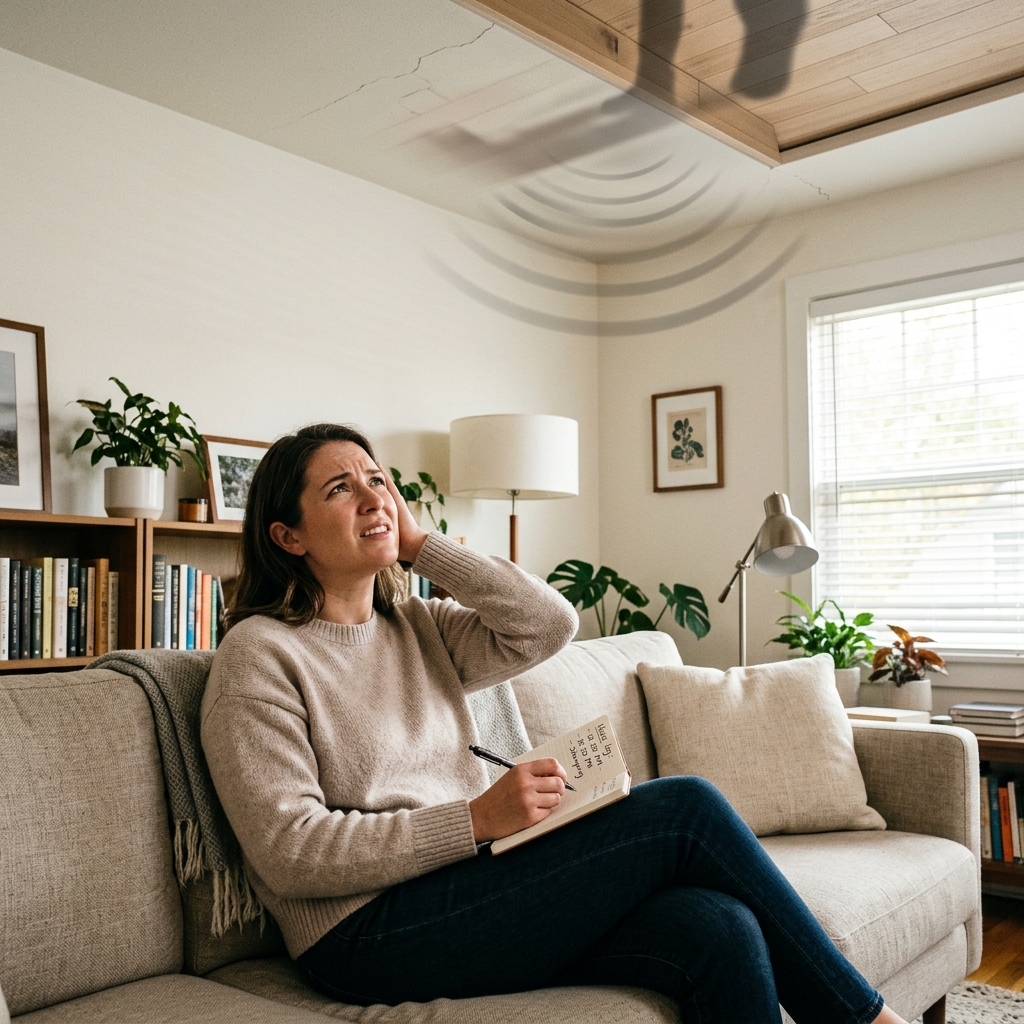
Living near other people always involves some level of compromise, but constant or extreme noise can make home life stressful. The best response is usually a gradual one: start with direct communication, build a record of the problem, and move to formal complaints only if the disturbance continues. In many cases, a measured approach can resolve the issue without turning a neighborhood disagreement into a legal battle.
Start with the simplest solution: a respectful conversation
Many noise disputes begin with an assumption that the other person is being rude on purpose, when in reality they may not realize how far the sound carries. A calm, face-to-face conversation is often the fastest way to reduce tension and find common ground. Choose a time when neither side is upset, explain the problem clearly, and focus on the impact rather than blame.
- Speak at a reasonable hour rather than in the middle of a conflict.
- Describe the specific problem, such as late-night music, barking, footsteps, or repeated parties.
- Ask for a practical change instead of making a broad accusation.
- Keep your tone polite, brief, and solution-oriented.
If the neighbor responds well, the problem may end there. Even when the issue is not fully solved, a respectful first attempt can help later if you need to show that you tried to resolve the matter informally.
Know whether the noise is actually a legal problem
Not every annoying sound is a legal violation. Ordinary living noise, such as occasional footsteps, a vacuum cleaner, or a short gathering, may be uncomfortable but still lawful. What matters is whether the noise breaks a local ordinance, violates a lease or homeowners’ association rule, or rises to the level of a nuisance that seriously interferes with the use of your home.
Local rules vary widely, so it helps to review city or county noise standards, building policies, and any lease language that applies to your situation. Common restrictions involve quiet hours, maximum decibel levels, and limits on repeated disturbances during nighttime hours.
| Type of issue | Examples | Why it matters |
|---|---|---|
| Minor annoyance | Short bursts of music, normal conversation, occasional construction | May be irritating but not necessarily unlawful |
| Repeated disturbance | Nightly loud TV, barking dog, frequent parties | May violate lease terms or local rules |
| Potential nuisance | Noise that disrupts sleep, work, or daily use of the home | Can support a formal complaint or legal claim |
Document the problem before it becomes a dispute over facts
If the noise continues, start tracking what is happening. A detailed record can help you identify patterns, support a complaint, and show that the problem is ongoing rather than isolated. Good documentation is especially valuable when you must explain the issue to a landlord, HOA, police officer, mediator, or judge.
- Write down the date, time, duration, and type of noise.
- Note how the sound affected you, such as lost sleep or interrupted work.
- Save texts, emails, or written notes related to the complaint.
- Gather recordings if local law allows you to do so.
- Ask other affected neighbors whether they have noticed the same issue.
A log is more persuasive than a vague complaint because it turns frustration into evidence. The more specific your records are, the easier it becomes to show a consistent pattern.
Use writing when a verbal request is not enough
If an in-person conversation does not work, a short written message can be a useful next step. Written communication is calmer, creates a record, and gives the other person a chance to respond without pressure. It also allows you to restate the problem with enough detail that the neighbor understands what behavior needs to change.
Your note does not need to be confrontational. In many situations, a simple explanation that identifies the issue, explains when it occurs, and asks for cooperation is enough. If the noise appears to violate a specific rule, you can mention that rule or attach a copy of it. That approach often works better than threats or accusations.
Consider the role of landlords, HOAs, and property managers
In rentals and managed communities, the person causing the noise may not be the only one who can address it. Landlords, property managers, and homeowners’ associations often have the authority to enforce lease terms or community rules. If your neighbor is a tenant or a member of the same association, reporting the issue to management may prompt a faster response than repeated personal complaints.
- Submit complaints in writing when possible.
- Include your log and any recordings or supporting messages.
- Reference the lease, rules, or policy that seems to be violated.
- Ask for confirmation that the issue was received and will be reviewed.
Management may warn the neighbor, require corrective action, or impose penalties if the conduct continues. In serious situations, lease enforcement can even lead to eviction proceedings, though that depends on the facts and governing law.
When mediation can help
Mediation is useful when both sides are stuck but still willing to talk. A neutral third party helps guide the discussion and look for a compromise. This can be especially helpful when the relationship matters, such as in a duplex, apartment building, or long-term neighborhood.
Mediation usually works best when each side is prepared to explain the problem, listen to the other side, and consider realistic changes. For example, the parties might agree on quieter hours, different pet routines, or advance notice for gatherings. While mediation does not guarantee success, it can prevent a disagreement from escalating into a formal complaint or lawsuit.
When to involve law enforcement or local officials
If informal efforts fail and the disturbance continues, it may be time to contact the appropriate authorities. The right contact depends on the circumstances. Some communities direct residents to code enforcement, animal control, building management, or a non-emergency police line. Emergency services are generally reserved for situations involving immediate danger or a serious public disturbance.
When making a report, be prepared to explain what has already happened and why the noise is a continuing problem. Officers or local officials are more likely to take the complaint seriously if you can show that you first attempted to resolve it privately and that the behavior appears to violate a rule or ordinance.
Understand the legal theories that may apply
Depending on the facts, a persistent noise problem may support claims based on nuisance or interference with the quiet use of your home. The legal label varies by state, but the basic idea is similar: a person should not use property in a way that unreasonably interferes with someone else’s ability to enjoy their own space. A lease may also create a right to quiet enjoyment, which is a separate contractual protection for tenants.
To succeed in a claim, you generally need more than irritation. You must show that the noise is excessive, ongoing, and meaningful enough to interfere with your normal use of the property. That is why documentation, witness statements, and clear records of prior attempts to resolve the problem matter so much.
What a court may order
If a dispute reaches small claims court or another civil court, the available remedies depend on local law and the details of the case. Some people seek money for measurable losses, while others mainly want the conduct to stop. Courts may award damages in appropriate cases or issue an order that requires the neighbor to stop the offending behavior.
- Damages may address financial harm tied to the disturbance.
- Injunctions may require the neighbor to stop or limit the noise.
- Other remedies may depend on local nuisance or landlord-tenant law.
Even when a lawsuit is available, it is usually the last step because it takes time, money, and evidence. For many people, the goal is not punishment but a workable living arrangement.
How to present your complaint effectively
A strong complaint is clear, factual, and consistent. It explains what the problem is, when it happens, how long it lasts, and what has already been done to address it. Emotional language may feel satisfying, but it usually weakens the message. A fact-based approach increases the chance that a landlord, official, or judge will take your complaint seriously.
- Stick to observable facts rather than speculation.
- Use the same dates and descriptions across all reports.
- Attach proof whenever possible.
- State the result you want, such as quieter hours or enforcement of the rules.
Preventing repeat conflict in the future
Even after a noise issue is solved, it helps to reduce the chances of another dispute. Small efforts like introducing yourself, sharing expectations early, and keeping communication respectful can make future conversations easier. Many neighbor conflicts become worse because both sides feel ignored or disrespected.
It is also wise to keep your own noise habits in check. If you expect others to lower the volume, make sure your own actions are not creating the same frustration. Mutual respect is often the simplest long-term solution in close living situations.
Frequently asked questions
What should I do first about a noisy neighbor?
Start with a polite conversation if it is safe to do so. In many cases, the other person may not realize the noise is bothering anyone.
Should I keep a record of the noise?
Yes. A log with dates, times, and details can support a complaint, help management understand the pattern, and strengthen a legal claim if the situation worsens.
Can I report the problem to my landlord or HOA?
Yes. If you live in a rental or governed community, management or the association may have authority to address rule violations.
When is police involvement appropriate?
Police involvement is usually a later step, after informal attempts fail or when the noise appears to violate local law and is actively occurring.
Can I sue a neighbor over noise?
In some situations, yes. A lawsuit may be possible if the noise is severe, ongoing, and supported by evidence, but it is usually a last resort.
References
- What Can You Legally Do About a Neighbor’s Noise? — FindLaw. 2024-01-01. https://www.findlaw.com/realestate/neighbors/what-to-do-about-a-neighbor-s-noise-faqs.html
- Can I Sue My Neighbor for Excessive Noise? — Super Lawyers. 2024-01-01. https://www.superlawyers.com/resources/real-estate/real-estate-disputes/can-i-sue-my-neighbor-for-excessive-noise/
- Solving Disputes with Your Neighbors — People’s Law Library. 2024-01-01. https://www.peoples-law.org/solving-disputes-your-neighbors
- Tenant Neighbor Disputes — KJM Law. 2024-01-01. https://kjm.law/tenant-neighbor-disputes-texas/
Similar Articles








Read full bio of Sneha Tete


