
Child Custody Modification: What Parents Need To Know In Court
Learn when and how courts will modify child custody orders, what counts as a major change in circumstances, and how to protect your child’s best interests.
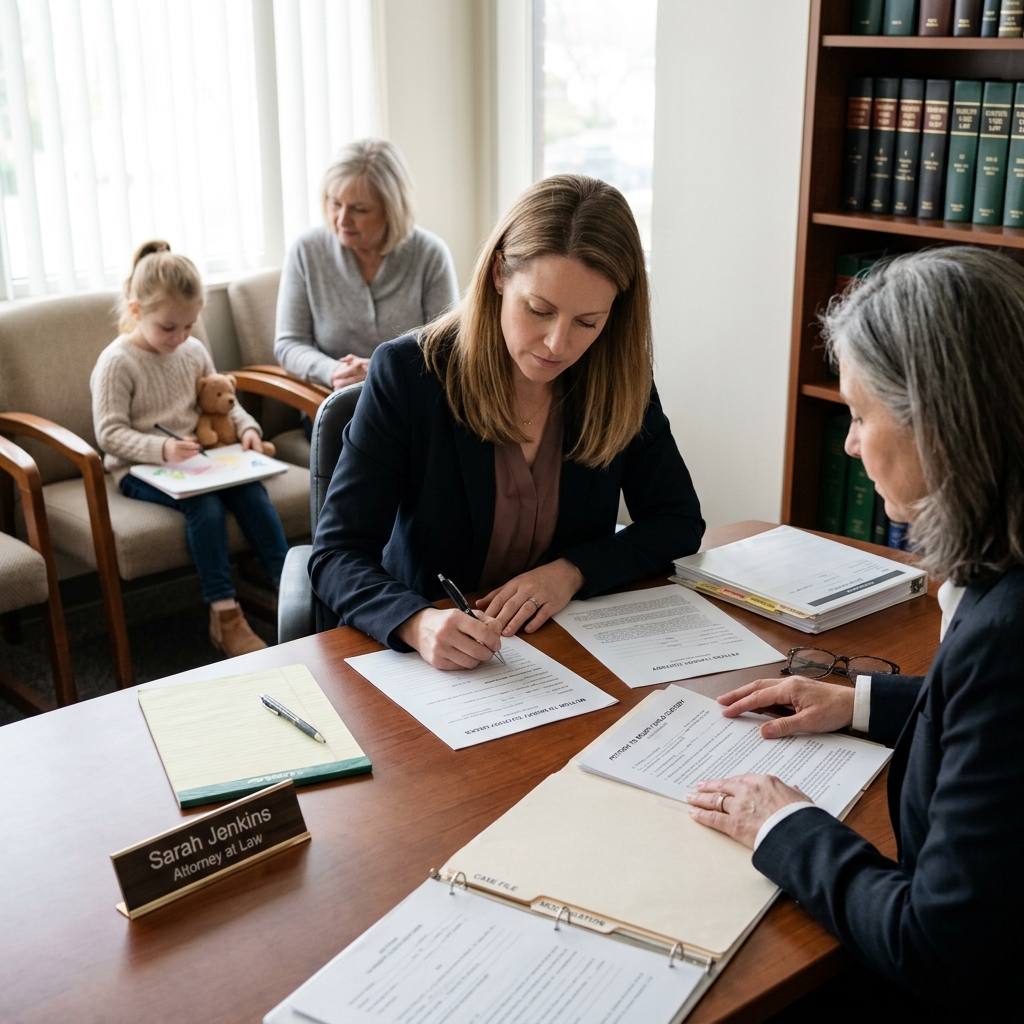
Child custody orders are designed to bring stability to a child’s life, but families and circumstances do not stay frozen in time. Parents change jobs, children grow older, health conditions arise, and sometimes the original arrangement no longer serves the child’s needs. In those situations, courts allow modification of child custody orders—but only when clear legal standards are met and proper procedures are followed.
Why Custody Orders Are Not Easily Changed
Most jurisdictions treat custody orders as durable and binding, not as something that can be altered casually or frequently. Courts want to avoid constant litigation and disruption in a child’s life, so they typically require the parent seeking a change to demonstrate a material or substantial change in circumstances since the prior order, and to prove that a new arrangement is in the child’s best interests.
Although the exact language varies by state, the basic goals are similar:
- Provide continuity and predictability for the child.
- Prevent strategic or retaliatory attempts to revisit custody without good reason.
- Encourage parents to resolve disputes cooperatively when possible.
- Ensure that any change truly improves the child’s overall situation.
Key Legal Standards: Material Change and Best Interests
Two concepts appear repeatedly in custody modification law: material change in circumstances and the best interests of the child. Understanding these standards is crucial before deciding whether to seek a change in your custody order.
Material Change in Circumstances
A “material” or “substantial” change in circumstances means more than minor disagreements or temporary issues. It typically refers to a significant, ongoing development affecting the child or one of the parents, arising after the original order was entered or based on facts the court did not know at that time.
Common examples that may qualify include:
- Serious health issues involving the child or a parent, such as a new disability or chronic illness.
- Major relocation by a parent, especially if it affects schooling, access to extended family, or regular contact with the other parent.
- Significant changes in parenting capacity, such as substance abuse, criminal activity, or consistent failure to meet the child’s needs.
- Persistent conflict or unsafe environment in the child’s current household.
- Evolving needs or preferences of the child, particularly as the child matures and can express reasoned wishes.
Courts generally require evidence of the change, not just allegations. This can include medical records, school reports, witness testimony, or other documentation demonstrating that the situation is different from what it was when the prior order was made.
Best Interests of the Child
Even if a material change exists, the court will not modify custody unless the proposed new arrangement serves the child’s best interests. While specific statutory factors differ by jurisdiction, they commonly address:
- The child’s physical and emotional health.
- The stability and safety of each home environment.
- The child’s relationship with each parent and with siblings.
- Each parent’s willingness to support the child’s relationship with the other parent.
- Continuity in education, community involvement, and routines.
- Depending on age, the child’s reasonable preferences.
Some states impose a heightened standard for certain types of custody orders. For example, modifying a “considered” judgment may require proof, by clear and convincing evidence, that continuing the current order is detrimental to the child or that the benefits of change outweigh any harm caused by disruption.
Types of Custody Modifications
Not all modifications look the same. Understanding what you are asking the court to change helps in evaluating your chances of success and planning your evidence.
Physical vs. Legal Custody Changes
| Type of Custody | What It Covers | Examples of Modifications |
|---|---|---|
| Physical custody | Where the child lives and day-to-day care. | Changing primary residence, adjusting parenting time schedule, switching from sole to shared physical custody. |
| Legal custody | Decision-making authority for major issues like education, medical care, and religious upbringing. | Moving from joint to sole decision-making, or granting both parents equal authority after one previously had primary control. |
Minor Scheduling Adjustments vs. Major Changes
Courts sometimes distinguish between small, practical changes and more significant custody modifications. For instance:
- Minor adjustments might involve swapping weekends, slightly altering pick-up times, or clarifying holiday schedules. These can sometimes be handled informally if parents agree.
- Major changes usually include moving the child’s primary residence, altering the number of overnights, or changing which parent has primary physical or legal custody. These almost always require a formal court order.
When Parents Agree vs. When They Disagree
Whether both parents agree on the proposed modification dramatically affects the process and how quickly a new order can be entered.
Agreed Modifications
If both parents recognize that circumstances have changed and can work together on a new parenting plan, courts often approve agreed modifications relatively smoothly. In many jurisdictions, parents may:
- Negotiate a revised schedule and responsibilities, possibly with help from a mediator or lawyers.
- Document the agreement in a written stipulation or proposed order.
- Submit the agreement to the court for review and approval.
The court still must ensure that the agreement serves the child’s best interests, but there is usually no need for an evidentiary hearing if both parents consent and the arrangement is reasonable.
Contested Modifications
When parents disagree, the court’s role becomes much more active, and the process is more complex. A contested modification typically involves:
- One parent filing a petition or request for modification with the same court that issued the original order.
- Formal service of the papers on the other parent, who then has an opportunity to respond.
- Exchange of information and evidence, such as through disclosures or discovery.
- Often, a mandatory mediation session before a full hearing.
- If no agreement is reached, a hearing where both sides present testimony and documents, and the judge decides whether to modify the order.
Basic Procedure to Request a Custody Change
Procedures vary by state, but most follow a similar structure. The following overview is for general informational purposes and is not a substitute for legal advice about your specific situation.
1. Confirm Jurisdiction and Type of Prior Order
First, identify which court issued your existing custody order and whether it was part of a divorce case, a parentage (paternity) case, or a standalone custody matter. Modifications are generally filed in the same court and under the same case number as the original order.
In some states, you may also need to determine whether your current order is a “consent” judgment (approved agreement) or a “considered” judgment (entered after contested litigation), because the standard for modification may differ.
2. Evaluate Whether You Have Grounds
Before filing, realistically assess whether you can demonstrate both a material change in circumstances and that a new arrangement would be in the child’s best interests. Consider:
- What has changed since the last order (or what was unknown at that time).
- How those changes affect the child’s welfare.
- Whether there is documentation or witnesses to support your claims.
- Potential impacts of any proposed change, including disruption to the child.
3. Attempt Discussion or Mediation
In many cases, starting with a conversation or mediation can save time, stress, and expense. Some courts and legal aid organizations offer structured mediation or parenting coordination services. If you reach an agreement, you can present it to the court for approval.
4. Prepare and File the Required Forms
If agreement is not possible or if the law requires a formal request, you will need to prepare and file specific forms. Depending on your jurisdiction, these may be called:
- Petition to Modify the Parent-Child Relationship or similar title.
- Motion or Rule to Modify Custody.
- Request for Order regarding custody and visitation.
These forms explain:
- Which parts of the current order you want to change.
- The new terms you are requesting (including detailed parenting time schedules when required).
- The factual basis for the change—what has happened and why it matters for the child’s wellbeing.
Once completed, you file the forms with the court clerk, pay any filing fee (or request a fee waiver if eligible), and obtain stamped copies for service.
5. Serve the Other Parent
Legal service of the filed documents is crucial; without proper service, the court generally cannot move forward. Common methods include personal service, service by a process server, or in some cases service by mail, following the rules of your jurisdiction.
6. Gather Evidence and Participate in Mediation or Hearings
After service, both parents can gather evidence to support their positions. This may include:
- School records and report cards.
- Medical or mental health records, where disclosure is legally permissible.
- Police reports or protective orders, if safety is at issue.
- Statements from teachers, counselors, relatives, or others who know the child’s situation.
Many courts require mediation before scheduling a full hearing. If mediation fails, the case proceeds to a hearing where the judge reviews the evidence and applies the relevant legal standards.
7. Court Decision and New Order
If the court finds that a material change has occurred and that the requested modification serves the child’s best interests, it issues a new custody order. Once signed and entered, this new order legally replaces the prior one and must be followed by both parents.
Parents should obtain certified copies of the new order and keep them for schools, healthcare providers, and other entities that rely on custody and visitation information.
Practical Tips Before Seeking a Custody Change
Because modification cases can be emotionally intense and legally complex, careful preparation is essential. Consider these practical steps:
- Document issues early. Keep records of missed exchanges, school concerns, or incidents affecting the child’s wellbeing.
- Stay child-focused. Frame concerns around the child’s needs and welfare, not parental grievances.
- Avoid self-help changes. Do not unilaterally withhold the child or ignore the current order; this can harm your case and may lead to legal consequences.
- Seek legal advice. Consulting a family law attorney or reputable legal aid organization can clarify local rules and realistic options.
- Consider timing. Courts may be reluctant to modify orders too soon after entry unless there are urgent safety issues.
FAQs About Modifying Child Custody Orders
Can I change my custody order just because my child wants to live with me?
The child’s preference can be an important factor, especially for older children, but it is rarely the sole basis for changing custody. Courts usually consider the child’s wishes alongside other evidence about stability, safety, and overall best interests.
Do I have to go back to the same court that issued the original order?
In most cases, yes. The court that issued the original custody order typically retains jurisdiction over future modifications, as long as the child still has sufficient ties to that state and court. There are special rules under laws such as the Uniform Child Custody Jurisdiction and Enforcement Act (UCCJEA) governing interstate cases, so legal advice is important for relocation situations.
Is mediation required before I can get a hearing?
Many courts strongly encourage or require mediation in custody disputes, including modification cases, before scheduling a full evidentiary hearing. Mediation can help parents reach an agreement that is later approved by the court, potentially reducing conflict and costs.
How long does a custody modification case take?
Timeframes vary widely based on the court’s schedule, the complexity of the case, and whether parents reach an agreement. Uncontested modifications can be completed relatively quickly, sometimes within a few weeks or months. Contested cases involving extensive evidence and hearings may take significantly longer.
Are there different rules if my current order was based on a settlement versus a contested hearing?
Yes, some states distinguish between “consent” judgments (orders based on the parties’ agreement) and “considered” judgments (orders entered after litigation). The required showing to modify a considered judgment may be higher, such as proving that continuation of the current order is detrimental or that the benefits of change outweigh the harms, often by clear and convincing evidence.
What happens after a modification is granted?
Once a court approves and signs a modified custody order, that order becomes legally binding. Parents must follow the new terms, and any violations can lead to enforcement actions. It is important to update schools, childcare providers, and others who rely on custody information with copies of the new order.
References
- Section 2151.42 – Ohio Revised Code – Ohio Laws — State of Ohio. 2023-01-01. https://codes.ohio.gov/ohio-revised-code/section-2151.42
- Modifying Child Custody or Support — Justia. 2022-06-01. https://www.justia.com/family/child-custody-and-support/modifying-child-custody-or-support/
- Guides: Child Custody & Support: Modifying a SAPCR — Texas State Law Library. 2023-03-01. https://guides.sll.texas.gov/child-custody-and-support/modifying-a-sapcr
- I need to change a custody, visitation, or support order (Modification) — TexasLawHelp.org. 2024-02-01. https://texaslawhelp.org/guide/i-need-to-change-a-custody-visitation-or-support-order-modification
- Modifying or Changing Child Custody Judgments in Louisiana — LouisianaLawHelp.org. 2023-05-01. https://louisianalawhelp.org/resource/modifying-or-changing-child-custody-judgments-in-louisiana-guide
- Ask for or change a custody and visitation (parenting time) order — California Courts Self-Help Guide. 2024-01-01. https://selfhelp.courts.ca.gov/request-for-order/custody-visitation
- Child Custody Modification in Ohio — Joslyn Law Firm. 2022-09-01. https://www.columbusfamilylaw.org/family-law/child-custody-modification/
Similar Articles








Read full bio of Sneha Tete


