
How Scammers Target Your Life Savings – And How To Fight Back
Understand the new wave of high‑loss scams, how fraudsters drain life savings, and practical steps to protect yourself and older loved ones.
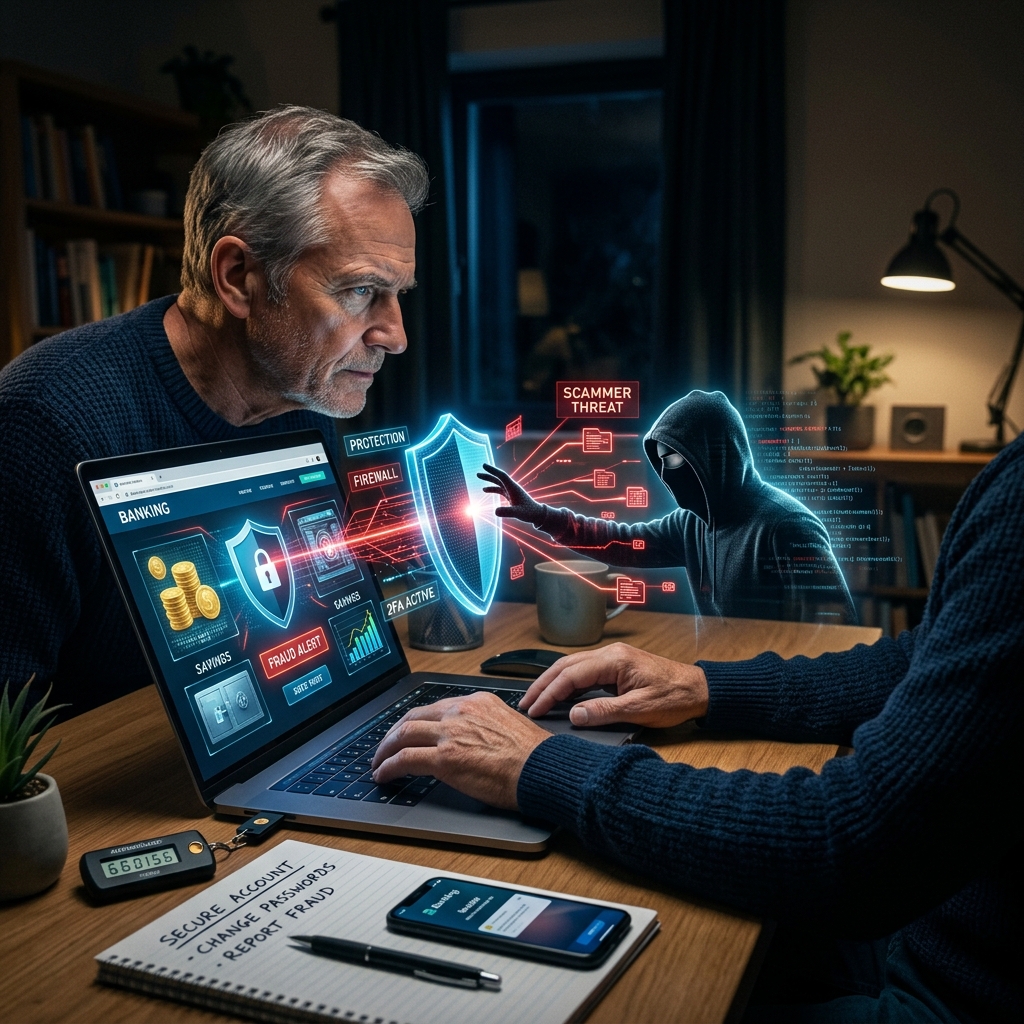
Across the country, people are losing entire life savings to sophisticated scams that often start with a simple phone call, email, or pop-up message. These schemes disproportionately target older adults, but anyone with money in the bank or retirement accounts can be at risk.
This guide explains how modern scammers operate, the stories they use to pressure you into moving money, and practical steps you can take right now to protect yourself and your loved ones. It draws on data and guidance from consumer protection authorities and aging advocates to help you stay one step ahead of fraudsters.
Why Life Savings Are A Prime Target
Retirement accounts, home equity, and long-term savings present an attractive target for scammers. Older adults often have more accumulated assets and may be less familiar with fast-changing digital threats, making them especially vulnerable to high-loss scams.
- Larger account balances: Decades of saving means one successful scam can wipe out hundreds of thousands of dollars.
- Trusted institutions: Many victims assume calls, emails, or texts that appear to come from banks, government agencies, or well-known companies must be legitimate.
- Emotional pressure: Fraudsters exploit fear, urgency, and confusion to push people into hasty decisions before they can verify what’s happening.
Reports to U.S. consumer protection agencies show a growing wave of scams aimed squarely at retirees’ life savings, with losses of $100,000 or more increasingly common.
Core Tactics: How Scammers Create A “False Alarm”
Most large-dollar scams follow a similar pattern: a fake alarm, a believable story, and instructions to move money to “protect” it.
| Step in the scam | What the scammer does | What they want you to feel |
|---|---|---|
| Trigger a false emergency | Unexpected call, text, email, or security pop-up claiming a serious problem with your accounts or identity. | Fear, urgency, and the sense that you must act immediately. |
| Impersonate authority | Pose as bank staff, tech support, law enforcement, or a government agency using official-sounding language and spoofed caller ID. | Trust in the caller and belief that they are helping you. |
| Provide precise instructions | Tell you to move money, change accounts, or buy cryptocurrency or gift cards to “secure” your funds. | Compliance and focus on following their directions instead of questioning the story. |
| Isolate the victim | Insist that you keep the situation secret and not talk to family, friends, or your bank. | Dependence on the scammer as your only source of guidance. |
Common Scam Stories That Target Life Savings
Although details vary, many high-loss scams aimed at older adults use one or more recurring narratives.
1. “Your Accounts Are Being Used By Criminals”
In this scenario, the scammer claims your bank or investment accounts are under attack or being used to commit crimes such as money laundering or fraud.
- You may be told that your funds are at risk of being frozen or seized.
- The caller might say they are working with law enforcement or a government agency.
- They propose a “safe” solution: moving your money to new accounts or special “secure” wallets.
Once you move the money as instructed, it goes directly into accounts controlled by the scammers.
2. “There’s A Serious Problem With Your Computer Or Phone”
Tech support scams often begin with an alarming pop-up or phone call claiming that your device is infected, your data is exposed, or that hackers have accessed your financial accounts.
- You’re asked to give remote access to your device so they can “fix” it.
- They may create fake screens showing fraudulent transfers or supposed security breaches.
- The solution they propose is to move your funds to “safe” accounts or purchase cryptocurrency that they will “hold” for you.
Remote access allows scammers to monitor your online banking, intercept one-time codes, and manipulate what you see on the screen.
3. “We’re From The Government – You Must Act Now”
Government impersonation scams rely on the authority of agencies such as the IRS, Social Security Administration, or Medicare.
- Callers threaten arrest, loss of benefits, or legal action unless you pay immediately.
- They may cite fake case numbers or badge IDs to sound official.
- You are told to pay in unconventional ways: gift cards, wire transfers, cryptocurrency, or cash sent via courier.
Legitimate government agencies do not threaten you or demand payment by gift card, cryptocurrency, or wire transfer, and they will not instruct you to move your money to protect it.
4. “This Trusted Company Needs You To Verify Something”
Business impostor scams mimic banks, credit card companies, retailers, or technology firms.
- Email, texts, or calls appear to come from familiar brands and claim issues with your account or suspicious transactions.
- Links lead to fake login pages designed to capture your credentials.
- Once they have access, scammers move funds, open new lines of credit, or stage larger frauds.
These scams may be combined with phone pressure tactics, urging you to quickly move money while the impostor claims to be “protecting” your account.
Red Flags That Should Stop You Immediately
Knowing the warning signs can help you cut off contact before money leaves your accounts.
- Unexpected contact: A call, text, or email about urgent financial problems that you did not initiate.
- Pressure to act fast: Statements like “If you don’t do this right now, your money will be gone” are a hallmark of scams.
- Instructions to move money: Anyone telling you to transfer, withdraw, or convert funds to cryptocurrency or gift cards to “protect” them is not working in your interest.
- Unusual payment methods: Requests for payment via gift cards, crypto ATMs, wire transfers, or cash pickups.
- Requests for remote access: Pressure to install software or grant remote control of your device so they can “help.”
- Secrecy: A caller telling you not to talk to anyone else, including your bank or family, about what is happening.
Any one of these signs is reason enough to hang up, close your browser, or delete the message and verify the situation directly with your bank or the relevant agency.
Practical Steps To Protect Your Life Savings
Prevention starts with clear rules about how you respond to unexpected financial communications and how your accounts are set up.
1. Make A Personal Rule: Never Move Money To “Protect It”
Consumer protection agencies emphasize one simple rule that can stop many high-loss scams: do not transfer money in response to an unexpected message, no matter who they say they are.
- If someone calls about suspicious activity, hang up and contact your bank using the number on the back of your card or your official statement.
- For alleged government issues, independently look up the agency’s contact information on its official site and call them directly.
- Do not rely on phone numbers or links sent in the suspicious message.
2. Slow Down And Verify Through A Trusted Channel
A false sense of urgency is central to many scams. Taking a pause before acting can make the difference between safety and a major loss.
- Let unknown calls go to voicemail and review messages later.
- If something feels wrong, talk to a trusted friend, family member, or financial advisor before you respond.
- Use known contact methods (printed statements, official websites, or contact information you already have) to verify any alarming claims.
3. Use Technical Tools To Reduce Exposure
Basic digital hygiene and communication controls can prevent many scam attempts from reaching you in the first place.
- Call blocking and filtering: Ask your phone provider about robocall blocking and use built-in call filter settings on smartphones.
- Email filtering: Adjust email settings so messages from unknown senders or those flagged as suspicious are sent to spam.
- Secure passwords: Use a password manager and enable multi-factor authentication (such as codes sent via text or an authentication app) on financial accounts.
- Up-to-date software: Keep operating systems and security software up to date to reduce the risk of malware and fraudulent pop-ups.
4. Build Financial Safeguards With Your Institutions
You can work with banks and other financial institutions to place extra protections on your accounts.
- Ask about setting limits or additional verification steps for large wire transfers or external payments.
- Consider alerts that notify you of large transactions or changes to account settings.
- Explore the option of freezing or restricting certain types of transactions if you do not normally use them.
5. Family Strategies: Protecting Older Loved Ones
Families and caregivers play a critical role in preventing scams that target older adults.
- Discuss common scam tactics: Regularly talk about impostor scams, tech support fraud, and urgent-money requests so they feel familiar, not surprising.
- Create a family password: Agree on a secret word or phrase that must be used whenever someone calls about money, emergencies, or account issues.
- Watch for unusual behavior: Sudden interest in cryptocurrency apps, unexplained trips to wire-transfer locations or crypto ATMs, or secrecy about finances can be early warning signs.
- Encourage second opinions: Make it easy for older relatives to call you before following instructions from anyone about moving money.
If You Think You’ve Been Caught In A Scam
Acting quickly can sometimes limit the damage and improve the chances of recovering funds. If you suspect a scam:
- Contact your bank or financial institution immediately: Ask for the fraud department, report the suspicious transactions, and inquire about possible reversals or holds.
- Protect your credit: Consider placing fraud alerts or credit freezes with major credit bureaus to prevent new accounts from being opened in your name.
- Report fraud: File reports with relevant authorities such as your national fraud reporting center, online crime complaint portals, or identity theft services, depending on your country.
- Secure your devices and accounts: Change passwords, review account activity, and remove any remote access software you did not install yourself.
Older victims may also benefit from specialized elder fraud hotlines or support services that can guide next steps and connect them with local resources.
Frequently Asked Questions (FAQs)
How can I tell if a call from my bank is real?
Genuine bank staff should not pressure you to act immediately, ask you to move money to new accounts to “protect” it, or request full passwords and multi-factor authentication codes over the phone. If you’re unsure, end the call and dial the number printed on your card or statement. If the situation is legitimate, the bank will confirm it.
Are government agencies allowed to demand payment by gift card or cryptocurrency?
No. Consumer protection authorities consistently warn that legitimate government agencies do not request payment through gift cards, cryptocurrency, or private couriers, and they do not instruct you to move your savings to different accounts for safety.
What should I do if a pop-up on my computer says I must call a number about security?
Do not call the number in the pop-up, and do not give remote access to anyone who contacts you because of that message. Close the browser or restart the computer, update your security software, and if you still have concerns, contact your device manufacturer or a trusted local technician using verified contact details.
Is it safer to ignore all unknown calls and messages?
Letting unknown calls go to voicemail and being skeptical of unsolicited messages can significantly reduce your exposure to scams. You can still review messages later and decide whether they merit a response, using independent verification to check their authenticity.
What are the most important rules for older adults to remember?
Three simple rules can prevent many high-loss scams:
- Never move or send money in response to unexpected messages, even if they claim to be protecting your accounts.
- Hang up and verify any alarming story by contacting the organization directly using known contact information.
- Talk to someone you trust before taking action if a caller says the situation is urgent, secret, or criminal.
Building A Long-Term Defense Against Scams
Scammers constantly adjust their methods, but the underlying principles of protection remain consistent: slow down, verify, and refuse to move money on demand. Combining personal rules, technical tools, and family support creates a strong barrier between your life savings and those trying to steal them.
Making these practices part of everyday life—especially for households that include older adults—can reduce the risk of sudden, devastating losses and help ensure that retirement funds and savings are used for the purposes you intended.
References
- False alarm, real scam: how scammers are stealing older adults’ life savings — Federal Trade Commission. 2025-08-01. https://www.ftc.gov/news-events/data-visualizations/data-spotlight/2025/08/false-alarm-real-scam-how-scammers-are-stealing-older-adults-life-savings
- Top 5 Financial Scams Targeting Older Adults and How to Avoid Them — National Council on Aging. 2024-03-15. https://www.ncoa.org/article/top-5-financial-scams-targeting-older-adults/
- Scammers Want to Steal Everyone’s Savings, Especially Seniors. Here’s How to Protect Yourself. — The New York Times (Wirecutter). 2023-11-07. https://www.nytimes.com/wirecutter/reviews/scammers-want-to-steal-everyones-savings-especially-seniors-heres-how-to-protect-yourself/
- Scammed out of life savings – seeking next steps — r/personalfinance (summary of recommended actions referencing official resources). 2024-02-10. https://www.reddit.com/r/personalfinance/comments/1kjx1ay/scammed_out_of_life_savings_seeking_next_steps/
Similar Articles








Read full bio of medha deb




