
Farmland Tax Relief: What To Ask And Steps For Small Landowners
Explore the tax rules and land-use choices that can reduce the cost of owning farmland.
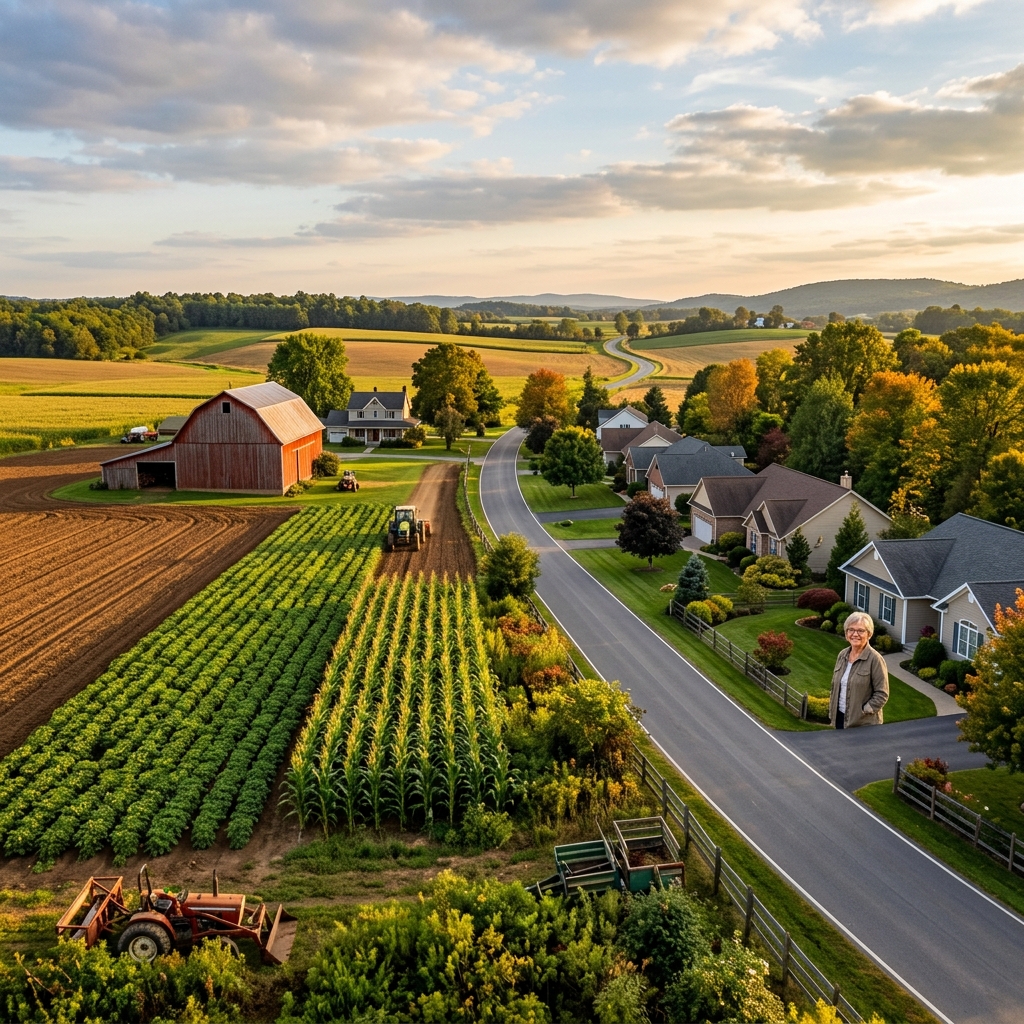
Owning land that is used for agriculture can offer more than food production or open space. In many places, farmland may qualify for a lower property tax bill because tax systems often value productive agricultural use differently from development potential. The savings can be meaningful, but they depend on state rules, local assessment practices, and how the land is actually used.
This guide explains the main ways farmland may reduce property taxes, the requirements landowners usually need to meet, and the planning questions that can make a difference. It also highlights other land-based tax tools that may affect overall costs, including conservation easements and special-use programs.
Why Farmland Is Often Taxed Differently
Property taxes are usually based on assessed value, and assessed value does not always match market value. For farmland, many states use a special valuation approach that focuses on agricultural productivity rather than the land’s highest possible sale price. That distinction matters because land near growing suburbs may be worth far more as potential development property than as working farmland.
When an assessor values land based on its agricultural use, the taxable amount can be lower than it would be under a standard market-based method. The result is a property tax break that helps keep agricultural land in production rather than forcing owners to pay taxes that reflect development demand.
Common Ways Farmland Qualifies for Relief
Different states use different labels for agricultural tax treatment, but the basic idea is similar. Landowners may need to show that the property is actively used for farming, ranching, timber, or another approved agricultural purpose. Some programs also require the land to meet acreage thresholds or generate a minimum amount of farm income.
In many areas, the key question is not simply whether the land looks rural, but whether it is genuinely used as part of a farm business. That usually means the owner must maintain records showing crop production, livestock use, hay cutting, orchards, or other qualifying activity.
What Assessors Usually Look For
Assessors and tax officials generally want proof that the land is being used for agriculture in a meaningful way. They may review the size of the tract, the type of land use, the consistency of production, and whether the operation has a realistic business purpose. A parcel that is used only as a hobby or as a private retreat may not qualify.
Documentation is especially important when the owner wants to keep the agricultural classification over time. A tax office may ask for lease agreements, tax returns, maps, photos, receipts, or written descriptions of the farm operation. Strong records help show that the land is not merely idle open space.
State Programs That Can Reduce the Bill
Many states offer what are commonly called current-use, agricultural-use, or use-value programs. These programs typically allow qualifying land to be taxed according to its farm value rather than its fair market value. Some states also reduce assessments for timberland, pasture, orchards, or land enrolled in active conservation practices.
Because the rules vary, one state may offer broad relief while another may impose tighter limits. Some programs require a commitment to keep the land in agricultural use for a set period, and penalties may apply if the property is converted to nonfarm use too soon.
| Program type | Typical benefit | Common requirement |
|---|---|---|
| Agricultural assessment | Taxed on farm-use value instead of market value | Active agricultural use |
| Current-use program | Lower taxable assessment for qualifying land | Commitment to keep land in approved use |
| Timber or woodland classification | Reduced tax burden for forested property | Qualified forestry management or timber production |
| Conservation-related valuation | Potential reduction in assessed value | Permanent or long-term land-use restrictions |
How Conservation Easements Can Affect Property Taxes
A conservation easement is a legal agreement that limits future development or certain uses of land while the owner often keeps possession of the property. Because those restrictions reduce the land’s market appeal, they can lower the property’s appraised value. In some cases, that lower value may also reduce annual property taxes.
Conservation easements can serve multiple goals at once. They may support land preservation, help with estate planning, and create possible income tax benefits if donated to a qualified organization. For landowners focused on long-term family ownership, the property tax impact can be an important part of the equation.
Still, an easement is not automatically the right answer for everyone. The legal restrictions are permanent or long-lasting, and the landowner should understand the tradeoff between lower taxes and reduced flexibility for future use.
Business Records Matter More Than Many Owners Expect
Tax relief for farmland is usually tied to real agricultural activity. That means owners who want the benefit should keep business records the same way any other operator would. Good records can support both tax classification and any later review by an assessor or state agency.
- Receipts for seed, feed, fertilizer, equipment, and repairs
- Lease agreements for rented farm ground
- Photos of crops, fences, livestock, or irrigation systems
- Maps showing farm boundaries and production areas
- Income statements, sales records, and expense summaries
- Written plans for grazing, crop rotation, or harvest cycles
These records do more than help at tax time. They can also make it easier to demonstrate that the land is part of an operating business rather than a passive holding.
When a Small Farm Still Qualifies
Farmland relief is not limited to large commercial operations. Smaller farms may qualify if they meet the rules in their state. In some places, a modest acreage can still receive preferential assessment if it is actively used and produces qualifying agricultural output.
That said, owners of small parcels should pay attention to the details. Local boards may scrutinize whether the activity is commercial enough, whether the land is contiguous, and whether the operation is genuine rather than ornamental. A few animals or a backyard garden may not be enough on their own.
What Happens If the Land Changes Use
Many tax relief programs are designed to preserve farmland over time, which means the benefit may be temporary if the land is later developed. If the owner converts the property to residential, commercial, or another nonfarm use, the assessor may remove the agricultural classification. That change can increase property taxes substantially.
Some states also impose rollback taxes or recapture rules. Those rules may require the owner to pay back part of the tax savings received during earlier years if the land no longer qualifies. The financial risk makes planning especially important before selling, subdividing, or redeveloping a farm property.
Questions to Ask Before Applying
Before seeking farmland tax relief, it helps to understand exactly how the local program works. A landowner can avoid mistakes by asking the right questions early.
- Does my state use agricultural use value, current use, or another classification?
- Is there a minimum acreage or income requirement?
- What proof do assessors want to see each year?
- Will a lease to a tenant farmer still qualify?
- Are rollback taxes triggered if the land is sold or developed?
- Can conservation restrictions further reduce the assessment?
These questions are important because farmland tax relief is rarely automatic. Many owners have to apply, renew, or report changes in use before the benefit will continue.
How Farmland Tax Relief Fits Into a Bigger Strategy
Property tax savings are only one part of managing land ownership costs. The best strategy often combines classification relief, recordkeeping, estate planning, and long-term land-use goals. For example, a family that wants to preserve the farm may use a current-use program now and later evaluate whether a conservation easement would better support succession planning.
Landowners who also generate timber income, rent acreage, or receive crop revenue may have additional tax issues beyond property taxes. In those situations, the agricultural property tax question should be considered alongside income tax, estate tax, and legal restrictions on land use.
Frequently Asked Questions
Does every farm automatically get a lower property tax bill?
No. The land usually has to meet specific state or local rules, and the owner may need to apply or provide proof of agricultural use.
Can leased farmland qualify?
Often yes, if the tenant’s use meets the program requirements and the land is still being used for an approved agricultural purpose.
Do conservation easements always reduce property taxes?
Not always, but they can lower assessed value if the restrictions reduce the land’s market value under local tax rules.
What if my farm is very small?
Small parcels may still qualify in some jurisdictions, but the land usually must be used in a real agricultural operation rather than as a hobby property.
Can I lose the benefit later?
Yes. If the land stops qualifying or is converted to another use, the tax savings may end and rollback taxes may apply in some states.
Practical Steps for Landowners
Landowners who want to reduce property taxes should start by checking the local assessor’s rules and the state’s agricultural classification standards. They should then gather documents that prove the farm is active, accurate, and commercially grounded. If the property may be preserved long term, they can also compare current-use relief with conservation tools and succession planning options.
Because the rules are highly location-specific, a tax professional, farm adviser, or land-use attorney can help identify the most effective path. The right approach can preserve cash flow, reduce annual carrying costs, and support the long-term value of the property.
References
- Tax Deductions — Texas A&M University. 2024-01-01. https://valuewetlands.tamu.edu/land-use-goals-and-resources/tax-deductions/
- Strategies for Using Conservation Easements in Tax and Estate Planning — LandCAN. 2024-01-01. https://www.landcan.org/article/Strategies-for-Using-Conservation-Easements-in-Tax-and-Estate-Planning/124
- Consider the tax advantages small farms might provide — Chubb. 2024-01-01. https://www.chubb.com/us-en/individuals-families/resources/consider-the-tax-advantages-small-farms-might-provide.html
- 5 Tips for Tax Savings — The WoodsCamp Blog. 2024-01-01. https://info.woodscamp.com/blog/5-tips-for-tax-savings
- 3 Tax Strategies Landowners Should Know — National Land Realty. 2024-01-01. https://www.nationalland.com/blog/3-tax-strategies-for-landowners/
Similar Articles








Read full bio of medha deb




