How Courts Are Evolving with Technology
From paper files to digital hearings: how courts are modernizing with technology.
From Paper to Pixels: The Quiet Revolution in Courtrooms
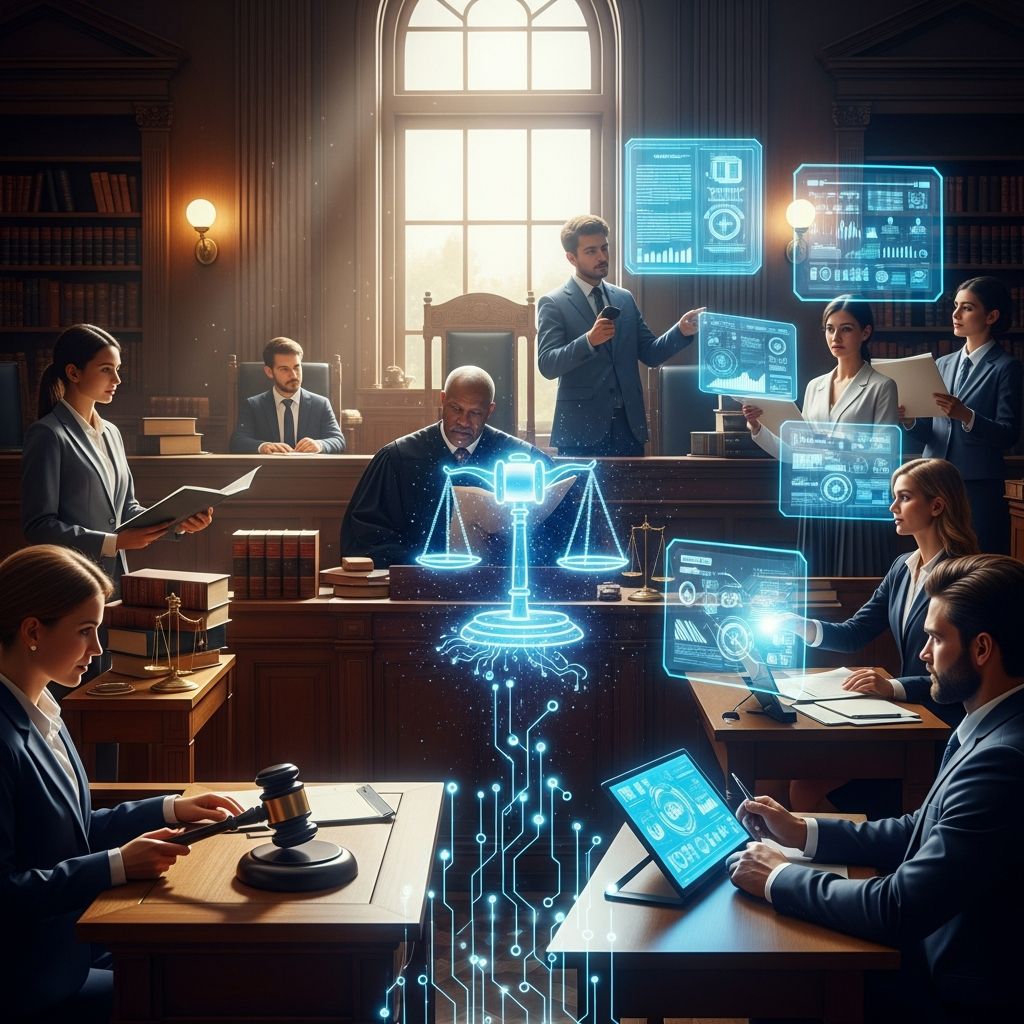
For centuries, justice was delivered in rooms filled with paper files, handwritten notes, and spoken arguments recorded by hand or tape. Today, that image is rapidly changing. Courts around the world are adopting digital tools that reshape how cases are filed, how hearings are conducted, and how records are preserved. This shift is not just about convenience—it’s about making justice more accessible, efficient, and transparent for everyone involved.
The Slow but Steady Shift to Digital
The move toward digital court systems didn’t happen overnight. It began with small, practical changes: word processors replacing typewriters, email replacing internal memos, and databases replacing handwritten dockets. Over time, these incremental upgrades laid the foundation for more ambitious transformations.
One of the earliest and most impactful changes was the introduction of electronic case management systems. These platforms allow courts to track case status, deadlines, and documents in real time. Judges, clerks, attorneys, and sometimes even the public can view case information without needing to visit the courthouse in person. This reduces delays, prevents lost files, and makes it easier to manage large caseloads.
Digital filing systems followed closely behind. Instead of printing, signing, and physically delivering documents, lawyers can now file pleadings, motions, and evidence online. This not only saves time and postage but also ensures that documents are timestamped, version-controlled, and immediately available to all authorized parties.
Recording the Record: Audio, Video, and Beyond
Accurate recording of court proceedings has always been essential. In the past, this relied on stenographers or analog tape recorders. While skilled court reporters remain vital, many courts now use digital audio and video recording systems as a primary or backup method.
Modern digital recording systems offer several advantages:
- High-quality, searchable audio and video of every hearing
- Secure storage with access controls and audit trails
- Integration with case management systems for easy retrieval
- Ability to stream or share recordings with remote participants
Some systems now include synchronized transcripts, where spoken words appear in real time alongside the video. This helps judges, attorneys, and self-represented litigants follow complex arguments more easily. It also supports accessibility, such as providing real-time captions for people who are deaf or hard of hearing.
Remote and Hybrid Hearings: A New Normal
The global pandemic accelerated a trend that was already underway: the use of remote hearings. Courts that once required in-person appearances began using video conferencing platforms to conduct arraignments, bail hearings, status conferences, and even some trials.
Remote hearings offer clear benefits:
- Reduced travel time and costs for parties, attorneys, and witnesses
- Greater access for people in rural or underserved areas
- Fewer delays due to transportation issues or scheduling conflicts
- Continuity of justice during emergencies or public health crises
However, they also present challenges:
- Ensuring reliable internet access for all participants
- Maintaining courtroom decorum and security in a virtual setting
- Protecting privacy and confidentiality in online proceedings
- Addressing the digital divide that may disadvantage some litigants
As a result, many courts are adopting a hybrid model, where some participants appear in person while others join remotely. This approach balances flexibility with the need for formal courtroom procedures and in-person interactions when necessary.
Artificial Intelligence: A Tool, Not a Judge
Artificial intelligence is beginning to play a role in court operations, though not in the way some might expect. AI is not replacing judges or making final decisions, but it is being used to support court staff and improve efficiency.
Examples of AI in courts include:
- Automated transcription of audio recordings into text
- Speaker identification to distinguish between judges, attorneys, witnesses, and defendants
- Document analysis to extract key facts, dates, and legal references from filings
- Case prediction tools that help courts estimate case duration and resource needs
These tools can reduce the time and cost of producing transcripts, improve the accuracy of records, and help courts manage their workloads more effectively. However, they also raise important questions about accuracy, bias, transparency, and oversight. Courts must ensure that AI systems are reliable, explainable, and subject to human review, especially when they are used in high-stakes legal decisions.
Visual Evidence and Presentation Tools
Modern courtrooms are increasingly equipped with tools for presenting visual evidence. Instead of passing around physical documents or photographs, attorneys can display digital exhibits on screens visible to the judge, jury, and courtroom.
Common tools include:
- Document cameras and projectors
- Interactive whiteboards and touchscreens
- Video playback systems for surveillance footage, depositions, and expert testimony
- 3D models and animations for complex evidence (e.g., accident reconstructions, medical procedures)
These tools can make evidence easier to understand, especially for juries and non-expert audiences. They also allow for more dynamic and engaging presentations, which can improve the clarity of arguments and the overall quality of decision-making.
Security, Privacy, and Trust in Digital Courts
As courts rely more on digital systems, protecting sensitive information becomes even more critical. Court records often contain personal details, financial information, and confidential communications that must be safeguarded.
Key security and privacy considerations include:
- Strong authentication and access controls for court staff and authorized users
- Encryption of data in transit and at rest
- Regular security audits and vulnerability testing
- Clear policies on data retention, sharing, and public access
Courts must also be transparent about how technology is used. Litigants should understand when recordings are made, how data is stored, and what rights they have to access or correct information. Building public trust in digital court systems is essential for maintaining confidence in the justice system as a whole.
Access to Justice in the Digital Age
One of the most important goals of court technology is to improve access to justice. For many people, especially those without lawyers or living in remote areas, the traditional court process can be intimidating, confusing, and expensive.
Digital tools can help by:
- Providing online self-help resources and guided forms for common legal issues
- Offering virtual help desks or chatbots to answer basic questions
- Enabling remote participation in hearings and mediation
- Reducing delays and backlogs that keep people waiting for resolution
However, technology alone is not a cure-all. Courts must also address the digital divide by providing public access terminals, offering technical support, and ensuring that digital services are usable by people with disabilities and limited digital literacy.
What’s Next for Court Technology?
The evolution of court technology is far from complete. Looking ahead, several trends are likely to shape the future of courts:
- Greater integration: Court systems will become more interconnected, with case management, recording, filing, and scheduling tools working together seamlessly.
- More intelligent tools: AI and machine learning will continue to support transcription, document analysis, and workload forecasting, but with stronger safeguards and oversight.
- Expanded remote access: Hybrid and fully remote hearings will become more common, especially for routine matters, while in-person proceedings remain for complex trials and sensitive cases.
- Enhanced accessibility: Courts will invest in tools that support people with disabilities, non-native language speakers, and those with limited education or digital skills.
- Stronger security and transparency: As digital systems become more central, courts will prioritize robust cybersecurity, clear data policies, and public accountability.
Challenges and Trade-Offs
While technology offers many benefits, it also introduces new challenges that courts must navigate carefully:
- Cost and funding: Upgrading court technology requires significant investment in hardware, software, training, and ongoing maintenance. Many courts operate on tight budgets, making it difficult to keep pace with rapid technological change.
- Training and change management: Judges, court staff, and attorneys need training to use new tools effectively. Resistance to change and lack of technical skills can slow adoption.
- Equity and inclusion: Not everyone has equal access to devices, internet, or digital literacy. Courts must design systems that do not disadvantage vulnerable populations.
- Legal and ethical questions: Issues such as the admissibility of digital evidence, the role of AI in decision-making, and the right to a fair trial in a digital environment will continue to be debated and refined through case law and policy.
Best Practices for Modern Courts
As courts continue to modernize, several best practices can help ensure that technology serves the goals of justice:
- Involve judges, court staff, attorneys, and the public in technology planning and design.
- Start with clear goals: improving access, reducing delays, enhancing accuracy, or increasing transparency.
- Choose systems that are interoperable, scalable, and secure.
- Provide ongoing training and support for all users.
- Regularly evaluate the impact of technology on efficiency, fairness, and user satisfaction.
- Be transparent about how technology is used and how decisions are made.
FAQs: Technology in Courts
Can I file court documents online?
In many jurisdictions, yes. Most federal and many state courts now offer electronic filing systems that allow attorneys and sometimes self-represented litigants to submit documents online. Check your local court’s website for specific rules and procedures.
Are remote hearings as fair as in-person hearings?
Remote hearings can be fair when properly conducted, but they are not suitable for all cases. Courts must ensure that participants have reliable technology, understand the process, and can fully participate. In-person hearings remain important for complex trials, jury selection, and cases involving serious rights.
Who has access to court recordings and transcripts?
Access to recordings and transcripts is typically governed by court rules and privacy laws. Judges, attorneys, and parties to a case usually have access, while the public may be able to obtain recordings or transcripts under certain conditions, such as through a formal request or for media coverage.
Is AI being used to decide cases?
No, AI is not used to make final legal decisions. It is used as a support tool—for example, to transcribe audio, identify speakers, or analyze documents. All final decisions are made by judges or juries, not by machines.
How are courts protecting my personal information?
Courts use a combination of technical and policy measures to protect personal information, including encryption, access controls, and data retention policies. If you have concerns about privacy, you can ask the court clerk or consult local rules on public access to records.
What if I don’t have a computer or internet access?
Courts are increasingly aware of the digital divide. Many offer public access terminals, phone-based services, or in-person assistance. If you lack technology, contact the court directly to discuss your options and request accommodations.
References
- Making the Record: Utilizing Digital Electronic Recording — National Center for State Courts. 2013. https://www.ncsc.org
- How Courts Embraced Technology, Met the Pandemic Challenge, and Revolutionized Their Operations — Pew Charitable Trusts. 2021. https://www.pew.org/en/research-and-analysis/reports/2021/12/how-courts-embraced-technology-met-the-pandemic-challenge-and-revolutionized-their-operations
- Technology and Prosecution – The Evolving Courtroom — AEquitas. 2024. https://aequitasresource.org/wp-content/uploads/2024/07/20240314-Technology-and-Prosecution-The-Evolving-Courtroom-PCE.pdf
Similar Articles







Read full bio of Sneha Tete