
How Car Repossession Works Under the Law
Understand the legal process, borrower rights, and practical options when a lender takes back a vehicle.
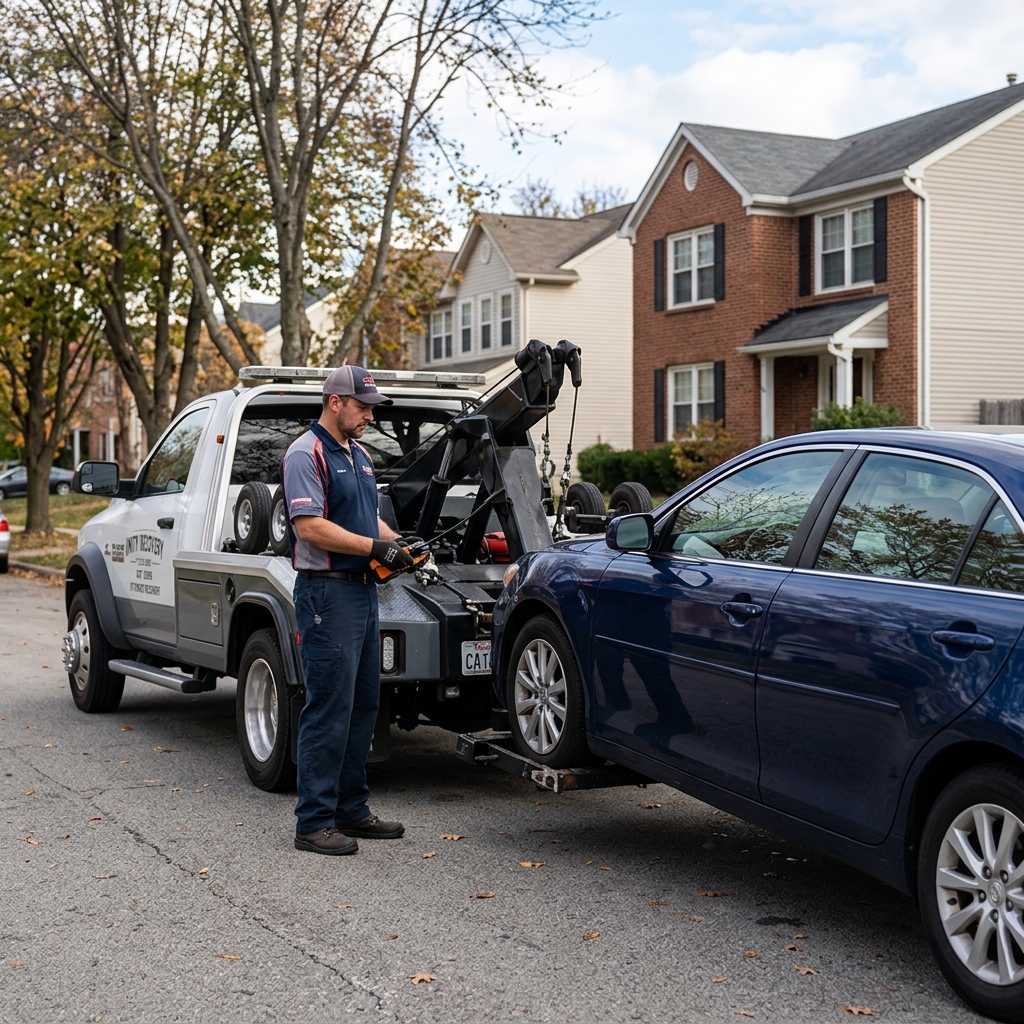
Car repossession is what happens when a lender takes back a vehicle after the borrower fails to follow the loan agreement. In many cases, the process can begin soon after default, and it may happen without a court order if the contract and state law allow it. The rules are strict, however, and lenders still have to follow legal limits when they recover, store, and sell the car.
For consumers, the key issues are timing, notice, personal property, and possible ways to recover the vehicle or limit the financial damage. Understanding those basics can make the difference between a manageable setback and a long-term credit problem.
When a lender may have the right to take the car
The starting point is the loan contract. Auto loans usually give the lender a security interest in the vehicle, which means the car serves as collateral. If the borrower misses payments or violates another important term of the agreement, the lender may treat the account as being in default and move toward repossession.
Default does not always mean one missed payment. In many situations, lenders wait until an account is seriously delinquent, but the exact trigger depends on the contract and state law. Some lenders will work with a borrower who contacts them early, but once default occurs, the lender may have the legal right to act quickly.
- Missing payments can place the account in default.
- Other contract breaches may also trigger repossession.
- Some lenders offer short-term repayment changes if the borrower acts early.
How the repossession process usually begins
Repossession often happens outside of court. In many states, a lender or hired repossession agent can take the vehicle from a public place or from private property as long as the taking does not involve a breach of the peace. That legal phrase matters because the repossessor cannot use force, break into a locked garage, or create a confrontation that would violate the law.
When a repossession is lawful, it is commonly quiet and fast. Borrowers may discover the loss only after the vehicle is already gone. That is why the period before repossession is often the best time to try to fix the problem, contact the lender, or ask for a temporary solution.
| Issue | General rule |
|---|---|
| Need for court order | Often not required for an auto repossession |
| Notice before seizure | May not be required before the taking, depending on state law and contract terms |
| Use of force | Not allowed if it causes a breach of the peace |
| Private property | Entry restrictions may apply, especially for garages or locked areas |
What happens right after the vehicle is taken
After repossession, the lender usually stores the vehicle and sends notices explaining what will happen next. Those notices may describe the borrower’s right to recover the car, the amount needed to redeem it, and the plan for sale or disposal. The lender may also provide information about the borrower’s remaining obligations.
This stage is important because it is often the borrower’s last clear chance to act before the vehicle is sold. Once the car is sold, the options become narrower and more expensive. Borrowers should also make sure they retrieve any personal items left inside the vehicle, since the lender generally has no right to keep personal property that is not part of the collateral.
- Expect written notices after repossession.
- Act quickly if you want to get the car back.
- Ask about personal property left in the vehicle.
Options for getting the car back
Depending on the loan terms and state law, a borrower may have one or more ways to recover the vehicle. The two most common are reinstatement and redemption. They sound similar, but they are different in practice and cost.
Reinstatement usually means bringing the loan current by paying the overdue amount plus repossession-related fees. If the lender accepts reinstatement, the borrower can resume the loan as though the default had been cured. This option is often less expensive than paying the whole balance, but it is not available everywhere.
Redemption is more expensive. It generally requires paying the entire remaining debt, along with repossession expenses and sometimes other related charges. Redemption may be available until the vehicle is sold, but the deadline can be short.
| Option | Typical cost | Effect |
|---|---|---|
| Reinstatement | Past-due payments plus fees | Loan becomes current again |
| Redemption | Full remaining balance plus fees | Borrower regains ownership or right to keep the vehicle |
| Repurchase at sale | Bid price at auction or sale price | Borrower competes with other buyers |
What the lender must do before selling the car
After repossession, the lender cannot simply keep the vehicle forever without following additional legal steps. In many jurisdictions, the lender must give notice and dispose of the car in a commercially reasonable manner. That means the sale process should be fair, regular, and designed to get a reasonable price under the circumstances.
If the lender keeps the vehicle instead of selling it, the borrower may have a right to demand a sale within a specific period. Some states also place time limits on when the lender must sell or otherwise dispose of the car. These rules help prevent lenders from holding vehicles indefinitely or selling them in ways that unfairly increase the borrower’s debt.
- The lender usually must provide notice before sale.
- Sales generally must be commercially reasonable.
- Some states give the borrower a right to insist on a sale.
Why the sale price matters so much
The sale price matters because it affects whether the borrower still owes money after the vehicle is gone. Repossessed cars are often sold for less than the outstanding loan balance. If the sale proceeds do not cover the debt, fees, and allowed costs, the borrower may be left with a deficiency balance.
A deficiency can be significant. For example, a borrower may owe more on a loan than the car is worth, especially if the loan is new, the vehicle depreciated quickly, or payments were missed near the beginning of the loan term. When the vehicle sells for less than expected, the leftover amount can become a separate debt the lender tries to collect.
Deficiency balances and what lenders may pursue
After a repossession sale, the lender may seek payment of the deficiency balance if state law and the contract allow it. Some lenders file a lawsuit to collect the remaining amount. If they win, they may obtain a deficiency judgment, which can lead to additional collection activity.
Borrowers are not powerless, though. A lender that fails to follow required notice rules or sells the vehicle in an unreasonable way may lose the right to collect some or all of the deficiency. In other words, repossession does not automatically mean the lender can recover every unpaid dollar. The process still has to comply with consumer protection rules.
How to respond before repossession happens
The best time to act is before the car disappears from the driveway or parking lot. Lenders are often more willing to discuss options when a borrower reaches out early. That conversation may lead to a short extension, a modified payment schedule, or another temporary arrangement.
If a borrower expects to miss a payment, it helps to contact the lender before the deadline, explain the problem honestly, and ask whether there is a written alternative. Getting any change in writing is important because oral promises are harder to prove later.
- Contact the lender as soon as trouble starts.
- Ask whether a payment extension is possible.
- Request written confirmation of any new agreement.
What to do if the repossession seems wrongful
Sometimes a repossession happens because of a mistake, a servicing error, or a violation of state law. If that occurs, the borrower should act quickly. Start by gathering documents, including the loan agreement, payment records, notices, and any messages exchanged with the lender.
If the car was taken wrongfully, possible remedies may include returning the vehicle, disputing the deficiency, or seeking damages. The available remedy depends on the facts and the law in the relevant state. Because repossession cases can move fast, legal help is often valuable.
| Possible problem | Potential consequence |
|---|---|
| No required notice | Borrower may challenge the repossession or sale |
| Unreasonable sale | Deficiency may be reduced or eliminated |
| Wrong account charged off | Borrower may dispute the default |
| Improper conduct by repossessor | Borrower may have claims for damages |
How repossession affects credit and finances
A repossession can damage credit because it signals serious payment trouble on a secured loan. The repossession, any late payments that came before it, and a deficiency collection account can all appear on credit reports and make future borrowing harder. In practical terms, it may affect the borrower’s ability to finance another car, rent an apartment, or qualify for lower-cost credit.
That financial impact is one reason it can be useful to act before repossession if possible. Even a short delay that allows the borrower to catch up, refinance, sell the vehicle voluntarily, or reduce the balance can sometimes limit the damage.
Frequently asked questions
Can a lender take my car without warning? In many states, yes, once the loan is in default, as long as the repossession follows the law and does not involve a breach of the peace.
Can I get my belongings out of the vehicle? Usually yes. Personal property is not the same as the car itself, and lenders generally must allow you to recover it.
Do I still owe money after the car is repossessed? Often yes. If the sale of the vehicle does not cover the debt and allowed costs, the lender may try to collect a deficiency balance.
Can I get the car back? Sometimes. You may be able to reinstate the loan or redeem the vehicle, but the deadline and price depend on the law and the loan documents.
What if I think the repossession was illegal? Gather your records, review your state rules, and consider speaking with a lawyer or consumer protection agency quickly.
Practical steps to take after repossession
Once the car is gone, time matters. Borrowers should contact the lender immediately to ask about the amount needed to recover the vehicle, the deadline for action, and the procedure for getting personal items. They should also keep copies of every notice, invoice, and communication.
If the borrower cannot recover the car, the next priority is understanding the deficiency risk and checking whether the lender’s sale process was lawful. In some cases, a consumer law attorney can review the file and identify defenses or negotiation opportunities that are not obvious at first glance.
- Request the payoff and redemption amount in writing.
- Collect all notices and payment records.
- Ask how to recover personal property.
- Review whether the sale was proper.
References
- Vehicle Repossession — Federal Trade Commission. 2025-01-01. https://consumer.ftc.gov/articles/vehicle-repossession
- How to Protect Yourself: Automobile Repossession — My Florida Legal. 2025-01-01. https://www.myfloridalegal.com/consumer-protection/how-to-protect-yourself-automobile-repossession
- Vehicle repossession — Washington Law Help. 2025-01-01. https://www.washingtonlawhelp.org/en/vehicle-repossession
- What Is the Car Repossession Process? — American Bankruptcy Institute. 2025-01-01. https://www.abi.org/feed-item/what-is-the-car-repossession-process
- Vehicle Repossession — Georgia Department of Banking and Finance. 2025-01-01. https://dbf.georgia.gov/vehicle-repossession
Similar Articles








Read full bio of Sneha Tete




