
How Bitcoin ATM Scams Work And How To Avoid Them
Learn how scammers misuse Bitcoin ATMs to move your cash into crypto wallets they control, and how to stop them before it happens.
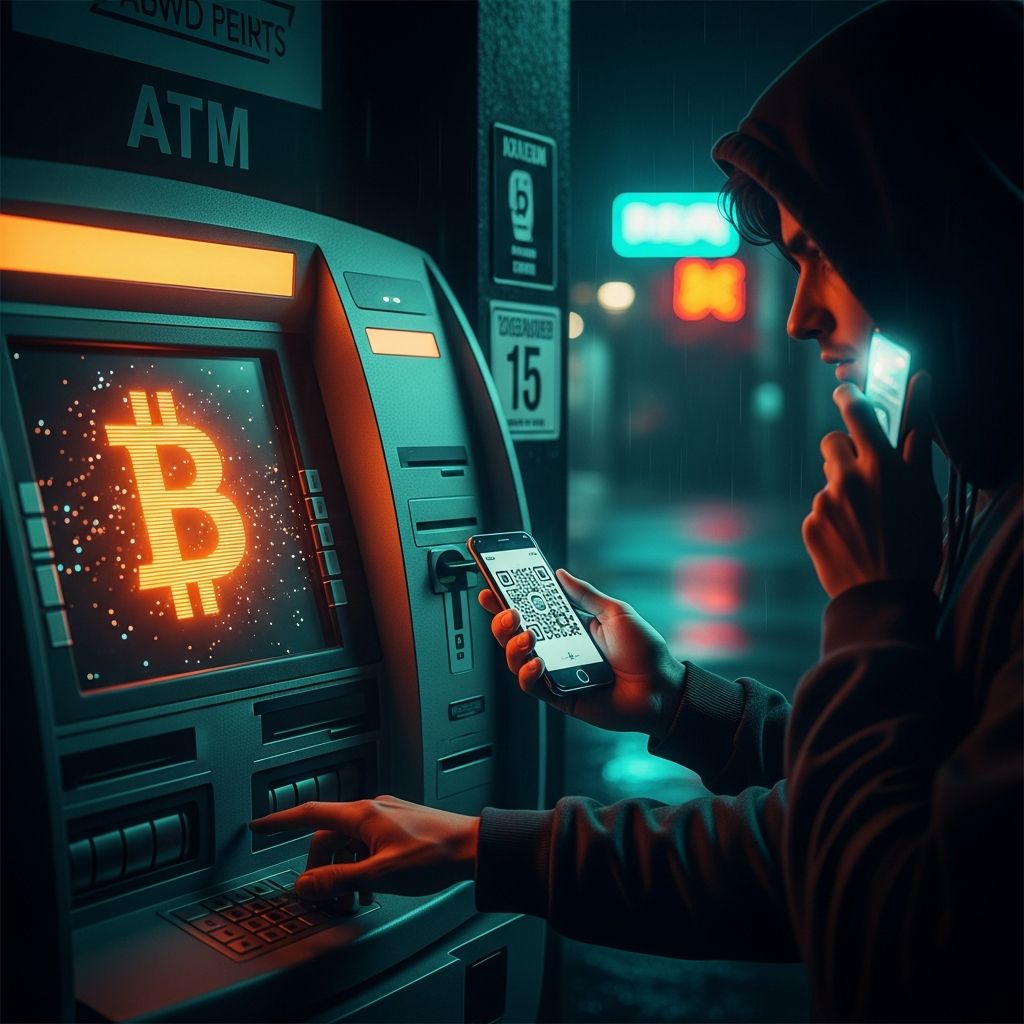
Bitcoin ATMs, sometimes called BTMs or crypto kiosks, are popping up in grocery stores, gas stations, and convenience shops across the country. They make it easy to buy cryptocurrency with cash, but scammers are increasingly hijacking these machines as a fast, hard-to-reverse way to steal your money. Understanding how these schemes work is the first step to stopping them.
What Is a Bitcoin ATM and Why Scammers Love It
A Bitcoin ATM is a kiosk that lets you insert cash or sometimes use a debit card to purchase cryptocurrency, like Bitcoin, and send it to a digital wallet. Unlike traditional bank ATMs, most Bitcoin ATMs are not connected to your bank account and do not let you withdraw paper money.
Scammers target these machines because:
- Transactions are fast and final: Once crypto is sent, it usually cannot be cancelled or reversed.
- Funds move directly into the scammer’s wallet: Money is instantly converted from cash to cryptocurrency that they control.
- Victims act under pressure: Criminals create fear or urgency so people follow instructions without stopping to ask questions.
- Regulation is evolving: Consumer protections for crypto are generally weaker and less familiar than those for banks and credit cards.
The Typical Bitcoin ATM Scam Playbook
Although the details change, most Bitcoin ATM scams share a similar pattern. Here is a simplified overview of how they usually unfold:
| Stage | What the Scammer Does | What They Want You to Believe |
|---|---|---|
| 1. First Contact | Calls, texts, emails, or messages you out of the blue. | They are from a trusted company, government office, or someone you care about. |
| 2. Fake Problem or Opportunity | Claims there is a crisis, debt, security issue, or an amazing opportunity. | Your money is at risk or you will miss out unless you act now. |
| 3. Pressure and Isolation | Demands secrecy and tells you not to talk to anyone. | Only they can help; everyone else will “ruin” the solution. |
| 4. Cash Withdrawal | Instructs you to withdraw large amounts of cash from your bank or retirement account. | You are “protecting” or “verifying” your money. |
| 5. Trip to a Bitcoin ATM | Directs you to a specific store or kiosk that has a Bitcoin ATM and stays on the phone. | This is a secure way to move or hold funds. |
| 6. QR Code or Wallet Address | Sends you a QR code or a string of letters and numbers (a wallet address) to scan or type in. | You are sending funds to a safe account in your name. |
| 7. Irreversible Transfer | You feed in cash, buy crypto, and send it to the wallet linked to their QR code. | You have solved the problem or completed the required payment. |
By the time you realize what happened, the transaction is on the blockchain and the money is usually gone for good.
Common Stories Scammers Use to Push You to a Bitcoin ATM
Fraudsters adjust their stories to match the news cycle and current technology, but many schemes fall into a few familiar categories.
1. Fake Bank or Account Security Alerts
In this scenario, the scammer claims to be from your bank, a payment app, or a big retailer. They say there is suspicious activity or a security breach tied to your account, and the only way to keep your money “safe” is to move it into a special wallet using a Bitcoin ATM.
Red flags include:
- Demands you withdraw cash the same day.
- Instructions to lie to bank staff about the reason for the withdrawal.
- Claims that your money must be moved into Bitcoin “temporarily” for protection.
2. Imposter Government or Law Enforcement Calls
Here, the caller pretends to be from a government agency, tax authority, police department, or court. They might say your identity was used in a crime, you owe fines, or you missed a jury summons and now face arrest.
They push you to:
- Pay “fees,” “bail,” or “penalties” immediately using a Bitcoin ATM.
- Keep the conversation secret and stay on the line while you travel and deposit funds.
- Ignore any warnings on the kiosk screen that mention scams or non-refundable payments.
3. Tech Support and Remote Access Scams
In these scams, criminals pose as tech support staff from well-known companies. They may contact you about alleged viruses, hacked accounts, or compromised devices. Sometimes they convince you to grant remote access to your computer so they can “fix” a problem or “secure” your funds.
Eventually, they insist that you:
- Move money from your bank or investment accounts into crypto.
- Use a Bitcoin ATM to buy Bitcoin and send it to a wallet they control.
- Act quickly or risk losing everything to supposed “hackers.”
4. Romance, Family Emergency, and Other Emotional Scams
Scammers often exploit emotions. A new online romantic interest, a fake relative, or someone claiming a friend is in urgent trouble might ask you for help. They may say they are stuck overseas, facing a medical emergency, or dealing with legal problems.
Warning signs include:
- Insistence on payment via Bitcoin ATM or other crypto methods.
- Stories that cannot be confirmed with other people or independent sources.
- Demands for secrecy and complaints when you hesitate or want to speak to others.
Why Bitcoin ATM Payments Are So Hard to Recover
When you deposit cash into a Bitcoin ATM and send cryptocurrency to a wallet, several things happen that make recovery extremely difficult:
- Blockchain confirmations: Transactions are recorded on a public blockchain ledger that is designed to be permanent and tamper-resistant.
- No built-in chargeback system: Unlike credit cards or many bank transfers, there is usually no mechanism to reverse a crypto transfer simply because it was made under false pretenses.
- Cross-border movement: Once the scammer has crypto, they can quickly move it through other wallets or exchanges, often across borders and jurisdictions.
Law enforcement and regulators are working to better track and disrupt these schemes, but they consistently warn that prevention is far more effective than trying to get the money back later.
Key Red Flags: When a Bitcoin ATM Is Part of a Scam
Certain phrases and behaviors should immediately trigger suspicion. If you notice any of the following, stop and do not send money:
- Someone you do not know well tells you to go to a specific store or kiosk with a Bitcoin ATM.
- They say you must withdraw cash from a bank, retirement, or investment account for “security” reasons.
- You are told to keep the transaction secret from your bank, friends, or family.
- The caller wants to stay on the phone the whole time while you travel and deposit money.
- You are asked to scan a QR code they sent you at the Bitcoin ATM.
- The kiosk screen displays fraud or scam warnings, and the caller tells you to ignore them.
Practical Steps to Protect Yourself and Others
You do not need to be an expert in cryptocurrency to protect yourself. These simple rules dramatically reduce your risk:
- Never pay anyone who demands Bitcoin ATM payments. Legitimate businesses, government agencies, and banks do not require you to pay fees, fines, or taxes through a Bitcoin ATM.
- Hang up on pressure and threats. If someone scares you with claims of arrest, lawsuits, or frozen accounts and then directs you to a crypto kiosk, it is nearly always a scam.
- Call back using official numbers. Use the number on the back of your card or from an official website, not the one that contacted you. Confirm any problem directly with the organization they claim to represent.
- Talk to someone you trust before sending money. Scammers use isolation to control you. A quick conversation with a friend, family member, or your bank can break the spell.
- Read all on-screen warnings. Many crypto ATMs now display messages about fraud and non-refundable transactions. If the machine warns you about scams, believe it and stop.
If You Already Sent Money Through a Bitcoin ATM
If you realize you have been tricked into using a Bitcoin ATM, act immediately. While recovery is often difficult, fast action can still help you and may prevent further harm to others.
- Contact your bank or credit union right away if the scam involved moving funds from your accounts. They may be able to secure remaining funds or watch for additional fraud.
- Notify the Bitcoin ATM operator using the contact details shown on the kiosk or the receipt. Some operators can pause or flag suspicious activity, even if they cannot reverse a transaction.
- Report the scam to federal and state authorities. Reports help investigators spot trends and take enforcement actions against bad actors.
- Preserve all evidence, including texts, emails, call logs, screenshots, and receipts. This information can support investigations and any future claims.
Helping Older Adults and Other High-Risk Targets
Data from consumer protection agencies and law enforcement shows that older adults and people who are less familiar with cryptocurrency are frequent targets of these schemes.
You can help by:
- Discussing common scam tactics with parents, grandparents, and neighbors.
- Explaining that no government office, bank, or utility will ever insist on Bitcoin ATM payments.
- Encouraging them to call you if they ever receive a scary call or message about their money.
- Checking in if you notice unusual bank withdrawals or rushed trips to unfamiliar stores.
Frequently Asked Questions (FAQs)
Are Bitcoin ATMs themselves illegal or unsafe?
No. Bitcoin ATMs are legal in many places and are used by legitimate customers to purchase cryptocurrency. The risk comes from how scammers misuse them to collect payments that are hard to reverse.
What if I really do want to buy cryptocurrency using a Bitcoin ATM?
If you choose to buy crypto, do it at your own pace and for your own reasons, not because a stranger pressured you. Carefully read any fee disclosures, confirm the wallet address belongs to you, and never scan a QR code or use a wallet address provided by someone you do not fully trust.
Can law enforcement get my money back after a Bitcoin ATM scam?
In most cases, recovering funds sent through a Bitcoin ATM is very difficult because of the nature of blockchain transactions and how quickly scammers move the funds. However, reporting is still important because it can support investigations, future prosecutions, and broader prevention efforts.
How can I spot a fake call or message about my accounts?
Be cautious of any unexpected message claiming urgent problems, especially if it asks you to keep secrets or pay in unusual ways like gift cards, wire transfers, or Bitcoin ATMs. When in doubt, hang up and call the organization directly using a verified phone number.
Is paying by Bitcoin ATM ever required by a legitimate organization?
No. No government agency, court, law enforcement office, or reputable company will insist that you pay using a Bitcoin ATM. If someone demands this method of payment, it is a strong sign of a scam.
References
- Scammers use Bitcoin ATMs to steal your money — Federal Trade Commission. 2024-09-19. https://consumer.ftc.gov/consumer-alerts/2024/09/scammers-use-bitcoin-atms-steal-your-money
- Crypto ATM Scams: Don’t Let Fraudsters Drain Your Wallet — California Department of Financial Protection and Innovation. 2024-03-15. https://dfpi.ca.gov/consumers/crypto/crypto-atm-scams/
- How Cryptocurrency ATM Scams Work — Synovus Financial Corp. 2024-06-10. https://www.synovus.com/personal/resource-center/fraud-prevention-and-security-hub/fraud-hub-education-and-prevention/latest-fraud-trends/how-cryptocurrency-atm-scams-work/
- Crypto kiosk scam alert — Connecticut Department of Banking et al. 2023-11-03. https://portal.ct.gov/-/media/DOB/Consumer/Joint-Consumer-Alert—Virtual-Currency-Kiosk.pdf
- Bitcoin ATM Scam — The Citizens Bank Company (referencing FTC guidance). 2024-01-05. https://www.tcbsc.bank/resources/bitcoin-atm-scam
- Bitcoin ATM Scams 101: How they work, the legal landscape, how the industry is fighting back — ATM Marketplace. 2025-01-20. https://www.atmmarketplace.com/articles/bitcoin-atm-scams-101-how-they-work-the-legal-landscape-how-the-industry-is-fighting-back/
Similar Articles








Read full bio of Sneha Tete


