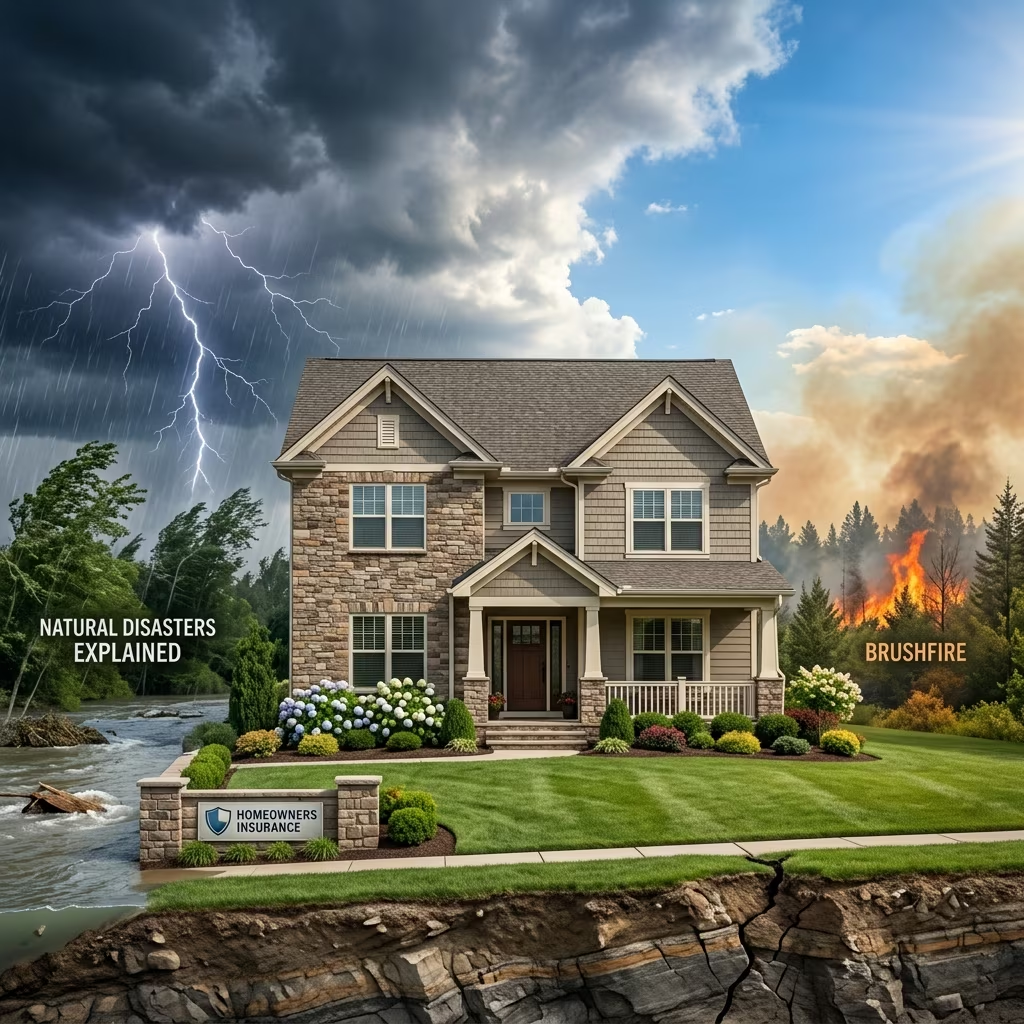
Natural disasters can destroy a home in minutes, but the financial damage can last for years if your insurance coverage is incomplete. A standard homeowners policy protects against many common hazards, yet it deliberately excludes some of the costliest risks, such as floods and earthquakes. Understanding these distinctions before a storm, fire, or quake occurs is critical to safeguarding both your property and your finances.
This guide explains how homeowners insurance typically responds to different natural disasters, highlights major coverage gaps, and offers practical strategies to strengthen your protection.
How Homeowners Insurance Handles Disasters: The Big Picture
Most homeowners policies are designed to cover damage from sudden and accidental events rather than slow wear and tear or predictable maintenance issues. For natural disasters, coverage broadly falls into three categories:
- Commonly covered perils – events often included in a standard policy, such as fire, wind, hail, and lightning.
- Often covered with conditions – events that may be covered but subject to special deductibles, exclusions, or higher premiums in high-risk regions.
- Usually excluded perils – disasters like floods and earthquakes that almost always require separate policies or endorsements.
Policies are either written as “named peril” contracts (only listed events are covered) or “all-risk” contracts (everything is covered except specifically excluded hazards). In practice, both types almost always exclude flood and earthquake damage.
Natural Disasters Commonly Covered by Homeowners Insurance
While details vary by insurer and location, many standard policies cover damage to your dwelling and belongings from several types of severe weather and geological events as long as they are not expressly excluded.
Fire and Wildfire
Fire is one of the core hazards homeowners insurance is designed to cover. This typically includes:
- Accidental house fires (for example, kitchen or electrical fires).
- Wildfires and resulting smoke damage, subject to policy terms and any regional exclusions.
- Costs to repair or rebuild the structure of the home (the dwelling).
- Replacement of personal belongings up to policy limits.
- Additional living expenses if the home is temporarily uninhabitable.
In areas with extreme wildfire risk, insurers may add wildfire-specific exclusions or impose high deductibles, making it important to read policy language closely.
Windstorms, Hurricanes, and Tornadoes
Damage caused by wind and hail is widely covered, including storms, tornadoes, and many forms of hurricane damage. However:
- Coastal areas may require separate windstorm or hurricane policies, or impose special percentage-based wind deductibles.
- Damage from wind-driven rain penetrating through a damaged roof or siding is often covered, while flooding from rising water is not.
Insurers and regulators generally treat wind and flood as distinct causes of loss, which matters greatly after hurricanes, where both forces are present.
Lightning and Power Surges
Lightning strikes that damage the structure of your home or its contents are typically covered by standard homeowners policies. Coverage can include:
- Structural damage from a direct strike.
- Fire started by lightning.
- Damage to electronics and appliances from related power surges, subject to policy provisions.
Winter Storms, Ice, and Extreme Cold
Damage from snow, ice, and freezing temperatures is often covered if it results from sudden events and you have taken reasonable care of the property. This may include:
- Roof collapse from the weight of ice or snow.
- Interior damage from burst pipes, when you have maintained heat or properly drained the system.
- Damage from ice storms, including fallen tree limbs.
Claims may be denied when the insurer can show that negligence or poor maintenance caused or worsened the damage, such as failing to heat the home in freezing conditions.
Volcanic Eruptions
Although less common geographically, volcanic eruption is typically included as a covered peril in many standard policies. Coverage often extends to:
- Damage from ash, dust, and lava flows.
- Fire resulting from volcanic activity.
Earth movement associated with volcanic eruptions, such as tremors or landslides, is usually treated differently and may be excluded unless separately insured.
Disasters Homeowners Insurance Usually Does Not Cover
Several high-impact natural disasters are historically excluded from standard homeowners policies and require dedicated coverage. Knowing these exclusions is essential to avoid costly surprises.
Floods and Storm Surge
Flood damage, defined as rising water from outside your home, is almost always excluded from homeowners and renters insurance. This includes:
- Overflowing rivers or lakes.
- Heavy rain causing flash floods.
- Coastal storm surge from hurricanes or other storms.
- Flooding caused by levee or dam failures.
Because of this exclusion, flood coverage is typically purchased separately through the National Flood Insurance Program (NFIP) or private insurers. NFIP policies are administered by FEMA and provide flood protection to homeowners, renters, and businesses in participating communities. Mortgage lenders frequently require flood insurance in high-risk areas.
Earthquakes and Earth Movement
Damage caused by earth movement is generally excluded from standard homeowners policies. “Earth movement” commonly includes:
- Earthquakes and aftershocks.
- Landslides and mudslides.
- Sinkholes and subsidence.
In some states, you can buy separate earthquake insurance or endorsements through private carriers or specialized programs. These policies may cover structural damage, personal property, and loss of use following an earthquake, often with sizable deductibles.
Other Typical Exclusions
Aside from flood and earthquake, other exclusions frequently appear in policies, such as:
- War and nuclear accidents.
- Intentional damage caused by the homeowner.
- Long-term wear and tear, rot, or mold not tied to a sudden covered event.
The exact list of exclusions is found in your policy’s declarations and exclusion sections. Insurers and regulators emphasize that you must review these documents closely to understand your real protection.
Coverage Types Within Your Policy
When a covered disaster strikes, homeowners insurance can protect more than just the building. Standard policies often include several distinct coverage parts.
| Coverage Type | What It Protects | Typical Role in Disasters |
|---|---|---|
| Dwelling coverage | Structure of the home: walls, roof, built-in fixtures | Pays to repair or rebuild after covered events like fire, wind, hail, or lightning. |
| Other structures | Detached structures: garages, sheds, fences | Provides limited protection for non-attached buildings damaged by covered perils. |
| Personal property | Belongings: furniture, electronics, clothing | Helps replace items damaged or destroyed by covered disasters, subject to limits and valuation rules. |
| Loss of use / additional living expenses | Temporary housing and related expenses | Covers costs like rent, meals, and transportation if a covered event makes your home uninhabitable. |
| Liability coverage | Legal responsibility for injuries or property damage to others | May respond if someone is injured on your property and you are found legally responsible, regardless of the cause. |
Special Deductibles and Regional Variations
Insurers often adapt coverage based on local risk. If you live in an area prone to hurricanes, wildfires, or earthquakes, expect your policy to include special rules. Common examples include:
- Percentage-based deductibles for wind or hurricane losses, calculated as a percentage of your dwelling coverage limit.
- Wildfire exclusions or restrictions in extreme risk zones, sometimes requiring mitigation measures to maintain coverage.
- Separate policies for windstorm coverage in certain coastal regions.
These regional adjustments can significantly affect how much you pay out of pocket after a disaster, even when the event itself is technically covered.
Closing Coverage Gaps Before Disaster Strikes
The most important step in disaster preparedness is matching your insurance coverage to your actual risk profile. Regulators and consumer groups consistently encourage homeowners to review and adjust their coverage well in advance of severe events[10]. Consider the following actions:
1. Analyze Your Local Hazard Profile
- Use official resources such as FEMA’s flood maps to understand your flood risk and identify whether you are in a high-risk zone.
- Check state or local seismic hazard maps if you live near fault lines.
- Review historical data on hurricanes, tornadoes, wildfires, or winter storms in your area through government or reputable meteorological sources.
2. Review Your Policy Documents Carefully
- Read the declarations page to confirm limits, deductibles, and endorsements.
- Study the list of covered perils and the exclusions section to identify gaps related to flood, earthquake, or earth movement.
- Verify how personal property is valued (actual cash value versus replacement cost) and adjust if needed.
3. Add Separate Flood and Earthquake Coverage If Needed
- If any flood risk exists, explore NFIP or private flood insurance options, even outside designated high-risk zones.
- In seismic regions, consult your insurer or state insurance department regarding available earthquake policies or endorsements[10].
- Ask about landslide, mudflow, or sinkhole coverage if you live in susceptible terrain.
4. Update Coverage Limits and Inventory Your Belongings
- Ensure dwelling limits are high enough to rebuild at current construction costs, not just your original purchase price.
- Create a home inventory using photos, videos, and lists of major items to streamline claims after a disaster.
- Store digital copies of policy documents and inventories in secure cloud storage.
5. Maintain Your Property to Avoid Claim Denials
- Keep roofs, gutters, and drainage systems in good condition to reduce water intrusion.
- Protect pipes from freezing and ensure heating systems are functioning properly during winter.
- Trim trees and remove dead branches that could fall during storms.
While homeowners insurance is meant for sudden events, insurers may deny or limit claims if damage stems from long-term neglect rather than the disaster itself.
Frequently Asked Questions (FAQs)
Does homeowners insurance cover all natural disasters?
No. Standard policies typically cover events such as fire, lightning, wind, hail, and many winter storms, but they almost always exclude flood and earthquake damage unless you buy separate coverage.
Is hurricane damage covered by my policy?
Often yes, but with important qualifications. Wind and hail damage from hurricanes is usually covered, while storm surge flooding is excluded and requires flood insurance. In some coastal areas, you may need a separate windstorm or hurricane policy.
Is storm surge considered flooding?
Yes. Rising water from storm surge is treated as flood damage and is not covered under standard homeowners policies, meaning you need separate flood insurance to be protected.
Can I add disaster coverage to my existing homeowners policy?
In many cases, you can purchase endorsements or separate policies to cover exclusions, such as earthquake or flood insurance. Insurers and official programs like the NFIP provide complementary policies that work alongside your homeowners coverage.
How do I file a homeowners claim after a natural disaster?
After ensuring everyone’s safety, document the damage with photos and video, protect the property from further harm if possible, and contact your insurer or agent promptly to start the claims process. Your insurer will review the cause of loss against your policy terms to determine what is covered.
Do renters need to worry about natural disasters too?
Yes. Renters insurance, like homeowners insurance, typically covers personal property against many natural disasters but not flood or earthquake unless separately insured. Building damage is usually the landlord’s responsibility.
References
- Which disasters are covered by homeowners insurance? — Insurance Information Institute. 2023-06-15. https://www.iii.org/article/which-disasters-are-covered-by-homeowners-insurance
- Natural Disasters — National Association of Insurance Commissioners (NAIC). 2023-08-10. https://content.naic.org/consumer/natural-disasters
- Flood Insurance — Federal Emergency Management Agency (FEMA). 2024-02-01. https://www.fema.gov/flood-insurance
- Insurance for Disasters — Legal Aid Disaster Resource Center. 2022-09-30. https://www.ladrc.org/insurance-for-disasters/
- How Do I File a Natural Disaster Insurance Claim? — Progressive. 2023-05-20. https://www.progressive.com/answers/natural-disaster-insurance-coverage-claims/
- Does Home Insurance Cover Natural Disasters? — Farmers Insurance. 2023-07-12. https://www.farmers.com/learn/insurance-questions/does-home-insurance-cover-natural-disasters/
- Insurance for natural disasters — Office of the Insurance Commissioner, Washington State. 2024-01-05. https://www.insurance.wa.gov/insurance-resources/natural-disasters/disaster-preparedness/insurance-natural-disasters