
Homeowners Becoming Renters After a Disaster
Practical guidance for displaced homeowners who must rent after a natural disaster.
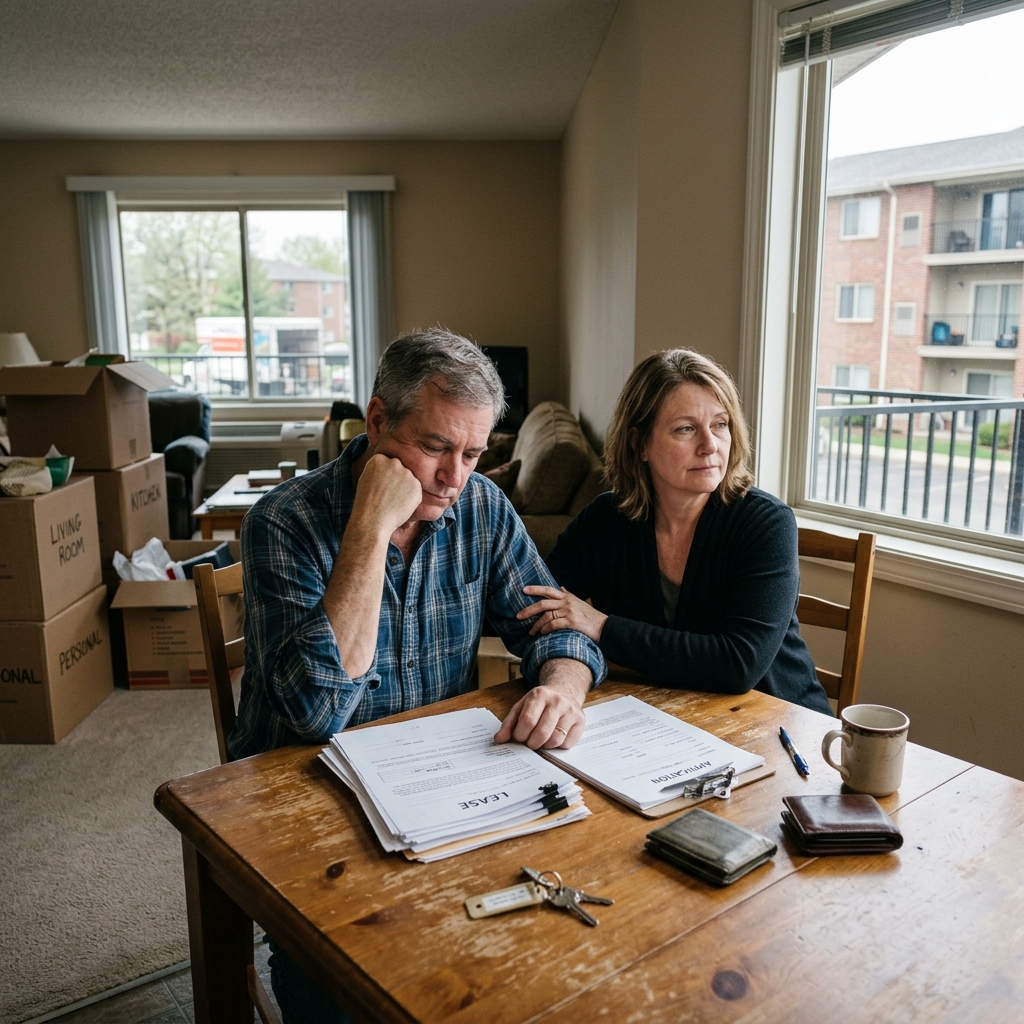
When a Disaster Forces a Homeowner Into the Rental Market
A natural disaster can turn a homeowner into a renter almost overnight. If a house is damaged or unsafe, the immediate challenge is not only finding shelter but also proving eligibility for help, organizing paperwork, and understanding what kind of temporary housing makes financial sense. In many cases, insurance coverage can soften the shock by paying for living expenses while repairs are underway. Federal disaster assistance may also help, depending on the event and the household’s circumstances.
The transition is easier when homeowners treat the search for housing like a short-term relocation project. That means identifying what coverage exists, documenting losses, preparing a rental application packet, and knowing which rights and obligations still apply. The more organized the process is, the faster a family can move from crisis to stability.
Start With Insurance Before You Start Apartment Hunting
For many displaced homeowners, the first financial lifeline is the policy already in place. Homeowners insurance often includes loss of use coverage, also called additional living expenses, which may reimburse the extra cost of living somewhere else while the home is being repaired or rebuilt. That can include rent, temporary lodging, or other necessary expenses that exceed ordinary household spending.
Before committing to a lease, homeowners should contact their insurer and confirm what expenses are eligible, how payments will be issued, and whether the policy requires preapproval for a rental. Keeping that communication in writing is useful if later questions arise about reimbursement. It is also smart to ask whether the insurer can provide an advance on living expenses, because some policies allow it when displacement is immediate.
Build a Rental Application Packet Early
Landlords want to know that a tenant can pay rent, move in on time, and meet basic screening standards. A displaced homeowner may not have the usual rental history ready, so a prepared application packet can shorten delays. The goal is to make the case that the tenant is stable, insured, and capable of paying the rent with a combination of personal income and insurance reimbursement.
- A recent credit report
- Proof of income or employment
- Tax returns if the household is self-employed
- A letter from the insurer confirming temporary housing coverage
- Identification documents for all adults who will sign the lease
Supplying these materials upfront can help a landlord move faster and may reduce the need for repeated follow-up questions. If a homeowner is self-employed, the most recent tax return may be the most persuasive proof of income.
What to Document Before You Leave the Damaged Property
Before moving out, homeowners should document the condition of the property and the loss they experienced. Photos, videos, repair estimates, and a detailed inventory of damaged items create a record that can support insurance claims and disaster assistance applications. It is easier to gather this evidence before cleanup begins or belongings are discarded.
Records should include the date of the disaster, the areas affected, major structural damage, damaged personal property, and receipts for emergency purchases. This paperwork can also help if a landlord, insurer, or relief agency asks for verification later. A well-organized file can prevent disputes about what was lost and what level of assistance is appropriate.
Know the Difference Between Short-Term and Long-Term Housing Needs
Some families only need a few weeks away from home while repairs are made. Others face months of displacement or a total loss that requires a new lease and a new neighborhood. FEMA housing assistance may help cover rent for eligible disaster survivors, and in some situations it can provide direct housing assistance when rental options are limited. The amount and duration of help depend on the disaster declaration, household eligibility, and program rules.
That distinction matters because the right housing choice depends on how long the household expects to stay. A hotel may be practical for a short period, but an apartment or house rental is often better if rebuilding will take longer. If repairs can be completed quickly, the homeowner may only need a modest rental arrangement; if the property is destroyed, a longer lease may be unavoidable.
Compare Rental Options Before Signing Anything
Displaced homeowners should not rush into the first available unit without checking whether the lease fits both the household budget and the insurance timeline. Temporary housing should be realistic, affordable, and flexible enough to match the expected length of displacement. If the insurance reimbursement cap is limited, the rental should not exceed what the household can carry while waiting for claim payments.
| Housing option | Best for | Key drawback |
|---|---|---|
| Hotel or extended-stay room | Very short displacement | Often expensive over time |
| Month-to-month rental | Uncertain repair timelines | May cost more than a longer lease |
| Standard lease | Longer rebuilding periods | Less flexibility if repairs finish early |
| Furnished temporary unit | Families with limited belongings | Availability can be scarce after disasters |
Households should also think about commute time, school enrollment, access to prescriptions, and whether the rental is in an area less likely to be affected by the same disaster. A stable location can reduce the stress of already uncertain circumstances.
Review the Lease Carefully and Ask Questions
Once a suitable property is found, the lease should be read closely. Disaster displacement can create unusual problems, such as uncertainty about moving dates, insurance payment timing, and whether the tenant needs a flexible end date. Renters should pay attention to the length of the lease, renewal terms, pet restrictions, utilities, repair responsibilities, and any penalties for early departure.
If a homeowner expects to return to the original residence as soon as repairs are complete, a lease with a clear exit option may be preferable. Some landlords will agree to a shorter term or a termination clause if the situation is explained honestly and documented. Written communication is important because it reduces the risk of misunderstandings later.
Security Deposits, Rent, and Disaster Budgets
Moving into a rental usually requires a security deposit, and sometimes the first month’s rent, application fees, or utility deposits as well. These amounts can be difficult for a displaced homeowner who is already paying mortgage costs, insurance deductibles, or emergency repair bills. Even when insurance will reimburse living expenses, upfront cash may still be needed.
Before signing, homeowners should estimate the total move-in cost and compare it with expected reimbursement. That estimate should include rent, parking, utilities, internet, transportation, and any temporary storage costs. If the budget is too tight, it may be better to search for a less expensive rental than to risk falling behind while waiting for payments.
Use Disaster Aid and Community Resources Together
Insurance is often only one piece of the recovery process. Depending on the disaster and eligibility rules, federal assistance, local charities, and community relief organizations may provide temporary shelter, rental support, food, transportation help, or referrals to housing resources. FEMA’s housing assistance can be requested after applying for disaster aid, and applicants may be able to pursue rental help through the same process.
Local agencies and nonprofit groups can also help displaced homeowners locate apartments, understand eligibility requirements, or replace documents lost in the disaster. The fastest recovery often comes from using several resources at once rather than waiting on one program to solve everything.
Protect Yourself From Housing Scams and Bad Promises
Disasters often attract opportunistic landlords, fraudulent contractors, and people offering housing that does not actually exist. Homeowners should verify listings, avoid paying large sums in cash without receipts, and confirm that the unit is legitimate before sending money. A written lease and a traceable payment method create a record if a problem develops later.
It is also wise to confirm who is responsible for repairs, what utilities are included, and whether the landlord has disclosed any habitability issues. A family under pressure to move quickly may overlook these details, but a rushed lease can create another emergency after the first one.
Understand Tenant Rights Even in a Temporary Rental
Once the homeowner becomes a tenant, ordinary landlord-tenant rules apply. That means the landlord generally must follow the lease, handle habitability issues according to state law, and respect notice requirements for entry or eviction. The tenant, in turn, must pay rent on time, avoid damaging the property, and comply with lease terms.
Displaced homeowners should keep copies of all notices, repair requests, and payment confirmations. If there is a dispute about the condition of the rental, the security deposit, or the duration of the lease, written records are more useful than oral promises. If insurance reimbursement is denied or a landlord raises a serious legal issue, a landlord-tenant lawyer, insurance lawyer, or real estate attorney may be able to help.
Practical Steps That Make the Transition Easier
A few simple actions can reduce friction during the move. They also help keep the temporary rental experience organized while the home is repaired or replaced.
- Keep all insurance and housing documents in one folder
- Save digital copies in a secure cloud account
- Track all disaster-related expenses in a spreadsheet
- Ask the insurer how reimbursement will be calculated
- Confirm rental terms before paying a deposit
- Take move-in photos of the rental unit
- Notify lenders, schools, and employers of the temporary address
These habits are not glamorous, but they often determine whether the transition is manageable or chaotic. A clear paper trail can speed up claims, support reimbursement, and reduce conflict with landlords or agencies.
Frequently Asked Questions
Can a homeowner use insurance money to pay rent after a disaster?
Yes. If the policy includes loss of use or additional living expenses coverage, the insurer may reimburse temporary housing costs while the home is unlivable.
What documents help most when applying for a rental?
A credit report, proof of income, proof of employment, and a letter from the insurer showing housing reimbursement are especially helpful.
What if the home can be repaired quickly?
The household may only need short-term housing, such as a hotel or month-to-month rental. The best option depends on repair timing and the insurance reimbursement structure.
Can FEMA help with rent?
In eligible disasters, FEMA may provide housing assistance that can include rent for displaced households. Applicants must follow FEMA’s disaster assistance process to be considered.
Should the lease be signed before insurance is approved?
That depends on urgency and available cash, but homeowners should confirm likely reimbursement first and avoid committing to housing they cannot sustain if payments are delayed.
When to Ask for Legal Help
Most temporary housing situations are resolved through insurance, documentation, and straightforward communication. However, legal help may be useful if an insurer denies benefits, a landlord refuses to honor the agreement, a deposit is withheld unfairly, or the lease terms conflict with recovery needs. A brief consultation can clarify rights before the problem becomes more expensive.
For displaced homeowners, the key is to treat the rental search as part of the recovery plan, not as a separate problem. Insurance, documentation, and tenant rights all work together to create a safer bridge between the damaged home and the next permanent place to live.
References
- Emergency Preparedness Steps For Renters — Rentec Direct. 2024-01-01. https://www.rentecdirect.com/blog/emergency-preparedness-for-renters/
- Renters’ Tips for Displaced Homeowners after a Natural Disaster — FindLaw. 2026-07-09. https://www.findlaw.com/realestate/owning-a-home/renters-tips-for-displaced-homeowners-after-a-natural-disaster.html
- How to find housing and rebuild your home after a disaster — Grist. 2024-09-12. https://grist.org/extreme-weather/how-to-find-housing-and-rebuild-your-home-after-a-disaster/
- What should I know about homeowner and renter rights after a disaster — Georgia Legal Aid. 2024-01-01. https://www.georgialegalaid.org/resource/what-should-i-know-about-homeowner-and-renter-rights-after-a-disaster
- Assistance for Housing and Other Needs — FEMA. 2026-07-09. https://www.fema.gov/assistance/individual/housing
- Housing Options for Displaced Renters — New Jersey Department of Community Affairs. 2012-12-13. https://www.nj.gov/dca/announcements/pdf/Housing_Options_Renters_Home_Owners_121312.pdf
- Reducing Displacement After a Disaster — Enterprise Community Partners. 2024-01-01. https://www.enterprisecommunity.org/learning-center/resources/reducing-displacement-after-disaster
- Tips for Homeowners About to Be Renters After a Disaster — Carelon Wellbeing. 2024-01-01. https://hd.carelonwellbeing.com/hd/find-legal-support/resources/renters-right/legal-assist/tips-for-homeowners-about-to-be-renters-after-a-disaster
Similar Articles








Read full bio of medha deb


