
Homeowner Liability: 9 Practical Steps To Reduce Risk At Home
Learn how homeowner liability works and how to reduce accident risks around your property.
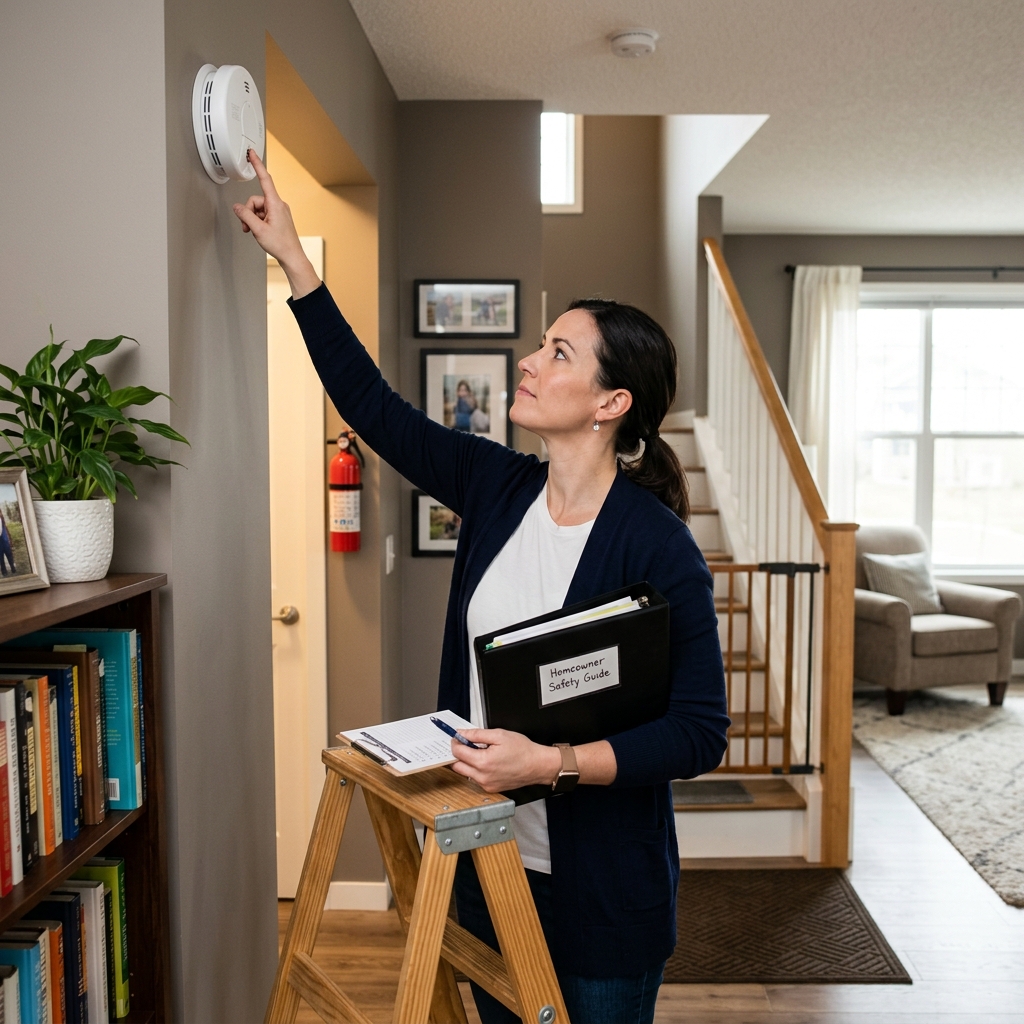
Understanding Homeowner Liability
Owning a home means more than making mortgage payments and keeping up with repairs. It also means accepting a legal duty to reduce preventable risks on the property. If a visitor, contractor, or even a passerby is injured because of a hazard you knew about or should have addressed, you may face medical claims, repair costs, or even a lawsuit. Liability depends on the facts, but the central idea is simple: homeowners are expected to act with reasonable care. Liability arises when an injury or property loss can be tied to unsafe conditions, careless maintenance, or a failure to warn about a known danger.
That does not mean every accident makes the homeowner responsible. A person can slip, trip, or get hurt on private property without creating a valid claim against the owner. The key question is whether the danger was foreseeable and whether reasonable steps were taken to reduce it. Courts and insurers often look at the condition of the property, the type of visitor involved, and whether the hazard could have been fixed, blocked off, or clearly marked in time.
How Liability Usually Arises
Most homeowner liability issues fall into a few familiar patterns. These are not limited to dramatic accidents; many claims begin with ordinary maintenance problems that were ignored for too long. Common examples include broken steps, loose railings, poor lighting, icy walkways, unsecured rugs, or a defective fence. Pet-related injuries and pool incidents are also frequent concerns because they can lead to serious harm quickly.
Liability is often built around negligence. In practical terms, negligence means a homeowner failed to take reasonable precautions that a careful person would have taken under similar circumstances. For example, if a front step is cracked and unstable, and the owner knew about it but never repaired it or warned guests, that omission may support a claim. By contrast, an isolated event caused by extreme weather or an unexpected third-party act may not create the same level of exposure unless there was also a failure to maintain the property properly.
Common Hazards That Increase Risk
Some areas of a property deserve more attention than others because they create recurring accident risks. Regular inspection is one of the simplest ways to reduce exposure.
- Walkways and steps: Uneven pavement, broken stairs, loose railings, and cracked concrete can cause falls.
- Winter conditions: Snow and ice on driveways, sidewalks, and entryways can create slip hazards.
- Lighting: Dark porches, stairwells, and paths make trips and collisions more likely.
- Floor coverings: Loose rugs, curled mats, and warped flooring can cause indoor falls.
- Pets: Dogs and other animals can bite, scratch, or knock people down if not properly controlled.
- Water features: Pools and hot tubs require barriers, supervision, and maintenance to reduce injury risk.
- Trees and landscaping: Dead branches, unstable trees, and overgrown areas can damage property or injure people.
These risks matter because they are often preventable. A homeowner does not need to eliminate every possible hazard, but the property should be kept in a reasonably safe condition. That usually means routine checks, timely repairs, and prompt warnings when a problem cannot be fixed right away.
The Role of Property Maintenance
Good maintenance is not only about keeping a house attractive; it is also one of the strongest defenses against liability. A documented pattern of inspections and repairs can show that you acted responsibly if a claim later arises. Simple habits make a meaningful difference: tightening a railing, replacing a burned-out exterior light, trimming a tree limb, or clearing a slippery path after winter weather.
It is also important to respond quickly when a problem appears. A homeowner who notices a loose stair, damaged tile, or leaking gutter should not wait for an accident before acting. If repair is delayed, the safest step is to block access, post a warning, or temporarily remove the hazard from use. Insurers and courts often view this kind of response as evidence that the owner took reasonable precautions.
Why Insurance Matters
Homeowners insurance usually includes a personal liability component designed to help pay for bodily injury or property damage claims involving the insured household. That coverage can also help with legal defense costs if a lawsuit is filed. In other words, liability coverage is meant to protect your finances when an accident turns into a formal claim.
This does not mean every loss will be covered. Policy language, exclusions, and limits all matter. Some hazards may require extra protection, and certain activities or property features may not fit neatly within a standard policy. Homeowners with pools, certain pets, home-based businesses, or valuable assets often need to look more closely at whether their limits are sufficient.
How Much Coverage Is Enough?
There is no single number that works for every homeowner, but the right amount of liability coverage should reflect the value of your assets and the risks present on your property. A small household with a simple property may need less coverage than a family with a pool, multiple pets, or frequent visitors. Industry guidance commonly points to at least a moderate base amount, while many households choose higher limits to better protect savings and home equity.
One practical way to think about coverage is to compare your exposure with your ability to pay out of pocket. If a serious injury claim exceeds your policy limit, your personal assets may be at risk. Because of that, some homeowners purchase umbrella coverage on top of their standard policy. An umbrella policy can provide an extra layer of protection when a major claim goes beyond the underlying homeowners insurance limits.
| Risk Factor | Why It Matters | Possible Response |
|---|---|---|
| Frequent visitors | More guests mean more opportunities for injury | Increase inspections and review liability limits |
| Pool or hot tub | Water exposure can lead to severe injuries | Use fencing, gates, and alarms |
| Pets | Bites and falls can trigger claims | Train animals and supervise interactions |
| Older property | Wear and tear increases trip and fall hazards | Repair stairs, railings, and lighting |
| Higher personal assets | Greater financial loss if a claim exceeds coverage | Review policy and consider umbrella insurance |
What To Do After an Incident
If someone is injured on your property or your property causes damage to someone else’s property, the first priority is safety. Get medical help when needed, secure the area, and preserve any evidence related to the incident. Photographs, witness names, repair records, and written notes can all be useful later. If the event may lead to a claim, notify your insurer promptly and provide accurate details about what happened.
It is also wise not to admit fault too quickly. A careful report of facts is usually more helpful than speculation. Insurance carriers often want documentation showing the condition of the property before and after the event, plus any steps taken to reduce harm. Timely communication with the insurer can help move the claim process forward and prevent avoidable disputes.
Reducing Liability Through Practical Safety Habits
Most liability prevention is not complicated. It comes down to routine habits that keep a property safer throughout the year. The following steps can help lower the chance of a claim:
- Inspect stairs, railings, porches, and sidewalks on a regular schedule.
- Clear snow, ice, water, leaves, and debris before people are likely to walk through.
- Replace weak bulbs and improve lighting near entrances, paths, and garages.
- Secure throw rugs and mats with non-slip backing.
- Keep pets restrained when guests, workers, or delivery drivers are present.
- Fence and gate pools, and make sure barriers close and latch properly.
- Trim dead branches and remove unstable trees or limbs before they fail.
- Post warnings when temporary hazards cannot be fixed immediately.
- Keep records of inspections, repairs, and service work.
These measures do more than reduce the chance of injury. They also create a record that the homeowner took reasonable steps to maintain the property. That record can matter if an insurer investigates a claim or if a court later reviews the facts.
Special Risks Many Owners Overlook
Some hazards are easy to forget because they do not affect daily life until something goes wrong. Outdoor play equipment, trampolines, construction work, and even temporary storage can create hidden dangers. Homeowners who host gatherings or allow children to use the property should think carefully about whether barriers, supervision, or added insurance are needed.
It is also important to remember that liability is not always limited to the front yard or the inside of the house. Certain policy protections may extend beyond the premises, but the exact scope depends on the policy language. Activities away from home can still create claims if they involve the insured household, so owners should review their coverage rather than assume every scenario is automatically included.
When to Review Your Policy
A homeowners policy should not be treated as something to file away and forget. Coverage needs can change when you renovate, buy expensive items, add a pool, adopt a pet, or start working from home. A yearly review is a practical way to confirm that liability limits still match the real risks tied to the property and the household.
If you have not checked your policy in a while, look closely at the personal liability limit, any exclusions, and whether umbrella insurance could help. A short review may reveal gaps that are easier and cheaper to fix before a claim ever occurs. The goal is not just to comply with insurance requirements, but to avoid a financial problem that could otherwise spill into your savings or home equity.
Frequently Asked Questions
Am I automatically liable if someone gets hurt on my property?
No. Liability usually depends on whether you acted reasonably, whether the hazard was foreseeable, and whether the injury was connected to a condition you knew about or should have addressed.
Does homeowners insurance cover injury claims?
Many policies include personal liability coverage that can help with injury and property-damage claims, along with legal defense costs. The exact protection depends on the policy terms and limits.
What are the most common household hazards?
Common hazards include broken stairs, loose railings, poor lighting, icy walkways, slippery floors, pets, pools, and neglected landscaping.
Should I consider an umbrella policy?
An umbrella policy can be useful if you have significant assets or property features that increase your exposure. It adds an extra layer of liability protection beyond standard homeowners insurance limits.
What should I do if a visitor is injured?
Get help if needed, document the scene, preserve evidence, and notify your insurer as soon as possible. Keeping calm and recording facts is usually more useful than making assumptions about fault.
References
- Homeownership liability: What are you liable for as a homeowner? — Webster First. 2025. https://www.websterfirst.com/blog/homeownership-liability/
- Homeowners Insurance Liability Coverage — Rocky Mountain Insurance Information Association. n.d. http://www.rmiia.org/homeowners/Liability_Coverage/Liability_coverage.asp
- Homeowner Liability: Tips to Protect Against Injuries on Your Property — RGLZ Law. 2025. https://www.rglzlaw.com/homeowner-liability-injury-prevention-tips/
- Keys to Understanding Homeowners’ Insurance Policies – Part 2: Liability Coverage — USI Insurance Services. 2023. https://www.usi.com/executive-insights/executive-series-articles/featured/personal-risk/q2-2023/keys-to-understanding-homeowners-insurance-policies-part-2-liability-coverage/
- How to Know if Your Homeowners Insurance Liability is Enough — Foley Insurance Group. 2025. https://www.foleyinsgroup.com/how-to-know-if-your-homeowners-insurance-liability-is-enough
- 6 Common Liabilities Most Homeowners Forget About — McMahon Agency. 2025. https://mcmahonagency.com/6-common-liabilities-most-homeowners-forget-about/
- What is Personal (Homeowner) Liability Insurance? — FBITN. 2025. https://www.fbitn.com/blog/insurance-101/personal-liability-insurance
- Homeowner Liability Explained: Hidden Risks That Go Beyond Your Home — Allan Block Insurance. 2025. https://allanblockinsurance.com/homeowner-liability-explained-hidden-risks-that-go-beyond-your-home/
- It’s the Perfect Time to Review Your Home’s Liability Risks — Salt City Insurance. 2025. https://saltcityins.com/its-the-perfect-time-to-review-your-homes-liability-risks/
Similar Articles








Read full bio of medha deb


