
Home Selling Process: A Practical Owner’s Guide
From preparation to closing, learn how to sell your home confidently with clear steps, smart tips, and fewer surprises.
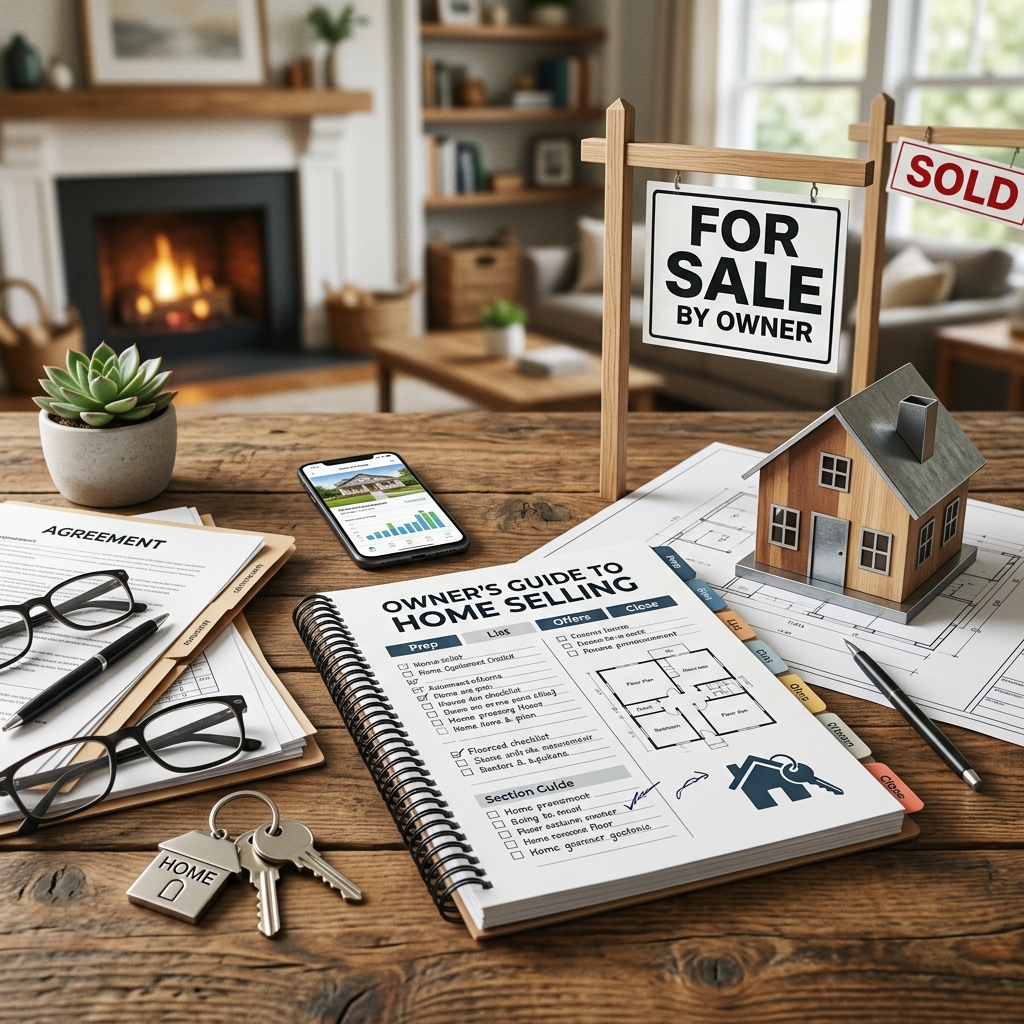
Selling a home is more than putting up a “For Sale” sign. It is a legal and financial transaction that unfolds in several stages, from preparing the property to signing closing documents. Understanding how each phase works helps you avoid costly missteps, shorten time on the market, and reduce stress during the sale.
Understanding the Big Picture: How a Home Sale Typically Flows
Although every sale is unique, most traditional residential transactions follow a similar path. In broad terms, you will:
- Evaluate your goals, timeline, and local market conditions.
- Prepare the property so it appeals to buyers and passes inspections.
- Set a listing strategy, including price and whether to use an agent.
- Market the home and host showings or open houses.
- Review and negotiate offers, then sign a purchase agreement.
- Navigate inspections, appraisals, financing, and required disclosures.
- Attend closing, transfer ownership, and move out.
Seeing the sale as a structured process helps you plan ahead, organize documents, and coordinate with professionals such as real estate agents, lenders, and closing attorneys.
Step 1: Clarify Your Selling Goals and Read the Market
Before making repairs or calling an agent, take time to define what “success” looks like for your sale. This guides every decision that follows.
Key questions to ask yourself
- Timing: When do you need to move, and are you flexible if the home takes longer to sell?
- Financial goals: What minimum net proceeds (after fees and mortgage payoff) do you need?
- Risk tolerance: Are you comfortable with price negotiations and potential low offers?
- Convenience vs. price: Would you accept a slightly lower price for a faster, smoother closing?
Why local market conditions matter
The same home can perform very differently depending on interest rates, inventory, and buyer demand. Market data such as average days on market and median sale prices can help you set realistic expectations.
- In a seller’s market, you may see multiple offers quickly and more leverage on terms.
- In a buyer’s market, you may need sharper pricing, more concessions, or extra marketing to stand out.
Many sellers consult online valuation tools and then refine that information with a professional comparative market analysis from a real estate agent.
Step 2: Decide How You Will Sell (Agent vs. DIY)
Next, decide whether to work with a real estate agent or attempt a for-sale-by-owner (FSBO) transaction. This choice affects your workload, legal responsibilities, and potential sale price.
| Option | Advantages | Challenges |
|---|---|---|
| Listing with an agent | – Professional pricing and market analysis – Access to Multiple Listing Service (MLS) – Negotiation and paperwork handled by a licensed professional | – Payment of commission at closing – Need to carefully choose an agent who fits your goals |
| For-sale-by-owner (FSBO) | – Potential savings on listing commission – Full control of marketing and showings | – Greater legal and paperwork responsibility – Limited exposure if not listed on major platforms – Requires strong negotiation skills |
If you hire an agent, consider interviewing more than one. Ask about their experience, marketing plan, typical days-on-market for similar listings, and how they communicate during the process.
Step 3: Prepare Your Home to Impress Buyers and Inspectors
Preparation is often the most labor-intensive part of selling a home, but it can significantly impact both final sale price and time on market. Many buyers expect homes to feel move-in ready, even if they are older properties.
Essential preparation tasks
- Declutter and depersonalize: Remove excess items, personal photos, and collections so rooms look spacious and neutral.
- Deep clean: Thoroughly clean flooring, kitchens, bathrooms, windows, and outdoor spaces.
- Minor repairs: Fix leaky faucets, squeaky doors, damaged trim, or cracked tiles that may worry buyers during showings.
- Curb appeal upgrades: Mow the lawn, trim shrubs, refresh mulch, and consider inexpensive exterior paint or new hardware for the front door.
- Lighting and paint: Use warm, consistent lighting and neutral paint colors to make spaces feel bright and adaptable.
When to consider professional help
- Home staging: A stager can rearrange or supplement furniture to highlight room size and flow, which can boost perceived value.
- Pre-listing inspection: Some sellers order a home inspection before listing to identify issues early, then decide what to repair or disclose.
- Specialized contractors: For older systems or structural work, use licensed professionals so repairs meet local code requirements.
Even modest improvements can pay off if they target buyers’ biggest concerns, such as outdated kitchens, worn flooring, or visible maintenance issues.
Step 4: Price Strategically and Create a Compelling Listing
Once the home is ready, you and your agent (or you alone, if FSBO) will decide on a listing price and how the property will be presented online and in marketing materials.
How listing price is typically set
- Review recent sales of similar homes in your neighborhood (same style, size, and condition).
- Adjust for unique features such as renovated spaces, larger lots, or desirable school districts.
- Consider current inventory and whether homes are selling above, at, or below list price.
Many experts advise setting a competitive price rather than aiming high and relying on future reductions, since overpricing can cause a listing to sit longer and may lead buyers to question the property.
Elements of a strong listing
- Professional photos: Clear, well-lit images showcasing key rooms and exterior views.
- Accurate property data: Square footage, bedroom and bathroom counts, lot size, and recent updates.
- Persuasive description: Highlights of the home’s layout, natural light, storage, and nearby amenities.
- Floor plans or virtual tours: These tools help buyers understand flow and imagine their furniture in the space.
Step 5: Market the Property and Handle Showings
After the home is listed, marketing and showings bring potential buyers through the door. Effective exposure includes both online and offline strategies.
Typical marketing methods
- Listing on major real estate websites and local MLS through an agent.
- Yard signs and directional signs where permitted.
- Open houses, broker tours, or private showings.
- Social media posts and email campaigns to potential buyers.
- Printed brochures or information sheets highlighting key features.
Tips for successful showings
- Keep the home consistently clean and ready on short notice.
- Secure valuables and sensitive documents before every showing.
- Leave during showings so buyers feel comfortable exploring.
- Maintain pleasant temperature, soft lighting, and neutral scents.
Feedback from showings can help you adjust price, improve staging, or address recurring concerns before they affect offers.
Step 6: Review Offers and Negotiate Terms
When buyers are interested, they submit offers via a written purchase contract. Evaluating an offer involves more than looking at the top-line price.
Key components of an offer
- Purchase price: The amount the buyer proposes to pay.
- Earnest money deposit: Funds placed into escrow to show serious intent.
- Contingencies: Conditions that must be satisfied, such as inspection, appraisal, financing, or sale of the buyer’s current home.
- Closing date and possession: When the sale will finalize and when the buyer will receive keys.
- Requested concessions: Seller-paid closing costs, repair credits, or included personal property.
Negotiation options
- Accept the offer as written.
- Reject the offer entirely.
- Issue a counteroffer adjusting price, closing date, contingencies, or concessions.
Responses are typically handled in writing and subject to deadlines, which keeps the negotiation organized and enforceable. If multiple offers arrive, you might prioritize not only price but also certainty of closing, such as stronger financing or fewer contingencies.
Step 7: Inspections, Appraisal, and Buyer Financing
Once both parties sign a purchase agreement, the home enters a contract period often called “escrow.” During this time, buyers investigate the property and finalize financing.
Home inspection
Most buyers hire a licensed home inspector to evaluate the property’s systems, structure, and safety. The inspection report may lead to further negotiations, such as:
- Requests for specific repairs before closing.
- Credits or price reductions in lieu of repairs.
- In rare cases, cancellation of the contract if serious problems are uncovered and allowed by the contingency.
Appraisal and loan approval
If the buyer uses a mortgage, the lender generally orders an appraisal to confirm the home’s value. If the appraised value is lower than the contract price, options include lowering the price, increasing the buyer’s down payment, or, in some situations, renegotiating other terms.
During this stage, the lender also verifies the buyer’s income, credit, and assets before issuing final loan approval. Without financing approval, the sale cannot close, which is why many offers include a financing contingency.
Title review and legal checks
Title professionals or closing attorneys examine public records to confirm that you have legal rights to sell the property and that no undisclosed liens or claims exist. Clearing title issues before closing ensures the buyer receives clean ownership.
Step 8: Disclosures, Documents, and Final Preparations
Many jurisdictions require sellers to provide written disclosures about known defects or material facts affecting the property. Disclosure laws vary by state, but the goal is to help buyers make informed decisions and reduce surprises after closing.
Common seller responsibilities
- Completing state or local disclosure forms honestly and thoroughly.
- Providing documentation of major repairs, permits, or improvements where available.
- Coordinating access for any follow-up inspections or appraiser visits.
Paperwork to organize for closing
- Your existing mortgage statements.
- Property tax records and homeowners insurance information.
- Any warranties that transfer to the buyer (roof, appliances, etc.).
- Government-issued identification needed at the signing appointment.
Good recordkeeping can shorten closing timelines and prevent last-minute delays.
Step 9: Closing the Sale and Moving Out
Closing is the final step when funds and legal documents are exchanged and ownership transfers officially. Closings may occur at a title company, law office, or via remote signing, depending on local practices.
What happens at closing
- You sign documents related to the transfer of title and payoff of your existing mortgage.
- The buyer signs loan documents and final settlement statements.
- Funds are disbursed, paying off liens, closing costs, and your net proceeds.
- The deed is recorded with the appropriate government office, making the change of ownership public record.
Once recording occurs, the buyer is considered the legal owner, and you hand over keys and agreed-upon access devices such as garage openers.
Coordinating your move
- Schedule movers with enough lead time before or immediately after closing.
- Arrange to shut off or transfer utilities and services on the possession date.
- Update your address with postal services, financial institutions, and relevant subscriptions.
Many sellers aim to leave the property clean and free of personal items, even when not legally required, as a matter of courtesy and to avoid disputes.
Frequently Asked Questions About Selling a Home
How long does it usually take to sell a home?
The timeline varies widely depending on market conditions, location, and price. In some fast-moving markets, homes can sell in a few days; in slower areas or at higher price points, it may take several months. National real estate data regularly tracks median days on market, which can help you estimate a typical timeframe for your region.
Do I need a real estate agent to sell?
No law requires you to use an agent, but many sellers choose one for pricing expertise, marketing exposure, negotiation support, and guidance through legal forms and disclosures. If you decide to sell on your own, be prepared to manage marketing, showings, offers, contracts, and compliance with local requirements yourself.
Which repairs are worth doing before listing?
Projects that improve first impressions or address obvious defects often offer better returns than large remodels right before a sale. Examples include repairing leaks, fixing damaged surfaces, improving curb appeal, and updating dated lighting. Speak with an agent or appraiser before expensive renovations; not all upgrades recoup their cost at closing.
What are closing costs for sellers?
Seller closing costs may include real estate commissions, title fees, transfer taxes (where applicable), attorney fees, and prorated property taxes or association dues. Your exact obligations depend on local law and what you agreed to in the purchase contract. A preliminary settlement statement before closing can give you a clear picture of net proceeds.
Can a buyer back out after inspections?
If the purchase agreement includes an inspection contingency, buyers can usually renegotiate or, in some cases, cancel the contract based on inspection results, within defined deadlines. The specifics are governed by the contract language and local law, which is why reading and understanding contingencies before signing is crucial.
Final Thoughts: Planning Ahead for a Smooth Sale
Selling a home touches on legal rules, financial commitments, and practical logistics. By breaking the process into manageable stages—planning your goals, preparing the property, pricing and marketing wisely, negotiating offers carefully, and staying organized through inspections and closing—you can move from listing to handover with greater confidence.
When questions arise, experienced professionals such as real estate agents, title companies, and attorneys can help ensure your sale complies with current laws and best practices, while protecting your financial interests.
References
- How To Sell Your House in 2025: A Step-By-Step Guide — Bankrate. 2024-05-15. https://www.bankrate.com/mortgages/how-to-sell-your-house/
- How to Sell Your House: A Step-by-Step Guide — PNC Bank. 2023-08-10. https://www.pnc.com/insights/personal-finance/borrow/how-to-sell-your-house.html
- Selling a home in 10 steps — Homes.com News. 2023-06-01. https://www.homes.com/learn/seller-guide/
- Consumer Guide: Preparing to Sell Your Home — National Association of REALTORS®. 2024-02-20. https://www.nar.realtor/the-facts/consumer-guide-preparing-to-sell-your-home
- Sellers Guide: A Complete Guide to Selling Your Home — Zillow. 2023-09-12. https://www.zillow.com/learn/category/selling/
Similar Articles








Read full bio of Sneha Tete


