
Home Heating Safety and Carbon Monoxide Risks
Understand how your heating system can create carbon monoxide hazards and the proven steps to keep your household safe.
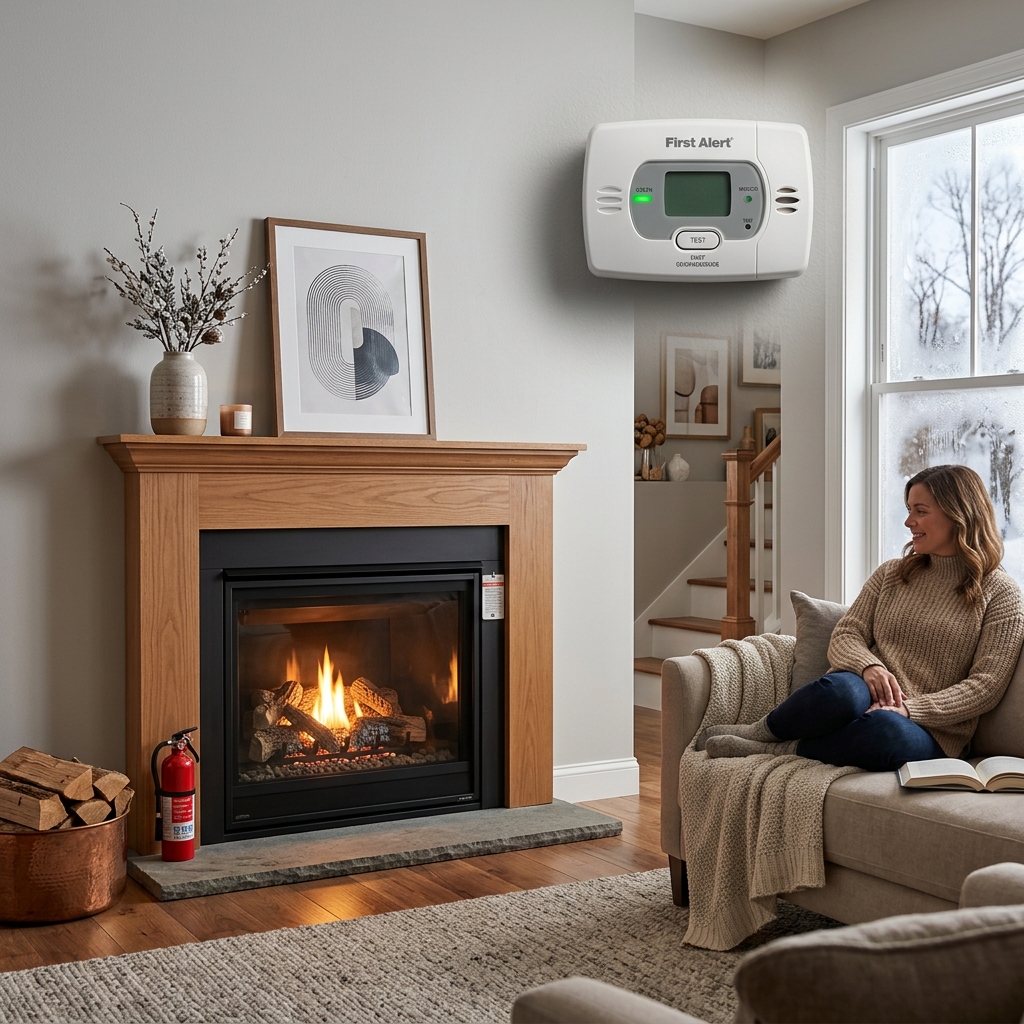
Carbon monoxide is one of the most serious hidden hazards linked to home heating systems. It has no smell, no taste, and no color, yet it can cause illness or death in minutes at high concentrations. Understanding how heating equipment produces carbon monoxide, how it accumulates indoors, and how to prevent exposure is essential for every homeowner.
What Carbon Monoxide Is and Why It’s Dangerous
Carbon monoxide (CO) is a gas produced whenever fuel such as natural gas, oil, wood, charcoal, kerosene, propane, or gasoline burns without enough oxygen for complete combustion. It is different from carbon dioxide (CO2): CO2 is generally not toxic at typical indoor levels, whereas CO interferes directly with the body’s ability to use oxygen.
Once inhaled, carbon monoxide binds to hemoglobin in red blood cells, forming carboxyhemoglobin. This reduces the blood’s capacity to deliver oxygen to vital organs including the brain and heart. Even moderate levels can cause serious symptoms, and high levels can be fatal in a short time.
How Home Heating Systems Create Carbon Monoxide
Any fuel-burning heating appliance can generate carbon monoxide if something is wrong with the equipment or its venting system. Properly installed and maintained systems usually keep CO levels very low, but several common problems can lead to dangerous conditions.
Typical Sources of CO in Homes
- Central furnaces that burn natural gas, heating oil, or propane
- Unvented gas or kerosene space heaters
- Wood stoves and fireplaces, including gas fireplaces
- Gas water heaters and boilers
- Gas ovens and cooktops used incorrectly for space heating
- Portable generators used too close to the home or in attached garages
- Vehicles idling in an attached garage, even with the door open
Common Heating-Related CO Problems
Carbon monoxide issues often arise from venting and combustion problems rather than the fuel itself. Some typical scenarios include:
- Leaking chimneys or flues: Cracks, gaps, or loose connections can let exhaust gases seep into living spaces instead of exiting outdoors.
- Blocked vents: Snow, debris, or bird nests can block furnace or boiler vents, forcing combustion gases back into the home.
- Back-drafting: Exhaust from furnaces, water heaters, or fireplaces can be pulled back into the house by negative pressure or poor ventilation.
- Maladjusted burners: Poorly adjusted gas stoves or furnaces can produce high CO levels due to incomplete combustion.
- Unvented heaters: Portable gas or kerosene heaters that vent into the room can quickly raise indoor CO levels, especially in tight spaces.
Electric Heat vs. Combustion Heat
All-electric heating systems (baseboard heaters, heat pumps, electric furnaces) do not generate carbon monoxide themselves because they do not burn fuel. However, most homes still have at least one combustion source, such as a gas stove, fireplace, water heater, or attached garage where vehicles and small engines operate. For that reason, CO safety measures apply even in homes that rely primarily on electricity for heat.
Early Warning: Symptoms of Carbon Monoxide Exposure
Recognizing health symptoms is important, but it should never replace proper detectors and professional inspections. Symptoms often resemble common illnesses and can be easily misinterpreted.
| Exposure Level / Duration | Possible Symptoms |
|---|---|
| Low to moderate | Headache, dizziness, weakness, nausea, confusion, fatigue, flu-like feelings without fever |
| Higher or prolonged | Chest pain (especially in people with heart disease), vision problems, difficulty concentrating, disorientation |
| Severe / very high | Loss of consciousness, seizures, coma, death within minutes at extremely high levels |
Because CO cannot be seen or smelled, people may continue staying in a contaminated space until symptoms become severe. Pets may show signs of illness before people do, since they are often smaller and more sensitive to changes in air quality.
Visual Clues of a Carbon Monoxide Problem
Besides health symptoms, certain changes around fuel-burning appliances may signal a carbon monoxide issue.
- Soot streaks or staining around furnaces, boilers, or gas stoves
- Fallen soot or dark deposits in fireplaces or wood stoves
- Condensation on windows, walls, or other cold surfaces near heating appliances
- Damaged or discolored chimney bricks at the top of the chimney
- Lack of an upward draft in the chimney or flue when appliances are running
These signs do not prove that a dangerous level of CO is present, but they indicate that combustion and venting may be compromised. A qualified heating contractor should inspect the equipment promptly.
Using Carbon Monoxide Alarms Effectively
Carbon monoxide alarms are the primary tool for detecting CO before symptoms appear. They continuously monitor the air and sound an audible alarm if the concentration of CO rises above a certain threshold.
Where to Install CO Alarms
Major safety organizations recommend installing CO alarms strategically around the home.
- On every level of the home, including basements where heating equipment is often located
- In a central location outside each sleeping area so the alarm can be heard at night
- Near fuel-burning appliances, but placed according to the manufacturer’s instructions to avoid false alarms
In some states, laws require CO alarms within a specified distance of bedrooms and in newly constructed homes or whenever boilers and certain appliances are installed. Always check local codes and follow them along with national safety guidance.
Choosing and Maintaining CO Detectors
When selecting alarms:
- Look for devices that carry the label of a recognized testing laboratory, such as Underwriters Laboratories (UL).
- Consider models that display CO levels digitally so you can see trends and low-level readings.
- For maximum safety, use interconnected alarms, so when one sounds, all alarms in the home sound together.
After installation, proper care is essential:
- Test alarms monthly using the test button.
- Replace batteries as directed; many manufacturers recommend yearly replacement and immediately if a low-battery signal sounds.
- Replace the entire alarm at the end of its service life, typically 5–10 years, according to manufacturer instructions.
Preventing Carbon Monoxide Problems in Heating Season
The most effective way to manage carbon monoxide risk is to prevent it from occurring. A combination of professional maintenance, correct use of equipment, and safe ventilation practices dramatically reduces the chance of dangerous CO buildup.
Annual Professional Inspection
Authorities recommend that homeowners have all fuel-burning appliances inspected by a qualified technician at least once per year. This includes:
- Furnaces and boilers
- Water heaters
- Fireplaces and wood stoves
- Gas clothes dryers
- Space heaters that burn gas or kerosene
An annual tune-up typically includes checking burners, adjusting combustion, examining flues and chimneys, and confirming that safety controls work properly. This preventive step is one of the most powerful defenses against CO leaks.
Safe Use of Heating Appliances
- Never use an oven for heating. Ovens are designed for cooking, not space heating, and can produce dangerous CO levels when used incorrectly.
- Avoid unvented heaters indoors. If you must use one, follow manufacturer instructions carefully and ensure proper ventilation, but vented heaters are strongly preferred.
- Keep combustibles away from heaters. Maintain clearance around space heaters, fireplaces, and stoves to reduce both fire and CO risks.
- Open fireplace flues fully whenever a fire is burning to ensure smoke and exhaust exit the home.
Managing Vehicles and Generators Near the Home
Two major sources of carbon monoxide in homes are vehicle exhaust and portable generators.
- Do not idle vehicles in attached garages, even with the garage door open; CO can drift into living areas.
- Start vehicles and move them out of the garage promptly; check that the exhaust pipe is not blocked by snow or debris.
- Operate portable generators outdoors in well-ventilated areas, far from windows, doors, and vents.
- Keep generator exhaust at least 20–25 feet from the home when possible, and always downwind.
What To Do If Your CO Alarm Sounds
A sounding carbon monoxide alarm must be taken seriously. Do not assume it is a false alarm or try to ignore it.
Immediate Actions
- Move quickly to fresh air. Open windows and doors as you leave, and go outside or to a location with clean air.
- Ensure everyone in the home is accounted for, including pets.
- If anyone has symptoms such as headache, dizziness, nausea, confusion, or loss of consciousness, call emergency services immediately and tell them you suspect CO poisoning.
After Reaching Safety
- Call the local fire department or gas utility from a safe location to investigate the source of the alarm.
- Do not go back inside until professionals say it is safe to do so.
- Have all fuel-burning appliances inspected and repairs completed before using them again.
Frequently Asked Questions
Does an all-electric home need carbon monoxide alarms?
Yes. Even if your main heating system is electric, you may still have combustion sources such as gas stoves, fireplaces, water heaters, or an attached garage where vehicles and generators run. CO alarms provide protection from these sources.
How many carbon monoxide alarms should I install?
Install at least one alarm on every level of your home and in a central location outside each sleeping area. Larger homes, homes with multiple fuel-burning appliances, and homes with complex layouts may need additional alarms for better coverage.
Can I place a CO alarm in the kitchen or directly above a furnace?
CO alarms should be installed according to the manufacturer’s instructions. Placing alarms too close to appliances may cause nuisance alarms. Generally, alarms are placed nearby but not directly adjacent to stoves or heaters and in areas where occupants can hear them easily.
How often should heating equipment be inspected?
Fuel-burning appliances should be checked by a qualified heating contractor once every year. Many homeowners schedule inspections before the heating season starts to ensure safe operation throughout cold weather.
Is cracking a window enough to prevent carbon monoxide buildup?
Simply opening a window does not guarantee safety. CO can still accumulate in parts of the home, especially if the source is strong or ventilation is uneven. Proper venting, correct use of appliances, and CO alarms are far more reliable methods of protection.
References
- Carbon Monoxide’s Impact on Indoor Air Quality — U.S. Environmental Protection Agency. 2023-03-30. https://www.epa.gov/indoor-air-quality-iaq/carbon-monoxides-impact-indoor-air-quality
- Carbon Monoxide (CO) Poisoning in Your Home — Minnesota Department of Health. 2023-11-01. https://www.health.state.mn.us/communities/environment/air/toxins/index.html
- Carbon Monoxide Safety — National Fire Protection Association (NFPA). 2024-01-10. https://www.nfpa.org/education-and-research/home-fire-safety/carbon-monoxide
- Carbon Monoxide Poisoning Prevention — U.S. Fire Administration, FEMA. 2023-09-18. https://www.usfa.fema.gov/prevention/life-safety-hazards/carbon-monoxide/
- Carbon Monoxide Safety & Heating Systems: What Every Home Should Know — First Choice Heating & Cooling. 2022-10-05. https://www.firstchoiceheat.com/blog/heating-service/carbon-monoxide-safety-heating-systems-what-every-home-should-know/
Similar Articles








Read full bio of Sneha Tete


