
Children’s Ear Piercing: 4 Serious Risks And Safe Alternatives
Explore legal boundaries, health dangers, and best practices for children's ear piercings at home versus professional options.
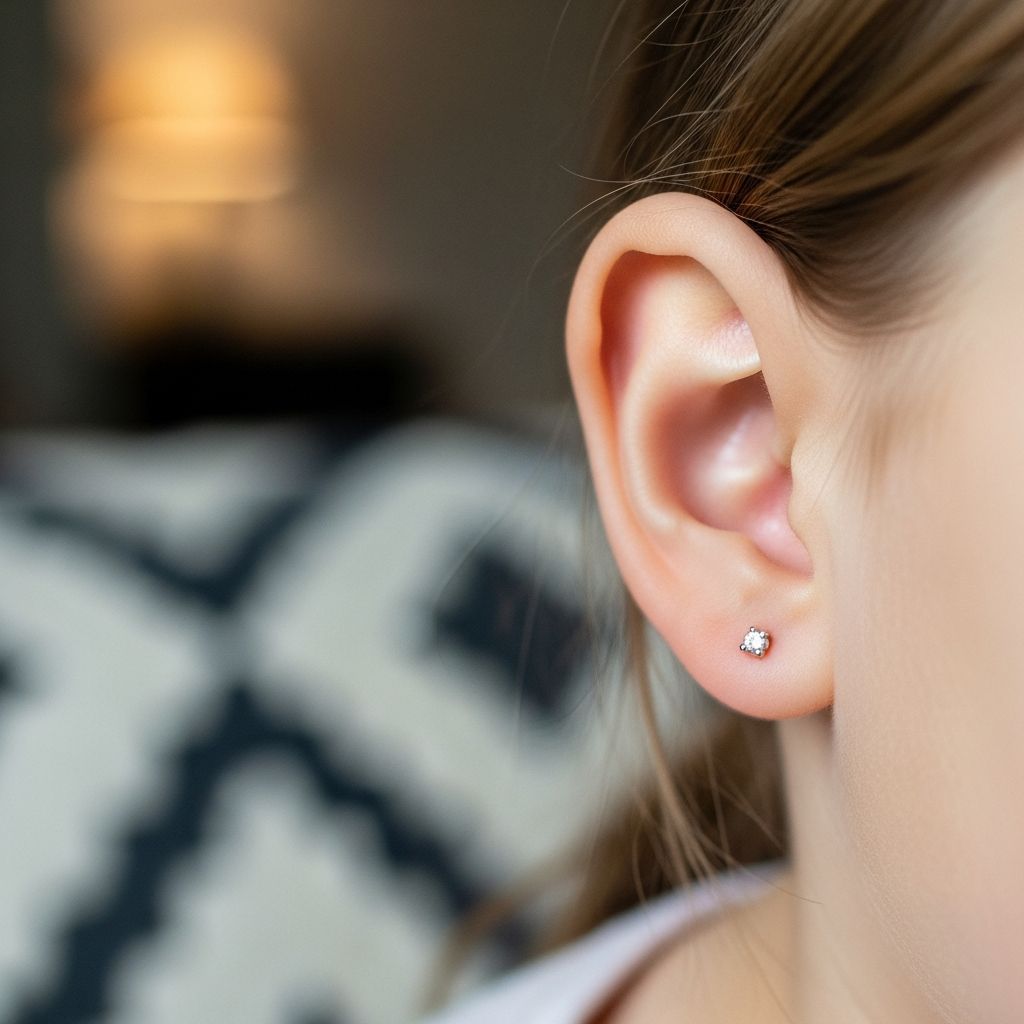
Performing ear piercings on children at home raises significant health and legal concerns, as improper techniques increase infection risks and potential scarring, while many jurisdictions require professional oversight or parental consent for minors. Parents must weigh these factors carefully, prioritizing sterile environments and trained professionals to avoid complications that could lead to medical emergencies.
Understanding the Appeal and Realities of At-Home Piercings
Many parents consider home ear piercings for convenience, cost savings, or family traditions, especially for simple earlobe procedures on young children. However, this approach often overlooks critical safety elements like sterilization and technique precision. Pediatric guidelines emphasize waiting until children can assist in aftercare, typically around 3-4 months post-vaccination, to minimize infection risks that have hospitalized infants.
Home setups rarely match professional standards, where disposable gloves, autoclaved tools, and trained staff reduce bacterial exposure. Without these, even minor errors can cause uneven piercings or embedded jewelry, complicating healing and requiring corrective surgery.
Health Hazards Linked to DIY Piercings
At-home piercings heighten infection probabilities due to non-sterile conditions, a primary concern highlighted by pediatric experts. Infections from ear piercings in newborns have necessitated hospital stays, underscoring the need for post-vaccination timing. Common issues include:
- Bacterial infections: From unsterilized needles or guns, leading to swelling, pus, and fever.
- Allergic reactions: To low-quality metals, causing prolonged irritation.
- Scarring and keloids: Due to improper placement or forceful gun use, which traumatizes tissue more than needles.
- Cartilage damage: Riskier in non-earlobe areas, best avoided at home.
Needle piercing by professionals lowers these risks compared to piercing guns, which can shatter cartilage and embed shards. Aftercare is vital: keep earrings in for 4-6 weeks, clean twice daily, and monitor for redness.
Legal Frameworks Governing Child Piercings
Piercing laws for minors vary by state, often classifying procedures as body art requiring licensed facilities. While federal law is absent, states like California and New York mandate parental consent and professional settings for under-18s. Home piercings by unlicensed parents could invite child endangerment charges if complications arise, as courts view them as unnecessary medical risks.
Age restrictions apply: infants under 2 months face heightened scrutiny due to immature immune systems. Some states prohibit non-earlobe piercings for young children altogether. Always verify local regulations via health departments to avoid fines or legal repercussions.
Optimal Timing for Children’s Ear Piercings
Pediatric recommendations diverge by culture and health status. The American Academy of Pediatrics advises delaying until children can manage care independently, reducing neglect risks. Johns Hopkins suggests 3-4 months, post-initial vaccines like DTaP, when fevers are less alarming.
For infants, earlobe-only piercings minimize trauma. Older children (5+) may handle cartilage if compliant, but professionals assess readiness. Cultural practices piercing newborns require extra sterile precautions.
| Age Group | Recommended Piercing Type | Key Considerations |
|---|---|---|
| Newborns (<2 months) | Avoid or professional only | High infection risk; wait for vaccines |
| Infants (2-6 months) | Earlobe, needle method | Post-DTaP; parental supervision |
| Children (5+ years) | Earlobe or cartilage | Ability to follow instructions |
| Teens (under 18) | Any, with consent | Parent present; ID check |
Choosing Professional Piercing Services
Reputable venues like pediatric offices, jewelry stores, or studios ensure sterility. Select needle over gun for safety. Verify:
- Licensing and training credentials.
- Sterilization via autoclaves.
- Aftercare instructions provided.
- Hypoallergenic jewelry (gold, sterling silver, or titanium).
Parental presence is mandatory for minors under 18. Some studios start at 2 months with vaccine proof. Avoid malls with gun-only services if possible.
Aftercare Essentials for Healing Success
Proper care prevents 90% of complications. Steps include:
- Cleaning: Use saline solution twice daily; avoid alcohol or hydrogen peroxide.
- Duration: Earrings stay in 4-6 weeks; no swimming or touching.
- Monitoring: Watch for pus, excessive swelling, or fever; seek medical help promptly.
- Teaching responsibility: Involve older kids but supervise.
Non-piercing alternatives like clip-ons offer style without risks.
State-by-State Piercing Regulations Snapshot
Laws evolve; this table summarizes common rules (consult local authorities):
| State Example | Min Age (Earlobe) | Parental Consent | Home Piercing Allowed? |
|---|---|---|---|
| California | No minimum | Required under 18 | No, licensed only |
| Texas | Under 18 w/consent | Mandatory | Restricted |
| New York | 16+ alone; younger w/parent | Yes | Professional only |
| Florida | No minimum specified | Required | No |
Penalties for violations range from fines to misdemeanor charges if harm occurs.
Frequently Asked Questions (FAQs)
Can parents legally pierce their child’s ears at home?
No, most states prohibit unlicensed home piercings, viewing them as health code violations; professionals are required.
What is the safest age for a child’s first ear piercing?
Pediatricians recommend 3-4 months post-vaccines or when the child can assist in care, balancing cultural needs with safety.
Is a piercing gun safe for kids?
No, needle methods are preferred as guns increase trauma, infection, and scarring risks.
What if my child develops an infection after piercing?
Seek immediate medical care; remove earrings only under guidance to avoid permanent holes closing improperly.
Can I bring my own earrings to a professional piercer?
Policies vary; many studios provide sterile options for safety.
Are there alternatives to permanent piercings for young kids?
Yes, clip-on or magnetic earrings mimic the look without skin penetration.
Empowering Parents with Informed Decisions
Prioritizing professional services protects children’s health and complies with laws. Consult pediatricians for personalized advice, ensuring piercings enhance self-expression without undue risks. Education on aftercare fosters responsibility and confidence.
References
- Ear piercing for kids: Safety tips from a pediatrician — Riley Children’s Health. Accessed 2026. https://www.rileychildrens.org/connections/ear-piercing-for-kids-safety-tips-from-a-pediatrician
- The Importance of Professional Ear Piercing Care for Kids — Blush Beauty Bar Frisco. Accessed 2026. https://blushbeautybarfrisco.com/blogs/the-importance-of-professional-ear-piercing-care-for-kids
- Piercing FAQs for Children & Young Adults (Under 18) — Hey Rowan. Accessed 2026. https://heyrowan.com/blogs/hey-rowan/piercing-faqs-for-children-and-anyone-under-the-age-of-18
- How to Safely Get Your Child’s Ears Pierced — Johns Hopkins Medicine. Accessed 2026. https://www.hopkinsmedicine.org/health/wellness-and-prevention/how-to-safely-get-your-childs-ears-pierced
Similar Articles








Read full bio of Sneha Tete




