
Home Appearance Rules, Maintenance Duties, and Fence Limits Explained
Understand how HOA rules and local ordinances shape your home’s look, upkeep obligations, and fence options before you build or remodel.
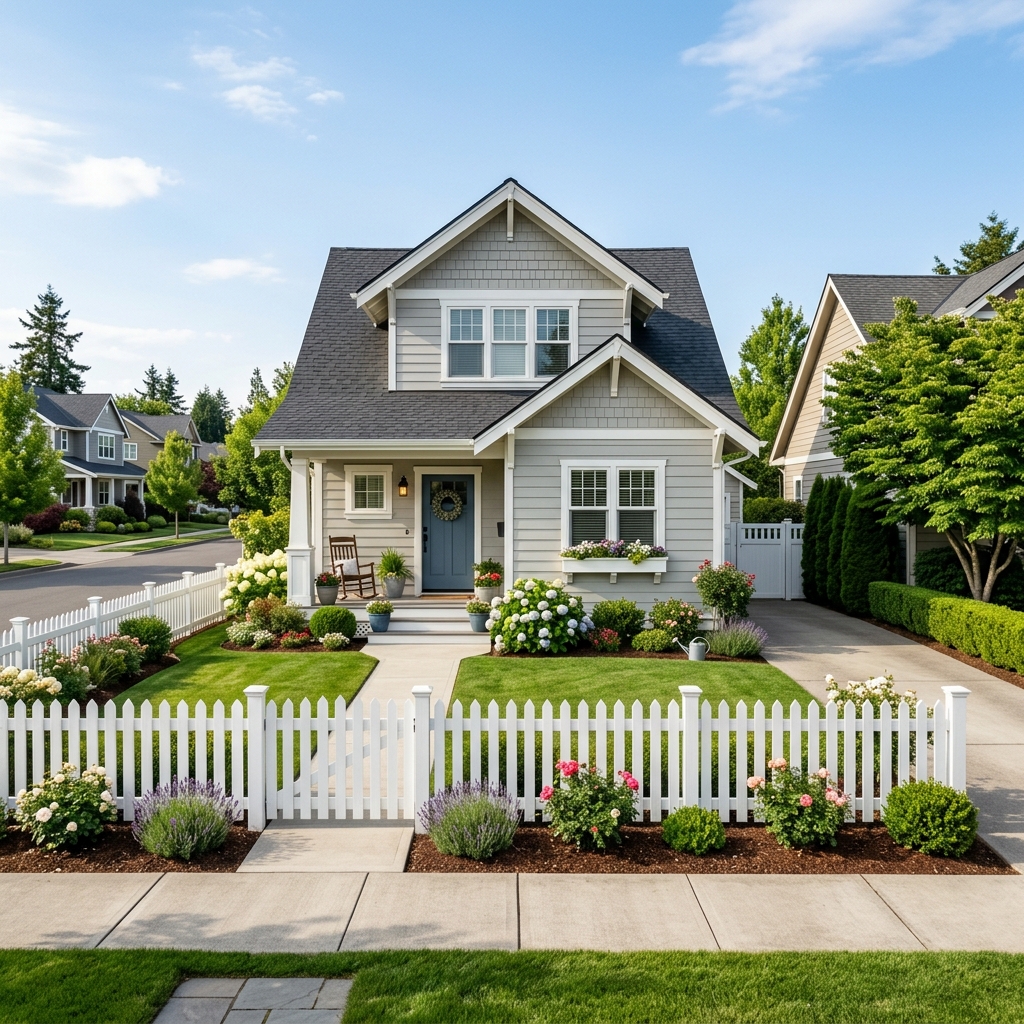
Buying a home is not only a financial investment; it also means agreeing to follow a network of rules that shape how your property looks and how well it is maintained. These rules can come from your homeowners association (HOA), from local governments through zoning and property maintenance codes, and sometimes from private agreements like deed restrictions. Local ordinances often regulate exterior appearance, while HOAs add another layer of standards for aesthetics and upkeep.
Understanding these requirements before you repaint your house, replace your roof, or install a new fence can prevent costly violations, fines, and conflicts with neighbors. This guide explains the main types of appearance and maintenance restrictions, fence rules, and practical steps to stay compliant while preserving your ability to enjoy and customize your home.
Why Your Property’s Exterior Is Regulated
Property owners have considerable freedom to use and enjoy their land, but that freedom is balanced against community interests such as safety, consistent neighborhood appearance, and protecting property values. To achieve these goals, communities rely on a mix of public and private rules:
- Municipal codes set minimum health, safety, and structural standards for buildings, yards, and fences.
- Zoning regulations control land uses (residential, commercial), building sizes, and sometimes design features like setbacks and height.
- HOA covenants, conditions, and restrictions (CC&Rs) govern aesthetics, architectural uniformity, and long-term upkeep of properties within a planned community.
While local government ordinances are enforceable against all property owners in the jurisdiction, HOAs enforce their rules only within the association’s boundaries and against members who purchased property subject to the CC&Rs.
Common Home Appearance Controls
Appearance rules focus on how your home and yard look from the street and neighboring properties. They may be as simple as prohibiting junk vehicles in the driveway or as detailed as specifying acceptable paint colors.
Exterior Color and Architectural Style
Many HOAs and some design-focused municipalities limit exterior paint colors and require consistency with an approved architectural style to maintain a cohesive visual identity.
- Approved color palettes for exterior walls and trim.
- Restrictions on bold or highly saturated colors visible from public areas.
- Requirements that remodels match the original architectural design (e.g., roof shape, façade materials).
These rules are often enforced through an architectural review process, where owners must submit plans and color samples before painting or renovating.
Roofing, Siding, and Visible Materials
To preserve uniformity and reduce maintenance issues, associations and cities may regulate what materials can be used:
- Limits on roofing materials (for example, requiring tile or certain shingles in coastal zones).
- Prohibitions on unfinished or reflective metal siding where it impacts neighborhood aesthetics.
- Requirements for decorative finishes on walls or street-facing fences.
Where permitted, alternative materials such as vinyl siding or metal roofing may still need to meet color and texture standards set by the community.
Driveways, Parking, and Stored Items
Appearance rules also extend to what is stored or parked on your property:
- Limits on parking commercial vehicles, RVs, or boats in driveways or front yards.
- Bans on long-term outdoor storage of building materials, appliances, or debris.
- Requirements to screen trash cans and utility equipment from street view.
Violations in these areas typically trigger written notices from the city code enforcement office or HOA board, followed by fines or other sanctions if not remedied.
Property Maintenance Obligations
Appearance rules are closely linked to maintenance standards, which ensure that properties do not become unsafe or unsightly over time. Local governments usually adopt property maintenance codes requiring owners to keep buildings structurally sound and yards clean.
Building Condition and Structural Integrity
Cities and counties often mandate that exterior components be kept in good repair, including roofs, exterior walls, doors, windows, and structural supports.
- Painted surfaces must be free of extensive peeling and chipping.
- Walls and fences must remain upright and structurally sound.
- Damaged components (such as rotted boards or broken railings) must be repaired or replaced promptly.
Failure to maintain structural integrity can lead to citations and, in severe cases, orders to vacate or demolish unsafe structures.
Yard, Landscaping, and Vegetation
Most communities require residents to keep yards tidy and vegetation under control:
- Minimum standards for lawn care and weed control.
- Rules against overgrown shrubs that block sidewalks or sight lines at intersections.
- Requirements to trim hedges and maintain landscaping in a healthy condition.
HOAs may go further by specifying approved plants, mandating trees or hedges along certain property lines, and requiring regular trimming to meet aesthetic standards.
Routine Maintenance Practices
To meet these obligations, homeowners are encouraged to create a consistent maintenance schedule. Best practices include:
- Seasonal inspections for exterior damage or wear.
- Annual cleaning and repainting or staining where needed.
- Regular trimming of vegetation around fences, walls, and structures.
- Checking hardware, fasteners, and supports for signs of corrosion or instability.
Keeping documentation of maintenance activities can also support you if a dispute arises about whether your property meets standards.
Fence Rules: Height, Placement, and Materials
Fences are among the most heavily regulated features of a residential property because they affect safety, visibility, drainage, and neighborhood appearance. Regulations are often found in both municipal codes and HOA documents.
Fence Height Limits
Communities typically distinguish between front yard and backyard fence heights to preserve visibility and a welcoming streetscape:
- Front yard: Often limited to approximately 3–4 feet in height to maintain open sight lines and pedestrian safety.
- Backyard: Generally allowed up to about 6 feet to provide privacy within a reasonable scale.
HOAs may adopt stricter height limits than the local government or impose additional conditions for corner lots and lots adjacent to public rights-of-way.
Setbacks and Orientation
Local regulations commonly require fences to be set back from property lines and built with their finished sides facing outward.
- Minimum setback distances (such as several inches or a few feet) from the property line or sidewalk to accommodate landscaping.
- Finished or smooth side of the fence must face neighboring properties or streets, with posts and rails on the inside.
- Special rules for fences near intersections or driveways to avoid obstructing visibility.
Setback requirements may vary depending on zoning district, corner lot configurations, and proximity to utilities or easements.
Approved Fence Materials and Colors
HOAs and local governments typically allow only certain materials and colors for residential fences to maintain a consistent appearance and reduce maintenance issues.
| Fence Type | Typical Rules |
|---|---|
| Wood | Often permitted; may require specific styles (e.g., shadowbox, board-on-board) and neutral color ranges such as beige, gray, or white. |
| Vinyl / PVC | Commonly allowed for durability and low maintenance; color options may be limited to subdued tones. |
| Chain link | Sometimes restricted or banned in visible areas; where allowed, may require vinyl coating and privacy screening. |
| Aluminum / Wrought iron | Often favored for decorative or perimeter fencing; typical colors include black, bronze, or white. |
In some communities, street-facing fences must include decorative elements or be paired with hedges to soften their appearance and provide visual continuity along major thoroughfares.
Fence Maintenance Requirements
Once a fence is installed, both municipal codes and HOA rules usually require ongoing maintenance to keep it safe and visually acceptable:
- Fences and walls must remain upright, vertical, and structurally sound; leaning or misshapen sections must be repaired.
- Painted or finished surfaces must be kept in good condition, without extensive fading or peeling.
- Vegetation should not be used to support fencing and must be trimmed to prevent damage or obstruction.
When damage occurs, owners are expected to use approved materials and follow applicable standards for repair. Documenting damage and repair work can be essential if insurance or neighbor contributions are involved.
Permits, HOAs, and Overlapping Authority
One of the most confusing aspects of fence and exterior rules is the interaction between local government permits and HOA approvals. These are separate processes that address different concerns.
Local Building Permits
Many jurisdictions require a permit for constructing a fence or wall, especially where height, location, or structural complexity could affect safety or public rights-of-way. Permit applications often require:
- Site surveys showing property lines and easements.
- Drawings or descriptions of fence materials, height, and placement.
- Compliance with building and zoning codes, including setback and height limits.
In some states, recent legislation has reduced permit requirements for small-scale residential projects under a certain cost threshold, but exceptions typically remain for fences in flood zones or those serving as pool safety barriers. Even where permits are waived, owners must still comply with all safety and zoning standards.
HOA Architectural Review and Approvals
HOAs use architectural review committees or boards to ensure that proposed changes align with community standards. This process often includes:
- Submitting plans for exterior changes such as fences, paint colors, major landscaping, and additions.
- Demonstrating that the project complies with height, material, and design rules in the CC&Rs.
- Obtaining written approval before starting work, sometimes within specific time frames.
HOA rules are enforceable through private remedies such as fines, suspension of amenities, and, in extreme cases, litigation or liens, depending on state law and governing documents.
Practical Steps to Stay Compliant
Because multiple layers of regulation can apply to the same project, homeowners benefit from a systematic approach to planning exterior changes.
Step-by-Step Checklist
- Review official documents: Read your municipality’s property maintenance and zoning codes, and your HOA’s CC&Rs and rules on appearance and fences.
- Confirm property boundaries: Obtain a current survey to avoid encroaching on neighboring land or easements.
- Consult relevant officials: Speak with local code enforcement or planning departments and HOA board members early in the planning process.
- Prepare detailed plans: Include dimensions, materials, colors, and placement in your submission to both the city (if a permit is needed) and the HOA.
- Maintain records: Keep copies of all applications, approvals, correspondence, and inspection reports.
Balancing Personal Preferences with Community Rules
Even within strict regulatory frameworks, homeowners often have room to personalize their property. Privacy landscaping, subtle color variations, and decorative elements that fit within approved design parameters can help you achieve your goals while respecting community standards.
When your desired project conflicts with existing rules, some HOAs provide processes for requesting variances or amendments. A well-supported variance request explains how the proposed change will maintain safety, uphold property values, and remain consistent with the community’s visual character.
Frequently Asked Questions
Do I always need both a city permit and HOA approval for a new fence?
Not always. Some jurisdictions exempt certain small or low-cost residential projects from permit requirements, while others still require permits for most fences. However, if you live in an HOA, you usually must obtain HOA approval regardless of whether the city requires a permit.
Can my HOA ban certain fence materials even if the city allows them?
Yes. HOAs can adopt more restrictive standards for aesthetics and uniformity than local government, as long as those standards do not conflict with public law. For example, an HOA may prohibit chain link fences even if they are allowed by municipal code.
What happens if I ignore appearance or maintenance rules?
Violations of municipal codes can result in citations, fines, and orders to correct the problem or, in severe cases, restrictions on occupancy. HOA violations may lead to fines, loss of privileges, or legal action depending on the governing documents and state law.
Are height limits different for front and back yard fences?
Typically yes. Many communities limit front yard fences to around 3–4 feet for visibility and aesthetics, while allowing backyard fences up to about 6 feet to provide privacy. Exact limits vary by locality and HOA.
How can I ensure my fence remains compliant over time?
Follow a regular maintenance schedule, use approved materials and colors for repairs, and keep documentation of all work performed. Periodically review HOA rules and local codes, as standards can change over time.
References
- Appearance, Maintenance, and Fence Restrictions — FindLaw. 2023-05-10. https://www.findlaw.com/realestate/owning-a-home/appearance-maintenance-and-fence-restrictions.html
- Fence & Wall Maintenance — City of Temple Terrace, FL. 2024-02-01. https://www.templeterrace.gov/294/Fence-Wall-Maintenance
- Guidelines for Fences and Walls — Village of Wellington, FL. 2023-11-15. https://www.wellingtonfl.gov/1019/Guidelines-for-Fences-and-Walls
- Florida HB 803 Summary: $7,500 No-Permit Fence Law — Gifford Fence Orlando. 2024-07-01. https://www.giffordfenceorlando.com/florida-7500-no-permit-fence-law.html
- Navigating HOA Fence Rules: A Comprehensive Homeowner’s Guide — Fence Armor. 2023-08-10. https://fencearmor.com/blogs/news/navigating-hoa-fence-rules-a-comprehensive-homeowner-s-guide
- Can Homeowners’ Association Board Restrict Fences? — Florida Condo & HOA Law Blog (Becker). 2017-08-22. https://www.floridacondohoalawblog.com/2017/08/22/can-homeowners-association-board-restrict-fences/
Similar Articles








Read full bio of medha deb


