
Holiday Shopping Safety: Protecting Your Identity Online and In‑Store
Practical strategies to keep your personal and financial data safe from holiday identity thieves while you shop online and in stores.
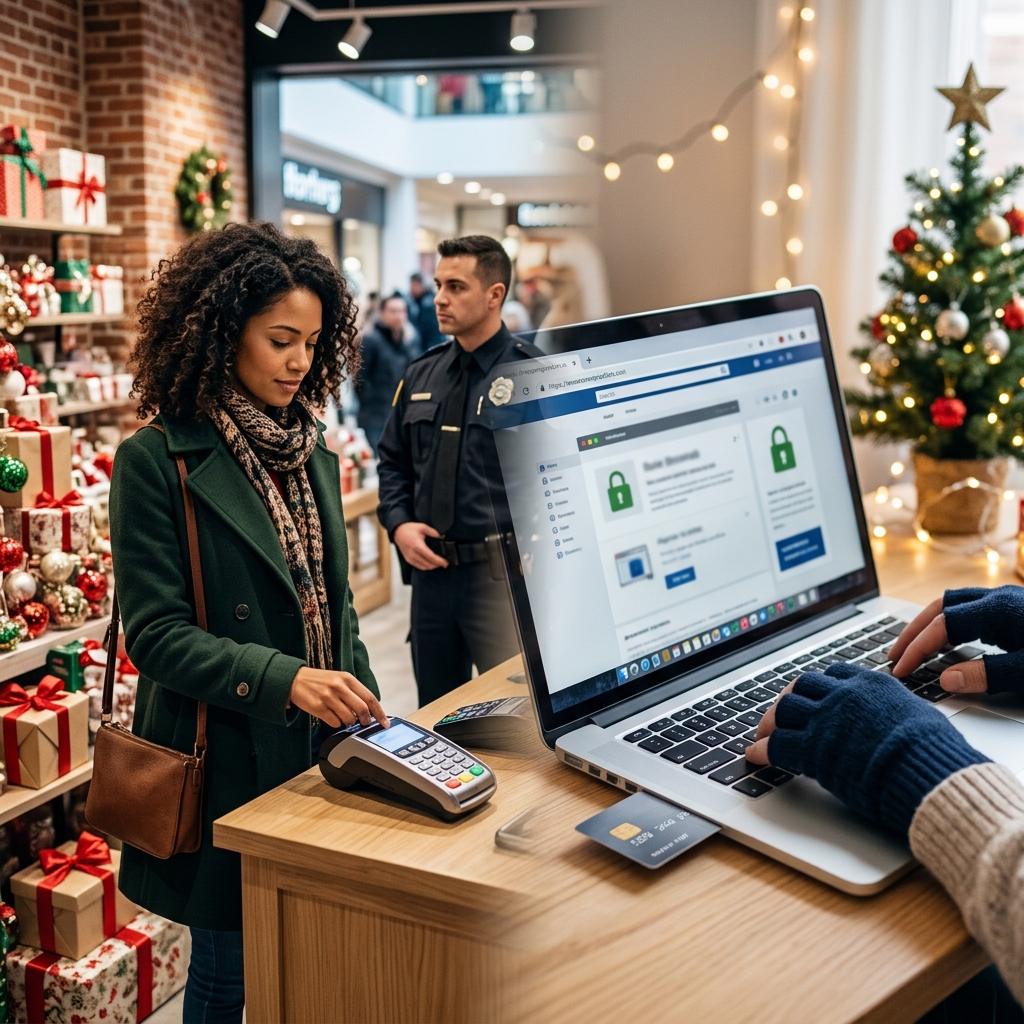
The holiday season brings crowds, deals, and a surge in online orders, but it also creates ideal conditions for identity theft. As you move between websites, stores and delivery services, your personal and financial information is shared across many systems. Thieves and scammers know this, and they increase their efforts to capture card numbers, passwords and other sensitive data.
This guide explains how identity theft happens during holiday shopping and provides practical, research‑backed steps to reduce your risk, whether you are buying gifts online or in person. It also covers how to spot scams, protect your credit, and what to do if you suspect your information has been compromised.
Why Holiday Shopping Raises Your Identity Theft Risk
Identity theft occurs when someone uses your personal information—such as your name, address, Social Security number or account details—without permission to commit fraud or other crimes. The holiday period amplifies the risk because:
- Transaction volume spikes across cards, apps and websites, making fraudulent activity harder to notice quickly.
- People shop under time pressure, which can lead to weaker security decisions, such as using public Wi‑Fi or ignoring red flags.
- More temporary staff and busy stores handle your card and receipts, increasing the number of people and systems exposed to your data.
- Scammers run targeted holiday campaigns, including fake stores, delivery notices and charity appeals designed to capture information.
Understanding these risks helps you stay alert and put barriers in place before problems arise.
Core Principles for Safe Holiday Shopping
Regardless of where you shop, most effective identity protection practices follow a few core principles supported by regulators and financial institutions.
| Principle | What It Means | Holiday Example |
|---|---|---|
| Limit exposure | Share the minimum necessary personal and financial information. | Carry only one or two cards; avoid storing card numbers on multiple retail apps. |
| Strengthen authentication | Use strong, unique passwords and extra verification steps. | Turn on multi‑factor authentication for banking and major shopping accounts. |
| Secure the connection | Protect your devices and network from eavesdropping and malware. | Shop over encrypted HTTPS connections on trusted networks, not public Wi‑Fi. |
| Monitor and respond quickly | Check statements and alerts to catch suspicious activity early. | Use account alerts so unexpected purchases are noticed immediately. |
Safer Online Shopping During the Holidays
Online shopping is convenient but exposes you to unique risks, including fake sites, data breaches and phishing attacks. Following these steps can significantly reduce your chance of becoming a victim.
Choose Trusted Retailers and Verify Websites
Fraudsters frequently create websites that closely imitate real brands to capture card numbers and personal details.
- Search for the retailer’s name along with terms like “review” or “scam” to see others’ experiences before buying from unfamiliar sellers.
- Manually type the store’s web address into your browser instead of clicking links from emails or social media posts.
- Look for HTTPS and a padlock icon in the browser address bar, indicating an encrypted connection.
- Avoid sites with unusually low prices for high‑demand products—this is a common sign of a scam store.
Protect Devices and Networks
The security of your device and network is as important as the website you visit, especially when entering payment information.
- Install reputable antivirus or security software and keep it updated to guard against malware designed to steal data.
- Apply operating system and browser updates promptly; many patches fix security vulnerabilities that attackers exploit.
- Avoid making purchases or logging into financial accounts on public Wi‑Fi, even if it appears to be free and harmless.
- If you must use a shared network, consider using a virtual private network (VPN) and limit activities involving sensitive information.
Strengthen Passwords and Account Protection
Weak or reused passwords allow criminals who gain access to one account to infiltrate others.
- Create strong passwords with a mix of letters, numbers and symbols, and avoid using the same password across multiple shopping and banking sites.
- Use a reputable password manager to generate and store unique passwords for each account.
- Enable multi‑factor authentication (MFA) wherever offered, especially for email, banking and major retailer accounts, so stolen passwords alone are not enough to access them.
Use Safer Payment Methods
How you pay affects your protection if a transaction turns out to be fraudulent.
- Use credit cards when possible; they typically offer stronger consumer protections and dispute rights if goods never arrive or differ from what was advertised.
- Be cautious if a seller insists on payment through gift cards, cryptocurrency or wire transfer—regulators warn these are common payment methods used by scammers.
- Consider using digital wallets or contactless payments, which may reduce exposure of your actual card number.
Protecting Your Identity When Shopping In Stores
Identity theft is not limited to online activity. Physical shopping can expose you to card skimming devices, theft of wallets and discarded documents containing personal information.
Limit What You Carry
Loss or theft of a wallet can give criminals access to multiple cards and sensitive documents.
- Carry only a small number of payment cards needed for the day’s purchases.
- Leave Social Security cards, passports and birth certificates at home unless they are absolutely required.
- Keep bags and wallets concealed and avoid leaving them unattended in shopping carts or vehicles.
Watch for Skimming Devices and Tampered Terminals
Skimming occurs when criminals attach devices to card readers or ATMs to copy your card information.
- Inspect card readers and ATMs for loose parts, unusual attachments or mismatched coloring before inserting your card.
- If anything looks altered or suspicious, use a different machine and report the issue to the store or bank.
- Use chip‑enabled or contactless payments when available, as these options can be more secure than swiping.
Keep Receipts and Dispose of Documents Securely
Receipts and printed statements can reveal partial account numbers and merchant information, which may help criminals piece together your identity.
- Store holiday shopping receipts in a secure place and cross‑check them with your statements for accuracy.
- Shred documents containing financial details rather than discarding them in regular trash.
Recognizing and Avoiding Common Holiday Scams
Scammers rely on urgency, emotion and the promise of savings to push people into quick decisions. Recognizing common patterns allows you to step back before providing information or making payments.
Phishing Emails, Texts and Calls
Phishing messages are designed to look like they come from legitimate companies, banks or delivery services. They often claim there is a problem with your order or offer an exceptional deal that requires immediate action.
- Do not click links or open attachments in unexpected messages about deliveries, account issues or order verification.
- Instead, go directly to the company’s official website by typing the address yourself or using a trusted app to check the status of your account or order.
- Be skeptical of messages that demand sensitive information such as passwords, card numbers or Social Security numbers; legitimate companies typically do not ask for these via email or text.
Fake Stores and “Too Good to Be True” Offers
During the holidays, fake shops and promotional pages appear that offer highly discounted versions of popular items.
- If an offer looks significantly cheaper than normal market prices, treat it with caution and research the seller thoroughly.
- Check independent reviews and watch for repeated complaints about non‑delivery or poor customer support.
- Verify the store’s contact information, including physical address and phone number, before placing orders.
Delivery and Package Scams
With more online orders, scammers send fake delivery notifications or attempted‑delivery notices to harvest personal data or payments.
- Ignore unsolicited messages asking you to click a link to reschedule delivery or pay additional fees; instead, track packages through the official carrier website or app.
- Use delivery alerts and options that require signatures or secure pickup locations to minimize package theft and related fraud.
Monitoring Your Accounts and Credit During the Holidays
Identity theft often shows up first as small, unusual transactions or new accounts you did not open. Early detection can limit damage and simplify recovery.
Use Alerts and Review Statements
Many banks and credit card issuers offer customizable alerts that notify you about account activity in real time.
- Enable text or email alerts for transactions above a certain amount, international charges or online purchases.
- Review your account statements regularly—weekly or bi‑weekly during the holiday season—to spot suspicious charges quickly.
- Contact your card issuer immediately if you notice activity you do not recognize, and ask for the fraud department if needed.
Check Your Credit Reports
Identity thieves may attempt to open new credit accounts or loans using stolen information. Reviewing your credit reports helps you detect these activities.
- Obtain credit reports from major credit reporting agencies and review them for unfamiliar accounts or inquiries.
- Consider placing a fraud alert or security freeze if you suspect your data has been compromised, to make it harder for new credit accounts to be opened in your name.
What to Do If You Suspect Identity Theft
Quick, organized action improves your chances of stopping further misuse and resolving fraudulent activity with minimal long‑term impact.
- Document what you noticed. Write down dates, times, transaction amounts and any messages or calls you received.
- Contact affected companies immediately. Reach out to your bank, card issuers or retailers to report unauthorized transactions and request account reviews.
- Dispute fraudulent charges. Use the dispute process provided by your card issuer or payment provider, and follow up with any requested documentation.
- Report scams to regulators. In the United States, complaints can be submitted to the Federal Trade Commission via their fraud reporting tools, which help law enforcement track patterns and provide guidance to victims.
- Update security settings. Change passwords, enable multi‑factor authentication and review your recovery email and phone numbers to ensure they have not been altered.
Holiday Identity Theft FAQs
Is it safer to shop online or in stores during the holidays?
Both online and in‑store shopping carry risks, but the types differ. Online risks focus on fake sites, data breaches and phishing, while in‑store risks include card skimming, pickpocketing and loss of physical documents. Following security best practices in either environment can make both relatively safe.
Should I avoid public Wi‑Fi entirely for holiday shopping?
Authorities and credit experts advise avoiding online shopping and banking on public Wi‑Fi whenever possible because attackers can intercept data on unsecured networks. If you must connect, limit activity to browsing and avoid entering passwords or payment details.
Are mobile wallets safer than traditional cards?
Mobile wallets and contactless payments can reduce exposure of your actual card number by using tokenized data, and they may provide extra security layers such as device authentication. However, they should still be protected with strong device passcodes and secure app settings.
How often should I review my accounts during the holiday season?
Given the increased transaction volume during holidays, experts recommend checking your major bank and card accounts at least weekly and enabling alerts for significant or unusual transactions. More frequent reviews may be useful if you shop heavily online.
What is the advantage of paying with a credit card instead of a debit card?
Credit cards usually offer broader protections and dispute rights if a transaction is fraudulent or goods are not delivered as described. With debit cards, fraudulent charges may directly impact your checking account balance, which can affect your ability to pay other obligations while the issue is resolved.
References
- Don’t let scammers get in the way of your holiday shopping — Federal Trade Commission. 2024-11-18. https://consumer.ftc.gov/consumer-alerts/2024/11/dont-let-scammers-get-way-your-holiday-shopping
- Holiday Shopping Tips to Help Protect Yourself — Equifax. 2023-11-01. https://www.equifax.com/personal/education/credit/report/articles/-/learn/tips-protect-credit-history-during-holidays/
- 7 Tips to Avoid Holiday Scams and Protect Your Identity in 2025 — Experian. 2025-11-15. https://www.experian.com/blogs/ask-experian/how-to-protect-your-identity-during-the-holiday-season/
- How to Avoid Identity Theft While Shopping Online — Pinnacle Financial Partners. 2023-12-05. https://pnfp.com/learning-center/fraud-and-security/safe-online-practices-for-consumers/how-to-avoid-identity-theft-while-shopping-online/
- How to Avoid Online Holiday Shopping Scams — Banner Bank. 2023-11-20. https://www.bannerbank.com/financial-resources/blog/how-to-avoid-online-holiday-shopping-scams
Similar Articles








Read full bio of medha deb


