
Navigating Legal and Safety Concerns During Holiday Gatherings
Essential legal and safety guidance to protect yourself and guests during holiday celebrations.
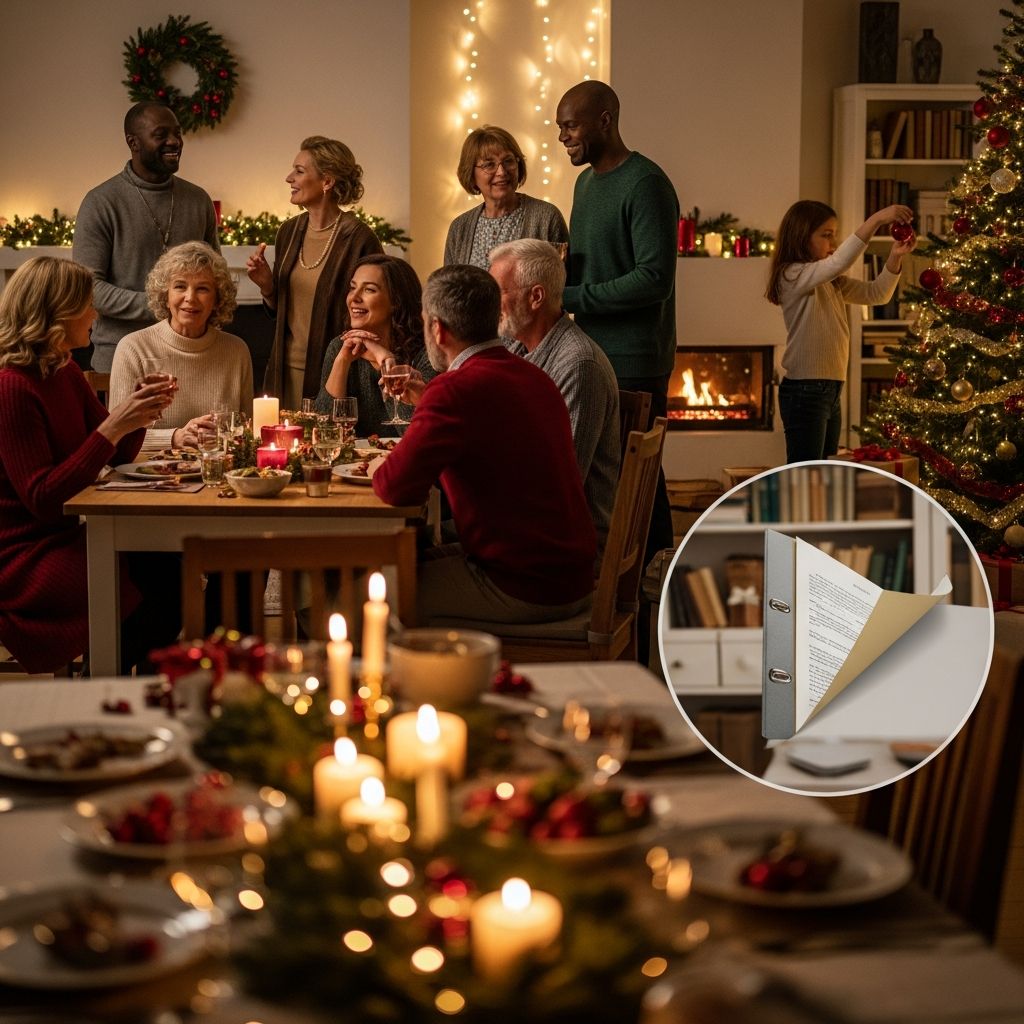
Understanding Host Liability During Holiday Celebrations
When you invite family and friends to your home for holiday gatherings, you assume certain legal responsibilities that extend beyond simple hospitality. As a homeowner or property occupant hosting a celebration, you may be held liable for injuries or accidents that occur on your premises, particularly if negligence played a role. This concept, known as host liability, requires property owners to maintain reasonably safe conditions and warn guests of known hazards. Understanding these obligations helps protect both your guests and your legal standing.
Host liability laws vary significantly by state, but the general principle remains consistent: hosts have a duty of reasonable care toward their guests. This means taking reasonable steps to prevent foreseeable injuries and addressing known dangers. Failure to do so can expose you to legal claims, which may include medical bills, lost wages, and other damages if a guest is injured due to your negligence. The key word here is negligence—you are not responsible for all injuries, only those resulting from your failure to exercise reasonable care.
The Duty of Care: What Property Owners Must Provide
Your legal duty of care encompasses multiple dimensions of property maintenance and guest management. First, you must ensure that your home’s structural elements, including floors, stairs, handrails, and lighting, are in safe working condition. This means identifying and addressing tripping hazards, broken steps, or inadequate illumination that could cause falls. Second, you must maintain kitchen appliances and heating systems in proper working order, as malfunctioning equipment can lead to fires, electrical shocks, or other hazards. Third, you should address environmental hazards such as snow and ice on walkways, unsecured rugs, or cluttered pathways that guests might traverse.
Beyond physical infrastructure, your duty of care includes warning guests about known dangers that are not immediately obvious. For example, if you have a loose floorboard in a guest bedroom or a slippery bathroom floor, you should communicate these hazards verbally or through warning signs. Additionally, if you are aware of a dangerous condition on your property—such as an unstable railing or a gap in fencing—you must either repair it or clearly warn guests to avoid the area.
Protecting Your Home from Unauthorized Entry During Extended Absences
Holiday gatherings often coincide with extended time away from home if guests are traveling or if you yourself are leaving after the celebration. An empty or sparsely occupied home during the holiday season presents security vulnerabilities that can increase your legal liability if a break-in occurs and an intruder is injured on your property. Many homeowners are surprised to learn that they may have limited liability protection if a burglar is injured while committing a crime in their home, though this varies by jurisdiction.
To minimize security risks and maintain homeowner’s insurance coverage, take several preventative measures. Lock all doors and windows, including often-overlooked entry points like garage doors, basement windows, and sliding doors. Use light timers to create the appearance that someone is home, which deters potential break-ins. Remove valuables from window views and clear deliveries from your porch, as packages visible from the street signal an absent homeowner. Consider asking a trusted neighbor to monitor your property, collect mail, and report any suspicious activity. Installing a working security system and ensuring it is armed before you leave adds another layer of protection and may reduce your homeowner’s insurance premiums.
Safe Food Handling and Foodborne Illness Liability
One of the most significant liability risks during holiday gatherings stems from foodborne illness. When you prepare and serve food to guests, you are responsible for maintaining food safety standards. If a guest becomes ill from contaminated food served at your home, you could face legal claims alleging negligence in food preparation or storage. While private home cooks have more limited liability compared to commercial food establishments, negligence in food handling can still expose you to lawsuits.
Following proper food safety protocols protects both your guests and your legal position. The foundation of food safety rests on four essential practices: cleaning, separating, cooking, and chilling. Wash your hands, utensils, and cutting boards frequently, especially after handling raw meat. Separate raw proteins from ready-to-eat foods to prevent cross-contamination. Cook poultry, including turkey, to an internal temperature of 165 degrees Fahrenheit, verified with a reliable meat thermometer. Refrigerate perishable foods promptly and do not leave prepared dishes at room temperature for more than two hours. If you are uncertain about cooking times or temperatures for specific dishes, consult authoritative food safety resources provided by government health agencies.
Kitchen Safety and Injury Prevention
The kitchen becomes a high-risk zone during holiday meal preparation, particularly when multiple family members are cooking simultaneously and time pressure mounts. Kitchen injuries—including burns, cuts, and falls—constitute a significant portion of emergency room visits during the Thanksgiving and Christmas periods. Your responsibility as a host includes preventing foreseeable kitchen injuries through proper equipment maintenance, hazard identification, and supervision practices.
Kitchen fire prevention should be a primary focus. The majority of home fires originate in kitchens, and holiday cooking days see elevated fire incidents due to increased appliance use and unattended cooking. Ensure that smoke detectors and fire extinguishers are in good working condition and easily accessible. Never leave cooking food unattended, particularly when using deep fryers or managing multiple stovetop dishes simultaneously. Keep flammable items—including dish towels, oven mitts, and food packaging—at least three feet away from heat sources. If a grease fire occurs, smother it by sliding a lid over the pan and turning off the burner; never use water on a grease fire, as this will spread the flames.
Beyond fire prevention, address burn and cut hazards. Turn pot handles inward so children and pets cannot accidentally bump them and cause scalding spills. Use sharp knives rather than dull ones, as counterintuitively, sharp blades require less force and are less likely to slip and cause serious cuts. Avoid wearing loose or billowy clothing that could catch on heat sources or appliance knobs. Clean spills immediately to prevent slips and falls, particularly in high-traffic areas between the kitchen and dining space. If children are present, establish clear boundaries about which areas are off-limits during food preparation.
Alcohol Service and Dram Shop Liability
Many holiday celebrations include alcoholic beverages, which introduces additional legal considerations. If you serve alcohol to guests and someone becomes intoxicated to the point of impairment, you may face dram shop liability if that person subsequently injures themselves or others. Laws governing host responsibility for serving alcohol vary by state, but many jurisdictions hold property owners accountable if they knowingly serve alcohol to visibly intoxicated individuals or to minors.
To manage alcohol-related liability, implement responsible serving practices. Monitor guest consumption and avoid serving additional alcohol to anyone showing signs of intoxication. Never serve alcohol to anyone under the legal drinking age, regardless of parental consent or claims of maturity. If guests are drinking, arrange alternative transportation through designated drivers, ride-sharing services, or taxi services. Communicate these options clearly at the beginning of the gathering so guests can plan accordingly. If you observe a guest becoming dangerously intoxicated, it is within your rights—and arguably your responsibility—to request they stop drinking or to arrange transportation home.
Guest Conduct and Third-Party Injuries
A more complex liability scenario arises when a guest injures another guest or damages property during your holiday gathering. Your responsibility in these situations depends on whether the injury resulted from your negligence in maintaining the property or whether it stemmed from the guest’s own reckless behavior. Generally, you are not liable for injuries caused by a guest’s intentional misconduct or grossly negligent actions, though you may be liable if you knew of a guest’s dangerous propensity and allowed them to attend or if you served alcohol knowing they would drive.
To minimize risks related to guest conduct, communicate expectations about appropriate behavior. If you know of guests who have a history of aggressive behavior or substance abuse issues, consider whether inviting them creates an unreasonable risk to other attendees. While you cannot refuse entry based on general characteristics, you can make judgment calls about individuals with documented patterns of dangerous conduct. If confrontations occur during the gathering, intervene calmly to separate parties and consider asking individuals to leave if their behavior threatens others’ safety.
Travel-Related Legal Considerations
Holiday travel associated with gatherings introduces additional legal responsibilities, particularly if you are providing transportation to guests. If you drive guests to a celebration or facilitate their travel, you have a duty to operate your vehicle safely and not to drive under the influence of alcohol or drugs. Many jurisdictions have enhanced penalties for impaired driving during holiday periods when travel volume is highest and enforcement is increased.
If you are traveling as a guest, review your own vehicle’s insurance coverage and ensure you have emergency supplies including water, blankets, phone chargers, and first aid kits. Use seat belts consistently and avoid distracted driving, even during short trips. The combination of heavy traffic, adverse weather, and holiday stress significantly elevates accident risk during this period. If you will be away from home for an extended period, take the security precautions mentioned earlier to protect your property from break-ins.
Documentation and Insurance Considerations
Before hosting a holiday gathering, review your homeowner’s insurance policy to understand what liability coverage you have in place. Most standard homeowner’s policies provide general liability coverage, which protects you if a guest is injured due to your negligence. However, coverage limits vary, and certain activities—such as serving alcohol or hosting large parties—may be excluded or subject to limitations. Contact your insurance agent to discuss your specific policy and consider whether additional coverage is warranted based on the size of your gathering.
If an injury does occur, document the incident thoroughly. Take photographs of the location where the injury happened, note environmental conditions, and collect contact information from all witnesses. Do not admit fault or apologize in ways that could be construed as admission of liability. Instead, provide factual accounts of what happened. If a guest claims an injury, notify your insurance company promptly, even if the injury seems minor at the time.
Frequently Asked Questions
Q: Am I liable if a guest is injured by another guest’s actions?
A: Generally, you are not liable for injuries caused by another guest’s intentional or grossly negligent conduct. However, if you knew the guest had a dangerous propensity and invited them anyway, or if you created the dangerous situation through negligent maintenance, you may have liability. The key factor is whether you exercised reasonable care in maintaining your property and supervising your gathering.
Q: What should I do if a guest is injured in my home?
A: First, ensure the injured person receives appropriate medical attention by calling 911 if necessary. Document the incident with photographs and written notes. Collect contact information from witnesses. Notify your homeowner’s insurance company as soon as possible. Avoid discussing fault or apologizing in ways that admit liability. Consult with your insurance company before having discussions with the injured party about compensation.
Q: Can I be held liable if someone becomes intoxicated at my gathering and drives?
A: Yes, many states have dram shop laws that hold hosts liable if they knowingly serve alcohol to visibly intoxicated individuals or minors who then cause injury to themselves or others. To protect yourself, monitor consumption, avoid serving obviously intoxicated guests, and arrange alternative transportation options before guests begin drinking.
Q: Should I ask guests to sign a waiver absolving me of liability?
A: Liability waivers have limited enforceability in most states, particularly for social gatherings in private homes. Courts are generally reluctant to enforce waivers that attempt to exempt someone from liability for their own negligence, especially gross negligence. However, posting a sign warning of known hazards or including a disclaimer in your invitation may offer some protection.
Q: What is the difference between negligence and accidents?
A: An accident is an unforeseeable event that no one could have prevented through reasonable care. Negligence is the failure to exercise reasonable care, resulting in injury or damage. You are liable for negligence but generally not for accidents. The distinction depends on whether a reasonable person should have foreseen the risk and taken steps to prevent it.
Creating a Culture of Safety and Responsibility
Hosting a holiday gathering should be an enjoyable experience, not a source of legal anxiety. By understanding your responsibilities as a host and implementing practical safety measures, you can create an environment where guests feel welcome and protected. Start by conducting a thorough inspection of your property before the gathering, identifying and addressing potential hazards. Communicate safety expectations to guests in a friendly manner, whether through verbal reminders about kitchen boundaries or by making transportation options visible. Maintain proper documentation of your property’s condition and your safety efforts, which can support your position if liability questions arise.
The goal is not to eliminate all risk—that is impossible in any social gathering—but rather to exercise reasonable care and demonstrate that you have taken prudent steps to protect your guests. By doing so, you protect both your guests’ wellbeing and your own legal position, allowing you to focus on what the holiday season is truly about: creating meaningful memories with the people you care about.
References
- Thanksgiving Safety Tips for a Healthy and Happy Holiday — American Red Cross. 2025. https://www.redcross.org/local/texas/central-and-south-texas/about-us/news-and-events/news/thanksgiving-safety-tips-healthy-happy-holiday.html
- Put Safety on the Menu: Consumer Product Safety Commission Offers Safe Cooking Tips for a Joyful Holiday Season — U.S. Consumer Product Safety Commission. 2026-01-15. https://www.cpsc.gov/Newsroom/News-Releases/2026/Put-Safety-on-the-Menu-Consumer-Product-Safety-Commission-Offers-Safe-Cooking-Tips-for-a-Joyful-Holiday-Season
- Enjoy a Safe and Healthy Holiday Season — National Safety Council. 2025. https://www.nsc.org/community-safety/safety-topics/seasonal-safety/winter-safety/holiday
- Thanksgiving Safety — U.S. Air Force Safety Center. 2025. https://www.safety.af.mil/Divisions/Occupational-Safety-Division/Fall-Safety/Thanksgiving-Safety/
- Carving Out Safe Travels: Thanksgiving Safety Tips From FCPD — Fairfax County Police Department. 2025-11-24. https://fcpdnews.wordpress.com/2025/11/24/carving-out-safe-travels-thanksgiving-safety-tips-from-fcpd/
Similar Articles








Read full bio of medha deb


