
Holiday DUI Prevention: Practical Tips to Stay Safe
Understand holiday DUI risks, legal consequences, and smart strategies to celebrate safely without endangering yourself or others on the road.
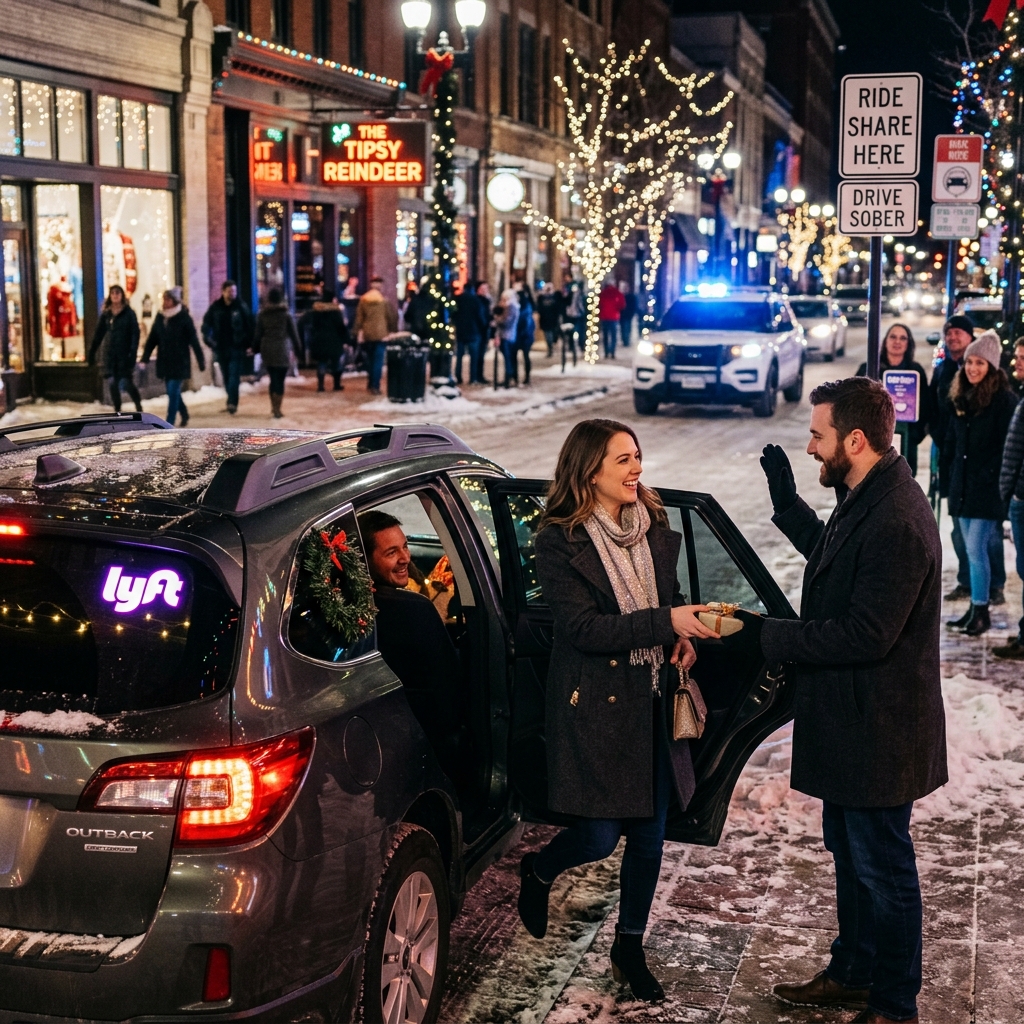
The holiday season often brings together friends, family, and festive traditions, but it also leads to a noticeable increase in impaired driving and alcohol-related crashes. Planning ahead and understanding the legal and safety stakes can help you enjoy celebrations without risking a DUI charge or a serious collision.
Why Holiday Impaired Driving Is Especially Dangerous
During major holidays, more drivers are on the road, many are traveling long distances, and alcohol consumption is often higher than usual. Government data consistently show that impaired driving crashes spike around late-year holidays and weekends, especially between midnight and 3 a.m. This combination of heavier traffic, nighttime driving, and alcohol or drug use creates a high-risk environment for everyone on the road.
- Higher crash rates: Fatal crashes caused by impaired drivers occur more frequently on weekend nights and holiday periods.
- Lower visibility: Many celebrations end after dark, when visibility is limited and reaction time is critical.
- Fatigue and distraction: Long travel days, crowded events, and digital distractions can compound the effects of alcohol and other impairing substances.
Understanding these risk factors is the first step toward making safer choices throughout the holiday season.
Legal Consequences of a Holiday DUI
A DUI or DWI charge is not simply a traffic ticket; it carries long-term consequences that extend far beyond the holidays. While laws vary by state, impaired driving enforcement intensifies during the winter holidays through national campaigns such as Drive Sober or Get Pulled Over. A single decision to drive after drinking or using drugs can trigger criminal, financial, and personal consequences.
| Type of Consequence | Typical Impact |
|---|---|
| Criminal penalties | Fines, probation, and possible jail time; penalties often increase with prior offenses or injuries caused. |
| License sanctions | Suspension or revocation of driving privileges, sometimes with mandatory ignition interlock devices. |
| Financial impact | Higher insurance premiums, court costs, legal fees, and potential loss of employment. |
| Civil liability | Potential lawsuits if someone is injured or killed in an impaired driving crash. |
| Long-term record | A DUI conviction may remain on your record for years, affecting housing, licensing, and job opportunities. |
When law enforcement increases roadside patrols and sobriety checkpoints during holiday periods, the likelihood of detection rises significantly. Choosing a sober ride is not only safer; it is also the most effective way to avoid these serious legal outcomes.
Core Principles for Holiday DUI Prevention
Most holiday DUI incidents are preventable. A few core principles guide effective prevention:
- Plan before you drink: Decide in advance how you will get home safely and who will drive.
- Separate partying from driving: If you intend to consume alcohol or drugs that impair driving ability, do not plan to drive yourself.
- Use sober resources: Designated drivers, rideshare services, taxis, and public transportation significantly reduce impaired driving risk.
- Speak up: Intervening when you see someone about to drive impaired can prevent injuries and save lives.
These principles apply whether you are attending a gathering, hosting one, or simply sharing the road with others.
Smart Planning Before Holiday Events
Effective planning starts well before you arrive at a party or celebration. Taking a few minutes to set up safe transportation arrangements greatly reduces your chance of facing a DUI stop or crash.
Choose a Reliable Sober Ride
- Designate a driver: Agree in advance that one person in your group will remain sober for the entire event and be responsible for getting everyone home.
- Rideshare and taxis: Keep accounts and payment methods updated for rideshare services and local taxi companies so you can request a ride quickly.
- Public transportation: Many cities offer extended hours or special holiday programs giving discounted or free rides to help prevent impaired driving.
- Overnight plans: Consider staying with a friend or booking a nearby hotel if you expect the event to involve heavy drinking.
Once you have a plan, communicate it with your group so that everyone knows how they will return safely.
Know Your Limits and Timing
Alcohol affects coordination, judgment, and reaction time long before obvious signs of intoxication appear. The safest choice is to avoid driving entirely if you plan to drink. However, if you unexpectedly consume alcohol, you should treat driving as off-limits for the rest of the day or night.
- Do not rely on “feeling fine”: Many impaired drivers believe they can still drive safely, even when objective measures show otherwise.
- Avoid “sleeping it off” in the car: In many jurisdictions, you can be arrested for DUI even if you are asleep in a vehicle while intoxicated, depending on the circumstances and control of the vehicle.
- Allow more time: Give yourself enough time after the event to use safe transportation rather than rushing and deciding to drive.
When in doubt, treat any level of impairment as incompatible with safe driving.
Hosting Responsibilities: Making Your Party Safer
Party hosts play a crucial role in preventing holiday DUIs. As a host, you are in a strong position to encourage safe choices, provide alternatives, and intervene if necessary.
Provide Safe Beverage Options
- Offer non-alcoholic drinks: Keep water, soft drinks, and creative mocktails easily available and appealing so guests have alternatives to alcohol.
- Serve food: Providing substantial snacks or meals can slow alcohol absorption and help guests pace themselves.
- Limit late-night alcohol service: Stop serving alcohol well before the party ends to reduce the number of heavily impaired guests at departure time.
Encourage and Support Safe Departures
- Promote designated drivers: Ask guests early in the evening about their transportation plans and encourage them to appoint a sober driver.
- Help arrange rides: Offer to call a rideshare, taxi, or another sober friend for a guest who should not drive.
- Offer sleeping space: When possible, allow impaired guests to stay overnight instead of driving home.
- Take keys if necessary: If someone is about to drive while clearly impaired, take their keys and help them find a safer option; this may be the most valuable gift you give them.
By setting clear expectations and providing safe alternatives, hosts can greatly reduce the risk that any guest leaves and drives under the influence.
Recognizing and Avoiding Impaired Drivers on the Road
Even if you are driving sober, you may encounter others who are not. Recognizing signs of impairment and responding appropriately can protect you and your passengers.
Common Signs of an Impaired Driver
- Unexplained or frequent braking without traffic reasons.
- Stopping far before or after stop lines or signals.
- Swerving, drifting across lanes, or hitting curbs.
- Driving significantly below or above the speed limit without clear cause.
- Delayed reaction to traffic signals and hazards.
Safe Ways to Respond
- Keep your distance: Increase following distance and avoid driving directly beside a suspected impaired driver.
- Do not attempt to stop them yourself: Personal intervention on the roadway can create additional danger.
- Safely pull over if needed: If a driver’s behavior makes you feel unsafe, slow down, change lanes, or pull over to a safe location until they are no longer nearby.
- Contact authorities: Once you are safely stopped, call local law enforcement or emergency services to report the vehicle and its behavior.
Remaining calm, increasing distance, and relying on trained professionals are the best strategies when sharing the road with a suspected impaired driver.
Understanding Alcohol, Drugs, and Their Impact on Driving
Impairment is not limited to alcohol. Illegal drugs, some prescription medications, and certain over-the-counter products can affect alertness, coordination, concentration, and reaction time. Combining substances—such as alcohol and sedating medications—often magnifies these effects.
- Alcohol: Even moderate drinking can slow reaction time and impair judgment, increasing crash risk.
- Cannabis and other drugs: These substances may alter perception, timing, and coordination, and in many jurisdictions can lead to a DUI just like alcohol.
- Medications: Labels that warn against operating heavy machinery generally apply to driving; heed these warnings and consult your healthcare provider if unsure.
National safety campaigns emphasize that if you feel different from your normal state, you drive differently. The safest assumption is that any buzzed, high, or sedated state is incompatible with driving.
Holiday DUI Prevention Checklist
Use this quick checklist before every holiday outing:
- Have you arranged a sober ride home in advance?
- Does at least one person in your group know they are the designated driver?
- Are your rideshare or taxi apps set up and ready?
- Do you know local transit hours if using public transportation?
- Have you discussed safe departure plans with your host or guests?
- Do you understand that feeling buzzed means you should not drive?
If any answer is “no,” take a moment to correct it before you head out. These simple steps significantly reduce your risk of a DUI or a serious crash.
FAQs: Common Holiday DUI Questions
1. Is it ever safe to drive after just a couple of drinks?
There is no universally safe amount of alcohol for driving. Alcohol affects judgment and coordination before obvious signs appear, and individual tolerance varies widely. The most reliable way to avoid a DUI and a crash is to avoid driving any time you have been drinking.
2. Can I be charged with DUI if I sleep in my car instead of driving?
In some jurisdictions, you may still face DUI charges if you are intoxicated and in control of a vehicle, even if you are not actively driving. Laws differ, but “sleeping it off” in the driver’s seat, with keys available, can be risky legally and physically. It is safer to arrange an alternate ride or stay where you are.
3. Do prescription or over-the-counter drugs count as impaired driving?
Yes. If a medication affects your alertness, coordination, or reaction time, driving under its influence may be treated as impaired driving. Always follow label warnings and talk with your healthcare provider about whether you can safely drive while taking specific medications.
4. What should I do if I see a friend about to drive after drinking?
Speak calmly but firmly, explain your concern, and offer alternatives such as calling a rideshare, arranging a taxi, or offering a place to stay. If necessary, take their keys and involve other trusted friends to help reinforce the message.
5. How do national campaigns help reduce holiday DUIs?
Programs such as Drive Sober or Get Pulled Over increase enforcement visibility and public awareness of impaired driving dangers and consequences. These efforts, combined with local initiatives and community education, aim to discourage impaired driving and encourage the use of sober transportation options.
References
- Holiday impaired driving prevention — Texas Department of Insurance. 2023-11-20. https://www.tdi.texas.gov/tips/safety/holidaydrive.html
- Drive Sober This December — and Every Month — National Highway Traffic Safety Administration (NHTSA). 2023-12-01. https://www.nhtsa.gov/drive-sober-december-and-every-month
- Winter Holidays — Drive Sober or Get Pulled Over — Traffic Safety Marketing, U.S. DOT/NHTSA. 2023-12-01. https://www.trafficsafetymarketing.gov/safety-topics/drunk-driving/drive-sober-or-get-pulled-over/winter-holidays
- Safety Tips for Driving During the Holidays — R&R Insurance Services. 2016-12-13. https://www.myknowledgebroker.com/blog/drunk-driving-safety-tips-for-the-holidays
- Holiday Safety Tips for National Impaired Driving Prevention Month — Lawter & Associates, PLLC. 2022-12-01. https://www.lawterlaw.com/posts/holiday-safety-tips-for-national-impaired-driving-prevention-month/
- Tips to Prevent Drunk Driving During the Holidays — Meemic Insurance Company. 2018-12-19. https://www.meemic.com/member-services/safety-information-center/tips-to-prevent-drunk-driving-durning-the-holidays
- How to Avoid DUIs This Holiday Season — VanMeveren Law Group, P.C. 2017-12-01. https://lawfortcollins.com/blog/how-to-avoid-duis-this-holiday-season
Similar Articles








Read full bio of Sneha Tete




