
Holiday Driving: How to Avoid a DUI and Get Home Safely
Practical strategies to prevent holiday drunk driving, protect your rights, and keep every trip to and from celebrations safe and legal.
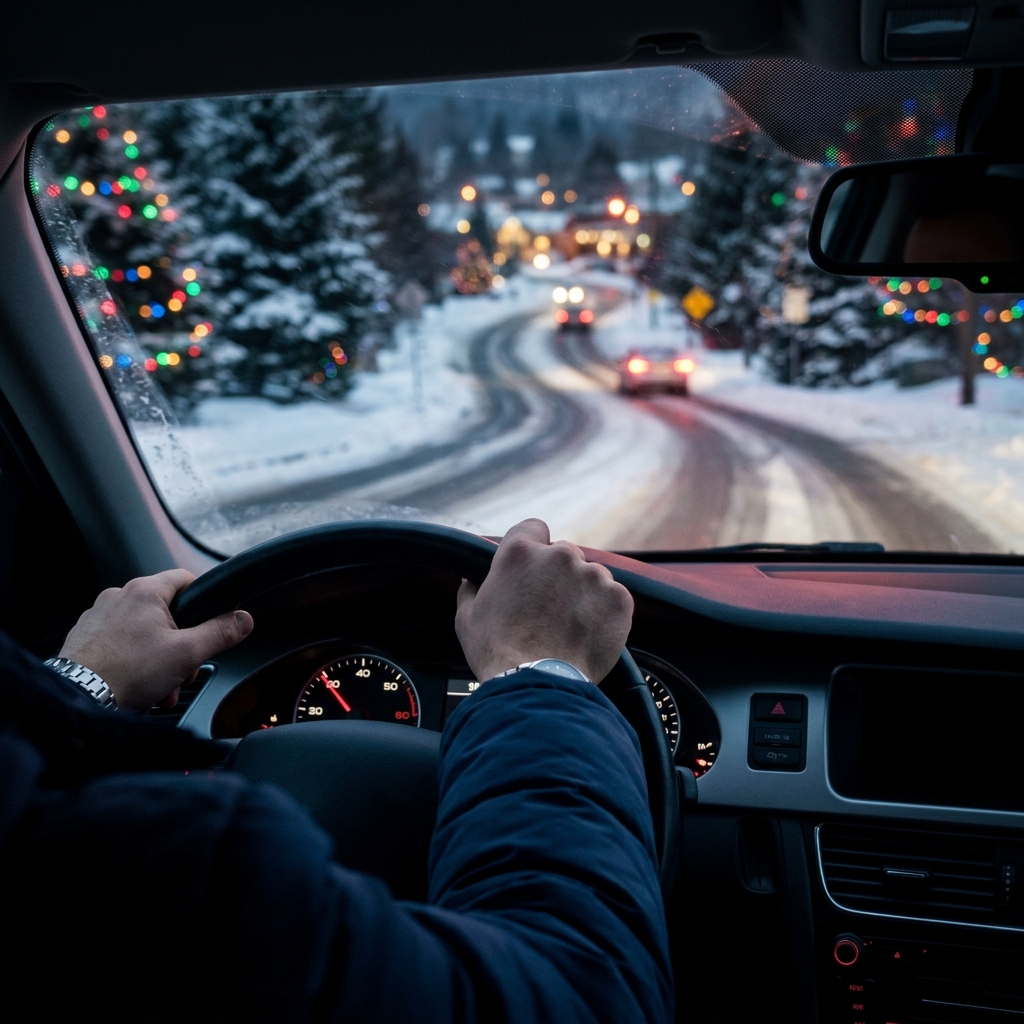
Holiday gatherings, office parties, and family dinners often involve alcohol, late nights, and long drives. That combination makes the holiday season one of the riskiest times of the year for drunk driving crashes and DUI arrests. Understanding how to plan ahead, drive defensively, and stay on the right side of the law can keep celebrations memorable for the right reasons.
This guide explains how alcohol affects driving, outlines concrete steps to prevent a holiday DUI, and highlights key legal and liability issues if something goes wrong. It is for drivers, passengers, and hosts who want a practical and legally informed approach to safe holiday travel.
Why the Holidays Are High-Risk for DUI Incidents
During major holidays, more people travel, more alcohol is served, and many drivers are on unfamiliar roads or driving at night. According to national safety organizations, holiday periods regularly show spikes in impaired-driving crashes and serious injuries. Several factors interact to create this risk:
- Increased alcohol consumption: Parties and family reunions often feature alcohol and festive drinks, raising the likelihood that some guests drive home impaired.
- Long-distance and late-night travel: Travelers may drive for hours after a long day, combining fatigue with possible alcohol use.
- Heavier traffic: Congested roads reduce reaction time, making any level of impairment more dangerous.
- Adverse weather: Winter holidays often include snow, ice, or heavy rain, which already demand extra caution and sober judgment.
- Social pressure: Guests may feel obligated to stay late, drink more than planned, or drive themselves home despite safer alternatives.
Because of this combination, law enforcement agencies routinely increase patrols, sobriety checkpoints, and enforcement campaigns around major holidays. A single poor decision can lead not only to fines and license suspension, but also to serious injuries or loss of life.
Understanding Impairment: How Alcohol Affects Driving
Many drivers underestimate how quickly alcohol impairs the skills needed for safe driving. Impairment begins at relatively low blood alcohol concentrations and affects multiple aspects of performance:
- Judgment and decision-making: Alcohol makes it harder to evaluate risk, leading drivers to speed, follow too closely, or attempt unsafe maneuvers.
- Reaction time: Even mild impairment slows responses to sudden stops, pedestrians, or changing lights.
- Coordination and control: Steering, braking smoothly, and maintaining lane position become more difficult.
- Attention and focus: Alcohol makes it harder to divide attention among mirrors, gauges, road conditions, other vehicles, and navigation.
- Vision: Low-light conditions during holiday nights magnify alcohol’s effects on depth perception and peripheral vision.
Importantly, a driver’s subjective feeling of being “fine to drive” does not reliably track actual impairment. By the time judgment is impaired, the ability to assess one’s own fitness to drive is already compromised.
Core Strategies to Prevent a Holiday DUI
Preventing a holiday DUI starts long before you put the key in the ignition. These strategies combine practical planning with legal awareness to minimize risk.
Plan Your Transportation Before Drinking
The safest approach is to assume that if you plan to drink at all, you will not drive. Effective planning might include:
- Designating a sober driver: Decide in advance who will remain alcohol-free and be responsible for driving everyone home.
- Using public transit or rideshare services: Buses, trains, taxis, and licensed rideshare drivers provide alternatives that remove the need to drive.
- Staying overnight: Arrange to sleep at the host’s home or nearby accommodations so you can drive the next day when sober.
- Coordinating with family and friends: Share arrival and departure plans, including who will pick up anyone who should not drive.
Making these decisions before alcohol is served is crucial; once drinking begins, people are more prone to rationalizing unsafe choices.
Maintain a Sober-Driving Culture Among Your Group
Groups that treat sober driving as normal and non-negotiable dramatically reduce DUI risk. Helpful habits include:
- Open conversations: Talk honestly about how each person plans to get home and who will abstain from alcohol.
- Encouraging alternatives: Support friends who choose not to drink when they are driving, and offer to split the cost of rideshare options.
- Intervening respectfully: If someone seems impaired, calmly offer a ride, call a cab, or suggest staying overnight rather than letting them drive.
Protect Yourself with Defensive Driving
Even if you are sober, other drivers might not be. Defensive driving techniques can help you avoid collisions caused by impaired drivers:
- Increase following distance: Leave more space than usual between your vehicle and the one ahead, especially at night or in heavy traffic.
- Anticipate erratic behavior: Watch for vehicles that weave, brake unexpectedly, or accelerate without reason.
- Avoid aggressive moves: Do not tailgate, cut off other drivers, or respond to aggressive behavior; create distance instead.
- Choose safer routes: When possible, favor well-lit, familiar roads over shortcuts or poorly maintained back roads.
- Stay focused: Put your phone away, minimize in-car distractions, and concentrate fully on the driving task.
Prepare Your Vehicle and Emergency Supplies
A well-maintained vehicle and basic emergency supplies cannot prevent alcohol impairment, but they can reduce the harm from unexpected events, breakdowns, or weather-related hazards.
| Category | Key Actions |
|---|---|
| Vehicle Maintenance | Check brakes, lights, windshield wipers, tires, and fluid levels before long trips. |
| Emergency Kit | Include blankets, flashlight, flares or triangles, jumper cables, first-aid kit, water, snacks, and phone charger. |
| Trip Planning | Review directions, check traffic and weather, and allow extra time to avoid rushing. |
| Driver Readiness | Get adequate sleep, avoid driving when drowsy, and take regular breaks on longer trips. |
Legal Consequences of a Holiday DUI
DUI laws vary by jurisdiction, but the consequences are consistently serious. Understanding typical outcomes can highlight why prevention is so important.
Typical DUI Penalties
Depending on local law, prior record, and injury severity, a DUI conviction may lead to:
- Fines and court costs: Financial penalties can range from hundreds to thousands of dollars.
- License suspension or revocation: Driving privileges may be restricted or removed for months or years.
- Probation or incarceration: Courts may impose probation, community service, or jail time, especially if injuries or repeat offenses are involved.
- Mandatory education or treatment: Many jurisdictions require DUI education programs or substance use assessments.
- Ignition interlock devices: Some drivers must install breath-testing devices in their vehicles to start the engine.
- Long-term record impact: A DUI can affect employment, professional licensing, insurance rates, and future legal proceedings.
While specifics differ, most jurisdictions treat holiday periods as enforcement priorities, and courts are unlikely to be lenient when impairment leads to harm.
Civil Liability and Personal Injury Claims
Beyond criminal penalties, impaired drivers who cause crashes may face civil lawsuits for personal injury or wrongful death. Key issues include:
- Negligence: Driving under the influence is typically considered negligent, making it easier for injured parties to prove liability.
- Damages: Victims may seek compensation for medical expenses, lost income, pain and suffering, and property damage.
- Multiple defendants: In some cases, bars, restaurants, or social hosts may face claims under applicable dram shop or social host liability laws, depending on jurisdiction.
- Insurance complications: Insurers may scrutinize claims involving DUI, and coverage disputes can arise.
Because civil and criminal consequences are complex and intersect, anyone involved in a serious impaired-driving incident should consult qualified legal counsel for guidance tailored to local law.
If You Are Stopped on Suspicion of DUI
Holiday enforcement often involves increased traffic stops and checkpoints. While specific rights and obligations differ by location, some general principles help protect your legal position:
- Remain calm and respectful: Aggressive or hostile behavior can escalate the situation and lead to additional charges.
- Provide required documents: Typically, you must present a valid driver’s license, registration, and proof of insurance.
- Know local rules on testing: Many jurisdictions have implied consent laws related to breath, blood, or urine tests; refusal may carry separate penalties.
- Avoid unnecessary admissions: Do not volunteer information about how much you have had to drink; facts can be misinterpreted or used against you.
- Request legal counsel: If arrested, you generally have the right to consult an attorney before making detailed statements.
Because legal standards and rights are location-specific, seeking advice from a local attorney after any DUI-related arrest or serious inquiry is strongly recommended.
How Holiday Hosts Can Help Prevent DUI
Hosts play a crucial role in shaping guest behavior and reducing impaired driving. Practical steps for safer gatherings include:
- Offer non-alcoholic options: Provide appealing alcohol-free drinks and make water easily available.
- Control serving practices: Avoid overserving guests or encouraging rapid drinking through games or rounds.
- Monitor guest condition: Watch for signs of impairment and step in to arrange rides, call taxis, or offer a place to stay.
- End alcohol service early: Stop serving alcoholic drinks well before the end of the event to give guests time to metabolize some alcohol.
- Share transportation information: Have numbers or apps ready for local rideshare or taxi services.
Depending on local law, hosts who serve alcohol to visibly intoxicated adults or to minors may have legal exposure if guests later drive drunk and injure others. Understanding these responsibilities and acting proactively protects both guests and hosts.
Frequently Asked Questions About Holiday DUI Prevention
Does a small amount of alcohol ever make it safe to drive?
There is no universally safe amount of alcohol for driving. Even low levels can affect judgment and reaction time, especially when combined with fatigue, medications, or holiday stress. The safest rule is: if you plan to drink, plan not to drive.
Are holiday DUI penalties different from those at other times of year?
Formal penalty ranges are usually set by statute and apply year-round. However, enforcement activity often increases during holidays, and courts may be less sympathetic when impairment causes harm during known high-risk periods.
What should I do if I am a passenger and the driver seems impaired?
If you suspect the driver is impaired, speak up immediately. Offer to drive if you are sober, suggest stopping and calling for a ride, or refuse to get in the vehicle. It is better to face short-term social discomfort than long-term injury or legal consequences.
How can I talk to family about DUI risks without causing conflict?
Frame the conversation around safety and care, not accusation. Emphasize that planning sober transportation protects everyone and prevents legal trouble. Offer practical solutions, such as rideshare options, designated drivers, or overnight stays.
Do emergency kits really make a difference for DUI prevention?
Emergency kits do not directly prevent DUI, but they are part of comprehensive holiday travel safety. If a sober driver faces a breakdown, bad weather, or other hazards, supplies like blankets, flares, and water can reduce harm while waiting for assistance.
Key Takeaways for a Safe, DUI-Free Holiday Season
Holiday driving requires more than good intentions. It demands clear planning, sober decisions, and respect for legal and safety obligations. You can reduce your risk by:
- Deciding in advance that anyone who drinks will not drive.
- Using designated drivers, rideshare services, or overnight stays.
- Practicing defensive driving and avoiding distractions.
- Preparing your vehicle and carrying an emergency kit for long trips.
- Understanding that DUI consequences include both criminal penalties and potential civil liability.
By making these choices before the first toast of the evening, you protect yourself, your loved ones, and everyone sharing the road this holiday season.
References
- Enjoy a Safe and Healthy Holiday Season — National Safety Council. 2023-11-01. https://www.nsc.org/community-safety/safety-topics/seasonal-safety/holiday
- Holiday Road Safety Tips — U.S. Department of Homeland Security. 2021-11-30. https://www.dhs.gov/employee-resources/news/2021/11/30/holiday-road-safety-tips
- Safe Holiday Travel — Florida Highway Safety and Motor Vehicles. 2023-12-01. https://www.flhsmv.gov/safety-center/driving-safety/holidaytravel/holiday-safety/
- Holiday Driving Safety Tips for a Stress-Free Trip — Mercury Insurance. 2023-12-15. https://www.mercuryinsurance.com/resources/auto/holiday-driving-safety-tips.html
- Summer Driving & Road Trip Tips — National Highway Traffic Safety Administration (NHTSA). 2022-06-01. https://www.nhtsa.gov/summer-driving-tips
- 8 Holiday Driving Safety Tips to Follow This Season — Sokolove Law. 2022-12-10. https://www.sokolovelaw.com/blog/8-safe-driving-tips-for-the-holidays/
Similar Articles








Read full bio of medha deb




