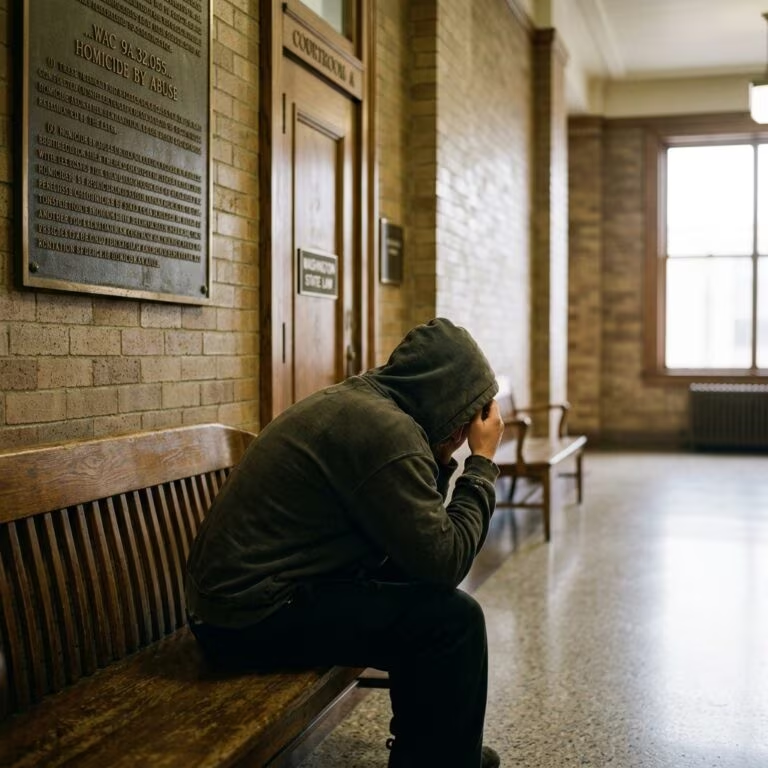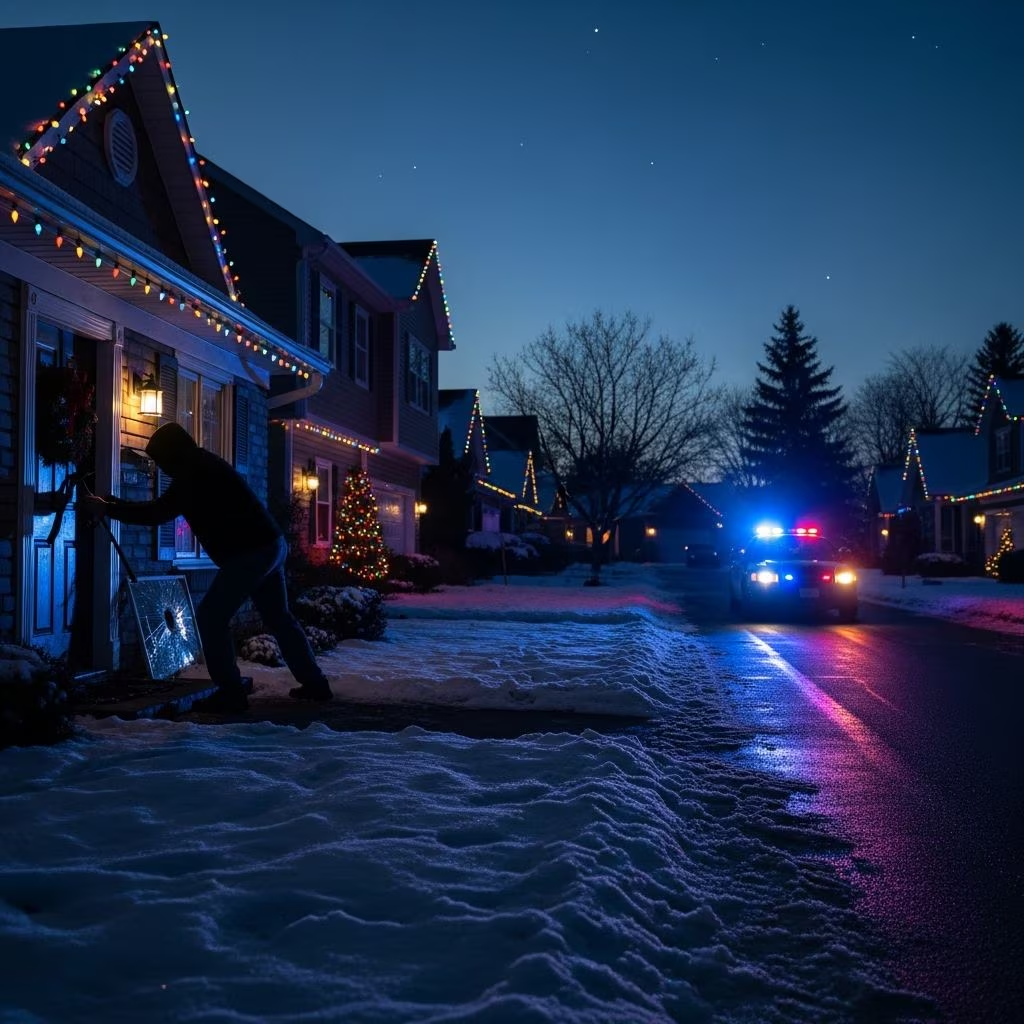
The holiday period from Thanksgiving to New Year’s Day transforms communities with lights, gatherings, and gift-giving, but it also correlates with elevated crime rates. Data from national surveys indicate personal larceny and robbery rise by about 20% in December, driven by opportunity, stress, and indulgence. This article examines prevalent offenses, their underlying causes, statistical patterns, protective measures, and legal ramifications, empowering readers to enjoy celebrations responsibly.
Why Crimes Peak During Festive Times
Holiday spikes in criminal activity stem from multiple factors. Crowded retail spaces create theft opportunities, while increased alcohol consumption fuels impaired driving and disputes. Economic pressures push some toward fraud, and unattended homes invite burglaries. Research using a routine activity theory framework reveals economically motivated crimes like larceny often dip on actual holiday days due to heightened guardianship from family gatherings, yet overall seasonal trends show upticks in shopping-heavy periods.
Seasonal victimization patterns from the Bureau of Justice Statistics confirm violent crimes peak in summer, but property crimes and personal thefts intensify around year-end due to commercial activity. Understanding these dynamics is crucial for prevention.
Retail Theft: The Shoplifting Epidemic
Shoplifting, or petty larceny, surges as stores brim with shoppers distracted by holiday hustle. Items left in carts or concealed in bags lead to arrests, with charges escalating based on value—misdemeanor for under $750, felony above in states like Florida, carrying up to five years imprisonment and $5,000 fines. Nationwide, this offense dominates holiday police logs, exploiting crowded aisles and checkout chaos.
- Common Tactics: Concealing merchandise, price tag switching, or ‘forgetting’ to pay.
- Risk Factors: High-value electronics, jewelry, and toys top stolen lists.
- Consequences: Criminal records impacting employment, plus civil penalties from retailers.
Prevention involves vigilant shopping: use self-checkout cautiously, secure bags, and avoid impulse distractions. Retailers bolster security with AI cameras and plainclothes officers, heightening detection risks.[10]
Impaired Driving: DUI Dangers Amplified
Holidays rank among deadliest for drunk driving, with NHTSA reporting 285 fatalities from Christmas to New Year’s in 2018 alone. Days like Thanksgiving and New Year’s see intensified patrols spotting swerving, slow speeds, or traffic violations. Penalties include license suspension, fines exceeding $1,000, and jail time, escalating for repeat offenses.
| Holiday | Key DUI Risks | Fatality Trends |
|---|---|---|
| Thanksgiving | Post-feast drinking | High due to travel |
| Christmas/New Year’s | Party celebrations | Peak fatalities |
| Fourth of July | Outdoor events | Top seasonal spike |
Designated drivers, rideshares, or public transit mitigate risks. Refusing breath tests invokes implied consent laws, leading to automatic suspensions.
Digital Deceptions: Cyber Fraud and Identity Theft
Online shopping booms invite scams like phishing emails mimicking retailers, fake charity pleas, and gift card fraud. Identity theft via stolen card data or package intercepts affects millions, with California Penal Code 502 classifying cyber intrusions as felonies. Return fraud—buying items to resell returns—also proliferates.
- Prevalent Scams: Bogus shipping alerts, overpayment schemes, eBay auction cons.
- Victim Impacts: Financial losses, credit damage, hours resolving disputes.
- Tech Defenses: Two-factor authentication, antivirus software, verifying URLs.
Federal Trade Commission advises monitoring statements and freezing credit during peaks. Prosecutions yield restitution and prison terms for perpetrators.
Home Invasions: Burglary and Package Pilfering
Vacant residences during travel spur burglaries, though routine activity studies show dips on holiday days from increased home presence. Porch piracy explodes with delivered gifts, comprising a multibillion-dollar issue. Offenders target visible boxes, using lookouts or quick grabs.
Statistics indicate burglaries remain steady seasonally but opportunistic thefts rise with deliveries. Charges range from misdemeanor petty theft to felony home invasion.
- Prevention Strategies: Smart doorbells, delivery hold, neighbor watches.
- Legal Recourse: Evidence like Ring footage aids convictions.
Interpersonal Conflicts: Domestic Violence Rise
Stress from finances, in-law visits, and alcohol ignites family disputes, elevating assaults and disorderly conduct on holidays. While summer peaks overall violence, winter gatherings correlate with domestic incidents, per victimization surveys.
California data post-pandemic shows homicide upticks alongside these, emphasizing intervention needs. Victims access hotlines; offenders face restraining orders and custody losses.
Seasonal Crime Data Insights
Empirical analysis of 2016 U.S. data categorizes holidays by space—private (e.g., Christmas), public (e.g., Independence Day), mixed—revealing fewer economic crimes on holidays due to guardianship. Larcenies dropped across categories versus weekdays, contradicting some expectations of public space spikes.
| Holiday Type | Avg. Larcenies/State | vs. Weekday Avg. |
|---|---|---|
| Private Space | 107.38 | Lower |
| Public Space | 109.96 | Lower |
| Mixed Space | 128.96 | Slightly Higher |
Burglaries similarly declined, supporting reduced offender motivation amid festivities.
Protective Measures for a Safer Season
- Secure valuables and use tracking apps for packages.
- Plan sober transport; host responsibly.
- Verify online deals; shop reputable sites.
- Lock homes, inform neighbors of absences.
- De-escalate tensions; seek counseling if needed.
Communities benefit from awareness campaigns and police visibility, curbing opportunism.
Frequently Asked Questions (FAQs)
What causes the holiday crime increase?
Crowds, financial stress, alcohol, and opportunities drive spikes in theft, DUI, and violence, per national surveys.
Is shoplifting always a felony?
No, it depends on value; under $750 often misdemeanor, over felony with severe penalties.
How can I avoid porch piracy?
Opt for secure lockers, timed deliveries, or pickups; install cameras.
Do holidays reduce overall crime?
Economically motivated crimes like burglary drop on holiday days due to family presence.
What if arrested for holiday DUI?
Contact an attorney immediately; defenses include field test challenges.
Navigating Arrests: Legal Defense Essentials
If charged, rights include silence, attorney access, and evidence challenges. Holiday cases often hinge on video, witness statements, or procedural errors. Experienced counsel negotiates pleas or dismissals, mitigating records.
Pro bono resources and public defenders aid low-income individuals, ensuring fair process.
References
- 3 Most Common Crimes Committed During the Holidays — Tampa Criminal Attorneys. 2021-11. https://www.tampacriminalattorneys.com/criminal-defense-blog/2021/november/3-most-common-crimes-committed-during-the-holida/
- A Routine Activity Approach to Crime on U.S. Holidays — James Madison University Research. 2016 data. https://commons.lib.jmu.edu/cgi/viewcontent.cgi?article=1056&context=jmurj
- Understanding Crimes Around The Holidays — KNK Law Firm. Accessed 2024. https://www.knklawfirm.com/crimes-around-the-holidays/
- The Most Common Holiday Crimes 2020 — Matthew Konecky PA. 2020. https://www.matthewkoneckypa.com/blog/the-most-common-holiday-crimes-2020.cfm
- Top Crimes Committed During the Holidays — WK Law. Accessed 2024. https://www.wklaw.com/top-crimes-committed-holidays/
- Seasonal Patterns in Criminal Victimization Trends — Bureau of Justice Statistics (.gov primary source). https://bjs.ojp.gov/content/pub/pdf/spcvt.pdf