
Hit by Uninsured Driver: Your Action Plan
Essential steps to protect your rights, file claims, and recover compensation after a collision with an uninsured motorist.
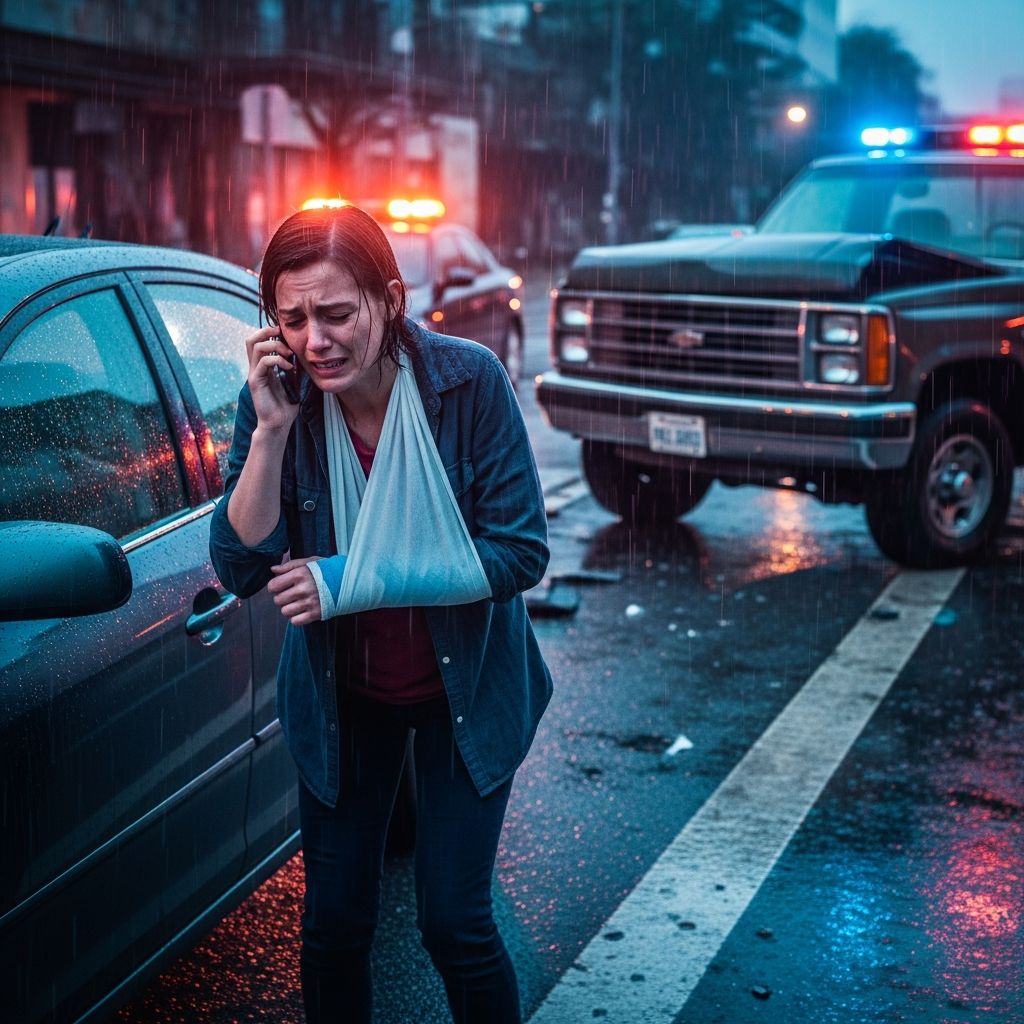
Collisions involving uninsured motorists present unique challenges, as the at-fault party lacks financial backing to cover damages. In the United States, approximately 13% of drivers remain uninsured, heightening the risk for others on the road. This guide outlines a comprehensive strategy to handle such incidents, prioritizing safety, evidence collection, insurance utilization, and potential litigation to secure fair compensation.
Immediate Response at the Accident Scene
The moments following a crash demand quick thinking to ensure safety and build a strong case. First, assess all parties for injuries. Even minor pain warrants medical evaluation, as symptoms like whiplash may emerge later. Dial 911 if injuries are apparent or damage is significant; police presence generates an official report detailing fault, vehicle details, and insurance status, which proves invaluable for claims.
- Prioritize moving to safety: Shift vehicles off the roadway if possible, activating hazard lights.
- Refrain from admitting fault or debating liability; stick to facts when speaking with authorities.
- Request an ambulance if anyone reports dizziness, bleeding, or confusion.
State laws often mandate police notification for accidents exceeding $500 in property damage or any injury. Your insurer may also require this for coverage activation.
Collecting Vital Evidence On-Site
Thorough documentation transforms a vague incident into a substantiated claim. Exchange details with the other driver: full name, phone number, address, driver’s license, vehicle make/model/year, and license plate. Politely request insurance proof; if refused or absent, note it explicitly.
Capture visual records using your smartphone:
- Damage to all vehicles from multiple angles.
- Scene overview, including skid marks, traffic signals, and road conditions.
- Injuries, if visible, and any medical response.
- Witnesses: Obtain names, contacts, and statements.
Avoid roadside settlements, such as cash offers to bypass reporting—these undermine future claims and may violate laws. If the driver flees, report it as a hit-and-run immediately.
Understanding Uninsured Motorist Coverage Essentials
Uninsured Motorist (UM) coverage, mandated in most states, safeguards you when the at-fault driver lacks insurance. It reimburses medical expenses, lost income, pain and suffering, and property damage up to policy limits. UM/UIM (underinsured) extends to scenarios where the other’s coverage falls short.
| Coverage Type | What It Covers | Typical Limits |
|---|---|---|
| Bodily Injury (UMBI) | Medical bills, wages, non-economic damages | $25,000–$100,000 per person |
| Property Damage (UMPD) | Vehicle repairs/replacement | $5,000–$50,000 |
| Underinsured (UIM) | Gaps in at-fault policy | Matches liability limits |
Not all policies include UM automatically; verify yours. In no-fault states like Michigan or New York, Personal Injury Protection (PIP) may apply first, but UM handles excess damages. Without UM, collision coverage (with deductible) aids repairs, while health insurance covers bills—but neither addresses full losses.
Navigating the Insurance Claims Process
Promptly notify your insurer—delays can jeopardize coverage. Provide the police report, photos, witness info, and medical records. Expect these phases:
- Claim Assignment: An adjuster reviews your submission and confirms UM applicability.
- Fault Assessment: Insurers analyze evidence to verify the other’s negligence.
- Uninsured Verification: Cross-checks with DMV records or police data.
- Valuation: Calculates damages, often requiring repair estimates and medical documentation.
- Settlement: Negotiate a fair payout; lowball offers are common—document everything.
Cooperate fully but know your rights. Insurers prioritize profits, so undervaluing claims occurs frequently. Track all communications in writing.
Medical Care and Health Recovery Strategies
Seek treatment immediately, even if uninjured—delayed symptoms complicate claims. Diagnostic tests like MRIs detect hidden issues. Maintain records of all visits, prescriptions, and therapies.
UMBI covers:
- Emergency transport and hospital stays.
- Rehab, chiropractic, and ongoing care.
- Lost earning capacity from disabilities.
Non-economic damages for suffering often exceed tangible costs; journals detailing daily impacts strengthen these claims.
Legal Recourse Against Uninsured Drivers
If UM limits are insufficient or denied, sue the at-fault party. Courts can award judgments for all damages, enforceable via wage garnishment or asset liens. However, uninsured drivers often lack resources, yielding minimal recovery.
In at-fault states, negligence establishes liability. No-fault jurisdictions limit lawsuits to severe injuries. Engage a personal injury attorney early—they operate on contingency, advancing costs. Lawyers investigate, depose witnesses, and negotiate aggressively.
Statute of limitations varies: 2–3 years typically for bodily injury; check state rules.
Financial Protection Without UM Coverage
Lacking UM leaves you vulnerable. Alternatives include:
- Collision/Comprehensive: Repairs minus deductible; subrogation pursues the driver.
- Health/Medicare: Bills only, no lost wages.
- Lawsuit: Direct action, though collection is challenging.
- Med-Pay: Supplemental medical payments.
Shop policies emphasizing high UM limits—cost-effective peace of mind.
Preventing Future Uninsured Driver Risks
Enhance protection via:
- Stacking UM policies for multiplied coverage.
- Dash cams for irrefutable footage.
- Defensive driving courses for discounts and skills.
- Annual policy audits.
Advocacy for stricter enforcement reduces uninsured rates.
Frequently Asked Questions
Can I claim against my insurance if hit as a pedestrian?
Yes, UM covers pedestrians and cyclists if policyholders or relatives.
What if the uninsured driver offers cash on-site?
Decline; it forfeits insurance rights and evidence.
How long to file a UM claim?
Notify immediately; statutes vary, but promptness is key.
Does UM cover rental cars?
Often yes, if primary policy extends; confirm details.
Is UM required nationwide?
No, but 20 states mandate it; others offer opt-out.
State-Specific Considerations Table
| State | UM Requirement | No-Fault Status |
|---|---|---|
| California | Offered, not required | At-fault |
| Florida | Required (PIP) | No-fault |
| Texas | Offered | At-fault |
| New York | Required | No-fault |
Consult state DMV for latest regulations.
References
- What To Do If Hit By An Uninsured Driver — State Farm. 2024-01-15. https://www.statefarm.com/simple-insights/auto-and-vehicles/what-to-do-if-hit-by-uninsured-driver
- Handling an uninsured driver accident — American Family Insurance. 2025-03-10. https://www.amfam.com/resources/articles/on-the-road/accident-with-uninsured-driver
- What Happens When You Are Hit by an Uninsured Driver? — Super Lawyers. 2024-11-20. https://www.superlawyers.com/resources/motor-vehicle-accidents/what-happens-when-you-are-hit-by-an-uninsured-driver/
- What to Do If You Are Hit By An Uninsured Driver — Jeff Green Law. 2025-02-05. https://www.jeffgreenlaw.com/what-do-hit-by-uninsured-driver/
- Insurance Requirements by State — National Association of Insurance Commissioners (NAIC). 2026-01-01. https://content.naic.org/cipr_topics/topic_uninsured_motorists.htm
Similar Articles








Read full bio of medha deb




