
Hit-and-Run Survival Guide: Essential Actions
Discover critical steps to protect yourself, gather evidence, and pursue justice after a hit-and-run accident.
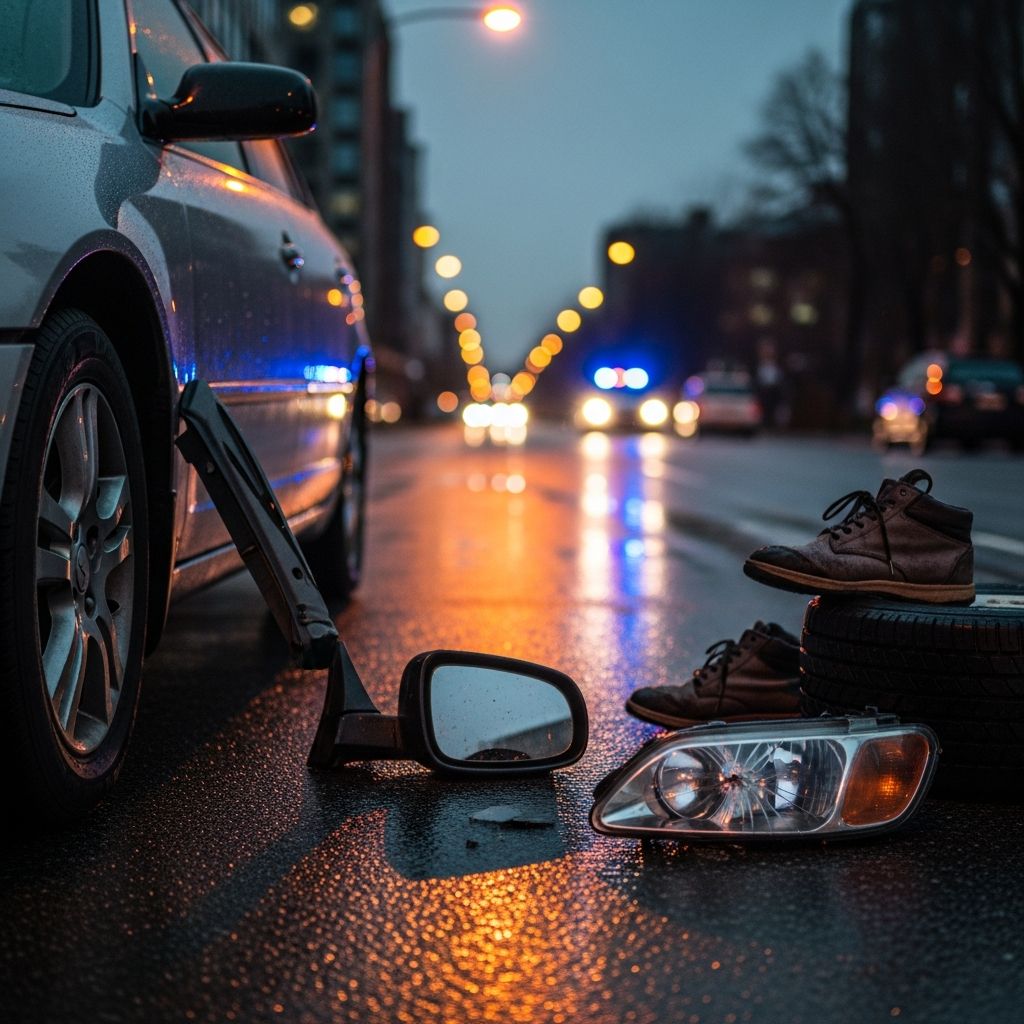
When a driver strikes your vehicle or pedestrian path and flees, the shock can be overwhelming. Hit-and-run incidents leave victims dealing with physical injuries, emotional trauma, and financial burdens without an identifiable at-fault party. Acting swiftly and methodically is crucial to safeguard your health, preserve evidence, and build a strong case for compensation. This guide provides a step-by-step roadmap based on expert recommendations from law enforcement and legal professionals.
Immediate Safety Measures: Your First Priority
The moments following a hit-and-run demand quick thinking to prevent further harm. Your personal safety and that of any passengers or bystanders must come first.
- Assess and relocate if possible: If your vehicle is operational and the road is unsafe, maneuver it to the shoulder or a nearby lot. Activate hazard lights to alert other drivers. If the car cannot move or you’re injured, remain in place and signal for help.
- Check for injuries: Adrenaline often masks pain, so examine yourself and others for signs of trauma like bleeding, dizziness, or whiplash. Even minor-seeming impacts can cause concussions or internal injuries that emerge later.
- Avoid pursuit: Never chase the fleeing driver. This escalates risks of additional collisions, legal complications, or confrontations with potentially dangerous individuals.
Prioritizing safety creates a stable foundation for all subsequent actions. According to the National Highway Traffic Safety Administration (NHTSA), proper post-crash positioning reduces secondary accidents by up to 50% in high-traffic areas.
Activating Emergency Response: Contact Authorities Without Delay
Once safe, dial 911 immediately. This step notifies police of the crime—hit-and-run is a criminal offense in all U.S. states—and dispatches medical aid if needed.
Provide dispatchers with precise details: location, vehicle description (make, model, color, direction of travel, partial plate), your status, and any observed damage. An official police report becomes invaluable evidence for insurance claims and potential criminal prosecution.
| Why Call 911? | Benefits |
|---|---|
| Criminal Notification | Initiates investigation; hit-and-run penalties include fines, license suspension, or jail time. |
| Medical Response | Professional evaluation documents injuries linked to the incident. |
| Evidence Collection | Officers secure the scene, interview witnesses, and log details officially. |
Delays in reporting can weaken your position, as scenes change and memories fade. In states like California and Texas, failing to report promptly may impact claim validity.
Evidence Gathering: Building Your Case from the Ground Up
While awaiting responders, document meticulously. Comprehensive records can identify the perpetrator or substantiate uninsured motorist claims.
- Photograph everything: Capture vehicle damage from multiple angles, skid marks, debris, traffic signals, and surrounding environment. Use timestamps for chronology.
- Note vehicle details: Memorize or jot down the fleeing car’s traits—bumper stickers, dents, roof racks—before it vanishes.
- Secure witness info: Politely request names, phone numbers, and emails from observers. Their statements can corroborate your account.
- Scan for surveillance: Note nearby businesses, traffic cams, or dashcams that might have footage.
Digital evidence is gold in investigations. A study by the Insurance Institute for Highway Safety (IIHS) shows that photo documentation increases claim success rates by 40%. Store files securely and share copies with police.
Medical Attention: Documenting Hidden Injuries
Even if symptoms are absent, seek professional evaluation promptly. Delayed treatment invites disputes from insurers claiming unrelated issues.
Visit an ER, urgent care, or primary physician. Request thorough exams for soft-tissue damage, spinal issues, or traumatic brain injuries common in rear-enders. Medical records establish causation and quantify damages.
- Follow-up care: Attend all recommended therapies; gaps undermine claims.
- Track expenses: Log bills, prescriptions, and lost wages for compensation calculations.
The CDC reports that 30% of crash victims experience delayed symptoms, emphasizing proactive care.
Navigating Insurance Claims: Protecting Your Financial Recovery
Hit-and-runs typically invoke your uninsured/underinsured motorist (UM/UIM) coverage, which pays for damages when the at-fault driver is unknown.
- Report promptly: Contact your agent within 24-48 hours, sticking to facts without speculating fault.
- Submit evidence: Provide police report, photos, witness contacts, and medical docs.
- Avoid settlements hastily: Initial offers undervalue long-term costs like ongoing therapy or pain.
Understand policy limits; some states mandate UM coverage. If inadequate, explore collision/comprehensive options or government claims for road defects.
Legal Advocacy: When to Involve a Personal Injury Attorney
Complex cases benefit from expert guidance. Attorneys negotiate with insurers, investigate further (e.g., subpoenaing footage), and litigate if needed.
- Free consultations: Most work on contingency—no win, no fee.
- Statute of limitations: Varies (1-3 years); act fast.
- Potential recoveries: Medical bills, lost income, pain/suffering, property repair.
Firms specializing in auto accidents boast 3x higher settlements via proven strategies.
Follow-Up Strategies: Maximizing Investigation Outcomes
Post-initial response, stay proactive:
- Revisit the scene for overlooked evidence like paint transfers.
- Follow up with police on case status.
- Check local news or social media for matching descriptions.
- Maintain treatment continuity.
Persistence often yields breakthroughs, such as identified suspects via traffic cams.
Common Mistakes to Avoid After a Hit-and-Run
Pitfalls can derail recovery:
- Admitting fault or speculating to insurers.
- Delaying medical care or police reports.
- Posting accident details on social media.
- Accepting lowball offers without review.
- Neglecting vehicle towing/repair documentation.
Steer clear to preserve claim strength.
Frequently Asked Questions (FAQs)
What if the hit-and-run happens in a parking lot?
Report to non-emergency police line if no injuries. Document via photos and check for cameras; it’s still a reportable offense.
Does my insurance cover hit-and-runs?
Yes, via UM/UIM if included. Verify policy; some states require it.
How long after a hit-and-run can I file a claim?
Typically 1-3 years, but notify insurer immediately for best results.
Can I sue if the driver is never found?
Yes, against your insurer under UM coverage or other liable parties like municipalities.
Is hit-and-run a felony?
Depends on injury/damage; minor cases are misdemeanors, severe ones felonies with jail time.
Regional Considerations Across the U.S.
Laws vary: Texas emphasizes quick reporting, Pennsylvania prioritizes 911, while all stress evidence. Consult local statutes for nuances.
Empower yourself with knowledge. By following these steps, you transform victimhood into proactive recovery, holding accountable those responsible or systems failing you.
References
- National Highway Traffic Safety Administration (NHTSA) – Crash Stats — NHTSA. 2024-01-15. https://www.nhtsa.gov/
- Texas Department of Insurance – Auto Accident Reporting — Texas DOI. 2025-03-10. https://www.tdi.texas.gov/
- Insurance Institute for Highway Safety (IIHS) – Claims Data Report — IIHS. 2024-06-20. https://www.iihs.org/
- CDC – Traumatic Brain Injury & Concussion — Centers for Disease Control. 2025-02-28. https://www.cdc.gov/traumaticbraininjury/
- Federal Highway Administration – Road Maintenance Liability — FHWA. 2024-11-05. https://highways.dot.gov/
- American Bar Association – Personal Injury Contingency Fees — ABA. 2025-01-12. https://www.americanbar.org/
Similar Articles








Read full bio of Sneha Tete




