
Hiring Help For Home Repairs: 7 Essential Steps To Protect You
Practical guidance for choosing contractors, avoiding disputes, and protecting your home repair budget.
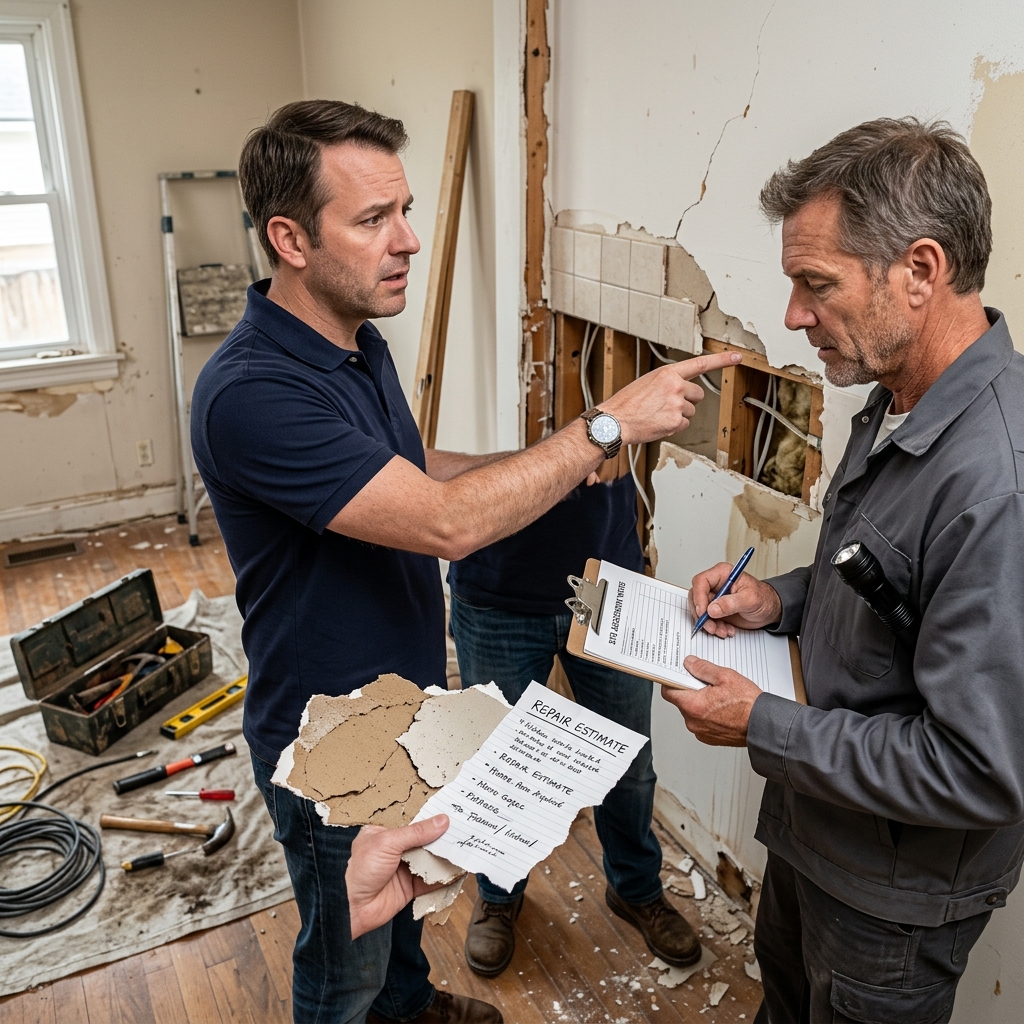
Why Hiring the Right Help Matters
Home repairs can be simple, but they can also turn expensive fast when the work affects safety, structure, plumbing, electrical systems, or water intrusion. Choosing the wrong person can lead to unfinished work, code violations, insurance problems, and repairs that have to be done again. Choosing the right person can save time, reduce stress, and improve the odds that the job is done correctly the first time.
The main challenge is that not every repair job should be treated the same way. Some tasks are manageable for a skilled homeowner, while others require training, licensing, insurance, and knowledge of local rules. Before you hire anyone, it helps to understand what to look for, what to ask, and what to avoid.
Jobs That Usually Call for a Professional
Some projects are too risky to treat as casual handyman work. Anything involving electricity, gas lines, roof leaks, major plumbing, foundation issues, load-bearing walls, mold, or HVAC equipment should generally be handled by a qualified professional. Mistakes in these areas can create fire hazards, flooding, structural damage, or health risks.
Even when a repair appears small, the hidden systems behind it may not be. For example, a wall patch may conceal wiring, a ceiling stain may point to a roof leak, and a slow drain may indicate a larger plumbing problem. A professional is often valuable not just for the labor, but for diagnosing the real cause of the issue.
Before You Contact a Contractor
A smart hiring process starts before you make a call. First, decide exactly what problem you need fixed and what result you want. The clearer your description, the easier it is to compare estimates and spot vague answers. If possible, take photos, measure affected areas, and write down when the issue started and whether it has changed.
It also helps to separate urgent repairs from cosmetic upgrades. A leak, a broken heater, or unsafe wiring should be prioritized over improvements that can wait. That distinction matters because emergency work may require quicker decisions, while non-urgent projects give you time to compare several options.
How to Evaluate a Repair Professional
Good hiring decisions depend on verification, not just promises. Ask for a full business name, a physical address, and a phone number you can confirm. Request proof of licensing where required, and ask whether the contractor carries liability insurance and, if applicable, workers’ compensation coverage. Those documents do not guarantee perfect work, but they are basic signs of legitimacy.
References are also useful, but they should be checked rather than accepted at face value. A reliable contractor should be willing to provide recent customers who had similar work done. When you call, ask whether the project was completed on time, whether the final cost matched the estimate, and how the contractor handled unexpected problems.
Online reviews can help, but they should be treated as one part of the picture. A single glowing review or a single complaint rarely tells the whole story. Look for patterns, such as repeated mentions of poor communication, missed deadlines, surprise charges, or sloppy cleanup.
Warning Signs That Deserve Caution
- The worker appears uninvited and pushes for immediate work.
- You are asked to pay a large deposit in cash before any paperwork is signed.
- The estimate is vague, handwritten, or missing key details.
- The contractor refuses to provide proof of insurance or licensing.
- You are told permits are unnecessary without any explanation.
- The person pressures you to sign right away or claims the offer expires today.
- The business name changes frequently or cannot be verified.
Any one of these may not prove a problem, but several together are a reason to slow down. High-pressure selling is especially concerning because legitimate repair work usually does not require instant decisions. Reputable professionals understand that homeowners need time to compare bids and review contract terms.
Comparing Bids Without Getting Confused
It is wise to ask for multiple quotes, but the lowest number is not always the best value. A good estimate should describe the scope of work, materials, labor, timeline, payment schedule, and any exclusions. If one bid is much lower than the others, the contractor may have left out important parts of the job or planned to add charges later.
| What to Compare | Why It Matters |
|---|---|
| Scope of work | Shows exactly what will and will not be included |
| Materials | Helps you compare quality, durability, and replacement costs |
| Timeline | Prevents long delays and clarifies expectations |
| Payment terms | Reduces the risk of overpaying too early |
| Warranty or guarantee | Explains what happens if the repair fails |
When you compare bids, focus on completeness rather than price alone. A realistic proposal often reflects quality materials, proper labor, and attention to permits or inspections. A bargain price may become expensive if the work has to be redone.
Contracts Should Be Clear and Complete
Never rely on a verbal agreement for a major repair. The contract should state the exact job, the total price or pricing method, the start and finish dates, who is responsible for permits, and how changes will be approved. It should also explain how disputes will be handled and whether the contractor offers any warranty on labor or materials.
Read every page before signing. Do not sign a document that contains blanks or unclear language. If something is not in writing, it may be difficult to enforce later. Keep a copy of everything you sign, along with estimates, receipts, text messages, emails, and photos of the work before and after completion.
Permits, Codes, and Inspection Issues
Many repair jobs require permits or compliance with local building codes. This is especially true for electrical, plumbing, structural, and major remodeling work. A permit is not just paperwork; it is one way the local government checks whether the work meets safety standards.
If a contractor says a permit is unnecessary, ask why and confirm with your local building department. If a permit is required and skipped, the homeowner may face problems when selling the home, filing an insurance claim, or trying to prove that work was done properly. Inspections also matter because they can catch defects before they become expensive failures.
Payment Practices That Reduce Risk
Payment should be tied to progress, not blind trust. It is common for contractors to request a deposit, but large upfront payments increase risk. A better approach is to negotiate a modest deposit and a schedule based on milestones such as material delivery, demolition completion, rough-in inspection, and final sign-off.
Avoid paying the full amount before the job is finished and inspected. If possible, use traceable payment methods rather than cash. Written receipts matter, especially if there is a dispute later about what was paid and when. If the contractor asks for cash only, that is a reason to be cautious.
Insurance and Warranty Questions
Contractors should be able to explain what insurance they carry and how it protects the homeowner. Liability insurance may help if the work causes damage to your property, while workers’ compensation may be relevant if a worker is injured on your property. Without these protections, you may face unexpected financial exposure.
Warranties are also important, but they are only useful if you understand their limits. Ask how long the warranty lasts, what it covers, and what could void it. A written warranty for labor can be especially valuable on repairs that involve hidden systems or weather exposure.
Working With Your Own Insurance Company
If the repair is connected to a covered loss, such as a storm, fire, or burst pipe, contact your insurer early. Some repairs can begin immediately if they are necessary to prevent further damage, but permanent work may need approval from an adjuster. If you hire a contractor before confirming coverage, you may end up paying out of pocket for work that would otherwise have been covered.
Keep your insurer informed about the nature of the damage, the estimates you receive, and any recommended steps. In some cases, the contractor and the adjuster should coordinate so the repair method matches the insurance claim requirements.
How to Spot a Fair Repair Estimate
A fair estimate usually looks specific rather than generic. It names the exact materials, identifies labor tasks, explains cleanup, and notes whether extra work will be billed separately. It may also include assumptions, such as whether damaged hidden materials will be replaced only if discovered during the job.
Be cautious with estimates that are so broad they could mean almost anything. A vague proposal can lead to disputes when the contractor later claims additional work was “not included.” Detailed writing helps prevent confusion and gives you a basis for comparison if you seek another opinion.
Practical Habits That Help Homeowners Stay Protected
- Get more than one estimate for non-emergency work.
- Check references from recent customers with similar projects.
- Verify licenses, insurance, and any required permits.
- Keep copies of every contract, invoice, and change order.
- Pay in stages tied to completed milestones.
- Document the condition of the area before work begins.
- Ask questions until the scope and price are fully clear.
These habits take a little time, but they can prevent serious problems later. The goal is not to make hiring difficult; it is to make the process predictable and transparent. A reputable professional should welcome reasonable questions and written documentation.
Common Questions About Hiring Repair Help
Should I always choose the cheapest estimate?
No. The lowest price can hide missing work, lower-quality materials, or later add-on charges. Compare the full scope, not just the total number.
Is a handwritten estimate enough?
Not for major work. A useful estimate should be detailed enough to show what is included, what is excluded, and how payment will work.
What if a contractor says a permit is not needed?
Confirm that with your local building office. Permit rules vary by location and by project type, and the homeowner can still be affected if the work is not permitted.
Why does insurance matter if the contractor seems trustworthy?
Trust is not a substitute for financial protection. Insurance can matter if a worker is injured or if the work damages your home.
Can I pay everything up front if the contractor asks?
That is risky. A milestone-based payment plan is safer because it gives you leverage if the work stalls or is incomplete.
Putting It All Together
Hiring help for home repairs is less stressful when you treat it like a process rather than a guess. Start by identifying the true problem, decide whether the job is safe for a professional, verify credentials, compare detailed estimates, and insist on a written contract. If permits, insurance, or inspections may be involved, confirm those issues before work begins.
The best repair experience usually comes from a combination of preparation and caution. A trustworthy contractor should be able to explain the work, provide documentation, and answer questions without pressure. That combination is often the clearest sign that your home, your budget, and your peace of mind are more likely to be protected.
References
- Contractors and home maintenance — New York State Attorney General. 2026-01-01. https://ag.ny.gov/resources/individuals/consumer-issues/contractors-home-maintenance
- Advantages of Hiring a Professional For Home Repairs — Adrian Overhead Doors. 2026-01-01. https://www.adrianoverheaddoors.com/advantages-of-hiring-a-professional-for-home-repairs/
- Essential Home Repairs: Hire the Pros Wisely — HAR.com. 2026-01-01. https://www.har.com/ri/1480/top-10-home-repairs-when-to-call-the-pros
- Repair & Deduct – Tenant’s Right to a Safe and Decent Home — Pennsylvania Legal Aid Network / PALawHelp. 2026-01-01. https://www.palawhelp.org/resource/deduct-repair-tenants-right-to-a-safe-and-dec
Similar Articles








Read full bio of medha deb


