
Hiring a Lawyer for Bankruptcy Litigation
Understand what bankruptcy litigation involves and how to choose counsel.
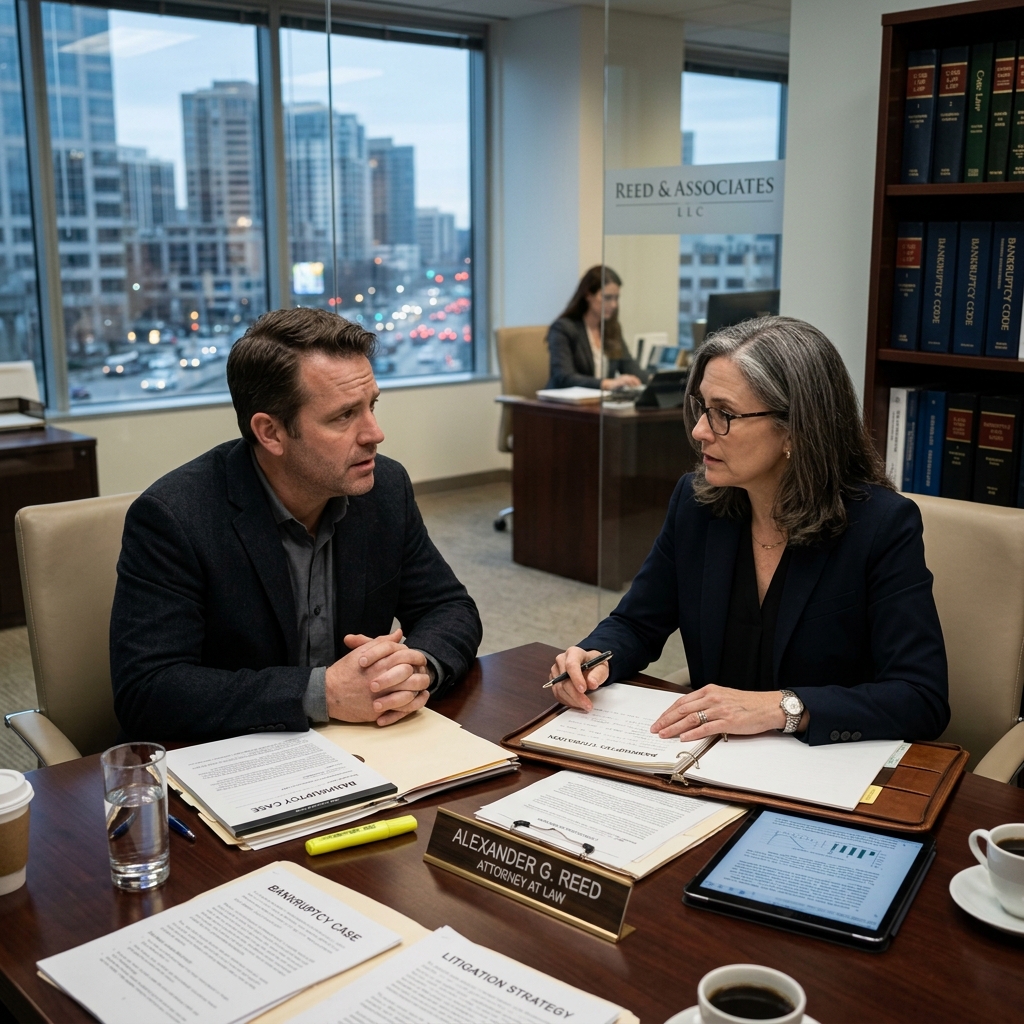
When a bankruptcy case turns into a dispute, the matter may move beyond routine filings and become bankruptcy litigation. In that setting, hiring a lawyer is not just about paperwork; it is about protecting rights, responding to deadlines, and shaping a strategy for a separate lawsuit inside the bankruptcy process. Understanding what that means can help a debtor, creditor, or business owner make better decisions from the start.
An adversary proceeding is a formal lawsuit that arises in or is related to a bankruptcy case. It is handled within the bankruptcy court but follows many of the same steps used in civil litigation, including pleadings, discovery, motions, and trial. Because the process can affect property, debts, and the scope of a discharge, legal representation often becomes important early in the case.
What makes an adversary proceeding different
Not every disagreement in bankruptcy becomes a full lawsuit. Some issues can be resolved through motions or administrative steps in the main case. An adversary proceeding is used when the dispute requires a separate complaint and a more formal process. Courts describe it as a separate lawsuit within the larger bankruptcy case.
This distinction matters because the rules are stricter and the stakes are often higher. A party may use an adversary proceeding to challenge a discharge, recover property, determine whether a debt should be treated in a particular way, or address allegations of misconduct. The matter is filed under its own docket and proceeds much like other federal litigation.
Why legal help is often necessary
Bankruptcy litigation can involve deadlines, procedural rules, and evidence issues that are easy to miss without counsel. The opening complaint must be drafted carefully, served correctly, and supported by a clear legal theory. If the response is late or incomplete, the consequences can be serious.
A lawyer can help a client understand the claims, identify defenses, and decide whether negotiation is realistic. Counsel can also evaluate whether the dispute is likely to be resolved by motion practice, settlement, or trial. Because adversary proceedings follow litigation rules similar to federal civil cases, experience with pleadings, discovery, and courtroom procedure can make a practical difference.
| Issue | Why an attorney matters |
|---|---|
| Complaint drafting | The claim must state facts and legal grounds clearly. |
| Response deadlines | Missing the time to answer can create avoidable risk. |
| Discovery | Lawyers use tools such as document requests and depositions to build the case. |
| Settlement strategy | Negotiation often depends on knowing the strength of each side’s position. |
| Trial and appeal | Bankruptcy litigation may continue through judgment and possible review. |
Common situations that lead to bankruptcy disputes
Adversary proceedings can arise in a range of situations. One common example is a creditor trying to recover payments it believes were improperly made before bankruptcy. Trustees may also bring claims to avoid transfers that appear preferential or fraudulent.
Other disputes may involve whether a debt is dischargeable, whether a debtor acted improperly, or whether property should be returned to the estate. These matters are often fact-intensive, which is another reason counsel matters. A lawyer can assess what documents, witnesses, and transaction history will be important before the case moves forward.
- Preference and fraudulent transfer claims.
- Challenges to discharge or dischargeability.
- Requests to recover property or funds.
- Disputes over the scope of creditor rights.
- Allegations that require a formal judgment from the court.
What happens after a complaint is filed
The process usually begins with a complaint and a summons. The plaintiff files the action, and the defendant must respond within the time allowed by the bankruptcy rules, which is commonly thirty days after issuance of the summons unless the court orders otherwise.
After the initial response, the case may proceed through discovery. Discovery allows the parties to exchange documents, ask written questions, take depositions, and gather information relevant to the dispute. If the facts are clear enough, one side may seek summary judgment to end the case without trial.
If the matter does not resolve, the bankruptcy judge may conduct a trial and issue a decision. In some situations, a final judgment may be appealed. The exact route can depend on the type of claim and the jurisdiction.
How to choose the right lawyer
Choosing counsel for bankruptcy litigation is less about hiring the first available attorney and more about finding someone who understands both bankruptcy procedure and contested litigation. A good fit should combine legal skill with communication, responsiveness, and a practical grasp of the client’s goals.
Experience with adversary proceedings is particularly valuable because these matters often differ from routine bankruptcy administration. The attorney should be comfortable reading schedules, identifying documents, and evaluating the likely path of the case. A client should also feel able to explain the facts honestly and ask direct questions about the risks and costs.
- Ask whether the lawyer regularly handles adversary proceedings.
- Discuss similar matters the lawyer has handled before.
- Find out how the lawyer approaches settlement versus trial.
- Ask who will work on the case and how updates will be delivered.
- Review how billing is structured and what additional costs may arise.
What to bring to an initial consultation
A first meeting is more useful when the client arrives prepared. The lawyer will need background about the bankruptcy case, the people involved, the dispute itself, and any documents that support the client’s position. The better the preparation, the faster counsel can identify strengths, weaknesses, and next steps.
It is helpful to gather basic contact information, case numbers, court details, and records tied to the challenged transactions. If there are prior disputes, related lawsuits, or contracts between the parties, those materials should also be available. In a bankruptcy dispute, even small details can affect strategy.
Useful items for the first meeting
- Bankruptcy case number and court information.
- Names and addresses of the other parties.
- Any summons, complaint, or court notices already received.
- Relevant contracts, invoices, payment records, or correspondence.
- A timeline of the events that led to the dispute.
- Information about any related litigation or claims.
Questions a client should ask before hiring
Hiring a lawyer for bankruptcy litigation should feel like a deliberate decision. The client is relying on the lawyer to navigate a formal process that may affect financial exposure, property rights, and future business decisions. Asking the right questions can prevent misunderstandings later.
- What is your experience with adversary proceedings?
- How do you usually communicate with clients during litigation?
- What strategy would you consider based on the facts I have shared?
- What are the likely next steps in my case?
- What costs should I expect if the case becomes contested?
Costs, timing, and practical expectations
Bankruptcy litigation can become expensive if the matter involves extensive discovery, motion practice, or trial preparation. The timeline depends on the complexity of the dispute and the court’s schedule. Some matters are resolved relatively early, while others continue for months or longer.
Because of that uncertainty, a lawyer should explain not only the legal issues but also the practical choices. A client may need to decide whether to settle early, challenge the claim, or preserve resources for a longer fight. A well-prepared attorney can help the client weigh these options in light of the evidence and the case posture.
How lawyers add value beyond courtroom advocacy
In bankruptcy disputes, a lawyer does more than argue in court. Counsel can organize records, identify missing evidence, and separate strong defenses from weaker ones. That work often begins before the first filing and continues through negotiation, written discovery, and hearings.
Lawyers also help clients avoid procedural mistakes. Because adversary proceedings are governed by detailed bankruptcy and civil procedure rules, even a meritorious position can be weakened by service errors or missed deadlines. Good representation helps keep the dispute focused on the merits rather than on avoidable technical problems.
Frequently asked questions
Is an adversary proceeding the same as the main bankruptcy case?
No. It is a separate lawsuit filed within or related to the bankruptcy case, and it follows a more formal litigation track.
Who can bring one?
A debtor, creditor, or trustee may start an adversary proceeding depending on the issue and the relief requested.
Do these cases always go to trial?
No. Many cases are resolved by answer, motion, discovery, negotiation, or settlement before trial.
Why is the consultation stage important?
It helps the lawyer learn the facts, review documents, and decide how to respond before deadlines begin to run.
Can a case be appealed?
Yes. Final judgments in adversary proceedings may be appealed through the proper bankruptcy appellate path, depending on the court system involved.
References
- Kentucky Bankruptcy Litigation Attorney — Dennery Law. 2026-07-09. https://www.dennerylaw.com/small-business-bankruptcy/bankruptcy-litigation
- Adversary Proceedings — The Williams Law Firm, P.A. 2026-07-09. https://trustwilliams.com/services/business/adversary-proceedings/
- How to Navigate an Adversary Proceeding in Bankruptcy — Nelson Mullins. 2026-07-09. https://www.nelsonmullins.com/insights/blogs/red-zone/bankruptcy-litigation/how-to-navigate-an-adversary-proceeding-in-bankruptcy
- Adversary Proceedings During the Bankruptcy Legal Process — Justia. 2026-07-09. https://www.justia.com/bankruptcy/bankruptcy-procedures/adversary-proceedings/
- Adversary Proceeding — United States Bankruptcy Court, Southern District of Florida. 2026-07-09. https://www.flsb.uscourts.gov/adversary-proceeding
- What Are the Most Common Grounds for Adversary Proceedings in Bankruptcy? — Field Law Office. 2026-07-09. https://www.fieldlawoffice.com/blog/what-are-the-most-common-grounds-for-adversary-proceedings-in-bankruptcy/
Similar Articles








Read full bio of medha deb




