
Hidden Webcams on Rental Laptops: Rights, Risks, and Remedies
How covert monitoring on rented computers raises serious privacy, legal, and ethical concerns for everyday consumers.
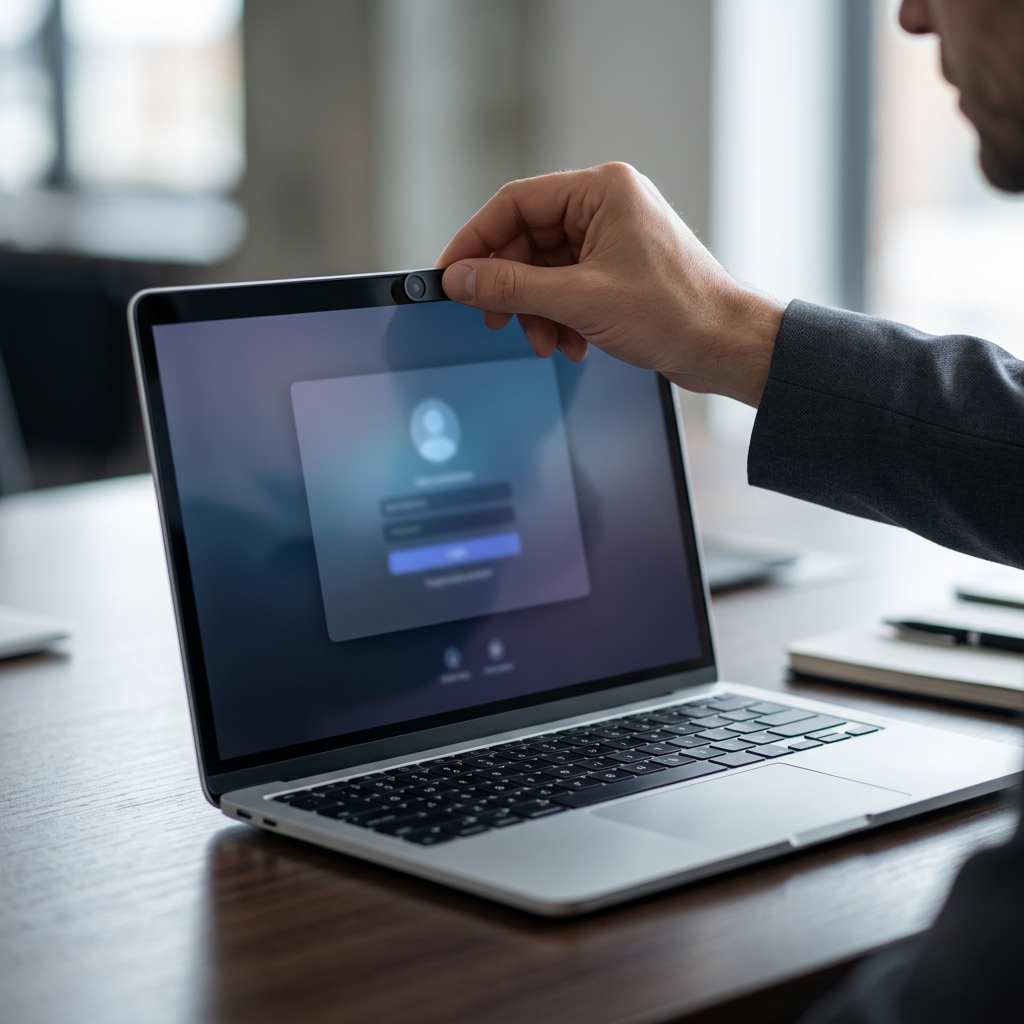
Rental computers offer a convenient way for people to access technology without paying the full purchase price upfront. Yet several high-profile cases have revealed a troubling risk: some rental companies have used hidden monitoring tools to watch customers through their webcams, record keystrokes, and capture screenshots inside private homes. These practices raise serious questions about privacy, legality, and consumer protection.
This article uses past incidents as a starting point to explain how rental laptop surveillance works, when it may violate the law, and what steps you can take to defend your rights if you suspect you are being monitored.
When Your Rental Laptop Watches You Back
In several reported cases, rent-to-own computer programs have included software capable of remotely activating webcams, logging keystrokes, and tracking internet activity on customer devices. In one lawsuit, a couple alleged that webcam images of them inside their home were captured without their knowledge or consent. Similar controversies have arisen in schools, where district-issued laptops were used to photograph students in their bedrooms under the guise of a “security” feature.
These real-world examples show that remote monitoring is not hypothetical. It is technically simple, commercially available, and sometimes used in ways that intrude deeply into personal life.
- Rented devices have been equipped with monitoring agents that can take webcam photos and record user activity.
- School laptops have been used to capture tens of thousands of images of students at home, triggering federal investigations.
- Software vendors often market these tools as anti-theft solutions, but their features can be misused for surveillance.
How Rental Surveillance Technology Works
The tools used by some rental companies are usually remote monitoring agents installed before the device reaches the customer. These programs can run silently in the background and be controlled by company staff. Their capabilities tend to fall into several categories.
Common Monitoring Features
- Webcam activation: Remotely turning on the laptop camera to take still images or video without any visible indication to the user.
- Keylogging: Recording keystrokes typed on the keyboard, which can reveal passwords, searches, messages, and other sensitive data.
- Screenshot capture: Taking images of whatever appears on the screen, including emails, documents, and social media pages.
- Geolocation and device tracking: Identifying the approximate physical location of the device through network or hardware information, often marketed as a way to recover stolen property.
While these features can assist in locating missing devices, they become problematic when activated without clear consent or used to monitor ordinary, law-abiding customers inside their homes.
Security vs. Surveillance: A Fine Line
Companies that develop remote monitoring tools often describe them as anti-theft or asset management solutions, recommending their use in cooperation with law enforcement when devices are stolen. The controversy arises when store employees activate these tools in everyday situations, essentially turning consumer electronics into covert surveillance equipment.
| Legitimate Use | Problematic Use |
|---|---|
| Locating a laptop reported as stolen or lost. | Activating a webcam to observe customers in their home without notice. |
| Verifying that a rental device has been returned at end of contract. | Recording keystrokes on an active account to monitor private communications. |
| Gathering technical logs for diagnosing system failures. | Capturing screenshots of banking, email, or social media activity. |
The same technical tool can be either lawful or unlawful depending on how it is used, whether users were informed, and whether it captures content that qualifies as private communications.
Legal Framework: Privacy, Communications, and Consent
U.S. law provides several layers of protection against unauthorized digital surveillance. When rental companies secretly intercept communications or images, they may run afoul of federal and state statutes, as well as constitutional protections in certain contexts.
Federal Surveillance and Wiretap Laws
The federal Wiretap Act, part of the Electronic Communications Privacy Act (ECPA), generally prohibits the intentional interception of electronic communications without consent. In cases involving rental laptop spying, plaintiffs have relied on the Wiretap Act to argue that hidden monitoring software unlawfully captured their communications.
Key elements often considered under the Wiretap Act include:
- Whether there was an interception of electronic communications (such as email, chat, or data transmitted over the internet).
- Whether the interception was intentional and carried out by the company or its agents.
- Whether any valid consent was obtained from the user, and if so, whether it was sufficiently informed and specific.
Other sections of ECPA and related statutes may apply when stored data is accessed or when third-party service providers are involved, but the core concern remains unauthorized capture of private communications.
State Privacy and Harassment Laws
Many states have additional laws dealing with privacy violations, particularly when cameras are used to record individuals in places where they reasonably expect privacy, such as their homes or bedrooms. Some statutes specifically criminalize the surreptitious capture of images of partially nude or nude individuals without consent.
In the rental and school laptop cases, courts and investigators have scrutinized whether the hidden webcams were activated in ways that violated these state protections and whether victims could seek civil damages or criminal penalties.
Public Institutions and Constitutional Issues
When government entities such as public school districts deploy monitoring software on issued laptops, constitutional protections may also come into play. In one notable controversy, a district’s ability to remotely activate student webcams prompted questions about unreasonable searches under the Fourth Amendment. Federal authorities investigated the incident, and the district later halted the practice and disabled the feature.
Although rental stores are typically private businesses, the school examples illustrate how powerful these technologies can be and how seriously authorities treat covert surveillance of individuals in their homes.
Consumer Rights and Practical Protections
If you are using a rented or leased laptop, you have a legitimate interest in understanding what kind of monitoring might be occurring. While the specifics depend on your jurisdiction and the terms of your contract, several general principles apply.
What Consumers Can Reasonably Expect
- Clear disclosure: Rental companies should inform customers if monitoring tools are installed, especially if they can access webcams, keystrokes, or communications.
- Limitations on surveillance: Anti-theft tracking should not be used as a general-purpose surveillance tool against paying customers.
- Respect for private spaces: Activating cameras or recording audio in private homes without consent is likely to raise serious legal concerns.
From a practical standpoint, consumers should pay close attention to contractual terms, privacy policies, and notices provided at the time of rental. Yet even a broad monitoring clause may not excuse unlawful interception of sensitive communications or intrusive video recording.
Simple Steps to Reduce Surveillance Risk
While legal rules are essential, everyday technical measures can also help reduce the risk that someone is watching through your rental laptop.
- Physically cover the webcam: Use a sliding cover, tape, or an external cover to block the camera lens when not in use.
- Check for visible indicators: Some laptops have lights that turn on when the webcam is active. Unexpected activation may warrant investigation.
- Review installed software: Examine startup programs and services for unfamiliar remote access or monitoring tools.
- Use strong account security: Enable two-factor authentication on email, banking, and social media accounts to limit damage if keystrokes are intercepted.
- Separate sensitive tasks: Consider conducting highly confidential activities (such as banking) on a trusted device instead of a rental computer.
These steps do not eliminate risk—especially if monitoring occurs at a low level in the system—but they can help detect suspicious behavior and reduce exposure.
If You Suspect Your Rental Laptop Is Spying on You
Discovering or suspecting that a rental laptop is being used to monitor you can be unsettling. In reported cases, users sometimes discovered surveillance only when company employees or school officials confronted them with images taken from their devices. If you believe your privacy has been compromised, a careful and documented response is important.
Immediate Actions
- Stop using the device for sensitive activities: Avoid entering passwords, accessing financial accounts, or communicating about private matters on the suspected laptop.
- Disconnect from the internet: Temporarily disable Wi‑Fi or unplug network connections to cut off remote access.
- Photograph or record indicators: Document unexpected webcam activation, suspicious software, or on-screen notices as potential evidence.
- Contact the rental company in writing: Ask directly whether remote monitoring tools are installed, what data they collect, and under what circumstances they are activated.
Escalating the Issue
If your concerns remain unresolved or you uncover clear evidence of unauthorized monitoring, you may need to escalate the matter.
- Consult an attorney: A lawyer experienced in privacy, consumer protection, or technology law can help evaluate whether federal or state statutes were violated, such as the Wiretap Act or state privacy laws.
- Report to law enforcement: Covert surveillance may attract police or federal interest, particularly if it involves intrusive video capture inside private homes.
- Notify consumer protection agencies: State attorneys general or consumer protection offices may investigate systemic abuses by rental chains.
Past cases show that once allegations of hidden surveillance become public, investigations can expand beyond individual stores to include parent companies, software vendors, and institutional practices.
Ethical Responsibilities of Rental Stores and Software Vendors
The legal analysis addresses what companies may or may not do under the law. Ethics asks a broader question: what should companies do to respect customer dignity and autonomy?
Responsible Use of Monitoring Tools
Businesses that use remote monitoring software should adopt clear policies that limit its use to legitimate, transparent purposes. Ethical practices include:
- Strict access controls: Only authorized personnel should be able to activate tracking or webcam features, and only for defined reasons such as a documented theft report.
- Audit trails: Systems should log who activated monitoring features, when, and why, allowing misuse to be detected.
- Customer notification: Where feasible, customers should receive meaningful notice about any monitoring and the circumstances under which it might be used.
- Training and oversight: Employees should be trained on privacy obligations and disciplinary consequences for misuse.
Software vendors also have a role. When they design tools that can turn everyday laptops into powerful surveillance devices, they should build in safeguards and discourage non-consensual use, rather than treating any deployment as neutral.
Frequently Asked Questions
Can a rental store legally turn on my laptop webcam without telling me?
Secretly activating a webcam to capture images inside your home without informed consent may violate federal electronic surveillance laws and state privacy statutes, especially if it records private activities or communications. Exact legality depends on the facts and jurisdiction, but such conduct is often highly risky for companies.
Is anti-theft tracking on a rental laptop always a problem?
Not necessarily. Tracking a device that has been reported stolen or lost can be legitimate if done within legal bounds and with appropriate notice. Problems arise when the same tools are used on ordinary paying customers for non-security purposes, particularly if they intercept communications or images.
How do I know whether my rental laptop has monitoring software?
There is no simple universal indicator, but you can review installed programs, background processes, and startup entries for unfamiliar remote access or monitoring tools. Asking the rental company for a written statement about any monitoring practices may also shed light on what is installed.
What kinds of laws protect me against digital spying?
Federal laws like the Wiretap Act, part of the Electronic Communications Privacy Act, restrict unauthorized interception of electronic communications. State laws may address covert camera use, invasion of privacy, and harassment, including statutes specifically targeting surreptitious imaging in private spaces. Additional rules apply in institutional settings such as schools.
What should I do if a company shows me an image obviously taken from my webcam without my consent?
You may want to preserve any evidence, cease use of the device, and immediately consult with an attorney or law enforcement. Prior incidents have led to civil lawsuits and federal investigations when covert webcam images were discovered.
References
- Laptop Spying: Rental Company Sued Over Alleged Webcam Spying — ABC News. 2011-05-04. https://abcnews.com/Technology/laptop-spying-rental-company-sued-alleged-webcam-spying/story?id=13528292
- Employer spying on their employees in their private homes — Reddit (citing Wis. Stats. ss. 942.08-09). Accessed 2026. https://www.reddit.com/r/bestoflegaladvice/comments/g9j908/employer_spying_on_their_employees_in_their/
- Lawsuit: Lower Merion Schools’ Alleged Webcam Spying on Students — Studocu (summary of court filings). Accessed 2026. https://www.studocu.com/en-us/document/georgia-institute-of-technology/engineering-ethics/lawsuit-lower-merion-schools-alleged-webcam-spying-on-students/143110328
- PC rental store accused of using webcams, keyloggers on customers — Ars Technica. 2011-05-06. https://arstechnica.com/civis/threads/pc-rental-store-accused-of-using-webcams-keyloggers-on-customers.1143769/
- Rent-to-Own PCs Watch Their Users Via Webcam? — PCWorld. 2011-05-05. https://www.pcworld.com/article/491080/rental_companies_watch_pc_renters_via_webcam.html
- WebcamGate 2009: A High School’s Laptop Initiative Turned Into A National Spying Scandal — Cybersecurity Ventures. 2019-10-10. https://cybersecurityventures.com/webcamgate-2009-a-high-schools-laptop-initiative-turned-into-a-national-spying-scandal/
- Laptop Spying: Rental Store Put Webcam on Rental — FindLaw (archived). 2011-05-05. https://archive.findlaw.com/blog/laptop-spying-rental-store-put-webcam-on-rental/
Similar Articles








Read full bio of medha deb


