
Hidden Risks Behind Free Package Delivery Scams
Unsolicited packages, fake delivery messages, and "free" offers can expose your data, money, and identity if you don’t know how these scams work.
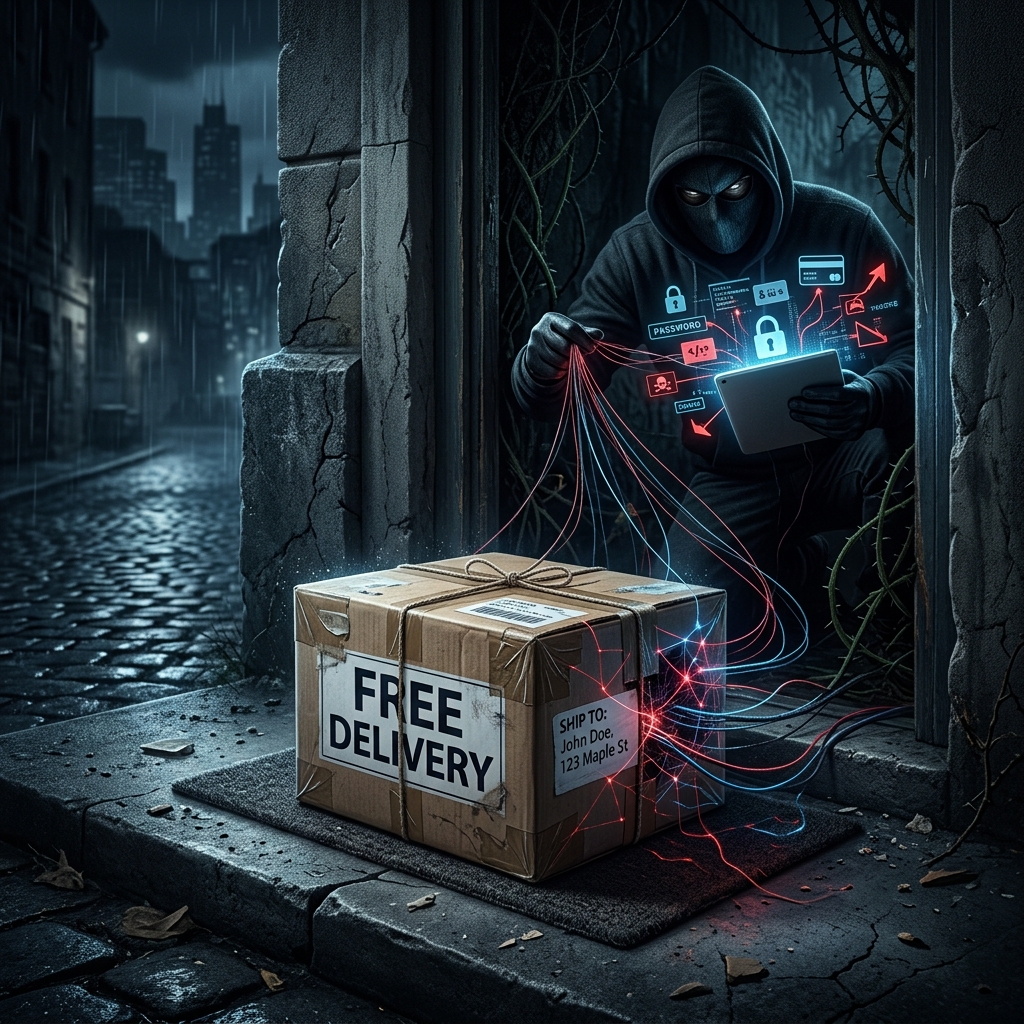
Getting a surprise package or a text saying your delivery is waiting can feel exciting. But in today’s digital marketplace, those “free” items and urgent messages are often carefully designed scams aimed at your personal data, your money, or both. Understanding how these schemes work is the first step to staying safe.
Why Free Packages and Delivery Alerts Are a Growing Threat
Online shopping, fast shipping, and constant tracking updates have normalized the idea that packages appear at our doors every day. Scammers exploit this new normal by sending convincing delivery notices and even real packages to trick you into handing over sensitive information. Many people assume that if a package arrives, it must be legitimate, or if a message mentions a familiar carrier, it must be real. That assumption is exactly what scammers count on.
Two major trends fuel these scams:
- Explosion of e-commerce: More online orders mean more legitimate tracking messages, making fake messages easier to hide among real ones.
- Easy access to personal data: Addresses, phone numbers, and email accounts can often be found or purchased online, giving scammers a ready-made list of targets.
Common Types of Package Delivery Scams
Although tactics vary, most delivery-related scams fit into a few core patterns. Recognizing these categories helps you quickly spot danger.
1. Brushing Scams: Unsolicited Packages You Never Ordered
In a brushing scam, you receive merchandise that you did not buy—often low-cost items such as jewelry, gadgets, or household goods. These packages are sent by sellers or scammers who want to boost their ratings on online marketplaces by creating fake verified reviews in your name.
Here is how brushing typically works:
- The sender finds your name and address from leaked data or public records.
- They create an account using your details on an e-commerce platform.
- They buy their own products and ship them to you, making it look like you were the buyer.
- They then post glowing reviews using your identity, increasing their product rankings.
While you may be tempted to simply enjoy the free items, brushing scams raise serious concerns:
- Data exposure: Someone has enough information to ship goods in your name, suggesting your data may be compromised.
- Reputation risks: Fake reviews appear under your identity, potentially linking you to misleading endorsements.
- Gateway to identity theft: The same information used for brushing could be used for more serious fraud later.
2. Smishing: Fake Package Tracking Text Messages
Smishing is a form of phishing that uses text messages, often claiming to be from a delivery service or government agency. In package scams, the message usually says your shipment is delayed, needs address confirmation, or requires a small payment to proceed.
Typical characteristics of smishing texts include:
- A sense of urgency: “Your package will be returned unless you update your address immediately.”
- A link to a website that looks like a carrier or retailer but is actually fake.
- Requests for login credentials, credit card numbers, or other personal details.
Clicking the link can:
- Install malware or spyware on your phone.
- Lead to a fraudulent site that collects your data.
- Trigger unauthorized charges or bank withdrawals.
3. Email-Based Package Delivery Phishing
Many of the tactics used in smishing also appear in email scams. Fraudsters send messages that look like official notices from a carrier or postal service, claiming a package is held, failed to deliver, or requires extra postage.
Warning signs of email delivery scams include:
- Generic greetings instead of your name.
- Attachments you did not expect, especially labeled “invoice” or “shipping label.”
- Links to addresses that are misspelled or slightly altered versions of legitimate domains.
- Requests for payment to release or redeliver a package when you were not expecting one.
4. Payment and Collection Fraud Involving Real Packages
In some cases, scammers send actual packages and follow up with messages or calls claiming there was an error, unpaid customs fee, or additional shipping charge. They might ask you to pay a small amount to “complete” delivery or to return the item.
Scammers may use these tactics to:
- Harvest credit card numbers for larger fraudulent charges later.
- Verify that your address is active for future scams.
- Collect more personal information under the guise of customer service.
How Delivery Scams Put You at Risk
Even if you never send money directly to a scammer, responding to these schemes can have long-term consequences. The true cost often lies in the misuse of your identity and financial accounts.
Data and Identity Risks
When you enter details on a fake site or respond to a fraudulent text, scammers may obtain:
- Full name and address
- Email and phone number
- Login credentials for shopping or banking accounts
- Payment card information
This information can be combined with other data to open accounts, make unauthorized purchases, or commit more sophisticated forms of identity theft.
Financial Losses and Long-Term Damage
Many delivery scams are designed to look like minor inconveniences: a small fee, a quick confirmation, a brief login. Once you comply, however, scammers can:
- Make repeated unauthorized charges.
- Sell your information on illicit markets.
- Use your accounts to make fraudulent purchases that appear legitimate.
Recovering from financial fraud often involves disputes with banks, credit card companies, and retailers, as well as ongoing monitoring of your credit reports.
Reputational and Legal Concerns
Brushing scams create fake reviews under your identity, potentially tying you to misleading endorsements of products you never used. While you are usually not legally liable for unsolicited merchandise, this misuse of your name and account details can still harm your reputation or complicate your interactions with online marketplaces.
Red Flags: How to Spot a Delivery Scam Quickly
Scammers rely on speed and surprise. Pausing to evaluate a message or package can reveal obvious warning signs.
| Warning Sign | What It Often Means |
|---|---|
| Unexpected text or email about a package | Likely smishing or phishing, especially if you were not expecting a delivery. |
| A request for payment to release or redeliver a package | Scammers may be trying to collect card details or bank information. |
| Links to domains that look similar to carrier names | Fraud sites designed to mimic legitimate companies. |
| Spelling errors, generic greetings, or vague details | Indicators of mass-produced scam messages. |
| Packages you never ordered, especially from unknown sellers | Possible brushing scam using your identity for fake reviews. |
Safe Responses to Unsolicited Packages
If you receive a package you did not order, your choices depend partly on whether you opened it and what it contains. Official guidance emphasizes that you are not required to pay for unsolicited merchandise.
Step-by-Step Actions for Surprise Packages
- Do not pay any invoice or demand for money: In the United States, you generally have no obligation to pay for goods you did not order.
- If unopened and safely returnable: You may mark the package “Return to Sender” and allow the postal service to handle it.
- If opened:
- If the contents are harmless and you wish to keep them, you may do so.
- If you do not want them, you can dispose of them, assuming they pose no safety risk.
- If contents are suspicious (seeds, unknown substances, or liquids): Contact appropriate authorities and follow official instructions.
- Notify online marketplaces: If the package comes from a platform such as Amazon or eBay, report potential fraud and request removal of any fake reviews in your name.
Securing Your Accounts After a Brushing Incident
Because brushing implies that your personal data may have been accessed, it is wise to take defensive steps even if you do not lose money immediately.
- Change passwords on major shopping and email accounts, using unique and strong combinations.
- Enable two-factor authentication where available.
- Review recent orders on online marketplaces for purchases you did not make.
- Monitor credit reports regularly for any new accounts or unusual activity, using authorized services such as AnnualCreditReport.com.
Protecting Yourself from Smishing and Email Delivery Scams
Texts and emails are often the first contact point for delivery scams. Adopting a default posture of skepticism toward unexpected messages can prevent many problems.
Core Safety Principles
- Never click links in unsolicited delivery messages: Instead, go directly to the carrier’s website or app and use official tracking tools.
- Do not reply to suspicious texts or emails: Responses can confirm that your contact information is active and may invite more attempts.
- Verify using trusted channels: If you think a message might be legitimate, contact the company through phone numbers or websites you find independently.
- Treat personal information like cash: Share it only when necessary and only on secure, verified sites.
Reporting and Blocking Smishing Attempts
Reporting delivery scams helps authorities track patterns and shut down malicious operations.
- Forward suspicious USPS-related texts to official reporting channels and include screenshots and details.
- Forward scam texts to 7726 (SPAM) where supported, to help carriers identify fraudulent numbers.
- Ask your mobile carrier to block text messages sent as email or multimedia from unknown sources.
- Report broader fraud, including fake reviews or deceptive packages, to national consumer protection agencies.
Everyday Habits to Keep Your Deliveries Safe
Beyond responding to specific scams, cultivating good digital habits reduces your overall exposure.
- Regularly review your cell phone bill: Watch for strange charges or premium SMS services you did not authorize.
- Keep security software updated: Treat your phone with the same security standards as your computer.
- Limit oversharing online: Avoid posting addresses, travel plans, or delivery schedules publicly.
- Use private accounts or privacy settings: Restrict who can see your contact information on social platforms.
Frequently Asked Questions
1. Is it legal to keep a package I never ordered?
In many jurisdictions, including the United States, recipients are generally not required to pay for unsolicited merchandise and may keep it if they choose. However, it is still wise to treat these packages as warnings that your data might be compromised.
2. I clicked a link in a suspicious delivery text. What should I do now?
Immediately close the site, run security checks on your device, and change passwords for important accounts. Monitor your bank and credit card statements closely. If you entered any sensitive information, contact your financial institution and consider placing alerts or freezes on your accounts.
3. How can I tell if a delivery message is really from a carrier?
Legitimate carriers typically do not request payment or personal information via unsolicited texts or emails. Instead of trusting the message itself, visit the carrier’s official website or app, use known customer-service numbers, and verify your shipment status independently.
4. Should I contact the sender listed on an unexpected package?
Consumer protection officials advise against contacting unknown senders directly, because whoever responds may attempt to gather more personal data or push you into making payments. If the package appears connected to a major marketplace, contact the platform through official channels rather than the listed sender.
5. Are delivery scams only a problem during holiday seasons?
While scams often increase during busy shopping periods, they occur year-round. The constant flow of online orders makes it easy for fraudulent messages and packages to blend into everyday activity.
References
- Brushing Scam — United States Postal Inspection Service. 2024-02-08. https://www.uspis.gov/news/scam-article/brushing-scam
- Got a package you didn’t order? It’s probably a scam — Federal Trade Commission. 2025-01-29. https://consumer.ftc.gov/consumer-alerts/2025/01/got-package-you-didnt-order-its-probably-scam
- How to Avoid Package Delivery Scams — Federal Communications Commission. 2023-11-03. https://www.fcc.gov/how-identify-and-avoid-package-delivery-scams
- Smishing: Package Tracking Text Scams — United States Postal Inspection Service. 2022-09-15. https://www.uspis.gov/news/scam-article/smishing-package-tracking-text-scams
- Package Delivery Scams — American Bankers Association. 2023-06-01. https://www.aba.com/advocacy/community-programs/consumer-resources/protect-your-money/package-delivery-scams
- Scams & Scheme Alerts — United States Postal Service. 2024-03-20. https://faq.usps.com/s/article/Scams-Scheme-Alerts
Similar Articles








Read full bio of medha deb


