
Hidden Fire Risks in Sublets and Fast Apartment Modifications
How unpermitted alterations, quick sublets, and ignored fire codes can turn a rental unit into a deadly fire trap.
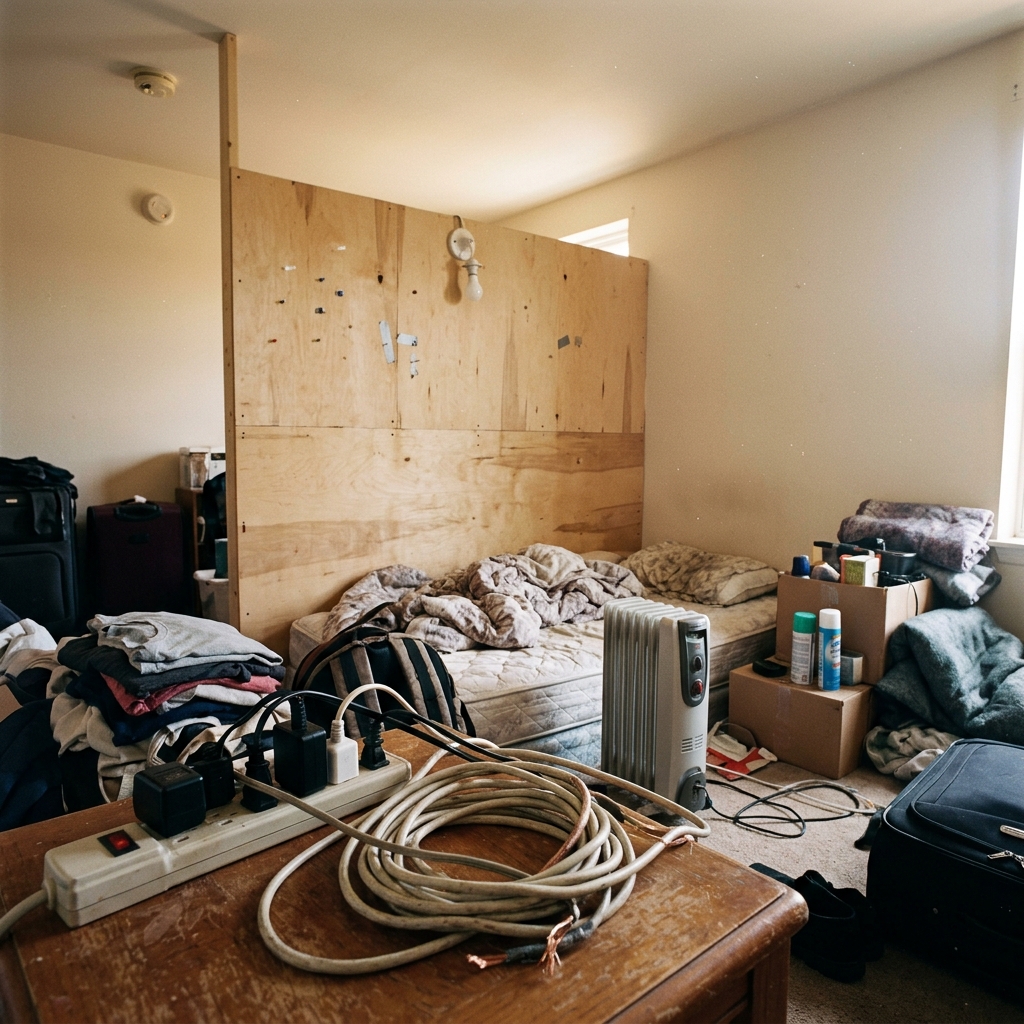
Subletting and quick apartment alterations can seem like convenient solutions for housing and income needs, but behind the apparent flexibility lurk serious fire safety and legal risks. When tenants or landlords make unpermitted changes to rental units or reconfigure spaces without respecting building and fire codes, they may be creating pathways for deadly fires, obstructing escape routes, and exposing everyone involved to liability.
This article explains how unplanned sublets and rapid modifications can undermine apartment fire safety, what building and fire codes are trying to prevent, and what practical steps landlords and tenants can take to keep units safe and compliant.
Why Sublets and Quick Modifications Are Especially Risky
Sublets and rapid alterations often happen under time pressure and with limited oversight. A tenant may divide a living room into extra sleeping areas to increase rent revenue, or a landlord may rush to reconfigure units to meet demand. In that hurry, critical fire safety features—like exits, smoke alarms, and corridor width—can be compromised.
- Informal construction: Temporary walls, added doors, or locked interior passageways may be installed without permits or professional review.
- Unclear occupancy: More people living in a unit than originally planned increases fire load, use of electrical devices, and complexity in evacuation.
- Responsibility gaps: When there is no clear agreement on who maintains alarms, extinguishers, or exit paths, safety tasks can be neglected.
- Hidden hazards: DIY modifications often conceal wiring, block vents, or change how smoke and heat move through a building.
These problems are exactly what modern building and fire codes seek to prevent. When codes are bypassed, the likelihood that a small incident becomes a fatal fire rises sharply.
Key Fire Safety Concepts in Multi-Unit Buildings
To understand why unpermitted modifications are so dangerous, it helps to know the basic safety features built into apartment buildings.
| Safety Feature | Primary Purpose | Impact of Unauthorized Changes |
|---|---|---|
| Smoke alarms | Detect smoke early and alert occupants. | Relocation, removal, or disabling can delay detection and evacuation. |
| Fire-rated doors | Slow spread of heat, smoke, and flames between units and corridors. | Propped open or replaced doors allow fire and smoke to spread quickly. |
| Exits and stairways | Provide safe routes out of the building during a fire. | Blocked, locked, or narrowed routes can trap occupants and hinder firefighters. |
| Emergency lighting & signage | Guide people toward exits in low-visibility conditions. | Removed or obscured signage makes evacuation confusing and slower. |
| Sprinklers & extinguishers | Control or suppress fires before they grow. | Unmaintained equipment may fail when needed, allowing fires to escalate. |
Sublet-related partitions, locked doors, or storage may inadvertently interfere with these systems, turning a code-compliant building into a high-risk environment.
Common Unsafe Modifications in Sublet Situations
Some changes are especially problematic because they directly affect how fire and smoke travel, or how easily people can escape. Below are examples frequently seen in rushed or informal arrangements.
1. Adding Temporary Walls or Dividing Rooms
Tenants sometimes build lightweight walls to convert a one-bedroom apartment into two or more sleeping areas. While this can increase rental income, it may:
- Reduce direct access to windows or exits for new occupants.
- Hide smoke alarms behind partitions or create dead air spaces where smoke detection is delayed.
- Alter how heat and smoke move, potentially turning escape routes into chimneys.
- Violate building code limitations on unit layout or egress width.
Without permits or inspection, there is no assurance that these added rooms meet minimum safety standards for sleeping spaces, such as proper emergency egress and smoke alarm coverage.
2. Blocking or Reconfiguring Exits
In multi-unit buildings, exits are carefully designed: doors must open in the correct direction, corridors must remain clear, and stair doors are kept closed to slow fire spread. Informal sublets may introduce hazards like:
- Storage in hallways or stairwells, narrowing escape paths.
- Furniture or lockboxes placed in front of exit doors.
- Interior doors locked to keep subtenants separate, unintentionally trapping them during an emergency.
- Propped-open stairway doors that allow smoke and fire to move vertically through the building.
Fire service agencies emphasize that corridor and stairwell obstructions significantly increase fatalities because occupants cannot get out quickly and firefighters cannot advance safely.
3. Altering Electrical Systems Without Oversight
Sublets often mean more people and more devices than the original design anticipated—space heaters, power strips, computers, extra refrigerators, and cooking appliances. Informal electrical changes can include:
- Running extension cords under rugs or through partitions, where they can overheat.
- Overloading outlets or circuits, increasing the risk of electrical fires.
- DIY rewiring to add outlets in newly divided rooms.
National fire statistics show that cooking and electrical failures are leading causes of residential fires, and inadequate installation or maintenance makes these risks worse.
4. Removing or Disabling Safety Equipment
In some cases, occupants tamper with safety devices because they seem inconvenient. Examples include:
- Covering smoke alarms to avoid false alarms from cooking.
- Removing batteries or disconnecting alarms in subdivided spaces.
- Blocking access to fire extinguishers with stored items or furniture.
Official guidance from fire agencies and insurers stresses that smoke alarms and extinguishers must remain accessible and functional, with regular testing and maintenance.
Legal and Regulatory Dimensions of Sublet-Related Modifications
Beyond safety, sublet-driven modifications raise complex legal questions. Building and fire codes establish minimum standards for construction and occupancy, and many jurisdictions require permits when walls, doors, wiring, or plumbing are altered.
- Permit requirements: Structural changes, new rooms, or altered egress paths often require review by local building or fire departments.
- Code compliance: Cities and states adopt standards that address fire resistance, exits, detection and suppression systems, and maximum occupancy.
- Inspections: Apartment buildings may be subject to routine fire or housing inspections to confirm compliance with these requirements.
When tenants or landlords bypass these processes, they may violate local law and face fines, orders to remove modifications, or liability if a fire occurs. Some regions have even considered relaxing certain fire and building code requirements to cut housing costs, raising concern among safety advocates that such changes could increase risk if not carefully managed.
Liability and Responsibility: Landlords vs. Tenants
Responsibility for safety and legal compliance in a rental unit is shared, but not always understood. In many arrangements:
- Landlords are responsible for ensuring that the building and units meet code at the time of rental, including providing working smoke alarms and safe exits.
- Tenants are generally required to use the premises in a reasonable manner, not to make dangerous alterations, and to report obvious hazards.
- Subtenants may have rights and obligations similar to primary tenants, depending on local law and the lease terms.
If unpermitted modifications contribute to a fire or injury, questions arise:
- Did the landlord know or reasonably should have known about the changes and fail to address them?
- Did the tenant breach the lease by making structural alterations or adding occupants without consent?
- Were building and fire codes violated, and did those violations directly relate to the harm?
While specific outcomes depend heavily on jurisdiction and facts, courts and regulators routinely examine whether parties complied with basic safety standards and reporting obligations.
Practical Prevention Strategies for Landlords
Landlords can significantly reduce risk by proactively managing modifications and sublets rather than simply reacting after a problem or fire occurs.
Policy and Lease Design
- Clear sublet rules: Specify when subletting is allowed, under what conditions, and what approvals are required.
- Consent for alterations: Require written approval for any physical changes beyond ordinary decoration, and reference local permit rules.
- Occupancy limits: Tie maximum occupants to safety and code requirements, not just personal preference.
Inspection and Oversight
- Conduct routine walkthroughs of common areas and, where legally permitted, individual units, focusing on exits, alarms, and obvious alterations.
- Check that stair doors close properly and are not propped open.
- Monitor for partition walls, extra locks, or blocked corridors that may signal unauthorized modifications.
- Respond promptly to tenant reports of damaged alarms, extinguishers, or emergency lights.
Coordination with Authorities
- Consult local building and fire departments before reconfiguring units or increasing density.
- Stay informed about changes in local codes, especially if your jurisdiction is adjusting standards to promote affordable housing.
- Maintain documentation of permits, inspections, and maintenance to demonstrate diligence.
Safety Responsibilities and Best Practices for Tenants
Tenants and subtenants have a direct role in keeping themselves and neighbors safe. Even without structural changes, everyday behaviors can either reduce or increase fire risk.
Everyday Fire Prevention
- Never leave cooking food unattended on the stovetop.
- Use space heaters according to manufacturer instructions and keep them at least three feet from anything that can burn.
- Do not smoke in bed and fully extinguish smoking materials before disposal.
- Keep candles and open flames away from curtains, bedding, and other combustibles, and never leave them unattended.
- Check electrical cords for damage and avoid running them under rugs or through doorways.
Maintaining Detection and Escape Capabilities
- Ensure that smoke alarms are present in sleeping rooms and hallways, test them monthly, and notify management if they fail.
- Keep exit routes inside the unit clear, including doors and windows that could be used for escape.
- Learn the building’s evacuation plan and count the number of doors between the apartment and the nearest exit in case of heavy smoke or darkness.
- Never use elevators during a fire; always head for the stairs.
Reporting Hazards and Unauthorized Changes
- Inform management if you notice blocked stairwells, missing or beeping smoke alarms, or outdated extinguishers.
- Report neighbors’ obvious dangerous modifications, such as locked shared doors or walls erected in common areas.
- Discuss any planned sublet or change in occupancy with the landlord beforehand.
Escape Planning When Modifications Are Present
In many buildings, some level of modification has already occurred. Tenants should develop escape plans that reflect the actual conditions in the unit, while also pressing for unsafe changes to be corrected.
- Identify at least two potential routes out of the unit if possible, considering windows and alternate doors.
- Practice reaching the exit from each sleeping area, counting doors or landmarks along the way.
- Establish an outdoor meeting point where all occupants can gather after evacuating.
- If partitions or locked doors complicate escape, raise the issue with management and, if necessary, local authorities.
Official fire safety guidance emphasizes that practice and familiarity with exits substantially improve survival in real events.
FAQs: Sublets, Modifications, and Fire Safety
Can a tenant legally add a wall to create another bedroom?
In many jurisdictions, adding a wall or creating a new sleeping room requires landlord consent and potentially a building permit. The wall must meet code requirements for egress, fire resistance, and smoke detection. Doing this without approval can violate the lease and local law, and may create serious fire hazards.
Who is responsible for smoke alarms in a sublet?
Local rules vary, but landlords are typically responsible for providing working smoke alarms, while tenants must not disable them and should report problems. In a sublet, both the primary tenant and subtenant share responsibility for keeping alarms functional and accessible.
Are blocked hallways a code violation?
Yes, in most building and fire codes, exit corridors and stairways must remain clear and accessible. Storing furniture, bicycles, or boxes in these areas can violate code and significantly increase risk during a fire.
What should tenants do if they see dangerous modifications in their building?
Tenants should first notify the landlord or property manager in writing. If the hazard is serious and not addressed, they can contact local fire or building departments, which often have authority to inspect and require corrections.
Do relaxed fire codes for affordable housing mean apartments are unsafe?
Not necessarily. Some jurisdictions adjust certain requirements to reduce construction costs. However, any change should still preserve core life-safety measures. Tenants and landlords should stay informed about local standards and ensure basic protections—like adequate exits, alarms, and structural integrity—remain in place.
References
- Apartment Fire Safety — Broughton Volunteer Fire Department. 2020-01-15. https://broughtondev.mystagingwebsite.com/safety/apartment-fire-safety/
- Apartment Fire Safety and Prevention Tips — The Hartford Insurance. 2021-06-10. https://www.thehartford.com/about-us/junior-fire-marshal/apartment-fire-safety
- Apartment Fire Safety Begins with a Plan — U.S. Fire Administration (FEMA). 2018-05-01. https://www.usfa.fema.gov/downloads/fief/apartment_fire_safety.pdf
- City of San Diego Fire-Rescue Department Apartment Inspection Information — San Diego Fire-Rescue Department / Southern California Rental Housing Association. 2022-03-20. https://www.socalrha.org/news/city-fire-requirements
- States and Cities Are Rolling Back Some Fire and Building Code Requirements — KOTA Territory News. 2017-07-26. https://www.facebook.com/KOTATerritoryNews/posts/states-and-cities-are-rolling-back-some-fire-and-building-code-requirements-to-c/1458811816286807/
Similar Articles








Read full bio of Sneha Tete


