
The Hidden Dangers of Seeking Asylum at the Border
Exploring the severe risks families face when seeking asylum.
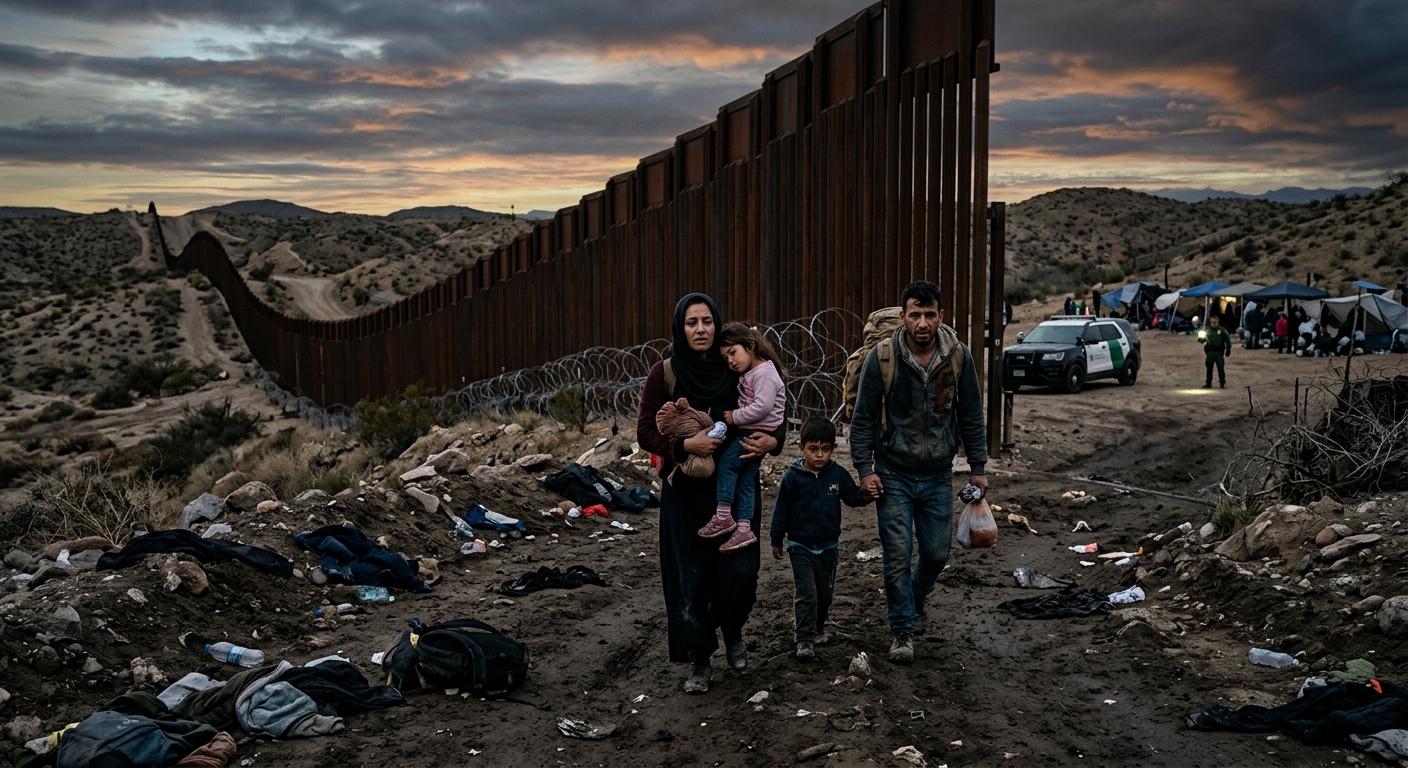
For thousands of families around the globe, the decision to leave their home country is not made lightly. It is a choice born out of absolute necessity, driven by the instinct to survive amidst overwhelming violence, political persecution, or systemic collapse. Seeking asylum is a desperate plea for safety, a fundamental human right enshrined in international law. Yet, for many who make the harrowing journey to seek refuge, the promise of safety is violently interrupted at the border. Instead of a haven, these vulnerable families often find themselves trapped in a dangerous limbo, exposed to the very terrors they sought to escape.
The contemporary landscape of border enforcement has increasingly shifted toward deterrence. Through complex bureaucratic bottlenecks, technological hurdles, and prolonged waiting periods, immigration systems have inadvertently created zones of extreme vulnerability. In these precarious borderlands, families are left waiting for months, turning them into prime targets for organized crime, human trafficking, and extortion. Understanding the reality of seeking asylum today requires looking beyond the political rhetoric and examining the severe physical, psychological, and systemic dangers that asylum seekers face in their pursuit of peace.
The Legal Foundations of Seeking Protection
To comprehend the gravity of the crisis at the border, one must first understand the legal frameworks that govern asylum. Seeking asylum is not a circumvention of the law; it is a legally recognized process. The foundation of this right is primarily located in the 1951 Refugee Convention and its 1967 Protocol, which established the core principle of non-refoulement. This principle asserts that individuals cannot be returned to a country where they face severe threats to their life or freedom.
In the United States, this international obligation was codified into domestic law through the Refugee Act of 1980. Under this legislation, any non-citizen physically present in the United States or arriving at its borders has the legal right to apply for asylum, provided they can demonstrate a well-founded fear of persecution based on race, religion, nationality, membership in a particular social group, or political opinion. Despite this clear legal mandate, recent policy implementations have significantly complicated the realization of this right, placing administrative barriers between asylum seekers and the safety they are legally entitled to request.
The Push Factors: Why Families Flee
The narrative surrounding migration often overlooks the severe “push factors” that compel families to uproot their lives. Those arriving at the border are rarely economic migrants seeking better job opportunities; they are often families fleeing for their lives. In many regions, the collapse of state security has allowed organized crime syndicates and gangs to operate with impunity. Families face a grim reality: comply with extortion demands, surrender their children to forced gang conscription, or face brutal retribution.
Furthermore, political instability and authoritarian regimes in various countries have led to the systematic persecution of dissidents, journalists, and minority groups. When local law enforcement is either complicit in the violence or powerless to stop it, internal displacement becomes impossible, forcing individuals to cross international borders. The journey itself is fraught with peril, traversing treacherous terrains and hostile environments, yet families undertake it because the certainty of violence at home outweighs the risks of the unknown.
Bottlenecks and Deterrence: The Modern Border Reality
Upon reaching the border, asylum seekers frequently encounter a system designed to deter rather than process. Over the past decade, various border management strategies have relied heavily on creating bottlenecks. Policies such as “metering”—which artificially limits the number of asylum seekers processed at ports of entry each day—have forced tens of thousands to wait in adjacent border towns for their turn to present a claim.
More recently, the reliance on digital applications for scheduling asylum appointments has introduced new barriers. While technology can streamline processes, mandatory reliance on mobile applications creates immense hurdles for families who may lack reliable internet access, smartphones, or digital literacy. Furthermore, the limited number of daily appointments available through these digital platforms leaves families stranded in a continuous state of waiting. These administrative delays are not merely inconvenient; they are actively dangerous. By forcing families to remain in transit hubs that are unequipped to handle massive displaced populations, immigration policies inadvertently feed vulnerable individuals directly into the hands of predatory organizations.
Trapped in the Crossfire: Dangers in Border Towns
The human cost of border bottlenecks is most visible in the makeshift encampments and overcrowded shelters in border cities. These areas often struggle with their own high rates of crime and violence, making them exceptionally dangerous waiting rooms for displaced families. Organized crime syndicates quickly recognize asylum seekers as highly lucrative targets.
Because migrants are separated from their support networks and are entirely dependent on their savings to survive the wait, they are frequently subjected to extortion. Kidnapping for ransom has become a horrific and common reality. Cartels and local gangs abduct asylum seekers, often torturing them while forcing them to contact relatives in their home countries or the United States to demand exorbitant ransom payments. Families who fled violence in their home countries find themselves reliving their worst nightmares, completely unprotected by local authorities who are frequently overwhelmed or corrupt.
Moreover, the physical environment of makeshift camps adds another layer of danger. Without proper infrastructure, these spontaneous settlements become breeding grounds for disease and exploitation.
Comparing Basic Needs: Standard Camps vs. Border Encampments
| Humanitarian Need | Standard UNHCR Refugee Camps | Makeshift Border Encampments |
|---|---|---|
| Shelter | Weather-resistant tents, planned layouts. | Tarps, cardboard, exposed to severe weather. |
| Security | Monitored by international agencies and local police. | Unregulated, heavy presence of organized crime. |
| Medical Care | On-site clinics, vaccination programs. | Sparse volunteer medics, high rates of untreated illness. |
| Sanitation | Regulated latrines, clean water access. | Open sewage, lack of potable water. |
The Invisible Scars: Psychological and Physical Health Impacts
The prolonged exposure to violence, uncertainty, and horrific living conditions takes a devastating toll on the physical and psychological well-being of asylum seekers. The trauma is particularly acute among children. Decades of psychological research underscore that prolonged exposure to toxic stress—especially without the buffer of a safe, stable environment—can severely hinder a child’s cognitive and emotional development.
Children living in border encampments frequently exhibit signs of severe trauma, including regression, extreme anxiety, night terrors, and selective mutism. The constant threat of kidnapping or violence means parents must remain hyper-vigilant, leading to severe parental burnout and deteriorating mental health within the family unit.
Physically, the lack of access to consistent medical care turns manageable conditions into life-threatening emergencies. Pregnant women, the elderly, and those with chronic illnesses suffer disproportionately while waiting in these precarious conditions. The failure to provide safe processing mechanisms effectively turns the waiting period into a test of physical endurance, punishing families for exercising their legal right to seek protection.
Charting a Humane Path Forward
Addressing the humanitarian crisis at the border requires a fundamental shift in how asylum is conceptualized and managed. Immigration policies must pivot away from a deterrence-first approach and prioritize safe, orderly, and humane processing. This involves recognizing that the right to seek asylum cannot be contingent on a family’s ability to survive months of extortion and violence in a foreign border town.
- Increasing Processing Capacity: Ports of entry must be adequately staffed and resourced to process asylum claims efficiently, eliminating the artificial bottlenecks that leave families stranded.
- Investing in the Asylum System: The immigration court system requires significant funding to hire more judges and asylum officers. Reducing the multi-year backlog will ensure that claims are heard promptly, allowing those who qualify to integrate and safely returning those who do not.
- Collaborative Regional Approaches: Addressing the root causes of displacement requires deep diplomatic and financial investment in the countries of origin to improve security, reduce corruption, and foster economic stability.
- Providing Legal Representation: Ensuring that asylum seekers have access to legal counsel dramatically improves the efficiency of the courts and ensures that legitimate claims of persecution are adequately articulated and protected under the law.
The narrative of the border does not have to be one of suffering and danger. By realigning border management with domestic and international human rights obligations, it is possible to create a system that respects the dignity of those seeking refuge while maintaining secure and orderly borders.
Frequently Asked Questions (FAQs)
What is the difference between an asylum seeker and a refugee?
Both refugees and asylum seekers are fleeing persecution or danger. The primary difference is geographical and procedural. A refugee receives their status and protection while outside of their destination country, often in a third-country camp managed by international bodies. An asylum seeker is an individual who has already arrived at the border or is inside the destination country and is formally requesting legal protection.
Why don’t families just apply for visas from their home countries?
Visa processes are generally designed for tourism, education, or employment, and they require proof of intent to return home, financial stability, and long processing times. Families facing immediate threats of violence or death do not have the time or the structural ability to wait for standard visa processing, nor do “asylum visas” exist for applying directly from within the country where persecution is occurring.
How do border bottlenecks increase danger for migrants?
When policies restrict the number of people allowed to cross the border for processing, massive crowds accumulate in border towns. Because these individuals are not allowed to legally work and are isolated from their communities, they become highly visible and vulnerable targets for local cartels and gangs, who exploit them through kidnapping, extortion, and human trafficking.
Is it illegal to cross the border to seek asylum?
Under international and U.S. domestic law, specifically the Refugee Act of 1980, individuals have the right to seek asylum if they are physically present in the United States or arriving at a port of entry, regardless of their initial status or how they entered. Seeking asylum is a legally protected humanitarian process, not a criminal act.
References
- The 1951 Refugee Convention — United Nations High Commissioner for Refugees (UNHCR). 1951-07-28. https://www.unhcr.org/about-unhcr/who-we-are/1951-refugee-convention
- Asylum — U.S. Citizenship and Immigration Services (USCIS). 2023-05-10. https://www.uscis.gov/humanitarian/refugees-and-asylum/asylum
- US: Border Policies Endanger Asylum Seekers — Human Rights Watch. 2023-05-11. https://www.hrw.org/news/2023/05/11/us-border-policies-endanger-asylum-seekers
- Refugee Trauma — The National Child Traumatic Stress Network (NCTSN). 2024-01-15. https://www.nctsn.org/what-is-child-trauma/trauma-types/refugee-trauma
Similar Articles








Read full bio of medha deb


