
Hidden Car Protections: Secret Warranties, Recalls, and Lemon Laws
Learn how secret warranties, recalls, and lemon laws work together to protect you from dangerous defects and costly car repairs.
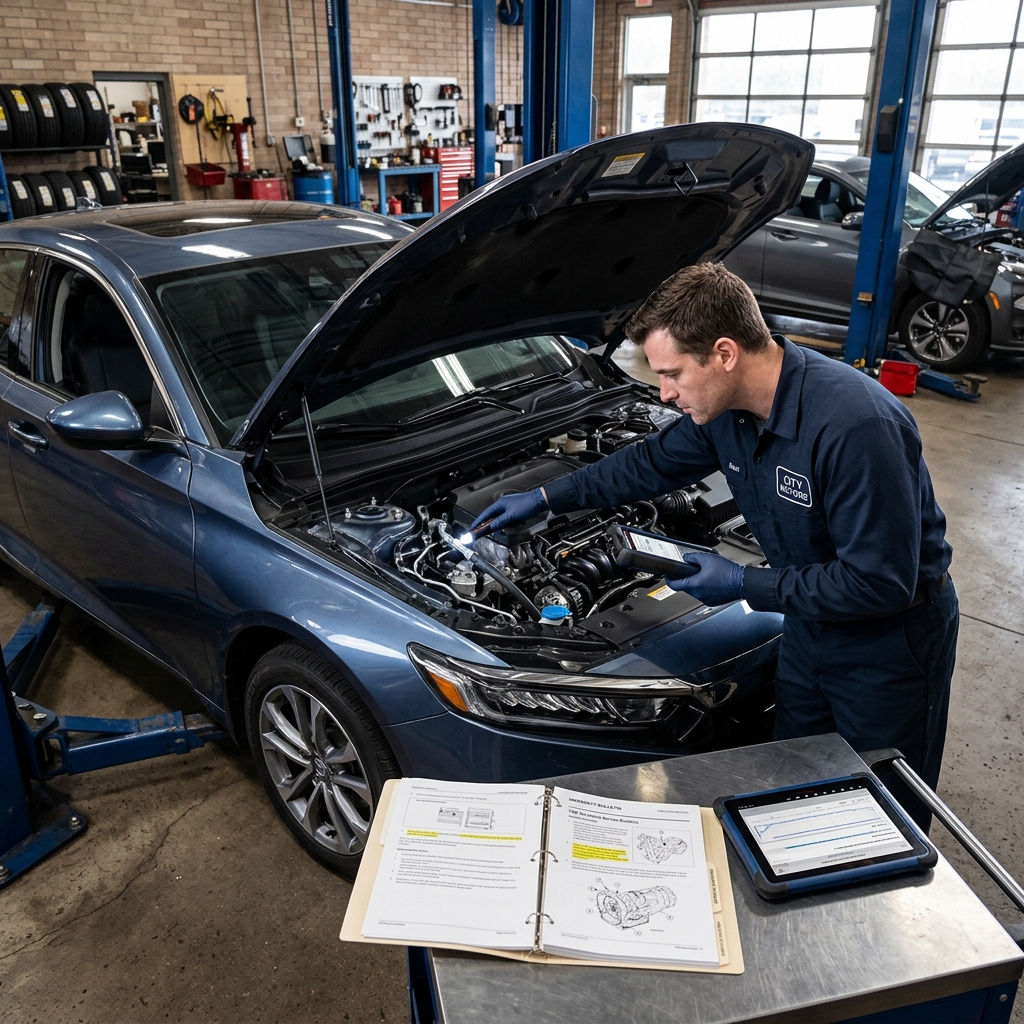
Modern vehicles are complex machines, and even reputable manufacturers sometimes release cars with serious defects. When that happens, you are not helpless. A network of legal and practical protections — secret warranties, official recalls, and lemon laws — can help you avoid paying for costly repairs or driving an unsafe vehicle. Understanding how these protections work, and how they fit together, is essential for any car owner.
Why Car Defects Are More Than Just an Inconvenience
A defective vehicle can threaten your safety, drain your finances, and leave you without reliable transportation. Common problems include faulty brakes, engine failures, defective airbags, or chronic electrical issues. Some defects are minor annoyances, but others can cause crashes or make the car unusable.
Because of these risks, U.S. law has developed overlapping systems:
- Secret warranty programs that quietly cover the cost of certain repairs outside the standard warranty period.
- Manufacturer recalls that publicly address safety-related defects and require free repairs.
- Lemon laws that offer buybacks or replacement vehicles when a car cannot be fixed after repeated attempts.
Each protection serves a different purpose, but all aim to prevent consumers from bearing the full burden of manufacturer mistakes.
Secret Warranties: The Silent Safety Net
A secret warranty, sometimes called a warranty adjustment, silent recall, or policy adjustment, is a program where a manufacturer agrees to repair a known defect for free or at a reduced cost, even after the written warranty has expired. These programs are usually not advertised, and many owners never learn they exist.
How Secret Warranty Programs Work
Auto manufacturers track repair data and complaints. When they notice a pattern — for example, a particular model has a common transmission failure — they may quietly instruct dealers to repair that issue at no charge for affected customers.
Key characteristics of secret warranties include:
- Limited scope: Applies to specific models, years, or parts with documented defect rates.
- Non-public communication: Dealers and internal staff may know, but consumers often are not formally notified.
- Complaint-driven: Repairs are often granted only after the owner complains or insists on coverage.
- Non-safety focus: Many secret programs address defects that are serious or expensive but do not rise to the level of a safety recall.
Why Manufacturers Use Secret Warranties
Manufacturers may prefer secret warranties over official recalls for several reasons:
- Cost control: Targeted assistance is cheaper than a broad recall affecting all owners.
- Public relations: Quietly fixing problems can avoid negative headlines about defects and recalls.
- Regulatory avoidance: Secret programs can address issues that are borderline in terms of safety, reducing pressure for formal recall action.
Finding Out if a Secret Warranty Applies to Your Car
Because secret warranties are not widely publicized, owners must be proactive. Strategies include:
- Ask the dealer about assistance programs: Use terms like “warranty adjustment” or “goodwill repair” when describing your defect.
- Check technical service bulletins (TSBs): The National Highway Traffic Safety Administration (NHTSA) makes many TSBs available to the public. These bulletins describe known issues and manufacturer repair procedures, which may signal a broader assistance program.
- Contact consumer advocacy organizations: Groups like the Center for Auto Safety can help identify known defects and secret warranty programs.
- Review state law: A few states have specific secret warranty laws requiring manufacturers to notify consumers when such programs exist.
States That Regulate Secret Warranties
Some states treat secret warranty programs as inherently unfair, especially when only some owners receive free repairs for a widespread defect. For example:
- States such as California, Connecticut, Maryland, Virginia, and Wisconsin have laws requiring manufacturers to disclose warranty adjustment programs or prohibiting secret warranties outright.
- These laws often require written notice to affected owners and may mandate reimbursement for previously paid repairs once the program is announced.
| Feature | Secret Warranty | Recall |
|---|---|---|
| Public notice | Limited or none; often not mailed to all owners | Formal notice via mail and public databases |
| Primary focus | Costly or recurrent defects, often non-safety | Safety-related defects that pose risk to occupants |
| Legal obligations | Varies by state; some states restrict secrecy | Governed by federal safety laws and NHTSA oversight |
| Repair cost | Typically free or reduced, but may require persistence | Repairs must be performed at no charge to the owner |
Vehicle Recalls: Public Safety Interventions
A vehicle recall is an official action where a manufacturer, often in coordination with NHTSA, notifies owners about a safety-related defect and offers a free remedy. Recalls can involve repairs, replacement parts, or, in rare cases, vehicle buybacks.
How Recalls Are Triggered
Recalls generally occur when a defect is found to affect safety or compliance with federal safety standards. Triggers include:
- Manufacturer testing and internal analysis.
- Crash data and consumer complaints reported to NHTSA.
- Investigations by safety regulators or law enforcement.
Once a defect is confirmed, the manufacturer must file a report with NHTSA and notify affected owners, usually by mail, describing the risk and the remedy.
What Owners Should Do After Receiving a Recall Notice
If you receive a recall letter:
- Schedule repairs promptly: Contact an authorized dealer or mechanic to arrange the fix. The repair should be performed at no cost to you.
- Follow interim safety instructions: Some notices advise reduced driving, avoiding certain conditions, or parking the vehicle until repaired.
- Check for additional recalls: Use your vehicle identification number (VIN) to search NHTSA’s recall database for other outstanding issues.
When a Recall Problem Becomes a Lemon Law Issue
A recall does not automatically make your car a “lemon”. However, if the recall-related defect cannot be repaired, or the car spends extensive time in the shop, lemon law protections may come into play.
- Some state lemon laws consider a vehicle defective if it is out of service for a cumulative number of days (often around 30) during the first year or a specified mileage.
- If recall repairs repeatedly fail or parts are unavailable for an extended period, you may qualify for a refund or replacement under applicable lemon laws.
Lemon Laws: When Your Car Is Beyond Repair
Lemon laws are state statutes that protect consumers who purchase or lease vehicles that suffer serious defects and cannot be repaired within a reasonable number of attempts. While details vary by state, the core idea is consistent: you should not be stuck with a chronically defective, unsafe, or unusable vehicle.
Typical Lemon Law Requirements
Although each state’s law is different, common elements include:
- Substantial defect: The problem must significantly impair the vehicle’s use, value, or safety.
- Multiple repair attempts: Often, three or four unsuccessful repair attempts for the same problem are required.
- Time out of service: Some laws allow a claim if the vehicle is unusable for a specified number of days (commonly around 30) in the first year or early mileage.
- Coverage period: Most lemon laws apply during the manufacturer’s original warranty or within set time and mileage limits.
Remedies Under Lemon Laws
If your vehicle qualifies as a lemon, you may be entitled to:
- Replacement vehicle: A comparable vehicle that you find acceptable.
- Refund (buyback): Repurchase of the vehicle at the original price, often including taxes, license fees, and registration, minus a reasonable allowance for use and wear.
State laws may specify how the refund is calculated, including deductions for mileage and non-normal damage.
Role of Federal Law: Magnuson-Moss Warranty Act
In addition to state lemon laws, the Magnuson-Moss Warranty Act is a federal statute that governs written warranties on consumer products, including vehicles. This law:
- Encourages clear and fair warranty terms.
- Makes it easier for consumers to bring breach-of-warranty lawsuits when manufacturers fail to honor their obligations.
- Can work alongside state lemon laws when a defective vehicle does not precisely fit a state lemon definition but still violates warranty promises.
How These Protections Interact in Real Life
Secret warranties, recalls, and lemon laws are separate mechanisms, but they often intersect:
- A defect might first be handled through a secret warranty program; if safety concerns emerge, it can later become a formal recall.
- A recalled vehicle that still cannot be fixed after multiple attempts may qualify as a lemon under state law.
- Even if a problem is not covered by a recall or secret warranty, persistent defects can still support a lemon law or warranty claim.
Owners should think of these tools as layers of protection rather than alternatives. It is common to pursue more than one path simultaneously — for example, demanding recall repairs while also documenting repair attempts for a potential lemon claim.
Practical Steps If You Suspect a Defective Vehicle
If your car is showing serious or recurring issues, you can improve your chances of relief by following a structured approach.
1. Document Every Problem and Repair
- Keep copies of all repair orders, invoices, and diagnostic reports.
- Note dates when the vehicle is in the shop and out of use.
- Record descriptions of symptoms (noise, warning lights, loss of power) and the conditions when they occur.
This documentation will be crucial if you later pursue a lemon law claim or argue that your car qualifies for a secret warranty program.
2. Check for Recalls and TSBs
- Use your VIN to search NHTSA’s online recall database for open recalls affecting your vehicle.
- Ask the dealer and review publicly available technical service bulletins, which may reveal known issues and suggested fixes.
3. Ask Directly About Secret or Adjustment Programs
- When discussing repairs, ask the service advisor if there are any “goodwill” or warranty adjustment programs for your vehicle.
- Mention specific TSBs or known issues you have found, which can signal that your defect is recognized by the manufacturer.
4. Use Certified Mail to Notify the Manufacturer
In many states, particularly for lemon law claims, you must formally notify the manufacturer about unresolved defects. Sending a detailed letter via certified mail can be critical.
- Describe the defect and repair history.
- Explain how the problem impairs safety, use, or value.
- State the remedy you seek (repair, replacement, refund).
5. Seek Help from Consumer Protection Agencies or Legal Counsel
- State attorneys general and consumer protection divisions often provide guidance on lemon laws and warranty disputes.
- Specialized consumer attorneys can evaluate whether your case meets lemon law criteria or fits within federal warranty protections.
Frequently Asked Questions
Does a recall automatically mean my car is a lemon?
No. A recall simply indicates a safety-related defect that the manufacturer must fix for free. Your car becomes a potential lemon if the defect persists after repeated repair attempts or if the vehicle is unusable for a substantial period as defined by state law.
How can I tell if a secret warranty exists for my vehicle?
There is no single public list of secret warranties. Instead, check technical service bulletins, ask your dealer about adjustment programs, review state laws on secret warranties, and contact consumer advocacy organizations for known defects linked to your model.
Can I still pursue a lemon law claim if my car is under recall?
Yes. Recalls and lemon law claims are separate. If recall repairs do not solve the problem or the car spends excessive time in the shop, you may still have rights under lemon law or warranty statutes.
What if my warranty has expired?
Even after a written warranty expires, you may benefit from secret warranty programs or federal warranty law, and you might have claims based on earlier repair attempts when the car was under warranty. It is still worth checking for recalls and talking to the dealer about goodwill repairs.
Do lemon laws apply to used cars?
Some states extend lemon law protection to certain used vehicles, while others limit coverage to new cars. The specifics depend on state law, so consult your state’s consumer protection office or attorney general for details.
References
- Secret Warranties, Recalls, and Lemons — FindLaw. 2023-05-01. https://www.findlaw.com/consumer/lemon-law/secret-warranties-recalls-and-lemons.html
- Lemon Laws: The Ultimate Guide — Center for Auto Safety. 2022-11-10. https://www.autosafety.org/lemon-laws/
- Lemon Law — Office of the Attorney General of Maryland. 2023-02-15. https://oag.maryland.gov/i-need-to/Pages/lemon-law.aspx
- Secret Warranty Program — Cornell Law School Legal Information Institute. 2021-08-30. https://www.law.cornell.edu/wex/secret_warranty_program
- Secret Warranty Laws — Gibbs Law Group. 2022-09-05. https://www.classlawgroup.com/consumer-protection/auto/secret-warranty
- What Happens When Your Car is Under Recall — Hammer Law. 2023-06-20. https://hammerlemonlaw.com/what-happens-when-your-car-is-under-recall/
Similar Articles








Read full bio of medha deb


