
Haunted House Blues: Legal Fixes & Solutions
Uncover legal rights, practical steps, and remedies if your new home comes with ghostly surprises—protect yourself before and after purchase.
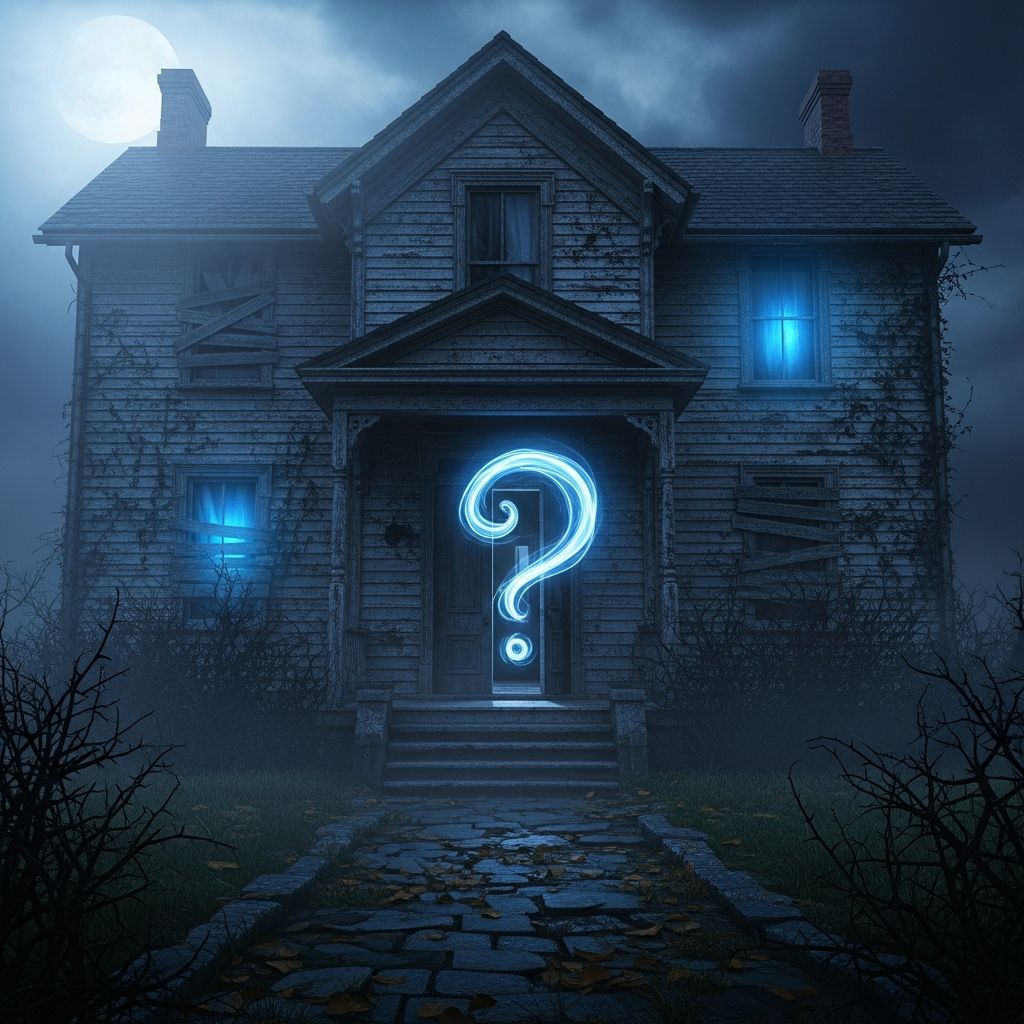
Your dream home’s creaking floors and shadowy corners might thrill horror fans, but for most buyers, they signal distress. Purchasing a property with unexplained phenomena raises immediate questions about value, safety, and recourse. This guide explores rational diagnostics, legal frameworks across jurisdictions, buyer protections, and seller obligations to empower you through spectral surprises.
Debunking the Supernatural: First Steps for New Owners
Before invoking otherworldly explanations, rule out mundane causes. Many ‘hauntings’ stem from overlooked home defects or environmental hazards that mimic ghostly activity.
- Carbon Monoxide Detection: Invisible and odorless, CO poisoning induces hallucinations, auditory illusions like footsteps, and paranoia—classic ‘ghost’ symptoms. Install detectors on every level and test immediately upon moving in.
- Structural and HVAC Checks: Drafts create cold spots; faulty insulation amplifies noises. Aging wiring flickers lights, while plumbing groans echo as whispers.
- Electromagnetic Fields (EMF): High EMF from old wiring can cause unease, dizziness, or visions. Professional electricians measure and mitigate these.
- Mold and Air Quality: Toxic mold spores trigger headaches, fatigue, and perceptual distortions in sensitive individuals.
Schedule a full home inspection post-purchase if not done pre-sale. Renovations often ‘exorcise’ these issues: brighter lighting, fresh paint, and sealed drafts transform eerie spaces into welcoming ones, potentially boosting resale value.
State-by-State Disclosure Rules: What Sellers Must Reveal
U.S. real estate law rarely mandates paranormal disclosures, but exceptions exist. A Zillow analysis reveals only four states—New York, New Jersey, Massachusetts, and Minnesota—explicitly address ‘haunted’ properties in statutes or case law.
| State | Disclosure Requirement | Key Case/Rule |
|---|---|---|
| New York | Sellers cannot perpetuate haunting reputation then exploit buyer ignorance | Courts may rescind sales if seller invites ghost hunters, then conceals |
| New Jersey | Explicit paranormal activity disclosure if material to sale | Statutory requirement for supernatural claims |
| Massachusetts | Hauntings considered material defects if affecting value | Case law mandates revelation |
| Minnesota | Similar to MA; spectral history disclosable | Statute includes paranormal |
| Most Others | No requirement unless asked about deaths/stigmas | E.g., CT, DE, GA require death disclosure only on inquiry |
In the UK, sellers complete Property Information Form (TA6), disclosing disputes, alterations, or environmental issues—but not ghosts unless impacting occupancy, like repeated police calls from disturbances. Always review your state’s Seller Property Disclosure Statement; ask pointed questions about history, deaths, or odd events.
Pre-Purchase Due Diligence: Arm Yourself with Research
Avoid spectral surprises through proactive investigation. Public records, local lore, and digital tools reveal a property’s past.
- Death and Crime Databases: Sites like DiedInHouse.com aggregate records of suicides, murders, or accidents at addresses (fee-based but insightful). Cross-reference with county clerks or vital statistics offices.
- Local History Dives: Newspapers, historical societies, and neighbor chats uncover tragedies or reputations.
- Agent Inquiries: Probe listing agents on renovations hiding defects or prior complaints.
- Title Searches: Beyond liens, check for stigma histories in some jurisdictions.
During walkthroughs, note persistent oddities: persistent odors, temperature anomalies, or resident unease. Waivers of inspections forfeit recourse—always insist on them.
Legal Recourse: Suing Over Spectral Deception
If disclosures omitted material facts, buyers may rescind or sue for damages. Success hinges on proving fraudulent concealment or failure to disclose known defects affecting habitability or value.
- Misrepresentation Claims: If seller advertised ‘peaceful’ while knowing of disturbances, courts intervene (e.g., NY precedent).
- Stigma Damages: Reduced marketability from reputation; quantifiable via appraisals.
- Implied Warranty Breaches: Homes must be fit for living; unrelenting ‘hauntings’ (if structural) violate this.
Act swiftly: statutes of limitations (1-6 years) apply. Consult real estate attorneys; evidence like videos, witness statements, and expert reports strengthens cases. Sellers mitigate by documenting rational explanations and avoiding hype.
Beyond Logic: Paranormal Investigations and Cleansings
If science fails, explore spiritual avenues—but choose wisely.
- Professional Investigators: Reputable groups use EMF meters, audio recorders, and thermal cameras scientifically. Free or low-cost; prioritize evidence-based teams.
- Spiritual Blessings: Clergy from any faith perform house blessings for comfort. No cost via many churches.
- Smudging Rituals: Burning sage, placing salt/crystals—traditional energy cleansers. DIY or hire shamans.
- Exorcisms: Catholic priests require Vatican approval, high thresholds (free, suggested donations). Mediums/psychics vary ($200-$2000); seek reviews, guarantees.
Document everything: journals, timestamps, photos build patterns or legal proof.
Resale Realities: Selling Your ‘Possessed’ Property
Local fame complicates sales. Disclose truthfully on forms; transparency builds trust.
- UK TA6/TA10: Note impacts on use; declare ‘ghostly’ fixtures humorously if fixed.
- U.S. Forms: Answer ‘known defects’ honestly; price reflect stigma.
- Marketing Tips: Highlight history for enthusiasts (e.g., ‘storied past’); renovations dispel doubts.
Appraisers factor stigma; expect 5-20% value dips in extreme cases.
Frequently Asked Questions
Can I back out if I discover hauntings after closing?
Possibly, via fraud claims if undisclosed material facts exist. Most states allow post-closing suits.
Do all states require death disclosures?
No; only if asked in many (e.g., GA, NH). Four address paranormal explicitly.
Is carbon monoxide a common ‘ghost’ culprit?
Yes—symptoms mimic hauntings precisely.
How to find property death records?
Use services like DiedInHouse.com or local clerks.
What’s the cost of an exorcism?
Catholic: free/donation; psychics: $200+ with no guarantees.
Protecting Your Peace: Final Action Plan
1. Inspect rigorously pre-purchase.
2. Research history exhaustively.
3. Test for hazards immediately post-buy.
4. Document anomalies.
5. Consult professionals—rational first, spiritual if needed.
6. Know your state’s laws for recourse or resale.
Haunted or not, knowledge reclaims your home.
References
- What Should I do if I Bought a Haunted House? — Rollasons Solicitors. 2023-10-31. https://rollasons.com/what-should-i-do-if-i-bought-a-haunted-house/
- What to Do if You Buy a Haunted House — Flat Branch Home Loans. 2023-10-01. https://flatbranchhomeloans.com/blog/home-buyer-guides/what-to-do-if-you-buy-a-haunted-house
- 3 Steps to Take if You Buy a Haunted House — First Alliance Credit Union. 2023-10-01. https://www.firstalliancecu.com/blog/3-steps-to-take-if-you-buy-a-haunted-house
- Here’s What to Know About Selling a Haunted House — Zillow. 2023-10-25. https://www.zillow.com/news/selling-a-haunted-house/
- What to do if you’ve bought a “haunted house” — WXYZ. 2023-10-01. https://www.wxyz.com/news/thenow/what-to-do-if-you-think-youve-bought-a-haunted-house
Similar Articles








Read full bio of Sneha Tete




