Understanding When Harassing Texts Warrant Police Involvement
Know when text harassment crosses the line requiring law enforcement intervention and documentation.
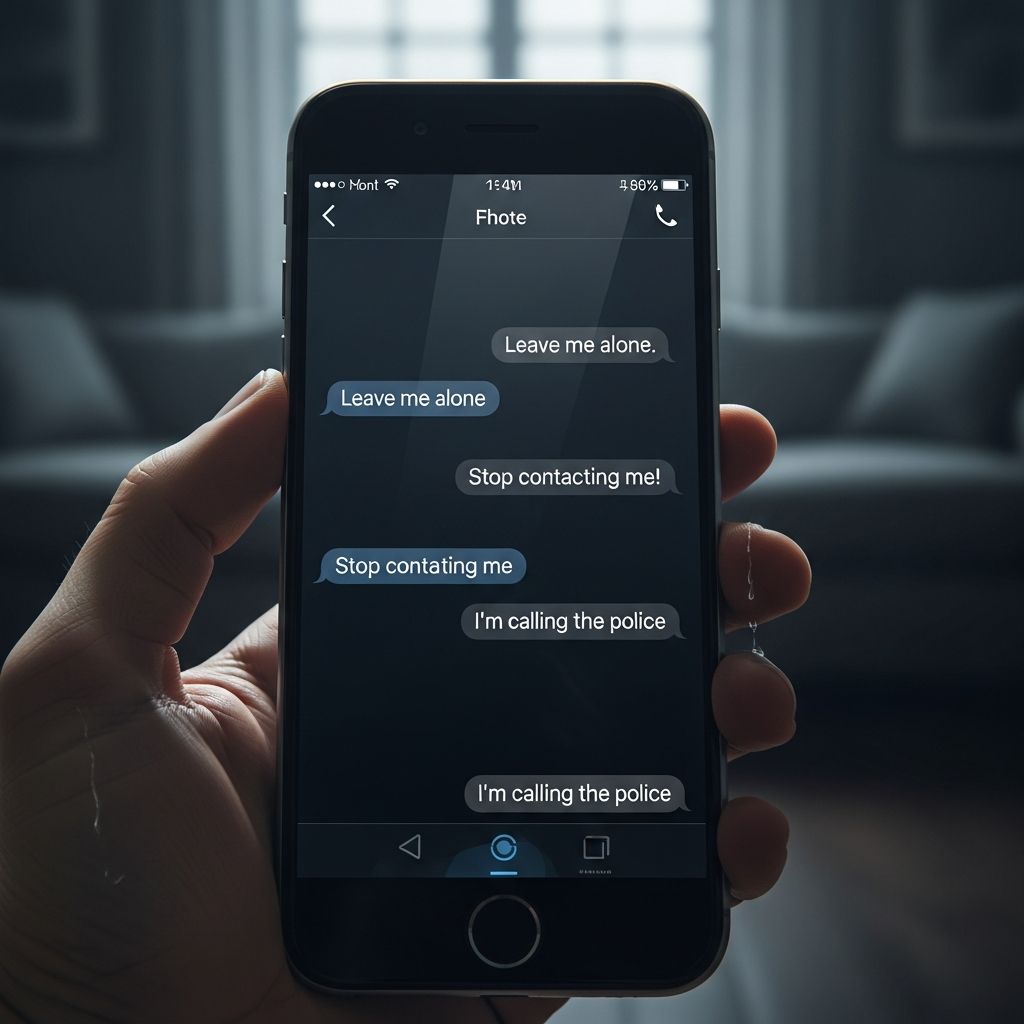
Recognizing When Text Harassment Becomes a Police Matter
Text message harassment has become increasingly common in our digital age, creating confusion about when a recipient should involve law enforcement. Not every annoying or unwanted text message warrants police intervention, but certain circumstances clearly cross the threshold into territory that law enforcement agencies take seriously. Understanding these distinctions helps victims determine the appropriate response and gather evidence effectively from the outset.
The key to determining whether police involvement is necessary lies in evaluating the nature, frequency, and impact of the messages on your daily life. Messages that cause significant emotional distress, threaten your safety, or interfere with your ability to work and function normally should be reported. Law enforcement typically prioritizes cases where there is demonstrable harm or risk to the recipient’s physical, emotional, or financial well-being.
Three Critical Categories for Assessment
When evaluating whether to report harassing texts, consider three fundamental categories that law enforcement agencies use to determine the severity and urgency of your complaint.
Psychological and Emotional Impact
Harassing messages that cause severe stress, anxiety, or measurable psychological harm warrant police attention. This includes texts designed to intimidate, humiliate, or cause distress through repeated contact or offensive language. If the messages are affecting your sleep, causing panic attacks, or damaging your mental health, documentation of these effects strengthens your case. When reporting, clearly articulate how the harassment has impacted your emotional well-being and daily functioning, as this helps law enforcement understand the severity beyond the surface content of the messages themselves.
Physical Safety Concerns
Messages containing explicit threats of violence, stalking behavior, or language suggesting intent to cause physical harm represent the highest priority for law enforcement investigation. This category includes threats directed at you, your family members, or your property. If the harassment has caused you to alter your routines—avoiding certain locations, changing your usual routes, or modifying your schedule due to fear—these behavioral changes demonstrate tangible safety concerns that police take seriously. Specific threats of violence, particularly those suggesting the sender has means to carry them out, should prompt an immediate call to 911 rather than a standard police report.
Impact on Work and Livelihood
Harassment that interferes with your employment, professional reputation, or financial stability also merits police involvement. This includes sexually offensive messages from colleagues, texts intended to damage your professional standing, or messages that could jeopardize your job. If harassment occurs during work hours, involves workplace contacts, or threatens your income, report these circumstances to police and simultaneously notify your employer’s human resources department. The intersection of personal harassment with professional consequences demonstrates a clear pattern of intent to cause harm across multiple life domains.
Understanding Legal Definitions of Text Harassment
Most jurisdictions define text harassment through statutes that prohibit sending annoying, threatening, or obscene communications via electronic devices. These statutes typically require that the sender had intent to annoy, harass, or disturb the recipient. The definition encompasses various behaviors: repeated calls or messages regardless of content, obscene language, threats of injury to the recipient or their family, and immediate hang-ups or heavy breathing intended to intimidate.
The legal threshold differs from personal tolerance thresholds. A text that you find mildly annoying may not meet the legal definition of harassment, while messages that genuinely threaten your safety or well-being certainly do. Understanding your jurisdiction’s specific legal definitions helps clarify whether your situation fits within prosecutable harassment. Most jurisdictions classify text harassment as a misdemeanor, though charges can escalate to felony status in cases involving credible threats of serious bodily injury or death.
Building a Strong Police Report
Successfully reporting harassing texts to police requires strategic documentation and presentation. The approach you take when filing your report significantly influences whether police will prioritize your case for investigation.
Documentation Essentials
- Save all text messages, including those from unknown numbers or blocked senders
- Take screenshots of each message with visible timestamps and sender identification
- Create a chronological log listing dates, times, phone numbers, and brief content summaries
- Note any changes in frequency or escalation patterns in the harassment
- Record when you requested the sender to stop and their response
- Preserve your phone’s metadata if technically possible
- Document any corroborating evidence, such as emails from others about the same issue
Presentation Strategy
When presenting your case to police, use objective, factual language rather than emotional appeals. Describe the facts clearly: “I received messages from this phone number on these dates containing these statements,” rather than “This person is making me feel terrible.” While your emotional response is valid, police respond more favorably to evidence-based presentations that allow them to independently assess severity.
Include specific information about the duration of harassment, frequency of messages, and how the sender identified themselves or was identified by you. If you know the sender’s identity, provide that information directly rather than making accusations. If messages are from an anonymous source, explain steps you have already taken to identify them.
Emphasizing Priority Factors
Clearly articulate connections to safety, health, or welfare. For safety concerns, explain specifically why you feel threatened and what actions you have taken in response. For health concerns, describe the documented impact on your well-being. For welfare concerns, explain the professional or financial implications. This framing helps police understand why they should prioritize your case among many competing demands on their time and resources.
The Police Investigation Process
Understanding what happens after you file a report helps set realistic expectations. Police investigation of text harassment typically involves several stages, each with potential delays and limitations.
Initial Report Filing
Most police departments allow you to file harassment reports online, by phone through non-emergency lines, or in person at a police station. Online reporting systems work well for cases where you do not know the suspect and are simply documenting the harassment. If you have suspect information or the harassment involves threats, filing in person or by phone ensures your case receives appropriate priority assignment.
Evidence Collection and Analysis
When police decide to investigate, they will request phone records and related information from your mobile service provider. This process requires legal authorization, typically through a subpoena issued by the police department or prosecutor’s office. Your carrier will provide records showing numbers that contacted you, message metadata, and other technical details. This step often causes delays, as service providers have time limits for responding to legal requests and may process numerous requests simultaneously.
Identification and Tracing
Identifying the sender of harassing texts has become more complex with the prevalence of anonymous texting apps, spoofed numbers, and burner phones. Traditional phone number traces may lead to dead ends if the sender used technology to mask their identity. Police investigators with experience in cyber-related harassment understand what information to request from service providers to overcome these obstacles. Cases involving sophisticated anonymization techniques may require specialized cyber investigation services beyond standard police capabilities.
Prosecution Considerations
Even after police identify a suspect, prosecution is not guaranteed. Prosecutors evaluate whether evidence meets the legal threshold for harassment charges and whether the case is worth pursuing given limited resources. Some cases, particularly those with technical complications or ambiguous intent, may not proceed to charges despite clear identification of the sender. Understanding this reality helps you evaluate whether to pursue criminal prosecution, civil remedies, or alternative solutions.
Coordinating with Your Service Provider
Your mobile carrier plays a crucial role in the investigation process. Service providers can place traces on phone lines, obtain records, and sometimes identify anonymous senders. Contact your carrier simultaneously with filing your police report, providing the police report number when you call. Keep detailed records of your interactions with service provider representatives, including names, dates, and information provided.
Request that your carrier notify you when their investigation concludes and provide any findings to the police department. Some carriers offer additional protections, such as blocking specific numbers or filtering messages from unknown senders. Explore these options while the formal investigation proceeds.
Challenges in Text Harassment Investigations
Several factors can complicate or impede investigations into text harassment, potentially resulting in cases that cannot be solved despite your best efforts and police resources.
Technological barriers: Anonymous texting applications, virtual phone numbers, and spoofing services allow senders to hide their identities effectively. Tracing these messages requires service providers to cooperate and law enforcement to request the correct information—steps that not all departments have expertise executing.
Jurisdiction issues: Text harassment crossing state lines creates complexity regarding which jurisdiction has authority to investigate and prosecute. Some departments defer to agencies in other states or federal authorities, causing delays and sometimes resulting in cases not being pursued.
Proof of intent: Some harassment cases fail because prosecutors cannot prove the sender intended to annoy or harass. If the sender claims messages were accidents, misunderstood jokes, or inadvertent contacts, establishing criminal intent becomes difficult.
Resource constraints: Many police departments lack officers with cybercrime training and experience. Some treat text harassment as low priority compared to violent crimes, meaning your case may experience significant delays or receive minimal investigative attention.
Alternative Solutions When Police Cannot Assist
If your local police department declines to investigate or lacks capacity to handle your case, alternative options exist for identifying senders and building evidence.
Private Cyber Investigation Services
Specialized firms focus specifically on identifying individuals behind anonymous communications. These services employ investigators with advanced technical skills and industry connections that allow them to trace anonymous messages, obtain service provider information through legal channels, and build evidence suitable for prosecution or civil court. While this option requires financial investment, it may succeed where police resources could not.
Civil Legal Action
Even without police involvement or criminal prosecution, you may pursue civil remedies against identified harassers. Civil courts have different standards of proof than criminal courts and may award damages for intentional infliction of emotional distress, defamation, harassment, or violations of state-specific harassment statutes.
Restraining Orders and Protection Orders
Many jurisdictions allow victims of harassment to seek civil protective orders that legally prohibit further contact. These orders provide legal recourse if the harasser continues after notice and can serve as the basis for additional criminal charges.
Frequently Asked Questions
Q: At what point should I contact police about harassing texts?
A: Contact police when texts cause significant stress affecting your well-being, make you fear for your safety, threaten violence, impact your employment, or show a pattern of escalating severity. Single isolated messages rarely warrant police involvement, but persistent harassment over days or weeks typically does.
Q: Should I respond to harassing text messages?
A: No. Responding may encourage further contact or provide the sender with evidence they successfully provoked a reaction. Block the number, save messages, and report to police rather than engaging directly.
Q: What happens if I file a false police report about text harassment?
A: Filing a false police report is a serious crime. It wastes law enforcement resources, undermines credibility of legitimate victims, and can result in criminal charges including potential felony charges under certain circumstances. File only truthful reports with evidence you genuinely believe supports your claims.
Q: How long does a text harassment investigation typically take?
A: Investigations vary widely based on jurisdiction, complexity, service provider responsiveness, and police resources. Simple cases with identified suspects might resolve in weeks, while cases involving anonymous senders or multiple service providers could take months or never be solved.
Q: Can police investigate texts from an unknown number?
A: Yes, but investigation becomes more complex. Police will request service provider records to identify the subscriber associated with the number. If the sender used technology to mask their identity, investigation may require specialized expertise and additional time.
Q: What evidence should I bring when filing a police report about text harassment?
A: Bring printed copies or screenshots of all harassing messages with timestamps, a chronological log of when messages arrived, documentation of your attempts to stop the harassment, records of your service provider communications, and written descriptions of how the harassment has affected your life.
References
- What Can the Police do about Harassing Texts? — Rexxfield. Retrieved January 2026. https://rexxfield.com/what-can-the-police-do-about-harassing-texts/
- How Do I Get Something Done About Telephone Calls/Text Messages/E-mail — Neptune Beach Police Department. Retrieved January 2026. https://www.nbfl.gov/police-department/faq/how-do-i-get-something-done-about-telephone-callstext-messagese-mail
- Phone Harassment — San Jose Police Department, CA. Retrieved January 2026. https://www.sjpd.org/reporting-crime/phone-harassment
- Report a Crime — State of California, Department of Justice. Retrieved January 2026. https://oag.ca.gov/report-crime
Similar Articles








Read full bio of medha deb