
Handling Noise and Other Common Neighbor Conflicts
Practical and legal strategies to resolve noise, view, pet, and boundary disputes with neighbors while protecting your property rights.
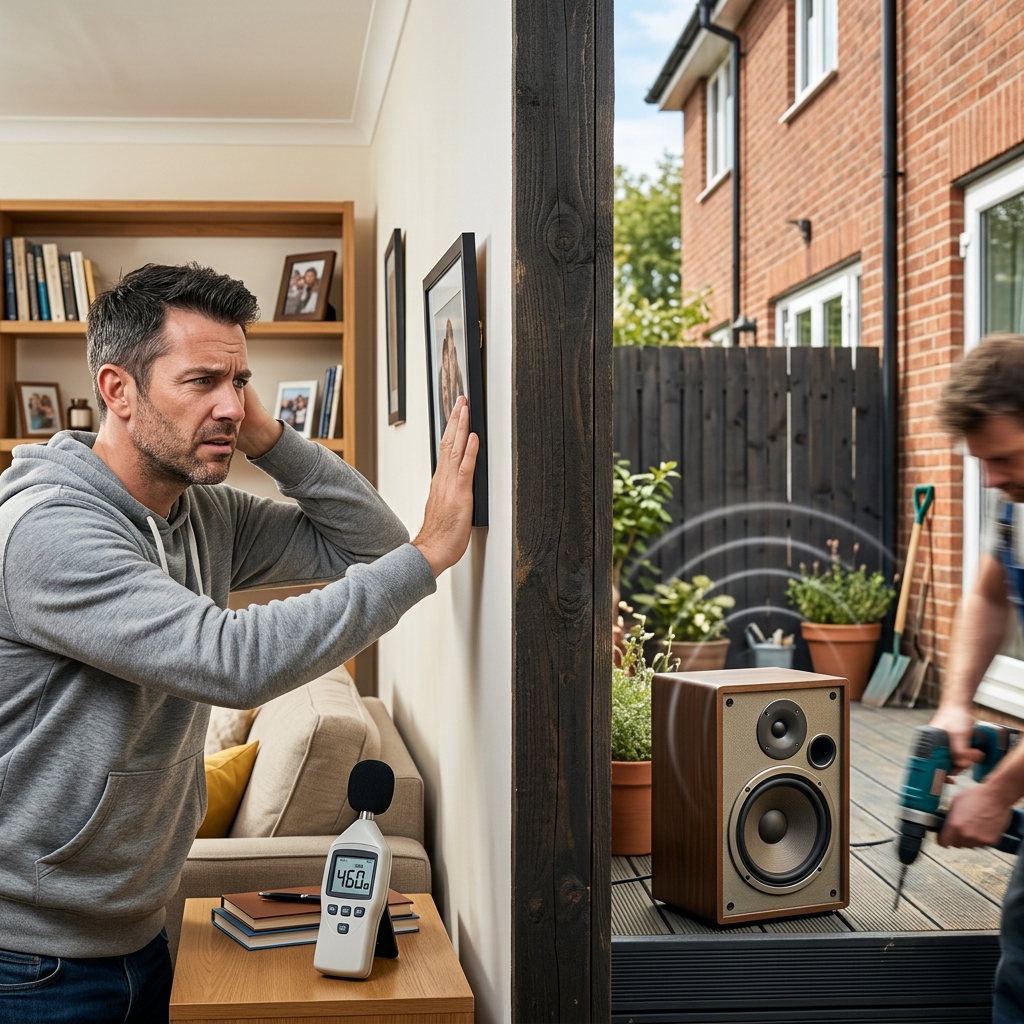
Living near other people inevitably creates friction. Noise, blocked views, pets, and property boundaries are all frequent sources of tension between neighbors. Yet most disagreements can be managed or resolved if you understand your rights, local rules, and the steps available before—and after—you involve the legal system.
This guide explains how to recognize when a neighbor’s behavior becomes a legal problem, how to approach them constructively, and what remedies may exist if informal efforts fail.
Understanding When a Neighbor Issue Becomes a Legal Problem
Many neighbor annoyances are unpleasant but not legally actionable. The law usually intervenes only when conduct is unreasonable and substantially interferes with your ability to use and enjoy your property.
Private nuisance and “quiet enjoyment”
In many states, persistent noise or other interference can be framed as a private nuisance, a legal claim that a neighbor’s actions unreasonably disrupt your use of your land. A related concept, often referenced in leases and court decisions, is the right to quiet enjoyment of your home—the expectation that you can live there without substantial, ongoing disturbance.
Although rules vary by state, courts often look for:
- Substantial interference with everyday comfort, not minor irritation.
- Conduct that is unreasonable under the circumstances (for example, nightly parties at 2 a.m.).
- Evidence that the problem is recurring, not a one-time incident.
Before you assume your situation is a legal nuisance, review your local noise or property ordinances and, if you rent, your lease terms, which often incorporate these rules.
Common categories of neighbor disputes
Disputes typically fall into a few recurring patterns:
- Noise and disturbances: loud music, parties, machinery, barking dogs.
- Views and structures: new fences, additions, or trees blocking light or scenic views.
- Pets and animals: noise, roaming animals, and property damage.
- Boundaries and encroachment: fences built over the line, sheds or driveways crossing onto another lot.
Each category may implicate different legal rules—such as zoning, nuisance law, building codes, or HOA restrictions—but the practical problem-solving steps often look similar.
Noise Complaints: From Annoyance to Legal Action
Noise is one of the most common and emotionally charged neighbor conflicts. Most cities and counties have noise ordinances that limit loud sounds during certain hours or above certain decibel levels. Violations can lead to warnings, fines, or other enforcement measures.
Practical steps before calling authorities
Authorities and courts often prefer that neighbors try to resolve noise issues informally first. Consider this sequence:
- Polite conversation: Speak calmly, explain how the noise affects you, and suggest specific changes (earlier quiet hours, moving speakers).
- Keep a log: Record dates, times, type of noise, and duration. This log can support later complaints or legal claims.
- Written request: If talking fails, send a respectful letter or email describing the problem and referencing applicable noise rules.
- Mediation: A neutral mediator can help both sides discuss solutions without escalating conflict.
Involving landlords, HOAs, and local government
If informal efforts fail, your next steps depend on where you live:
- Renters can notify their landlord or property manager in writing. Persistent noise may breach lease terms or local codes, giving the landlord grounds to intervene or impose penalties.
- Homeowners in HOAs can file a complaint with the association, relying on community rules about noise, use of common areas, and nuisance behavior.
- Other residents can report violations to local code enforcement, animal control (for animal noise), or the police, particularly for after-hours disturbances that violate ordinances.
When you report noise, provide clear information: your log, copies of any correspondence, and details about what you have already tried to resolve the issue.
Legal remedies for serious noise problems
In extreme cases, you may consider formal legal action. According to resources on neighbor noise and nuisance, available remedies often include:
- Police enforcement: Repeated calls may lead to citations or fines under local ordinances.
- Small claims court: You can seek monetary damages for lost sleep, reduced enjoyment, or related harm, and sometimes an order requiring the neighbor to stop the noise.
- Private nuisance lawsuits: In higher courts, you might request damages and an injunction, but these cases can be complex and usually require an attorney.
To succeed, you generally must prove that the noise is unreasonable, ongoing, and directly harms your ability to live comfortably in your home.
| Approach | Best For | Pros | Cons |
|---|---|---|---|
| Informal conversation | Minor or new issues | Fast, low-cost, preserves relationships | May not work with uncooperative neighbors |
| Written complaint | Recurring disturbances | Creates documentation, shows seriousness | Can feel confrontational if tone is harsh |
| Mediation | Ongoing conflicts with some willingness to negotiate | Neutral guidance, flexible solutions | Requires participation from both sides |
| Police or code enforcement | Clear violations of noise ordinances | Official record, potential fines | May strain relations; limited resources |
| Small claims or nuisance lawsuit | Severe, ongoing, documented problems | Possible damages and court orders | Time, cost, and uncertainty of litigation |
Blocked Views, Light, and Structural Changes
Disputes about views and light often arise when a neighbor builds upward, installs a tall fence, or lets trees grow until they block sunlight. Unlike noise, there is usually no general legal right to a view, but local zoning laws, building codes, and community rules may still limit what a neighbor can do.
Check rules before you react
Before confronting your neighbor, research:
- Zoning and building rules governing height, setback, and permitted uses of structures in your area.
- HOA or community covenants that restrict fence designs, additions, or landscaping.
- Tree and vegetation laws, especially in cities that regulate dangerous or overgrown trees.
If a neighbor’s project appears lawful, you may still be able to negotiate changes. If it violates local rules, you can raise the issue with code enforcement or your HOA after discussing it with the neighbor.
Negotiating solutions to view and light conflicts
Because lawsuits over views are often uncertain and expensive, practical solutions are usually preferable:
- Ask about design modifications (different fence style, lower height, alternative materials).
- Propose tree trimming schedules or removing specific branches that block light.
- Offer to share costs of adjustments, making cooperation more likely.
When agreements are reached, consider documenting them in writing so future owners understand any shared obligations.
Pets, Animals, and Neighbor Responsibilities
Pets can bring joy—and friction. Excessive barking, roaming animals, and property damage frequently lead to complaints. Many municipalities have specific rules regulating animal noise and behavior, and neighbors can call animal control or police if violations occur.
Addressing noise and behavior from pets
For animal-related disturbances, similar steps apply as with other noise:
- Inform the neighbor about the problem, ideally with examples and times when the animal is disruptive.
- Explain local rules on barking or roaming, and provide copies if necessary.
- Suggest practical fixes (training, indoor hours, secure fencing).
If conditions do not improve, neighbors are typically allowed to contact animal control or local authorities to enforce applicable ordinances.
Property damage and safety concerns
If animals damage property—such as trampling gardens or scratching cars—or pose safety risks, the situation may justify additional steps:
- Document incidents with photos, videos, and written descriptions.
- Ask the neighbor to repair or pay for damage.
- Consult an attorney if the damage is extensive or involves injuries.
In some jurisdictions, repeated violations can result in fines or restrictions on the animal, especially if local animal control identifies ongoing problems.
Property Boundaries, Fences, and Encroachment
Boundary conflicts can be especially sensitive because they touch on ownership itself. Common issues include disputes over where the line stands, fences built beyond it, or sheds and driveways that extend onto a neighbor’s land.
Clarifying where the property line is
Before arguing about encroachment, invest in clarity:
- Review your deed and plat map to see recorded boundaries.
- Consider hiring a licensed surveyor if the line is unclear or contested.
- Share survey results with the neighbor and invite them to ask questions.
A professional survey often prevents escalation by providing neutral, objective evidence of where structures belong.
Resolving fence and structure disputes
Once you know the boundary, consider options:
- Ask the neighbor to relocate or adjust any fence or structure that crosses the line.
- Negotiate easements or written agreements if both parties benefit from leaving a structure in place.
- Refer to local fence ordinances on height, design, and maintenance responsibilities.
If agreements fail, legal remedies may include actions to force removal of encroaching structures or compensation for lost use or damage. However, courts often encourage negotiated resolutions when reasonable compromises exist.
Step-by-Step Framework for Solving Neighbor Disputes
Regardless of the type of conflict, a structured approach helps you stay calm, organized, and effective.
1. Build rapport and understand the context
Problems are easier to solve when neighbors are not total strangers. Some dispute-resolution resources suggest getting to know your neighbor before raising a complaint, when possible. Simple conversation can clarify misunderstandings—maybe they did not realize how thin the walls are or how far sound travels at night.
2. Document the problem
Documentation is critical if you later need help from authorities or a court.
- Maintain a log of incidents with dates, times, and descriptions.
- Take photos or short video clips when appropriate.
- Save emails and letters exchanged about the issue.
3. Communicate directly and respectfully
Many conflicts resolve when someone simply explains the impact of the problem. Share how the issue affects your sleep, work, or family life. Offer solutions instead of demands, and listen to any concerns your neighbor raises.
4. Put concerns in writing
If verbal communication fails, a written description can emphasize the seriousness of the issue and clarify facts.
- State what you have observed and for how long.
- Cite relevant ordinances, lease provisions, or HOA rules.
- Propose specific steps and a reasonable timeline for change.
5. Seek help from community resources
Intermediate options can defuse conflicts without jumping straight to law enforcement or court:
- Mediation programs often operate through community organizations or courts.
- HOA boards can enforce covenants and address common-area issues.
- Local officials or community associations may help coordinate solutions.
6. Use formal enforcement only when necessary
When safety is at risk or repeated violations persist despite reasonable efforts, enforcement may be appropriate.
- Contact police for criminal or serious disturbances, ideally while the issue is occurring.
- Reach out to code enforcement or animal control for nuisance, property, or animal violations.
- Consult a lawyer if you are considering court action, especially for nuisance or boundary disputes.
7. Consider small claims or litigation as a last resort
Legal proceedings can provide relief but also consume time and money. Guides on neighbor law suggest reserving court for serious, well-documented situations:
- Small claims court: Appropriate for modest damages and straightforward disputes.
- Civil lawsuits (e.g., nuisance, trespass): Suitable for substantial interference or property loss, usually with attorney support.
Prepare thoroughly by organizing evidence, estimating damages realistically, and presenting your story calmly.
Frequently Asked Questions
Can I sue my neighbor for loud noise?
Yes, in some cases you can sue for excessive noise, often as a private nuisance claim or in small claims court seeking damages and an order to stop the behavior. Success depends on proving that the noise is unreasonable, ongoing, and significantly interferes with your use of your home.
Is one noisy party enough to bring legal action?
Usually not. Courts and enforcement agencies focus on patterns of disturbance rather than isolated incidents. A single loud event may warrant a warning or complaint, but legal claims typically require recurring problems documented over time.
Do I have a legal right to my view?
In most places, you do not have a general legal right to an unobstructed view, but zoning laws, building codes, and community rules may restrict certain structures or tree growth. Check local regulations and HOA documents to see what limits apply in your area.
What if my landlord ignores my noise complaint?
If your landlord does not address serious disturbances that violate local ordinances or lease terms, you may need to escalate—by documenting your complaints, consulting a tenant-rights organization, or seeking legal advice about your options, which may include actions related to quiet enjoyment or habitability.
When should I call the police about my neighbor?
Police involvement is typically reserved for significant disturbances, clear violations of noise laws, safety issues, or criminal behavior. It is wise to attempt communication and, when appropriate, mediation or landlord/HOA assistance first, unless there is an immediate threat or a serious late-night violation of local ordinances.
References
- What Can You Legally Do About a Neighbor’s Noise? — FindLaw. 2023-09-12. https://www.findlaw.com/realestate/neighbors/what-to-do-about-a-neighbor-s-noise-faqs.html
- Can I Sue My Neighbor for Excessive Noise? — Super Lawyers. 2022-05-10. https://www.superlawyers.com/resources/real-estate/real-estate-disputes/can-i-sue-my-neighbor-for-excessive-noise/
- Neighbors’ Legal Rights and Obligations — Justia. 2021-08-01. https://www.justia.com/real-estate/home-ownership/owning-a-home/meeting-neighbors-and-resolving-disputes/neighbors-and-pets/
- Neighbor Law: Noise & Nuisances — Texas State Law Library. 2024-02-20. https://guides.sll.texas.gov/neighbor-law/noise-and-nuisances
- Solving Disputes with Your Neighbors — People’s Law Library of Maryland. 2023-03-15. https://www.peoples-law.org/solving-disputes-your-neighbors
- Neighbors and Noise FAQ — Southern New Hampshire University EAP. 2022-11-30. https://www.anthemeap.com/snhu/find-legal-support/resources/landlords-and-property-management/legal-assist/neighbors-and-noise-faq
- Private Nuisance: Is Your Neighbor Making It Difficult to Enjoy Your Property? — King Law Offices. 2021-06-10. https://kinglawoffices.com/civil-disputes/is-your-neighbor-making-it-difficult-to-enjoy-your-property/
Similar Articles








Read full bio of medha deb


