
Halloween Pranks That Can Get You Arrested
A practical legal guide to Halloween mischief, showing how common pranks quietly cross the line into crimes and civil liability.
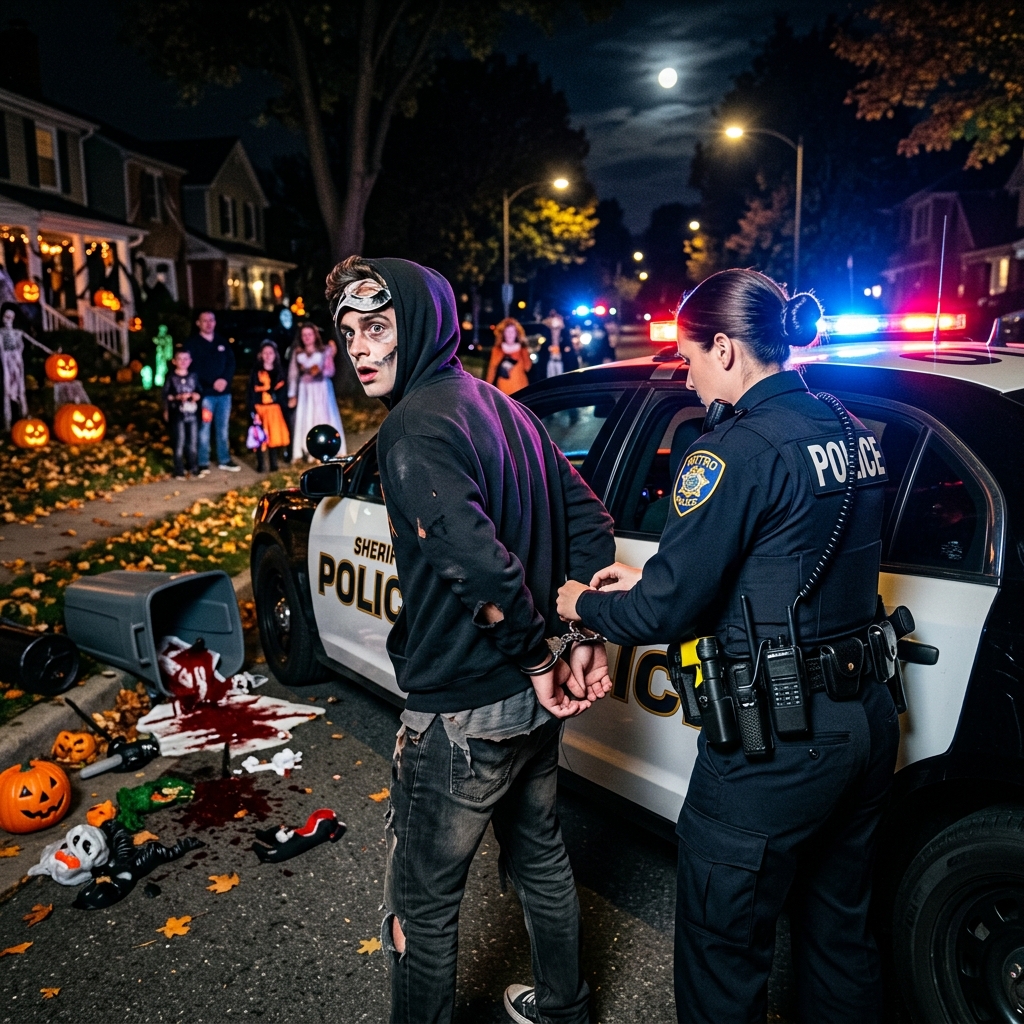
Halloween is often seen as a free pass for mischief, spooky tricks, and late-night adventures. Yet many popular “pranks” are not harmless at all — they can violate criminal laws, expose you to civil lawsuits, or even put lives at risk. Understanding where the legal line is drawn is essential if you want your Halloween memories to involve costumes and candy rather than handcuffs and court dates.
This guide explains how typical Halloween behaviors can translate into criminal charges such as vandalism, assault, disorderly conduct, and alcohol-related offenses, and offers concrete tips to enjoy the holiday safely and lawfully.
Why “Just a Prank” Is Not a Legal Defense
Many people assume that if they intended a joke, the law will treat their conduct more leniently. In reality, criminal statutes focus on what you did and what reasonably resulted, not whether you thought it was funny.
- Intent to joke vs. intent to act: Most criminal laws require that you intentionally performed the act — throwing eggs, spraying paint, blocking a driveway — not that you intended harm. The “prank” label does not erase the behavior.
- Reasonable fear or damage: If your actions cause a reasonable person to fear injury or lead to property damage, you can be charged even if you believed no one would take it seriously.
- Objective standard: Courts generally apply an objective standard: would an average person see this as threatening or destructive? If yes, you are in risky territory.
From a legal standpoint, Halloween pranks are judged by the same rules that apply the rest of the year. The costume and calendar date do not grant immunity.
Property Damage: When Mischief Becomes Vandalism or Criminal Mischief
Many traditional Halloween tricks revolve around property — houses, cars, decorations, and public spaces. In most U.S. jurisdictions, damaging or defacing property that you do not own can lead to charges such as vandalism or criminal mischief. These offenses typically cover intentional destruction, defacement, or interference with property.
Common Property-Related Halloween Pranks
- Egging houses or cars: Throwing eggs at someone’s home or vehicle can cause paint damage, staining, and costly cleaning. That damage is rarely considered trivial; it may be charged as vandalism or criminal mischief, and the victim can also seek civil compensation for repairs.
- Smashing pumpkins and yard decorations: Destroying Halloween decorations, including carved pumpkins or inflatable figures, is still destruction of property. Even if the items look seasonal or inexpensive, the law treats them as personal property protected from damage.
- Toilet-papering (TP-ing) homes and trees: Covering a building or yard with toilet paper can require time-consuming cleanup and may involve trespassing onto private property to do it. In many places, this combination of trespass and mess amounts to criminal mischief.
- Graffiti and spray paint: Painting walls, fences, sidewalks, or vehicles without permission is a classic form of vandalism. Depending on the cost to remove or repair the damage, charges can range from a minor misdemeanor to a more serious offense.
- Damaging plants or landscaping: Pulling up plants, breaking shrubs, or tearing out decorations from gardens may also be charged as property damage, especially when the landscaping has significant monetary or sentimental value.
Legal Consequences for Property Damage
| Type of behavior | Possible criminal charge | Potential consequences |
|---|---|---|
| Egging a house or car | Vandalism / Criminal mischief | Fines, restitution for cleaning or repainting, probation, possible jail for serious damage |
| Smashing pumpkins or decorations | Criminal mischief / Destruction of property | Fines, community service, civil liability for replacement costs |
| TP-ing private property | Criminal mischief + trespass | Arrest, fines, possible juvenile court involvement for minors |
| Graffiti on buildings | Vandalism / Defacement of property | Higher fines, mandatory cleanup, possible loss of driving privileges in some states |
In many states, the severity of these charges depends on the monetary value of the damage. Once repairs cross certain thresholds, a prank can be prosecuted as a more serious misdemeanor or even a felony.
Scare Tactics: How Frightening Someone Can Turn Into Assault
Halloween thrives on fear: haunted houses, jump scares, creepy costumes. But when scare tactics move from controlled entertainment into everyday spaces, the law can treat them as assault or related offenses if they cause a reasonable fear of imminent harm.
When a Scare Becomes Legally Risky
- Sudden chase or menacing approach: Running at someone with a weapon-like prop, or chasing them through a dark area, can cause them to reasonably believe they are about to be harmed. That is often enough to meet the legal definition of assault, even if you never touch them.
- Physical contact during pranks: Grabbing, pushing, or restraining someone for a “scare” may lead to assault or battery charges if it is unwelcome, especially if any injury results when they try to escape.
- Traps that cause falls or injuries: Setting up hidden obstacles on steps or walkways, or prank devices designed to startle people while they walk, can lead to liability if someone trips, falls, or suffers a medical emergency.
- Targeting vulnerable people: Frightening young children, older adults, or people with known health issues increases the risk of both criminal and civil consequences if fear triggers serious physical or emotional harm.
Assault Without Physical Injury
In many jurisdictions, an assault charge can arise even if there is no physical injury; it is enough that the victim reasonably believed they were at risk of immediate harm. This means that a scare prank can cross the line into criminal territory long before anyone ends up in the hospital.
Additionally, if the prank involves loud disruptions, blocking public pathways, or forcing crowds to panic, police might also consider charges like disorderly conduct or disturbing the peace.
Alcohol, Underage Drinking, and Party Liability
Halloween parties sometimes feature alcohol, even when minors are present. Whether or not you view it as a “prank,” allowing or arranging underage drinking on Halloween remains illegal in most places. Hosting a party or giving alcohol to someone below the legal drinking age can have serious consequences.
Underage Drinking Risks
- Supplying alcohol to minors: Most state laws prohibit giving, selling, or otherwise providing alcoholic beverages to anyone under the legal drinking age. Violations can result in fines, potential jail time, and difficulties for adults who hold professional licenses.
- Allowing underage drinking at home: Some jurisdictions impose penalties on homeowners or tenants who knowingly permit underage drinking on their property, particularly if it leads to injuries, drunk driving, or other crimes.
- Alcohol-related incidents: When underage drinking contributes to fights, vandalism, or accidents, everyone involved — including the person who supplied the alcohol — may face heightened legal exposure.
The strongest legal protection is straightforward: keep alcoholic drinks away from people who are not old enough to consume them lawfully.
Parents, Guardians, and Civil Liability for Minors
Halloween pranks are often carried out by teenagers. In many states, parents or guardians can be held financially responsible for the property damage or injuries their minor children cause while engaging in mischief. This civil liability is separate from any juvenile charges the child may face.
- Restitution for damage: Property owners can seek repayment for repairs or replacement of damaged items. Courts may order parents to pay if the child cannot cover the cost.
- Insurance impacts: Significant vandalism or injury claims can affect household insurance premiums. Insurers sometimes pursue reimbursement from responsible parties when prank-related injuries lead to medical claims.
- Long-term consequences for minors: Even juvenile records can influence future opportunities, including scholarships or certain job applications, particularly when offenses involve violence or serious property damage.
How to Keep Halloween Fun and Legal
You do not need to give up spooky fun to stay on the right side of the law. With some planning, you can design Halloween activities that deliver thrills without risking arrest or lawsuits.
Safer Alternatives to Risky Pranks
- Organized haunted experiences: Visit properly run haunted houses or escape rooms where scares are controlled, consent-based, and supervised. These venues are designed to manage fear safely and legally.
- Decor-focused fun: Put effort into elaborate yard displays, creative costumes, and themed games instead of destructive acts. Visual scares are less likely to cross legal boundaries.
- Pranks with clear consent: Limit tricks to close friends who genuinely agree to participate and understand what will happen. Make sure everyone knows the limits and can opt out.
- Community events: Attend neighborhood trick-or-treating, pumpkin carving contests, or local festivals where rules are clear and risks are lower.
Practical Guidelines to Avoid Legal Trouble
- Respect property: Never throw objects at, spray, or deface anything you do not own. This includes cars, homes, street signs, public buildings, and decorations.
- Think before you scare: Ask whether your stunt could reasonably cause someone to believe they are in danger. If the answer is yes, reconsider or adapt the idea.
- Avoid weapons and realistic threats: Props that closely resemble real weapons or behavior that imitates a real attack increase the chance of assault charges and police response.
- Keep alcohol within the law: Do not provide drinks to minors or encourage underage drinking at parties.
- Set rules for minors: If you are a parent or guardian, explain which behaviors are off-limits, including vandalism, aggressive pranks, and unsafe stunts. Make clear that “pranks” still have consequences.
Frequently Asked Questions About Halloween Pranks and the Law
Is egging a house always illegal?
Egging a house is generally considered illegal because it involves intentional damage or defacement of property. Even minor damage can lead to charges like vandalism or criminal mischief, and the homeowner may seek repayment for cleaning or repairs.
Can I be charged with assault even if I never touch the person?
Yes. In many jurisdictions, assault can be charged when someone reasonably believes they face imminent physical harm, even without physical contact. Chasing or lunging at people in a threatening way for a scare can meet this standard.
Is toilet-papering a friend’s house legal if they will laugh about it?
It may still be illegal. Trespassing on private property and creating a large mess can qualify as criminal mischief, regardless of your relationship with the owner. If the homeowner or neighbors complain, police may treat it as an offense.
What if someone gets hurt while running away from my prank?
If a person is injured trying to escape your prank — for example, by tripping, falling, or suffering a medical episode — you may face civil liability and potentially criminal charges, especially if your actions created a dangerous situation.
Can parents be held liable for their kids’ Halloween pranks?
Often, yes. Many states allow property owners to recover damages from parents or guardians when minors cause vandalism or other harm, in addition to any juvenile proceedings the child may face.
Is underage drinking treated differently on Halloween?
No. Underage drinking is illegal regardless of the date. Supplying alcohol to minors or hosting parties where they drink can result in criminal charges, fines, and other penalties just as on any other day.
References
- Illegal Pranks On Halloween: Stay Out Of Jail & Know The Law — LaHood Norton Law Group. 2023-10-10. https://lahoodnorton.com/blog/halloween-illegal-pranks-texas-law/
- Possible Legal Dangers of Halloween Pranks — The Edgett Law Firm. 2023-10-25. https://edgettlawfirm.com/blog/possible-legal-dangers-of-halloween-pranks/
- Which Halloween Pranks Can Land Jokesters in Jail? — Northeastern University School of Public Policy and Urban Affairs. 2014-10-30. https://cssh.northeastern.edu/policyschool/which-halloween-pranks-can-land-jokesters-in-jail-l-a-lawyer-explains/
- Halloween Pranks That Will Get You Arrested — FindLaw. 2018-10-22. https://www.findlaw.com/legalblogs/criminal-defense/halloween-pranks-that-will-get-you-arrested/
- Illegal Halloween Pranks?! — Law by Mike (video transcript as cited by Northeastern and other legal commentary). 2021-10-29. https://www.tiktok.com/@lawbymike/video/7025491156012109062
Similar Articles








Read full bio of Sneha Tete




