
Halloween Police Officer Costumes: Legal Boundaries and Safe Choices
Understand the legal implications of wearing a police officer costume on Halloween and avoid criminal charges.
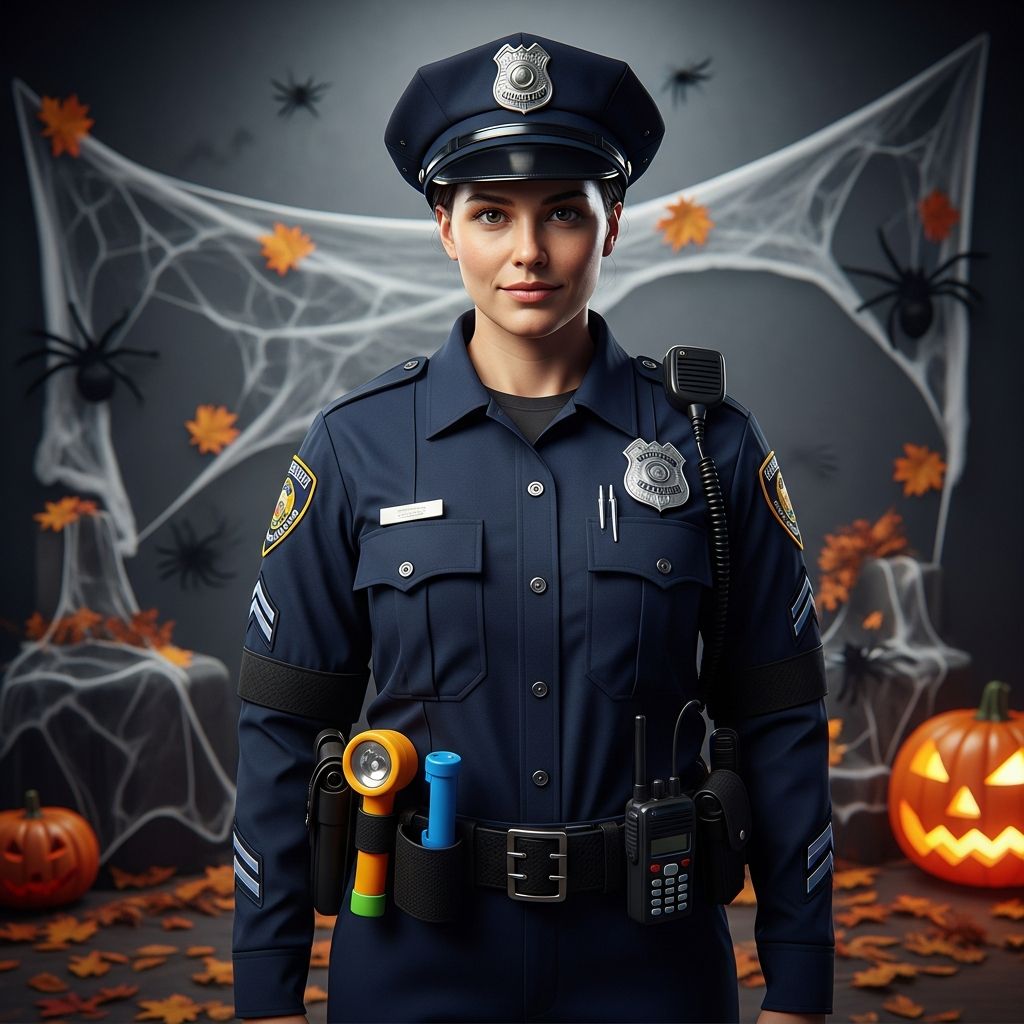
Understanding the Legal Landscape of Police Officer Costumes During Halloween
Halloween provides a unique opportunity for creative self-expression through costume selection, yet certain choices carry unexpected legal consequences. Among the most commonly misunderstood costume options is dressing as a law enforcement officer. Many individuals assume that donning a police uniform for a Halloween party automatically violates impersonation laws, but the legal reality is considerably more nuanced. Understanding the distinction between acceptable holiday attire and criminal impersonation is essential for anyone considering this costume choice. The key factor determining legality is not simply wearing the uniform itself, but rather your intentions and actions while dressed in the costume.
The Core Distinction: Costume Wear vs. Criminal Impersonation
A fundamental misunderstanding exists regarding Halloween costumes and law enforcement impersonation statutes. Simply selecting a police officer costume and attending a party does not constitute a criminal offense in most jurisdictions. The legal system recognizes a critical distinction between wearing costume elements for entertainment purposes and actually impersonating a law enforcement officer with fraudulent intent.
California Penal Code Section 538d establishes the legal framework for impersonation charges, but the statute’s enforcement depends heavily on demonstrating criminal intent. Wearing a uniform, badge, insignia, or other official police equipment becomes illegal only when the wearer intends to deceive others into believing they are an actual law enforcement officer. This distinction protects legitimate holiday celebrations while preventing fraudulent and dangerous conduct.
What Constitutes Illegal Police Officer Impersonation
Several elements must be present to transform a Halloween costume into criminal impersonation. Understanding these components helps clarify which behaviors cross the legal threshold:
- Deceptive Intent: You must deliberately attempt to convince others that you possess legitimate law enforcement authority. This requires active misrepresentation, not merely wearing costume elements.
- Fraudulent Use of Authority: Taking actions that only actual police officers can perform constitutes impersonation. This includes stopping vehicles, making arrests, or conducting investigations.
- Using Official Credentials: Displaying actual police badges, credentials, or certificates with intent to deceive significantly strengthens prosecution cases. Even reproduction badges used to convince people of legitimate authority cross into illegal territory.
- Conducting Law Enforcement Activities: Pretending to enforce laws, investigate crimes, or exercise police powers demonstrates the clear intent required for criminal charges.
The absence of any of these elements typically means your costume remains legal Halloween attire. Someone attending a costume party purely for entertainment purposes, without attempting to deceive anyone about their actual status, operates well within legal boundaries.
Prohibited Items and Their Legal Status
California law specifically identifies items whose unauthorized use can trigger impersonation charges. The law prohibits wearing or using:
- Official police uniforms or reproductions clearly designed to deceive
- Law enforcement badges, particularly authentic ones
- Official insignia and emblems representing specific agencies
- Issued identification cards or credentials
- Certificates of authority or appointment
- Official labels or device markings indicating law enforcement status
However, the mere possession or wearing of these items during Halloween does not automatically constitute a crime. Intent remains the determining factor. A Halloween costume badge sold at a party store worn to a costume celebration presents no legal problem. That same badge used to convince someone you have authority to stop their vehicle creates serious criminal liability.
Real-World Examples of Criminal Impersonation
Examining specific cases helps illustrate where the legal line exists. Law enforcement agencies have prosecuted individuals who took their impersonation beyond costume-wearing into actual deceptive conduct. One notable Northern California case involved a person driving a vehicle designed to resemble a police car who actually attempted to stop an off-duty police officer. This action clearly demonstrated intent to exercise law enforcement authority, moving the conduct beyond Halloween entertainment into criminal impersonation.
These cases consistently involve individuals who performed actions associated with legitimate police work rather than simply wearing costumes. Attempting traffic stops, making arrests, or conducting investigations while impersonating an officer presents obvious dangers and clear criminal intent that distinguishes the conduct from costume wearing.
Understanding Potential Penalties for Impersonation
California law establishes graduated penalties based on the severity of impersonation conduct:
| Type of Impersonation | Jail Time | Fine Amount |
|---|---|---|
| Wearing uniform, insignia, emblem, device, label, certificate, or card | Up to 6 months | Up to $1,000 |
| Using an actual police badge | Up to 1 year | Up to $2,000 |
These penalties represent misdemeanor offenses, which remain on your criminal record and affect employment, housing, and educational opportunities. The use of actual police badges rather than costume replicas triggers enhanced penalties, recognizing the greater deception involved.
Safety Considerations Beyond Legal Issues
Beyond legal implications, wearing realistic police uniforms presents practical safety concerns. Law enforcement officers responding to calls cannot instantly determine whether someone wearing a uniform is an actual officer or impersonator. This confusion potentially creates dangerous confrontations. First responders approach realistic uniforms with heightened caution, and misunderstandings in these encounters can escalate quickly. From a purely practical perspective, costume choices that don’t create confusion serve everyone’s safety interests.
Selecting Safe and Legal Halloween Costumes
Individuals seeking law enforcement-themed costumes can make choices that remain entirely legal and safe. Several alternatives provide similar visual appeal without legal risk:
- Clearly comic or exaggerated versions that obviously represent fantasy rather than realistic uniforms
- Historical law enforcement costumes from different eras that don’t resemble current police uniforms
- Costumes from fictional television shows or movies featuring police-like characters
- Security guard or private investigator costumes that differ meaningfully from official police uniforms
- Parody versions with humorous modifications that signal entertainment rather than deception
These alternatives allow Halloween participants to enjoy themed costumes while remaining firmly within legal boundaries and avoiding any possibility of criminal charges.
Interstate Variations in Impersonation Laws
While this analysis focuses on California law, impersonation statutes exist throughout the United States with varying specific requirements. Some jurisdictions have broader prohibitions while others have narrower ones. Individuals traveling across state lines for Halloween celebrations should research applicable local laws, as the same costume might be legal in one location but problematic in another. Many states follow similar frameworks distinguishing between costume-wearing and fraudulent impersonation, but specific language and enforcement practices vary.
What to Do If You Face Impersonation Charges
If you’ve been arrested or charged with impersonating a police officer, several important steps protect your rights. Immediately cease any conduct that could be characterized as exercising police authority. Contact an experienced criminal defense attorney before answering police questions or making statements. Provide your attorney with full details about your actions, intentions, and the context of your costume-wearing. Many impersonation charges can be challenged by demonstrating lack of criminal intent or by establishing that your conduct clearly represented costume-wearing rather than fraudulent impersonation.
Frequently Asked Questions About Police Officer Halloween Costumes
Q: Can I wear a police costume to a Halloween party without breaking the law?
A: Yes, wearing a police costume to a Halloween party is generally legal. The law prohibits impersonating an officer with intent to deceive, not costume-wearing for entertainment purposes. As long as you’re not attempting to convince anyone you’re an actual officer or exercising police authority, you remain within legal boundaries.
Q: What happens if I’m wearing a police costume and a police officer stops me?
A: If stopped while in costume, politely explain that you’re wearing a Halloween costume and cooperate fully with the officer. Provide clear context about your activities and destinations. Most law enforcement officers understand the difference between costume-wearing and impersonation and won’t take enforcement action if your conduct has been innocent.
Q: Does wearing a fake badge make my costume illegal?
A: A costume badge from a party store worn for Halloween purposes does not automatically create legal problems. However, using any badge—authentic or replica—to convince people you’re an actual officer with law enforcement authority is illegal. Intent determines legality, not the badge’s authenticity.
Q: Can I perform police-like activities while in costume?
A: No. Attempting to stop vehicles, make arrests, conduct investigations, or perform any actual police functions while impersonating an officer is illegal regardless of costume context. These actions demonstrate criminal intent and violate impersonation laws.
Q: Are there differences in laws between states?
A: Yes, impersonation laws vary by jurisdiction. While most states follow similar frameworks distinguishing between costume-wearing and fraudulent impersonation, specific penalties and requirements differ. Research local laws in your state before choosing your costume.
Q: What should I do if charged with police impersonation?
A: Contact a criminal defense attorney immediately without discussing details with police. Your attorney can evaluate whether the evidence demonstrates actual criminal intent versus innocent costume-wearing and develop an appropriate defense strategy.
Conclusion: Making Informed Costume Choices
Halloween costumes represent a form of creative expression protected by the ability to wear many types of attire without legal consequence. Police officer costumes fall within this protected realm when worn for legitimate entertainment purposes. The critical legal distinction centers on intent and conduct rather than clothing choice alone. By understanding this distinction, choosing costumes that clearly signal entertainment rather than deception, and avoiding any conduct that could be interpreted as exercising police authority, individuals can safely enjoy police-themed costumes without legal risk. When in doubt about specific costume choices or local regulations, consulting with local law enforcement or a legal professional provides clear guidance for responsible Halloween celebration.
References
- Is It Illegal to Dress Up as a Cop for Halloween in California? — Fresno Defense. Accessed January 2026. https://www.fresnodefense.com/is-it-illegal-to-dress-up-as-a-cop-for-halloween-in-california/
- I’m Going to Be a Cop for Halloween. Is that Impersonating an Officer? — Appel & Morse. Accessed January 2026. https://www.appelmorse.com/blog/2019/october/im-going-to-be-a-cop-for-halloween-is-that-imper/
Similar Articles








Read full bio of Sneha Tete


