
Halloween Mischief: Juvenile Offenses and Prevention
Unmasking the risks: Common crimes teens commit on Halloween and how parents can prevent lasting legal consequences.
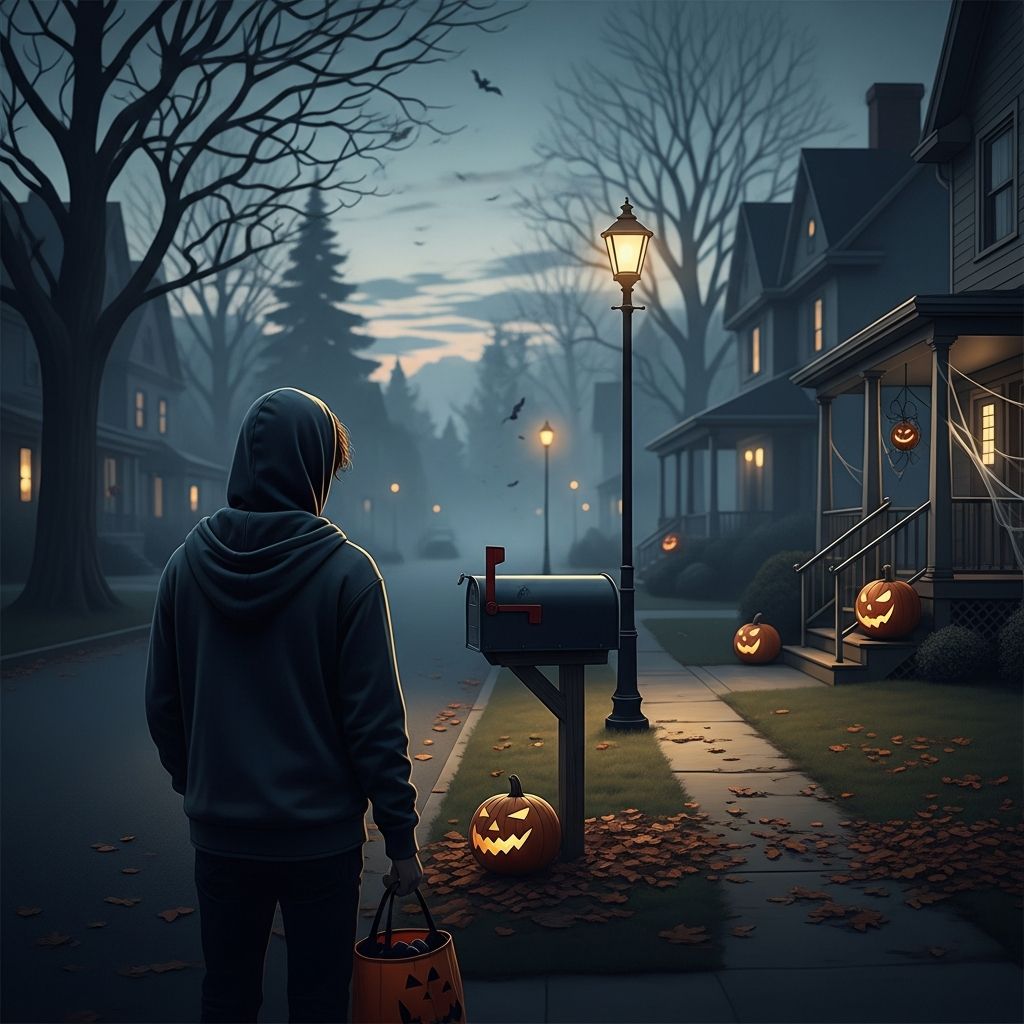
Halloween transforms neighborhoods into festive playgrounds filled with costumes, candy, and excitement. However, this holiday also sees a noticeable uptick in juvenile misbehavior that can lead to serious legal repercussions. Young people, fueled by the thrill of the night, often cross lines from harmless fun into criminal territory. Understanding these risks empowers parents and guardians to guide teens toward safe celebrations.
Why Halloween Fuels Youthful Transgressions
The anonymity of costumes, late hours, and peer pressure create a perfect storm for poor decisions among minors. Data from various regions indicates spikes in certain offenses during this period. For instance, property-related incidents rise significantly around October 31st, reflecting how seasonal excitement can escalate into destructiveness. Parents must recognize these patterns to intervene effectively.
Prevalent Property Crimes by Teens on All Hallows’ Eve
Damage to homes and vehicles stands out as a top concern. Youths might hurl eggs at windows or drape trees with toilet paper, viewing it as a prank. Yet, these acts qualify as vandalism, carrying fines, restitution orders, and community service for offenders. In many jurisdictions, even minor damage over a certain dollar threshold elevates the charge to a felony, haunting juvenile records.
- Egging and TPing: Common starters that lead to cleanup costs for victims.
- Window Smashing: Using pumpkins or rocks turns playful into felonious.
- Street Signs Defacement: Spray paint on public fixtures adds misdemeanor layers.
Trespassing frequently accompanies these acts. Teens sneaking onto private land for ‘haunted’ explorations or shortcutting lawns without permission face misdemeanor charges, including potential detention. Clear boundaries and parental oversight can curb such impulses.
Violence and Public Safety Violations
Physical confrontations surge at parties or amid crowds. What begins as a costume-based joke can escalate to shoving matches or outright brawls, classified as assault. Convictions mean probation, anger management classes, and barriers to future opportunities like college admissions.
| Crime Type | Typical Scenario | Possible Penalties for Minors |
|---|---|---|
| Assault | Party fights over costumes or alcohol | Probation, counseling, juvenile detention |
| Battery | Prank punches resulting in injury | Fines, restitution, record annotation |
| Gang Activity | Turf disputes in costumes | Enhanced sentences, gang registries |
Driving under the influence (DUI) emerges as a grave danger, especially for older teens with access to vehicles. Even a blood alcohol level as low as 0.02% for drivers under 21 triggers zero-tolerance laws, leading to license suspension and mandatory programs.
Substance Abuse Offenses During Celebrations
Underage drinking dominates party scenes, with teens sourcing alcohol via fake IDs or older friends. Possession alone warrants citations, while distribution to peers invites felony scrutiny. Drugs like marijuana or harder substances amplify risks, often resulting in possession charges that derail academic paths.
- Fake ID Use: Purchasing booze or entry to bars—federal and state offenses.
- Alcohol Solicitation: Begging adults for drinks, prosecutable as minor in consumption.
- Drug Possession: Hidden in candy bags, leading to searches and arrests.
Sexual assault, though rarer, spikes in crowded, alcohol-fueled environments. Consent blurred by costumes and intoxication leads to regrettable actions with lifelong stigma. Education on boundaries is crucial.
Stealing and Opportunistic Theft
Candy grabs evolve into broader larceny. Snatching unattended bags, bikes, or decorations counts as theft, with values determining misdemeanor or felony status. Organized groups targeting porches face group accountability under juvenile laws.
Burglary risks rise when trespassing pairs with entry into garages or homes for ‘better treats.’ Statistics show burglary comprising about 9% of Halloween incidents, underscoring vigilance needs.
Long-Term Fallout from Holiday Infractions
A juvenile record isn’t fleeting. Vandalism or assault notations complicate scholarships, jobs, and driver’s licenses. Expungement isn’t guaranteed, especially for repeats. Courts impose restitution—repaying damages from allowance or part-time work—plus curfews and electronics bans. Felony-level offenses like serious assault or drug sales trigger transfer to adult court for some teens.
Parental Strategies to Safeguard the Night
Proactive measures make all the difference. Supervise younger children closely; for teens, set clear itineraries with check-ins. Host safe home parties with non-alcoholic punch and games to sidestep external temptations.
- Discuss consequences pre-holiday using real local cases.
- Inspect costumes for ID-hiding potential; confiscate fakes.
- Coordinate with neighbors for block watches.
- Teach ‘no means no’ in social settings.
- Provide rides to prevent DUI tragedies.
Community programs, like police-led safety walks, enhance deterrence. Emphasize that one poor choice overshadows candy hauls.
Crime Statistics: Debunking Halloween Myths
While property crimes climb—vandalism hitting 21% of reports versus 14% annually—sex offenses remain steady at about 1%, debunking stranger-danger panics. Pedestrian accidents claim more young lives, per CDC data, prioritizing traffic safety. Theft leads at 32%, followed by assaults at 19%. These figures, from analyses of millions of incidents across states, guide focused prevention.
Frequently Asked Questions About Juvenile Halloween Crimes
Can a single vandalism act lead to juvenile detention?
Yes, depending on damage extent and priors; courts weigh intent and restitution willingness.
Are fake IDs common charges on Halloween?
Absolutely; parties prompt heavy enforcement, resulting in possession fines and record marks.
Does Halloween see more assaults than other holidays?
Data shows elevated rates due to crowds and substances, comprising 19% of incidents.
How can parents check for drug possession risks?
Bag searches, open talks, and knowing friends’ influences prevent hidden stashes.
Is trespassing ever forgiven as a prank?
Rarely; property rights prevail, leading to citations even for ‘shortcut’ cases.
Building a Safer Halloween Tradition
By addressing these pitfalls head-on, families turn Halloween into pure joy. Legal knowledge arms parents against complacency, fostering responsibility in youth. Encourage group trick-or-treating in lit areas, limit candy to homes, and end nights early. When fun prevails over folly, the holiday shines brightest.
Empowerment through awareness ensures costumes bring laughter, not court dates. Share these insights locally to amplify safety nets.
References
- Juvenile Crime at Halloween — Palm Beach Defense. 2023-10-01. https://www.palmbeachdefense.com/juvenile-crime-at-halloween/
- Common Juvenile Crimes that Occur on Halloween — Nelson Law Bend. 2023-10-25. https://nelsonlawbend.com/common-juvenile-crimes-halloween/
- Common Crimes Committed on Halloween — Kelmansky Law. 2023-10-20. https://kelmanskylaw.com/common-halloween-crimes/
- 5 Most Common Crimes Committed on Halloween — New Mexico Criminal Law. 2023-10-28. https://newmexicocriminallaw.com/5-common-crimes-committed-halloween/
- Sexual Abuse: Halloween and Crime — ATSA Blog. 2023-10-01. https://blog.atsa.com/2023/10/halloween-and-crime.html
Similar Articles








Read full bio of medha deb




