
Preventing Halloween Injuries: Essential Safety Strategies
Master key safety practices to keep your Halloween celebration injury-free and fun.
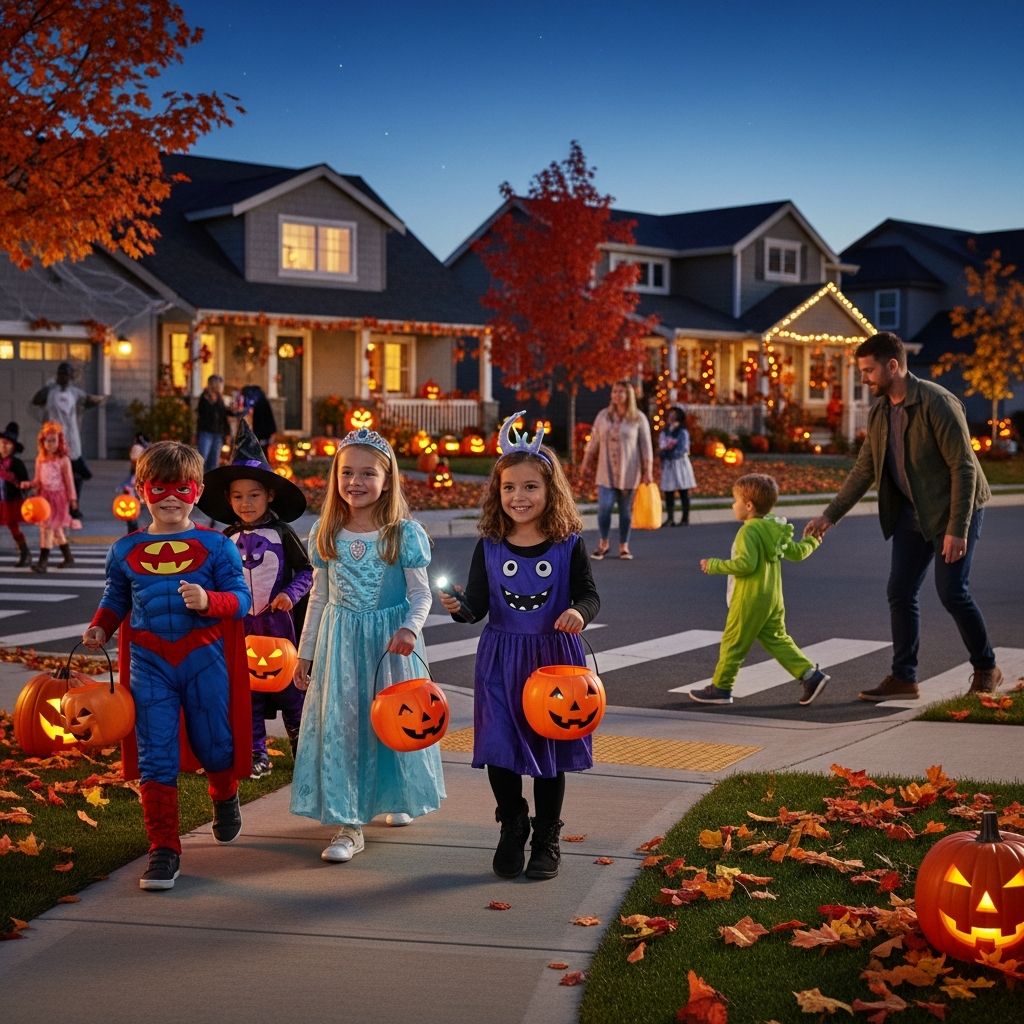
Halloween represents one of the most anticipated holidays for families across the country, offering children and adults alike an opportunity to celebrate with costumes, trick-or-treating, and festive decorations. However, the excitement of the season can sometimes overshadow important safety considerations that could prevent serious injuries. Understanding the common hazards associated with Halloween activities and implementing protective measures can transform the holiday into a genuinely secure and enjoyable experience for everyone involved.
The emergency rooms of hospitals experience a notable surge in patient visits during Halloween week, with many cases involving preventable injuries. From costume-related accidents to traffic incidents and decoration hazards, the range of potential dangers is diverse and often underestimated. By educating yourself and your family about these risks and establishing clear safety protocols, you can significantly reduce the likelihood of Halloween-related injuries while maintaining the festive spirit of the occasion.
Understanding the Scope of Halloween-Related Injuries
Halloween injuries span multiple categories, each with distinct causes and prevention methods. The most common injury types include those related to costumes and accessories, pedestrian and traffic accidents, falls from decorative elements, and burns from open flames. Additionally, injuries can result from inadequate supervision, poor visibility in low-light conditions, and hazardous home preparations.
Research indicates that children ages five to fourteen represent a significant portion of Halloween emergency room visits. Adult injuries also occur frequently, particularly among individuals decorating homes, driving during peak trick-or-treating hours, or hosting events. Understanding that these injuries are largely preventable motivates families to adopt comprehensive safety practices before the holiday arrives.
Mastering Costume Safety: Design and Material Considerations
The costume itself represents the first line of defense against Halloween injuries. Many parents focus solely on the aesthetic appeal of their child’s outfit without considering critical safety features. Proper costume selection begins with understanding fabric properties and garment fit.
Flame-Resistant Materials
When purchasing or creating costumes, flame-resistant properties should rank as a primary consideration. Costumes, wigs, and accessories bearing flame-resistant labels significantly reduce burn injury risks when children come into contact with jack-o-lanterns, candles, or other open flames. If you’re constructing a homemade costume, selecting nylon or polyester materials provides inherent flame-resistant properties compared to cotton or silk alternatives.
Proper Fit and Length
An oversized or excessively long costume creates numerous hazards beyond aesthetic concerns. Dragging fabric can catch on objects, causing trips and falls that result in sprains, fractures, or head injuries. Shoes should fit properly to prevent foot movement inside the shoe, which compromises stability and balance. Before the holiday, have children walk around in their complete costumes, including footwear, to identify any fit issues that could create movement hazards.
Vision and Mobility Enhancement
Full-face masks pose particular challenges despite their popularity. These masks can obstruct peripheral vision, reduce depth perception, and make it difficult for children to see curbs, steps, or uneven surfaces. Eye holes in masks may not align precisely with a child’s natural line of sight, creating dangerous blind spots. Substituting face paint or makeup for masks, when possible, maintains full visibility while achieving the desired costume effect. If masks are essential to the costume concept, ensure they provide adequate visibility by testing them thoroughly before Halloween night.
Makeup and Face Paint Safety
Not all face paints marketed for children meet safety standards. Non-toxic, hypoallergenic formulations should always be selected, and a test application on a small skin area should precede full-face application to identify potential allergic reactions. Parents should remove all makeup before bedtime to prevent skin irritation and allow proper skin recovery overnight.
Visibility and Reflectivity: Making Children Visible in Low-Light Conditions
As darkness falls during evening trick-or-treating hours, visibility becomes paramount. Children wearing dark costumes become nearly invisible to motorists, creating dangerous pedestrian situations. Implementing reflective elements transforms costumes into attention-getting safety tools.
Strategic Reflective Tape Application
Adding reflective tape or stickers to costumes, trick-or-treat bags, and accessories significantly enhances visibility to passing vehicles. Place reflective materials on both front and back surfaces, as well as on the sides of costumes and bags. This multi-directional approach ensures that children remain visible regardless of which direction motorists are approaching from.
Light-Colored Costume Selection
When possible, selecting naturally light-colored costumes or costumes with light-colored panels provides inherent visibility advantages. Bright yellows, whites, oranges, and reds are more visible than dark colors, even without additional reflective enhancements. If your desired costume features predominantly dark colors, incorporating light-colored elements or extensive reflective tape becomes even more critical.
Personal Lighting Devices
Equipping each trick-or-treater with a flashlight or glow stick serves dual purposes: it illuminates the path ahead for the child while signaling their presence to vehicle operators. Glow sticks offer advantages over flashlights in that they cannot be accidentally extinguished and provide consistent illumination throughout the evening. Teaching children to hold their light source prominently and to avoid looking downward during street crossings maximizes the effectiveness of personal lighting.
Route Planning and Pedestrian Safety Protocols
Successful trick-or-treating depends on careful route planning that considers neighborhood characteristics, traffic patterns, and lighting conditions. Parents who establish clear routes in advance significantly reduce the likelihood of injuries resulting from getting lost, wandering into dangerous areas, or being in unfamiliar surroundings.
Pre-Halloween Route Reconnaissance
Before Halloween evening, walk your intended trick-or-treating route during daylight hours. Identify well-lit streets, note areas with heavy traffic, locate sidewalks versus roadway walking areas, and identify houses with outdoor lighting that typically welcome trick-or-treaters. This reconnaissance helps you avoid routes with poor lighting, heavy traffic, or long stretches without sidewalks.
Supervision and Group Dynamics
Children under twelve should be accompanied by at least one responsible adult during trick-or-treating activities. For older children deemed mature enough for independent trick-or-treating, establishing firm expectations about staying in groups of at least three or four peers provides safety in numbers. Isolated children represent more vulnerable targets for various hazards and emergencies.
Pedestrian Movement Guidelines
Teaching children proper pedestrian safety transforms routine street crossings into controlled, deliberate actions. Children should cross streets only at corners using designated crosswalks and traffic signals, looking left-right-left and continuing to look while crossing. They should never dart between parked cars, cross in the middle of blocks, or proceed without confirming that drivers have acknowledged their presence. Walking directly on sidewalks rather than in the street or on grass further reduces traffic-related injury risks.
Timing Considerations
Whenever feasible, plan trick-or-treating activities while daylight remains. If evening trick-or-treating is necessary, plan routes that are exceptionally well-lit and reduce the total distance traveled. Communicate a specific return time to your child and establish clear expectations about immediate family reunification at that time.
Home and Property Preparation: Preventing Decoration-Related Injuries
While children venture through neighborhoods, homes also require preparation to prevent injuries among both residents and visiting trick-or-treaters. Decoration installation and jack-o-lantern creation represent common sources of adult injuries requiring emergency intervention.
Safe Decoration Installation Practices
Outdoor decorations typically involve ladder work and electrical connections. Never perform these tasks alone; having a companion present enables immediate assistance if you fall or experience an electrical injury. Inspect all wiring to confirm outdoor-rated construction before plugging in any electrical decorations. Trim tree branches and shrubs before Halloween to eliminate hiding spots for vandals and to prevent branches from obscuring pathways or creating entanglement hazards.
Jack-O-Lantern Safety and Alternatives
Traditional jack-o-lantern carving with sharp implements and open flames represents a significant injury risk. Younger children should paint or color pumpkins instead of carving them, or adults should handle all carving while children provide creative input. When candles are used, the risk of accidental burns increases substantially. Substituting glow sticks or LED lights inside jack-o-lanterns eliminates burn risks entirely while maintaining atmospheric lighting effects.
Pathway and Entryway Preparation
Clear porches, steps, sidewalks, and pathways of all debris, fallen leaves, and decoration materials that could cause trips and falls among visiting children. Ensure adequate outdoor lighting around entry points and throughout areas where trick-or-treaters will walk. Install step lighting or use motion-activated lights to illuminate areas that might otherwise be dark or shadowed.
Traffic Safety: Protecting Pedestrians and Ensuring Driver Awareness
Motor vehicle accidents represent one of the most serious Halloween injury categories. Both adult drivers and young, inexperienced drivers may underestimate hazards during trick-or-treating hours when pedestrian density increases dramatically.
Driving Precautions During Peak Hours
Drivers should exercise extreme caution during typical trick-or-treating hours, remaining alert for excited children who may dart into roadways unpredictably. Watching for children in dark clothing, particularly at twilight and evening hours, requires intentional focus. Entering and exiting driveways and alleyways slowly and deliberately prevents accidents involving children who may be partially obscured by vehicles or vegetation. Discourage newly licensed, inexperienced drivers from operating vehicles during peak trick-or-treating hours when their judgment and reaction times are tested by unexpected pedestrian movements.
Home-Based Motorist Management
If you live in a neighborhood experiencing significant trick-or-treating activity, occasionally patrol your street to discourage speeding motorists and observe for any suspicious activity that could threaten children’s safety. Report any dangerous driving behavior or criminal activity to local police immediately.
Candy and Treat Safety: Post-Celebration Considerations
After trick-or-treating concludes, examining collected candy represents an important final safety step. Unwrapped items, packages with holes or tears, or items that appear spoiled should be discarded immediately. Additionally, families with members having known food allergies should segregate candy carefully to prevent accidental consumption.
When providing treats to visiting trick-or-treaters, avoid homemade or unwrapped items and do not give products to children with known severe allergies. Offering non-food alternatives such as glow sticks, small toys, pencils, or stickers accommodates children with dietary restrictions while reducing allergy-related emergencies.
Common Halloween Injury Scenarios and Prevention Strategies
| Injury Type | Primary Cause | Prevention Strategy |
|---|---|---|
| Costume-related burns | Contact with open flames | Choose flame-resistant materials; use LED lights instead of candles |
| Vision obstruction injuries | Masks limiting sight lines | Use face paint instead of masks; test mask visibility before use |
| Trip and fall accidents | Long, loose-fitting costumes | Ensure proper costume fit; test mobility before Halloween |
| Pedestrian-vehicle collisions | Poor visibility; unexpected street crossing | Add reflective materials; use flashlights; teach proper crossing procedures |
| Decoration-related falls | Ladder work; unclear pathways | Use buddy system; clear pathways; use stable ladders |
| Allergic reactions to candy | Unlabeled or unknown treats | Examine all candy; offer non-food alternatives |
Frequently Asked Questions About Halloween Safety
Q: At what age is it appropriate for children to trick-or-treat without adult supervision?
A: While no specific age guideline applies universally, children under twelve generally benefit from adult accompaniment. Older children may trick-or-treat independently in groups if they’ve demonstrated maturity, understand safety protocols, and remain in well-lit, familiar neighborhoods. Parents should assess individual child maturity levels and neighborhood characteristics before granting independence.
Q: Are homemade costumes safer than store-purchased options?
A: Homemade costumes can be equally safe or safer than commercial options if you intentionally select flame-resistant fabrics like nylon or polyester and ensure proper fit. Commercial costumes labeled as flame-resistant offer the advantage of pre-tested safety standards. Regardless of source, all costumes should be evaluated for visibility, fit, and potential hazards before use.
Q: What should I do if my child experiences a costume-related emergency?
A: Call 911 immediately if your child sustains serious injuries such as burns, significant lacerations, or difficulty breathing. For minor injuries, remove the costume carefully to prevent further damage, apply basic first aid, and seek medical attention if symptoms persist or worsen.
Q: How can I balance costume creativity with safety requirements?
A: Many creative costume ideas can incorporate safety features without compromising aesthetics. Use reflective tape as decorative elements, select naturally light-colored base garments, and choose costumes with appropriate fit. Face paint allows creative expression while maintaining visibility superior to masks. Working within these parameters still permits imaginative, impressive costume designs.
Q: Are LED contact lenses safe for Halloween use?
A: Colored or novelty contact lenses carry risks including corneal scratches, infections, and allergic reactions if not properly fitted and maintained. The FDA advises against non-prescription contact lenses. If you wish to use specialty contacts, consult an eye care professional for proper fitting and usage instructions.
Conclusion: Creating a Safe, Joyful Halloween Experience
Halloween injuries represent largely preventable occurrences when families prioritize safety planning and implementation. From costume selection through trick-or-treat route execution to post-celebration candy examination, each component contributes to an injury-free celebration. By understanding common hazards, communicating clear safety expectations to children, and modeling safe behaviors, parents and caregivers can preserve the magic and excitement of Halloween while substantially reducing injury risks.
The investment of time in pre-Halloween preparation—walking routes, testing costumes, installing decorations safely, and discussing safety protocols with children—pays significant dividends in peace of mind and enjoyment. When safety becomes integrated into Halloween planning rather than an afterthought, families can focus on creating positive memories and celebrating together with confidence.
References
- No Tricks, Just Treats: Halloween Safety Tips for a Fright-Free Night — National Center for Missing & Exploited Children. 2025. https://www.ncmec.org/blog/2025/no-tricks-just-treats-halloween-safety-tips-for-a-fright-free-night
- Tips for a Safe Halloween — San Jose Police Department, CA. https://www.sjpd.org/community/crime-prevention/prevention-tips/halloween-safety
- Halloween Safety Tips for Kids and Adults — Trident Health System. https://www.tridenthealthsystem.com/healthy-living/blog/halloween-safety-tips-for-kids-and-adults
- Halloween Fun Without The Frights: Check Out These Safety Tips — Louisiana Health Connect. https://www.louisianahealthconnect.com/newsroom/halloween-safety-tips.html
- Halloween Safety Tips — Safe Kids Worldwide. https://www.safekids.org/tip/halloween-safety-tips
- Halloween Safety Tips — National Neighborhood Watch. https://nnw.org/halloween-safety-tips
- Halloween Safety Tips — Nemours KidsHealth. https://kidshealth.org/en/parents/halloween.html
- Halloween Safety Tips: Costumes, Candy, and Colored Contact Lenses — U.S. Food and Drug Administration. https://www.fda.gov/consumers/consumer-updates/halloween-safety-tips-costumes-candy-and-colored-contact-lenses
Similar Articles








Read full bio of Sneha Tete




