
Guns, Drugs, and Rental Housing: A Practical Legal Guide for Tenants
Understand how firearm ownership and drug use intersect with lease agreements, eviction risk, and your rights and responsibilities as a renter.
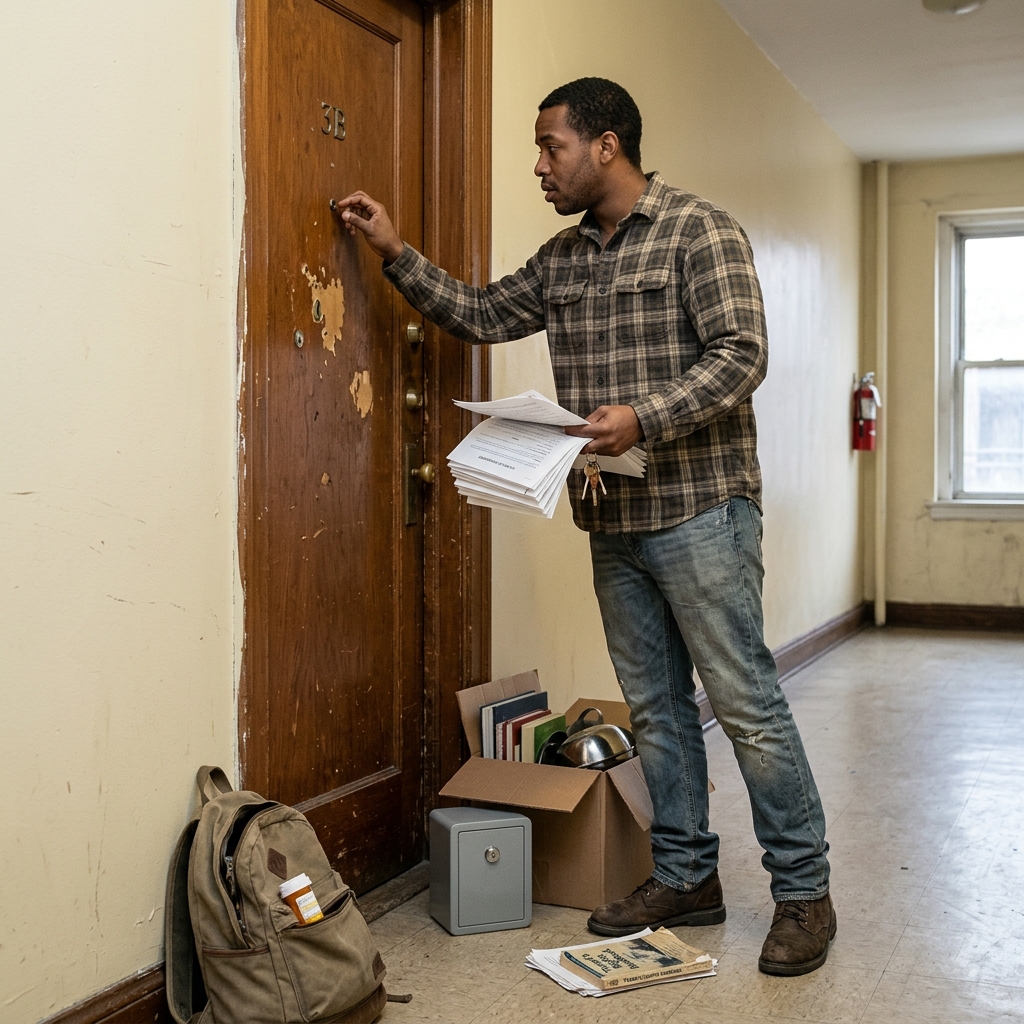
Renters often assume that if something is legal under state or federal law, they are automatically free to do it in their apartment. In reality, lease agreements, landlord policies, and specific state statutes can sharply limit what you may keep or do on rental property, especially when it comes to firearms and drugs. Understanding these rules is critical if you want to avoid eviction, criminal charges, or losing important rights.
This guide explains how gun ownership and drug use intersect with landlord–tenant law, highlights key differences among states, and offers practical steps renters can take to stay informed and protected. It is for general information only and not a substitute for personalized legal advice.
Core Legal Principles Every Renter Should Know
Several basic legal concepts shape what landlords and tenants can and cannot do when guns or drugs are involved in a rental home.
- Property rights: Landlords generally have the right to set rules for the use of their property through lease terms, as long as those rules do not conflict with binding state or federal law.
- Contract law: Your lease is a contract. When you sign, you typically agree to comply with all listed conditions. Violating those conditions can be treated as a breach, possibly leading to eviction.
- Criminal vs. civil consequences: Illegal drug activity can trigger both criminal prosecution and civil remedies such as eviction, whereas many gun disputes involve civil (lease-based) consequences unless a crime is committed.
- State-specific statutes: Some states explicitly protect tenants’ rights to possess firearms in rentals, while others allow landlords to restrict or ban firearms by lease. Drug rules are more uniform, but medical or recreational legalization can change how certain substances are treated.
Because landlord–tenant law is largely state-based, renters must pay attention to the law of the state where the property is located, not just general federal rules or informal advice.
Guns in Rental Housing: What Can Landlords Require?
The key question for many renters is whether a landlord can forbid guns in a unit even if state law otherwise allows firearm ownership. The answer depends heavily on jurisdiction.
General Rule: Leases Can Restrict Guns Unless Law Says Otherwise
In many states, private landlords can restrict or prohibit firearms on their property through lease terms, including inside individual units, provided that such restrictions do not contradict a specific statute or constitutional protection as interpreted by courts. If a tenant keeps a gun in violation of a clear lease provision, the landlord may treat this as a breach and seek eviction.
For example, some landlords include clauses such as:
- “No firearms of any kind are permitted anywhere on the premises, including inside individual rental units.”
- “Weapons must not be carried or displayed in common areas or hallways.”
Unless your state has adopted a law limiting these clauses, courts in many jurisdictions will enforce them like other lease conditions.
States That Protect Tenant Firearm Rights
A growing number of states have statutes expressly prohibiting landlords from banning lawful firearms inside a tenant’s residence or in certain related areas.
| State | Key Protection for Tenants | Where Guns Are Protected |
|---|---|---|
| Texas | Landlords may not prohibit tenants or their guests from lawfully possessing, carrying, transporting, or storing firearms or ammunition, except where prohibited by law. | Tenant’s dwelling, vehicles in landlord-provided parking, and routes between unit and vehicle. |
| Maine (subsidized housing) | In federally subsidized apartments, landlords may not require tenants to agree to any prohibition or restriction on lawful firearm ownership or possession in the unit. | Inside the individual subsidized rental unit (common areas may be regulated). |
In these states, a lease clause banning lawful firearms in the unit would generally be invalid or unenforceable. Landlords may still impose rules about safe storage or behavior in common areas and must comply with other applicable firearm laws.
Common-Area vs. In-Unit Restrictions
Even where landlords cannot ban guns inside units, many laws allow them to regulate conduct in shared spaces:
- Common areas: Hallways, laundry rooms, lobbies, playgrounds, parking lots, and fitness centers are often treated differently. Landlords may forbid open carry or displaying weapons in these spaces for safety and liability reasons.
- Safety-based rules: Requirements to keep firearms unloaded when transported, holstered or cased, or generally out of view in common areas may be permitted if they do not effectively negate the tenant’s right to possess a firearm.
Tenants should carefully review lease provisions and house rules related to common areas to avoid inadvertent violations, even if they are allowed to keep a firearm inside their unit.
Practical Tips for Gun-Owning Renters
- Read your lease thoroughly before signing. Look for any language concerning weapons, firearms, or ammunition.
- Ask questions in writing if the language is unclear. If you rely on an informal assurance that guns are allowed but the lease says otherwise, the written lease usually controls.
- Follow all storage and safety rules specified by law and by your landlord, especially in states that allow reasonable restrictions in common areas.
- Stay updated on any changes. Some states pass new laws that strengthen or limit tenant gun rights over time.
Drugs and Rental Property: How Landlords Typically Respond
Drug issues in rental housing usually carry higher legal risk than firearms because many drugs are explicitly illegal, and landlords face potential liability if they ignore serious criminal activity on their property. Even where certain drugs are legal, landlords may impose stricter rules than criminal law if they believe it protects their property or other tenants.
Illegal Drugs: Almost Always Grounds for Eviction
If a tenant possesses, sells, or manufactures illegal drugs in a rental unit, the landlord typically has a strong basis to treat this as a serious lease violation. Many leases contain clauses explicitly barring illegal activity of any kind on the premises, including drug use and trafficking.
Landlords may also face pressure from law enforcement or risk forfeiture in some circumstances if they knowingly allow illegal drug activity to continue. As a result, they often move quickly to terminate tenancies when presented with credible evidence of drug crimes.
Legal or Medical Use: Still Subject to Lease Rules
Where certain drugs (such as cannabis) are legal under state law, landlords may still regulate or restrict their use in the property. For example:
- Smoke-free policies may ban smoking of any substance, including legal marijuana.
- Leases may forbid cultivation of plants or storage of large quantities due to fire or mold risks.
Whether landlords must accommodate medical use can depend on local disability and housing laws, and courts in different states have reached different conclusions. Tenants who rely on medical prescriptions should review state-specific guidance and consult a lawyer about potential accommodations if needed.
Impact on Neighbors and Quiet Enjoyment
Drug-related activity that causes strong odors, heavy traffic, noise, or safety concerns can interfere with other tenants’ right to “quiet enjoyment” of their units—a key concept in landlord–tenant law that generally protects tenants from substantial interference with use of the property.
Landlords who receive complaints from neighbors may be obligated to investigate and take reasonable steps if the activity violates the lease or law. For affected tenants, documenting problems and reporting them can be an important way to prompt action.
How Gun and Drug Issues Can Lead to Eviction
Eviction is usually the main civil consequence when landlords and tenants clash over guns or drugs. The process must follow state procedures, and landlords generally cannot evict without legally recognized “cause” during a fixed term lease.
Typical Grounds for Eviction in These Cases
- Lease violation: Keeping a firearm where the lease forbids it, using illegal drugs, or violating a no-smoking policy can be treated as a breach.
- Criminal activity: Drug possession, distribution, or manufacturing, or use of a firearm in a threatening or violent way may justify eviction and police involvement.
- Threat to health or safety: Courts often allow faster termination where the tenant’s behavior poses a significant risk to others or the property.
Procedural Safeguards for Tenants
Most states require landlords to follow specific steps before eviction, such as giving written notice of the violation and allowing time to cure if the breach is not especially severe. Tenants may have the right to challenge allegations in court.
Key protections typically include:
- Written notice explaining the alleged lease violation.
- An opportunity to respond or remediate in some circumstances.
- A court hearing before a judge if the tenant contests the eviction.
Tenants should never ignore notices. Early communication and legal advice can sometimes resolve disputes or clarify misunderstandings.
Balancing Rights: Landlords, Tenants, and the Law
Gun and drug issues highlight the balance between individual rights and shared living environments. Landlords aim to protect property, comply with law, and maintain safety, while tenants seek personal autonomy and privacy. State legislatures and courts mediate this tension by defining when property owners must accommodate tenant rights and when they can impose restrictions.
Examples of Legislative Balancing
- Texas explicitly prioritizes tenant firearm rights in residential settings, limiting landlord authority to restrict guns in units, vehicles, and transit routes.
- Maine protects firearm possession in subsidized housing units but allows reasonable restrictions in common areas to protect safety and prevent abuse of the rule.
Other states rely more heavily on general landlord–tenant principles, allowing landlords greater discretion to set terms. Over time, additional states may pass targeted laws responding to public debates on guns, drugs, and housing safety.
Best Practices for Renters Navigating These Issues
Whether you own a firearm, use prescribed medication, or simply want a safe community, adopting careful practices can reduce conflicts and legal risk.
Before You Sign a Lease
- Review all rules on weapons, illegal activity, smoking, and nuisance behavior.
- Ask for clarification on ambiguous terms such as “dangerous weapons,” “drug-related activity,” or “nuisance.”
- Compare state law against your lease. In states like Texas or Maine, check whether any firearm clause is inconsistent with statutory protections.
During Your Tenancy
- Document communications with your landlord regarding guns, drugs, or safety issues, including dates and summaries of conversations.
- Respect common-area rules even if you have broader rights inside your unit, as violations may still justify warning notices or eviction attempts.
- Address problems early if neighbors complain; demonstrating willingness to cooperate can help resolve minor disputes.
If You Receive a Warning or Notice
- Read the notice carefully to understand the alleged violation and the deadline to respond.
- Seek legal advice promptly, especially if the issue involves firearms or alleged drug activity, because consequences can be severe.
- Gather evidence (photos, messages, receipts, medical documentation) that may support your position if the landlord has misunderstood the facts.
Frequently Asked Questions (FAQ)
Can my landlord ban guns in my apartment if state law allows gun ownership?
In many states, yes. Landlords can use lease terms to restrict or ban firearms on their property unless a specific statute says otherwise. In states like Texas, however, landlords are barred from prohibiting lawful firearm possession in a tenant’s dwelling, vehicles in landlord-provided parking, and in transit between those locations. Always check both your lease and applicable state law.
What about federally subsidized housing and firearms?
Some states have special rules for subsidized housing. In Maine, for instance, landlords of federally subsidized apartments cannot require tenants to agree to any prohibition or restriction on lawful firearm ownership or possession inside their unit, though they may impose reasonable rules in common areas. Other states may have different or no specific provisions.
Can I be evicted for legal medical marijuana use?
It depends on your state law, how your lease is written, and whether the landlord is required to accommodate your medical use. While criminal law may permit certain uses, landlords often retain authority to ban smoking or cultivation, and courts differ on whether medical use must be accommodated. You should consult a local attorney to understand how disability and housing laws apply in your state.
What if my neighbor’s drug use bothers me or feels unsafe?
You can report concerns to your landlord, ideally in writing. Landlords are generally expected to protect tenants’ right to quiet enjoyment and may need to address significant lease or law violations by other tenants. If the landlord refuses to act or the problem persists, you may consider contacting local authorities or seeking legal advice about your options.
Do I have privacy rights regarding firearms or prescription drugs?
Tenants have important privacy rights, but those rights do not override clear lease provisions or criminal laws. Landlords typically cannot enter your unit at will; they must follow notice and entry rules imposed by state law and the lease. However, if they discover serious lease violations or illegal activity, they may pursue eviction or report to law enforcement consistent with legal requirements.
When to Seek Legal Help
If you face possible eviction or criminal investigation related to guns or drugs in your rental home, professional legal assistance is crucial. A lawyer can:
- Interpret complex or conflicting lease provisions.
- Analyze state firearm or drug statutes as they apply to rentals.
- Advise you on defenses, negotiation options, or alternative housing arrangements.
Many states provide free or low-cost tenant counseling services, legal aid organizations, or consumer protection resources that help renters understand their rights and responsibilities.
References
- Guns and Drugs: FAQ for Renters — FindLaw. 2023-09-01. https://www.findlaw.com/legalblogs/law-and-life/guns-and-drugs-faq-for-renters/
- Texas Property Code Sec. 92.026 & 94.257 (Possession of Firearms or Firearm Ammunition on Leased Premises) — Texas Legislature / Texas Manufactured Housing Association summary. 2019-09-01. https://www.texasmha.com/news/featured/new-texas-law-allowing-tenants-access-to-firearms-effective-sept-1
- 6030-F. Firearms in federally subsidized housing — Maine Legislature. 2015-10-15. https://www.mainelegislature.org/legis/statutes/14/title14sec6030-F.html
- Can a landlord say no guns in my apartments and put it in a lease? — Rental Housing Journal. 2016-03-01. https://rentalhousingjournal.com/can-a-landlord-say-no-guns-in-my-apartments/
- Renter’s Rights — Office of the Texas Attorney General. 2023-05-01. https://www.texasattorneygeneral.gov/consumer-protection/home-real-estate-and-travel/renters-rights
Similar Articles








Read full bio of medha deb


