
Your Guide to Using an Economic Impact Payment Prepaid Card
Understand, activate, and safely use your Economic Impact Payment prepaid debit card without losing access to any of your money.
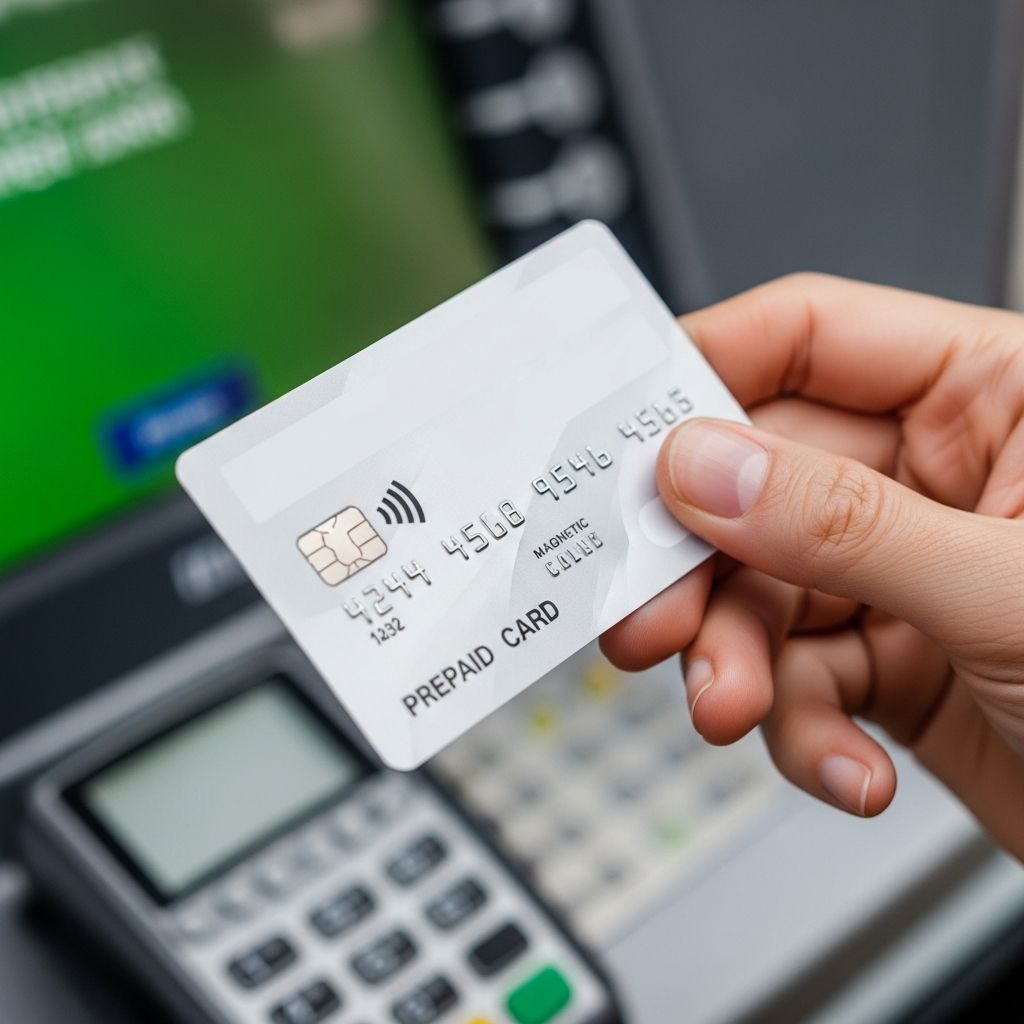
If your Economic Impact Payment (EIP) arrived on a prepaid debit card instead of a direct deposit or paper check, you still have full access to the same relief funds. The key is understanding how the card works, how to avoid unnecessary fees, and how to keep your money safe.
This guide walks you through every stage: recognizing the card when it shows up in the mail, activating it, using it for everyday transactions, moving money to your bank, and resolving problems if the card is lost, stolen, or not what you expected.
1. What Is an Economic Impact Payment Prepaid Card?
An Economic Impact Payment prepaid card is a VISA-branded reloadable debit card that holds federal relief funds issued under legislation such as the CARES Act and later COVID-19 relief laws. Instead of receiving a paper check or direct deposit, some eligible people receive their stimulus payment through this card.
1.1 Key features at a glance
- Prepaid, not credit – You are spending money already loaded onto the card, not borrowing.
- Government-issued funds – The balance comes from the U.S. Treasury as an Economic Impact Payment.
- Visa debit network – You can use it anywhere Visa debit cards are accepted, online or in person.
- FDIC-insured – Once activated, funds are held at an FDIC-insured bank, which helps protect your money if the bank fails.
- Consumer protections – Includes protections against certain types of fraud, loss, and errors, similar to traditional debit accounts.
1.2 How this card differs from other cards
| Type of Card | Source of Money | Can You Borrow? | Impact on Credit |
|---|---|---|---|
| EIP prepaid card | Government stimulus funds loaded for you | No, you can only spend what is on the card | No credit check, no effect on credit history |
| Bank debit card | Your own checking account balance | Sometimes overdraft allowed, may incur fees | Overdraft programs may affect your relationship with the bank |
| Credit card | Borrowed funds from a lender | Yes, up to your credit limit | Appears on credit report and affects credit score |
2. Recognizing a Legitimate EIP Prepaid Card
Because many people are cautious about mail offers and scams, it is important to know how a real Economic Impact Payment card typically appears.
2.1 What the envelope and card usually look like
- The envelope typically comes from “Money Network Cardholder Services” or a similar official name connected to the government’s U.S. Debit Card program.
- Inside is a Visa debit card that displays the Visa and Debit logos.
- The back of the card lists the issuing bank (for earlier rounds of payments, this was MetaBank, N.A., a bank authorized to issue U.S. government cards).
- There should be printed instructions, cardholder disclosures, and details on activation, fees, and how to contact customer service.
If your envelope or card does not match these descriptions or appears altered, you should contact the official EIP card customer service number or consult official IRS or Treasury resources before using it.
3. Activating Your Economic Impact Payment Card
Activation is required before you can spend, withdraw, or transfer money. Activation also helps link the card to you as the authorized user.
3.1 Steps to activate
- Locate the activation instructions included in the mailing.
- Use the official activation channel – typically a specific telephone number or activation website identified in your letter.
- Verify your identity by providing requested details (for example, part of your Social Security number, name, and address) through the automated system.
- Create a PIN for ATM transactions and purchases that require debit PIN entry.
- Sign the back of the card after activation to help protect against misuse.
3.2 Common activation issues
- Incorrect personal information – If the activation system cannot validate your information, you may need to speak with a live representative.
- Lost or discarded card – If you threw the envelope away by mistake or cannot find it, contact the card program’s customer service for a possible replacement.
- Accessibility needs – If you have difficulty hearing, seeing, or understanding the instructions, there may be alternative formats or options, such as TTY lines or accessible written materials.
4. Ways to Use Your EIP Prepaid Card
Once activated, your Economic Impact Payment card functions much like a typical prepaid debit card. You can spend directly from the card or move the money into your existing bank or credit union account.
4.1 Everyday purchases
- Pay at grocery stores, pharmacies, gas stations, and other retailers wherever Visa debit is accepted.
- Use the card information to shop online for necessities.
- In many cases, you can add the card as a funding source in bill-pay or peer-to-peer payment apps, depending on each provider’s rules.
4.2 Getting cash when you need it
- Withdraw money from in-network ATMs that participate in the U.S. Debit Card or AllPoint networks without paying fees, subject to daily withdrawal limits.
- Obtain cash back at checkout when making a purchase at participating merchants that allow debit cash-back.
- Use the program’s ATM locator tools (online or via mobile app, as described in your card materials) to find no-fee ATMs.
4.3 Moving funds to your bank account
Many cardholders prefer to move their entire Economic Impact Payment into an existing checking or savings account.
- Use the card website or phone system to initiate a transfer to a U.S. bank account you own, often without additional fees.
- Ensure you enter your routing and account numbers accurately to avoid delays or returned transfers.
- Some programs allow you to request a check drawn on your card account that you can deposit like any other check.
5. Managing Fees and Avoiding Costly Mistakes
The card program is designed so you can access funds without paying fees, but certain optional services or out-of-network transactions may involve charges. The disclosures mailed with your card list the full fee schedule.
5.1 Typical no-fee services
- Purchases at merchants where Visa debit is accepted.
- Balance inquiries online, via mobile app, or through automated phone systems.
- Standard replacement of a lost or stolen card in many cases.
- Transfers to your personal bank account when done through the official channels.
5.2 Transactions that may trigger fees
- Using out-of-network ATMs for withdrawals or balance checks.
- Requesting expedited card replacement or special delivery services.
- Making international transactions if you use the card outside the U.S. (if allowed).
Always check your card’s specific terms for current fee amounts and conditions, as they can differ by program and time period.
6. Security, Protections, and Dispute Rights
Economic Impact Payment cards fall under federal consumer protection rules that govern many prepaid card and debit transactions. Knowing your rights can help you act quickly if something goes wrong.
6.1 Safeguards built into the card
- FDIC insurance on card balances once the card is properly registered and activated.
- Zero or limited liability for unauthorized transactions if you report a lost or stolen card promptly, subject to federal law and the program’s terms.
- Error resolution procedures for disputed transactions, including investigation timelines and temporary credits in some situations.
6.2 Tips to keep your funds safe
- Memorize your PIN and do not store it with your card or share it with others.
- Monitor transactions regularly by checking your online or mobile account history.
- Report lost, stolen, or compromised cards immediately using the customer service number on your materials; many programs will disable the old card and issue a replacement.
- Be cautious online and only use your card number on secure, reputable websites.
7. Understanding Limits and Special Situations
Like other prepaid and debit products, EIP cards come with certain limits and quirks you should understand before relying on them for every type of purchase.
7.1 Spending and withdrawal limits
- Daily ATM withdrawal limits may apply, which can affect how quickly you can convert the entire balance to cash.
- Some merchants may set purchase limits or may decline large transactions if they exceed system parameters.
- You cannot overdraft the card; transactions are approved only if there is enough balance, which can prevent debt but may result in declines.
7.2 Pre-authorizations and temporary holds
Some businesses place temporary holds for more than the expected transaction amount to ensure they are paid in full when the final total is known.
- Gas stations, hotels, car rentals, and some restaurants commonly use pre-authorizations, which can temporarily reduce your available balance.
- Holds may take several days to clear after the final transaction is processed.
- To avoid unexpected holds, you can ask to pre-pay a specific amount (for example, pay the cashier at a gas station before you pump).
7.3 Card expiration and unused funds
- The plastic card will have an expiration date, but your underlying funds do not expire.
- If your card is close to expiring and you still have a balance, contact the card issuer for a replacement card or refund options.
8. Common Problems and How to Solve Them
Most people are able to use their Economic Impact Payment cards without major issues, but if problems arise, there are steps you can take.
8.1 If you never received your card
- Check the status of your Economic Impact Payment using the IRS’s resources for prior EIP rounds.
- If the IRS indicates that a card was issued but you did not receive it, contact the card program’s customer service for help with tracing, reissuing, or replacing the card.
8.2 If the card was lost, stolen, or damaged
- Call the customer service number immediately to block further use of the card.
- Ask about the process for issuing a new card and whether any fees apply for replacement.
- Monitor your transaction history and promptly dispute any unauthorized charges in line with the error resolution procedures explained in your materials.
8.3 If you suspect fraud or a scam
- Be suspicious of anyone who contacts you unexpectedly and asks for your card number, PIN, or security code.
- Only trust phone numbers and websites printed on your official card materials, Treasury, IRS, or Federal Trade Commission guidance.
- You can report scams involving Economic Impact Payments to federal agencies such as the FTC or IRS.
9. Practical Strategies to Get the Most from Your EIP Card
Because an Economic Impact Payment is one-time or limited-time support, careful planning helps stretch these funds further.
9.1 Prioritizing essential expenses
- Use your card to pay for rent or housing costs, if your landlord or management company accepts online or card-based payments.
- Cover utilities, internet, and phone services, which are critical for work, school, and health services.
- Budget a portion for groceries, medication, and necessary household supplies.
9.2 Coordinating with your bank or credit union
- If you prefer using your existing accounts, consider transferring the entire balance to your checking or savings account soon after activation.
- Ask your financial institution how quickly transferred funds will become available for withdrawal.
10. Frequently Asked Questions (FAQs)
Q1: Is the money on the prepaid card a loan that I have to repay?
No. The balance on your Economic Impact Payment card is federal relief money that you do not have to pay back and that is not treated as a loan. It is similar to receiving a refund or payment from the government.
Q2: Does using the EIP card affect my credit score?
No. There is no credit check to receive the card, and using it does not create debt or appear on your credit report, so it does not directly affect your credit score.
Q3: Can I add my own money to the EIP prepaid card?
Generally, Economic Impact Payment cards are intended only for the stimulus funds loaded by the government. You cannot typically reload the card with your own deposits, though you should review your program’s specific rules.
Q4: What happens if I do not use the card right away?
Your funds do not expire, even if the physical card has an expiration date. If the card expires while you still have a balance, you can contact customer service to request a replacement card or another way to access your remaining funds.
Q5: Are there safe ways to turn the card into cash without paying fees?
Yes. You can withdraw cash from in-network ATMs or request cash back at certain merchants without fees, and you may also transfer funds to a bank account. Always check your specific program’s fee schedule for details.
References
- Treasury is Delivering Millions of Economic Impact Payments by Prepaid Debit Card — U.S. Department of the Treasury. 2020-05-18. https://home.treasury.gov/news/press-releases/sm1229
- How to use your Economic Impact Payment prepaid debit card — Consumer Financial Protection Bureau. 2020-06-04. https://www.consumerfinance.gov/about-us/blog/economic-impact-payment-prepaid-card/
- What to know about the Economic Impact Payment debit cards — Federal Trade Commission. 2020-05-27. https://consumer.ftc.gov/consumer-alerts/2020/05/what-know-about-economic-impact-payment-debit-cards
- Money Network Economic Impact Payments (EIP Card) FAQs — EIPCard.com (U.S. Debit Card program). 2021-03-22. https://www.eipcard.com/faq/
- Third Economic Impact Payment (IRS Publication 5412-G) — Internal Revenue Service. 2021-03-31. https://www.irs.gov/pub/irs-access/p5412g_accessible.pdf
Similar Articles








Read full bio of Sneha Tete




