
Guide to Filing Effective Airline Complaints
Learn how to address airline problems, escalate complaints, and protect your rights when travel doesn’t go as planned.
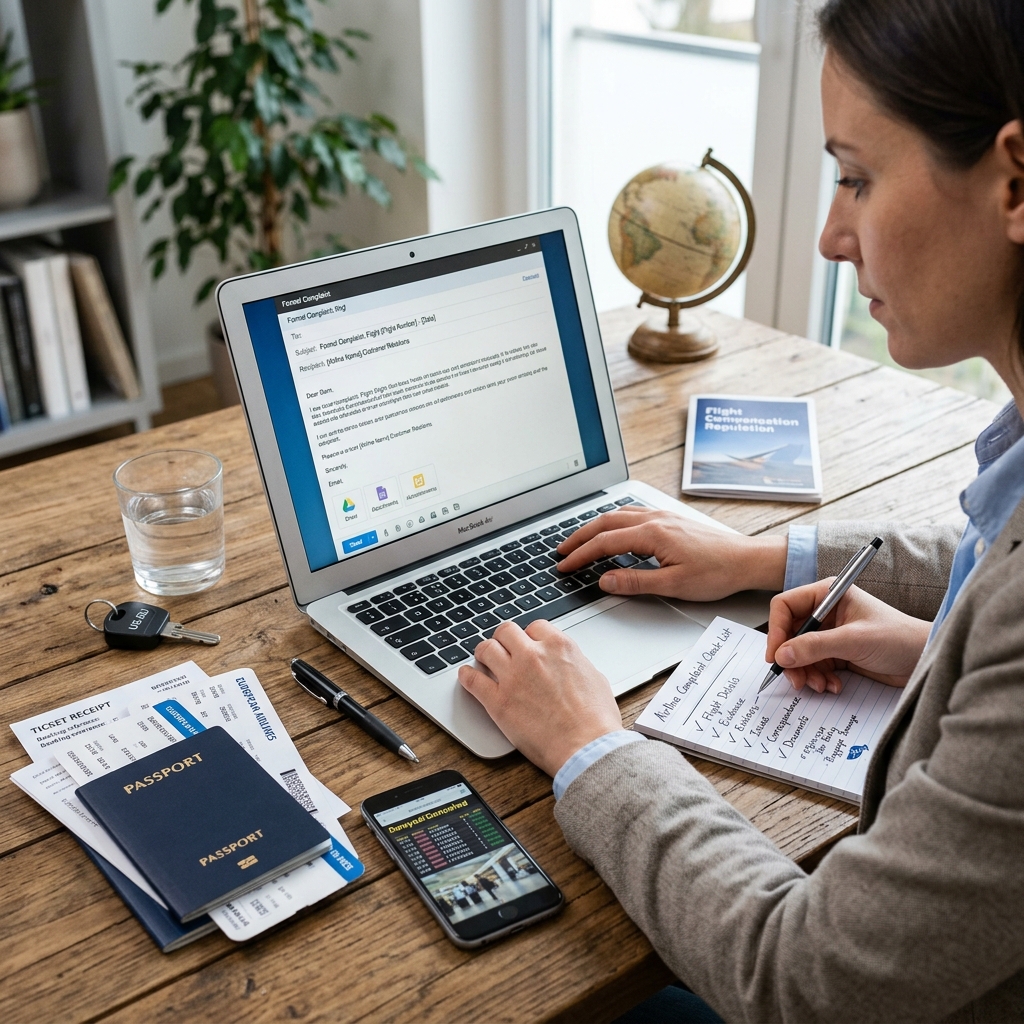
Air travel problems can range from minor inconvenience to major disruption: delayed or canceled flights, lost baggage, damaged mobility devices, poor customer service, or even discriminatory treatment. When these issues occur, knowing how to file an airline complaint effectively is essential to protecting your rights and increasing the chances of a meaningful resolution.
This guide explains how to document issues, work with the airline, and escalate complaints to the correct government agencies and organizations. It focuses on flights to, from, or within the United States and draws on official guidance from the U.S. Department of Transportation (DOT) and related authorities.
Understanding Your Options When Something Goes Wrong
Before launching a formal complaint, it helps to understand the main paths available to travelers:
- Resolve the problem directly with the airline at the airport or through its customer service channels.
- File a consumer complaint with the DOT’s Office of Aviation Consumer Protection for service or civil rights issues.
- Contact specialized agencies for safety, security, or disability-related problems (such as the FAA or TSA).
- Submit a complaint to non-government organizations, like the Better Business Bureau (BBB), to seek mediation and record your experience.
Often, the fastest resolution comes from dealing with the airline first. Government agencies typically do not award individual compensation, but they can pressure carriers to comply with regulations and may use complaints to guide enforcement priorities.
Common Airline Problems That May Require a Complaint
While every situation is unique, certain recurring problems frequently trigger formal complaints:
- Significant flight delays or cancellations and unclear or inconsistent rebooking or refund practices.
- Lost, delayed, or damaged baggage, including lost items inside checked luggage.
- Overbooking and involuntary bumping from flights.
- Customer service issues such as rude treatment, failure to respond, or unclear policies.
- Discriminatory treatment based on disability, race, color, national origin, sex, sexual orientation, religion, or ancestry.
- Security or safety concerns relating to aircraft operations or airport screening procedures.
Knowing which category your issue falls into will help you direct your complaint to the appropriate organization and use the right language to describe what happened.
Step 1: Try to Resolve Your Issue with the Airline
Most problems should first be addressed directly with the airline. This is not only practical; it is also expected by regulators, who typically recommend contacting the carrier before escalating your complaint.
Speak to Staff While You Are Still at the Airport
If the issue arises during your trip, attempt to resolve it on the spot:
- Visit the ticket counter or gate desk for problems like potential missed connections, rebooking after a delay or cancellation, or concerns about being bumped.
- Go to the baggage service office in the arrivals area if your luggage is lost, delayed, or damaged.
- Ask for a supervisor if front-line staff cannot address your issue or appear unfamiliar with the airline’s policies.
In many cases, staff can immediately rebook you, locate bags, provide travel vouchers, or offer other remedies. Real-time solutions often reduce the need for formal complaints later.
Follow Up Through the Airline’s Official Complaint Channels
If you leave the airport without a satisfactory solution, or if the problem becomes clear only after your trip, you should submit a written complaint to the airline:
- Look for a “Complaints” or “Customer Relations” page on the airline’s website; DOT requires airlines serving the U.S. to explain how and where complaints can be submitted.
- Use the airline’s online complaint form, if available, for faster processing.
- Alternatively, email or mail your complaint to the airline’s dedicated consumer office or corporate headquarters.
Under DOT rules, airlines must acknowledge consumer complaints within 30 days and provide a written response within 60 days. Keeping track of these timelines helps you know when escalation may be appropriate.
Step 2: Document Your Experience Thoroughly
Strong documentation is critical. A clear record of events makes it easier for the airline and regulators to understand what happened and evaluate your claim.
Information to Gather
The DOT advises travelers who are submitting a complaint to include specific details.
- Personal contact information: full name, mailing address, phone number, and email address.
- Flight details: flight numbers, dates, airports (city pairs), and booking references.
- Ticket and itinerary documents: boarding passes, invoices, or e-tickets showing your purchase.
- Description of the problem: what happened, when, where, and how it affected you.
- Correspondence with the airline: copies of emails, chat transcripts, or letters you have already sent.
- Supporting evidence: photos of damaged items, receipts for expenses, or notes of conversations with staff.
Organizing Your Documentation
Consider assembling your materials into a simple structure:
| Category | Examples |
|---|---|
| Identity & Contact | Name, mailing address, phone, email |
| Travel Details | Flight numbers, dates, confirmation codes, airports |
| Problem Description | Timeline of events, staff involved, specific impacts |
| Evidence | Receipts, photos, correspondence, claim forms |
| Requested Outcome | Refund, voucher, policy change, explanation |
Having this information ready makes it easier to submit complaints to both the airline and any relevant government agency.
Step 3: Escalate to Government Agencies When Needed
If the airline does not resolve your issue to your satisfaction, or if your problem involves broader regulatory matters like safety, security, or civil rights, you can escalate your complaint.
U.S. Department of Transportation (DOT) – Consumer & Civil Rights Issues
The DOT’s Office of Aviation Consumer Protection (OACP) handles complaints about airline service issues and discriminatory treatment.
- Consumer service complaints (delays, cancellations, baggage problems, customer service) can be filed through the online air travel complaint form or by mail.
- Discrimination or disability-related complaints (mistreatment based on disability, race, color, national origin, sex including sexual orientation, religion, or ancestry) can also be filed with OACP.
DOT’s complaint forms allow you to upload supporting documents and describe your experience in detail. According to DOT, airlines that are the subject of a complaint will receive a copy, and the agency may monitor their response.
How to Submit a Complaint to DOT
You can file a complaint in several ways:
- Online forms on the DOT Aviation Consumer Protection website for service and civil rights complaints.
- By mail, sending a letter with complete contact information, travel details, and a description of your issue to:
Office of Aviation Consumer Protection, U.S. Department of Transportation, 1200 New Jersey Avenue SE, Washington, DC 20590.
DOT also operates a toll-free hotline for air travelers with disabilities that offers time-sensitive assistance and information about rights.
Federal Aviation Administration (FAA) – Safety Concerns
For issues involving flight safety—such as concerns about aircraft maintenance, operational practices, or pilot behavior—DOT and FAA guidance directs travelers to the FAA.
- Complaints can typically be submitted by phone, mail, or the FAA hotline web form outlined on FAA’s official site.
- The FAA focuses on compliance with safety regulations rather than individual compensation, but your report may contribute to investigations or enforcement actions.
Transportation Security Administration (TSA) – Security Screening Issues
If your problem involves airport security screening or related procedures rather than the airline itself—such as excessive search, mishandling of personal items during screening, or questions about the “no-fly” list—DOT recommends contacting the TSA.
- The TSA Contact Center accepts complaints, comments, and questions via phone and online forms.
- Travelers can use the TSA Complaint Form provided on the official TSA website for more formal submissions.
TSA also provides specific resources for travelers with disabilities and medical conditions, helping them navigate screening with reduced stress.
Step 4: Consider Non-Government Avenues
In addition to government agencies, travelers may turn to other organizations to document their experience and seek resolution.
Better Business Bureau (BBB)
The Better Business Bureau is a non-government nonprofit that collects business reviews and attempts to mediate disputes between consumers and companies, including airlines.
- You can submit a complaint describing your experience and request that the BBB contact the airline on your behalf.
- While the BBB has no legal authority, its involvement may encourage the airline to address recurring issues or reputational concerns.
Advocacy Groups and Disability Organizations
Passengers with disabilities sometimes benefit from support from advocacy organizations, which can provide guidance and tools for filing complaints. For example, some groups offer detailed explanation of airline complaint processes and highlight how disability rights apply in air travel.
Writing a Clear and Persuasive Complaint
Regardless of where you send your complaint, the quality of your communication matters. A well-structured letter or form submission can make it easier for decision-makers to understand your case.
Key Elements of an Effective Complaint
- Be concise and factual: Stick to dates, times, and specific actions; avoid emotional exaggeration.
- Explain the impact: Describe how the incident affected your travel, finances, or health.
- Reference policies or rights when possible, such as the airline’s own contract of carriage or DOT guidance.
- State what you want: Refund, voucher, fee waiver, policy clarification, or assurance of future compliance.
- Attach evidence: Include copies of tickets, receipts, and prior correspondence.
Sample Complaint Structure (Outline)
You can adapt this outline to either an airline or DOT complaint:
- Introduction: Who you are, the flight involved, and a one-sentence summary of the problem.
- Background: Brief timeline from booking to the incident.
- Incident Details: Specific description of what went wrong and which staff or departments were involved.
- Impact on You: Extra costs, missed events, or distress caused.
- Attempts to Resolve: Steps you have already taken with the airline and any responses received.
- Requested Remedy: What you consider fair resolution.
Frequently Asked Questions (FAQs)
Do airlines have to respond to my complaint?
Yes. For flights to, from, or within the United States, DOT requires airlines to acknowledge consumer complaints within 30 days and provide a written response within 60 days. The response must address the issues raised, though it may not always grant the remedy you request.
Can DOT force an airline to give me a refund or compensation?
DOT’s primary role is enforcement of aviation consumer protection laws and regulations. While the agency can investigate patterns of violations and take action, it does not typically serve as a personal claims court for individual passengers. However, DOT complaints may encourage carriers to improve behavior or voluntarily resolve issues.
Where do I complain about damaged or lost baggage?
First, file a baggage claim with the airline’s baggage service office as soon as you discover the issue. If you believe the airline violated consumer protection rules or mishandled your claim, you can also file a complaint with DOT’s Office of Aviation Consumer Protection using its online form or by mail.
What if I experience discrimination because of my disability or identity?
If you believe airline staff or contractors treated you unfairly because of your disability, race, color, national origin, sex (including sexual orientation), religion, or ancestry, you may file a civil rights complaint with DOT’s Office of Aviation Consumer Protection. Travelers with disabilities may also receive assistance and rights information via DOT’s toll-free disability hotline.
Who should I contact about airport security screening problems?
Complaints about security screening—such as TSA officers’ conduct, baggage screening problems, or questions about watch lists—should be directed to the Transportation Security Administration. TSA maintains a Contact Center and offers an online complaint form for travelers to submit concerns.
Practical Tips for Protecting Your Rights
To maximize your chances of a fair outcome when dealing with airline problems, consider these practical steps:
- Act quickly: Report issues such as missing baggage or damaged items as soon as possible, ideally before leaving the airport.
- Know the airline’s policies: Review contracts of carriage and customer service plans so you can reference them in your complaint.
- Keep everything in writing: Verbal assurances are useful, but written records are essential when escalating complaints.
- Stay professional and respectful: Polite, structured complaints are more likely to receive careful review.
- Use the right channel for the issue: Airlines for service and refund disputes, DOT for consumer and civil rights, FAA for safety, TSA for security.
By combining timely action, thorough documentation, and the correct complaint pathways, travelers can better navigate the aftermath of disrupted flights and contribute to overall improvements in air travel standards.
References
- How To File a Complaint Against an Airline — FindLaw. 2023-05-01. https://www.findlaw.com/consumer/travel-rules-and-rights/how-to-file-a-complaint-against-an-airline.html
- File a Consumer Complaint — U.S. Department of Transportation, Office of Aviation Consumer Protection. 2024-02-15. https://www.transportation.gov/airconsumer/file-consumer-complaint
- Air Travel Complaints — U.S. Department of Transportation, Office of Aviation Consumer Protection. 2023-11-30. https://www.transportation.gov/airconsumer/complaint-process
- Who do I contact to make an airline service complaint? — Federal Aviation Administration. 2022-06-01. https://www.faa.gov/faq/who-do-i-contact-make-airline-service-complaint
- Airline Complaint Process — Paralyzed Veterans of America. 2021-09-10. https://pva.org/research-resources/tips-tools-resources/airline-complaint-process/
- OACP Complaint Form — U.S. Department of Transportation, Office of Aviation Consumer Protection. 2023-05-20. https://airconsumer.dot.gov/consumer/s/complaint-form
Similar Articles








Read full bio of Sneha Tete


