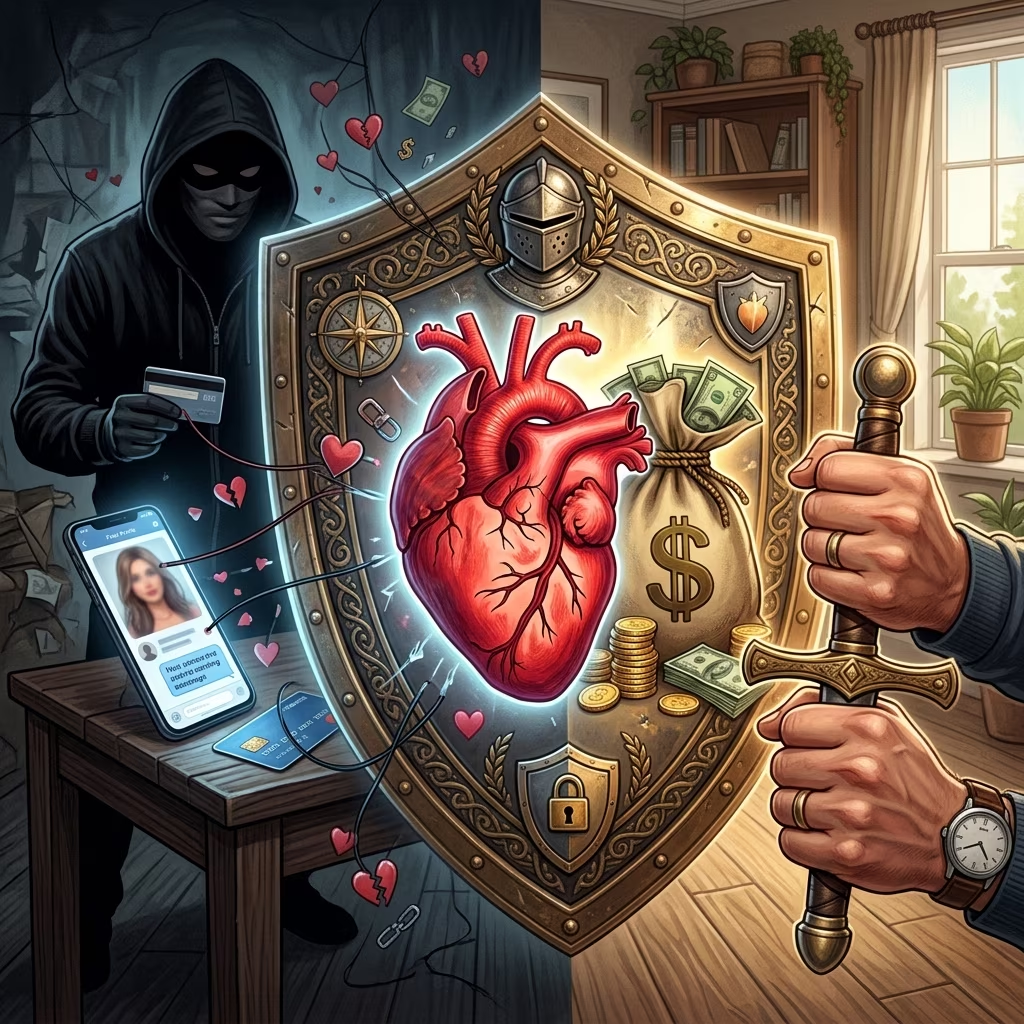
Valentine’s Day and the broader season of romance provide a perfect backdrop for genuine connections. Unfortunately, they also create an ideal opportunity for sweetheart scams, a form of romance fraud where criminals pretend to be loving partners while secretly aiming to steal money, personal information, or even your identity. These schemes thrive on trust, loneliness, and emotional vulnerability, making them both financially costly and deeply painful.
This article explains how sweetheart scams work, the warning signs to watch for, and concrete steps you can take to protect yourself and those you care about. It is designed for anyone using dating apps, social media, messaging platforms, or online communities to meet new people.
What Is a Sweetheart Scam?
A sweetheart scam (often called a romance scam) is a fraud in which a scammer pretends to be romantically interested in a victim, builds an emotional relationship, and then exploits that trust to obtain money, gifts, or financial access. While these scams can occur offline, most modern sweetheart scams start online, where anonymity and distance make it easier for criminals to hide their true identities.
| Feature | What It Looks Like |
|---|---|
| Fake identity | Scammer uses stolen photos, fabricated bios, and false names on dating sites or social media. |
| Rapid emotional bonding | Relationship becomes intense very quickly with frequent messages and strong declarations of affection. |
| Excuse not to meet | Scammer repeatedly avoids video calls or in-person meetings, citing travel, military deployment, or emergencies. |
| Money requests | They ask for funds, gift cards, or cryptocurrency, often tied to urgent medical, travel, or investment opportunities. |
| Hard-to-trace payments | Requests for wire transfers, prepaid cards, gift cards, or crypto that are difficult to reverse. |
Why Valentine’s Season Is High-Risk
Although sweetheart scams run year-round, Valentine’s Day is a particularly risky period. It combines emotional expectations, social pressure, and an uptick in online dating activity, all of which scammers understand and exploit.
Several factors make this season attractive to fraudsters:
- More people seeking partners: Dating apps and social sites see increased activity, giving scammers a bigger pool of potential victims.
- Heightened emotional vulnerability: People who feel lonely or hopeful may be more willing to overlook red flags in new relationships.
- Gift and shopping scams overlap: Fraudsters also run fake flower delivery, event ticket, and online shopping schemes that can be linked to a “romantic” pretext.
- Time pressure: “Limited-time offers” or urgent situations are used to push victims into quick decisions without careful scrutiny.
Recognizing this seasonal risk helps you stay alert without abandoning genuine opportunities for connection.
How Sweetheart Scammers Typically Operate
While scammers adapt to new technology, many sweetheart scams follow a recognizable pattern. Understanding this pattern makes it easier to spot trouble early.
1. The Initial Contact
Most scams begin with an unexpected message or match on a platform you already use:
- Dating apps and sites: Fake profiles are created with attractive photos and polished bios designed to appeal to specific audiences.
- Social media: Scammers send friend requests or direct messages through platforms like Facebook, Instagram, or messaging apps.
- “Wrong number” texts: Some criminals start by texting a random phone number, pretending it was a mistake, then pivot into conversation and flirtation.
At this stage, scammers focus on appearing friendly, charming, and trustworthy. They often claim relatable jobs or roles – such as working overseas, serving in the military, or being a professional with frequent travel – to explain distance and limited availability.
2. Building Intense Emotional Trust
Once contact is established, scammers quickly deepen the relationship:
- They communicate frequently, sometimes several times a day, to create a sense of closeness.
- They may profess love or deep affection unusually quickly, pushing the relationship forward at high speed.
- They compliment and mirror your interests, making you feel uniquely understood and valued.
- They try to move conversations off the original platform to encrypted or less-regulated channels like WhatsApp, Signal, or Telegram.
This stage is designed to lower your defenses. Once you feel emotionally committed, you are more likely to accept unusual requests or overlook inconsistencies.
3. Introducing Crises or Investment Opportunities
After trust is established, the scammer gradually shifts from emotional bonding to financial exploitation. This often takes one of two main forms:
- Emergency-based scams: The scammer describes a sudden crisis and asks you for money.
Common stories include:- Medical emergencies for themselves or a family member
- Unexpected travel costs, such as a plane ticket to visit you
- Legal or customs fees that must be paid immediately
These appeals often come with emotional pressure and claims that you are the only person they can rely on.
- Relationship investment scams: Some scammers blend romance with pseudo-investment advice, promising easy profits through cryptocurrency, trading platforms, or other schemes.
Warning signs include:- Being urged to open new accounts or transfer savings to unfamiliar platforms
- Promises of guaranteed or unusually high returns
- Pressure to act quickly before you can verify claims or seek independent advice
Regulators report that these hybrid romance-investment schemes are growing rapidly and can lead to severe financial losses.
4. Demanding Specific Payment Methods
Scammers typically request payment through channels that are fast and hard to reverse.
- Gift cards: The scammer asks you to buy cards for popular retailers or platforms, share the numbers and PINs, and claims they will use them for urgent expenses.
- Wire transfers and payment apps: They request money through wire services, payment apps, or peer-to-peer services with little recourse for victims.
- Cryptocurrency: They promote crypto transfers, which are difficult to trace and often non-refundable.
Once you send funds, they may continue the relationship briefly, asking for more help, or suddenly disappear, leaving you with emotional and financial damage.
Modern Tools: Deepfakes and AI-Enhanced Scams
Advances in technology have made sweetheart scams more convincing. Some criminals now use artificial intelligence and deepfake tools to maintain their deception.
- AI-generated profiles: Photos may be computer-generated to resemble realistic faces, making reverse image searches less effective.
- Deepfake video and audio: Scammers can manipulate video calls or recordings to appear as someone else, overlaying fake faces or voices on real-time conversations.
- Automated messaging: Bots and scripted responses can simulate attentive, responsive communication, especially in the early stage of a scam.
These tools do not change the fundamental patterns of sweetheart scams, but they do make superficial checks less reliable. This reinforces the need to focus on behavioral warning signs, not just visual cues.
Common Red Flags of a Sweetheart Scam
Although every scam is slightly different, many share recognizable warning signs. Being familiar with these signals can help you spot problems before they escalate.
- Fast-moving relationship: The person professes love or deep commitment very quickly and pushes for greater intimacy before you truly know them.
- Reluctance to meet or video chat: They consistently avoid in-person meetings or video calls, offering repeated excuses, technical issues, or safety concerns.
- Inconsistent personal details: Their stories about work, family, location, or past experiences change over time or do not match what you can verify.
- Requests for secrecy: They urge you not to tell friends or family about the relationship, claiming others “won’t understand” or will interfere.
- Urgent, emotional money requests: They ask for funds to handle emergencies, travel, medical care, or investment opportunities, often saying your help is the only solution.
- Pressure to move money: They suggest moving your savings “to protect it” or invest through new platforms, and discourage you from consulting independent sources.
- Hard-to-trace payments: They favor gift cards, prepaid cards, wire transfers, or cryptocurrency instead of safer, traceable options.
Protecting Yourself Before You Get Involved
Precaution is far more effective than trying to recover losses after a scam. You can reduce your risk with a few simple habits whenever you connect with someone online.
Practical Safety Tips for Online Dating
- Use reputable platforms: Stick to well-known dating services and social networks that have moderation and reporting tools.
- Verify identity gradually: Before investing emotionally, look for consistent information across profiles, search online for job descriptions plus “scammer,” and perform reverse image searches on profile photos.
- Keep personal data limited early on: Avoid sharing sensitive details like home address, financial information, or copies of official documents with someone you have only met online.
- Be cautious with off-platform communication: If someone insists on moving quickly from the app to encrypted messaging, treat it as a potential warning sign.
- Trust outside perspectives: Discuss new relationships with friends or family members who can help you spot red flags you may miss.
General Rules for Financial Safety
- Never send money to someone you have never met in person: Consumer protection and law enforcement agencies emphasize that this is one of the strongest safeguards.
- Do not purchase gift cards or cryptocurrency for online partners: These tools are frequently used in scams and are difficult to recover once sent.
- Verify investment claims with regulators: If a romantic partner promotes investment opportunities, check with your state or provincial securities regulator before acting.
- Be skeptical of guaranteed returns or secret strategies: Legitimate investments carry risk and rarely come with simple “easy money” promises.
What to Do If You Suspect a Sweetheart Scam
If you start to notice warning signs, acting quickly can limit damage. Many victims hesitate because they feel embarrassed, but prompt action is crucial.
Immediate Steps
- Stop communicating right away: Cease all contact with the suspected scammer through every platform.
- Document everything: Take screenshots of profiles, messages, emails, payment records, and any identifying information such as phone numbers or usernames.
- Talk to someone you trust: Share your concerns with friends, family, or a professional advisor who can support you and help assess the situation.
If You Already Sent Money
- Contact your bank or card issuer: If you paid by credit card, debit card, wire transfer, or a payment app, tell the institution you may have paid a scammer and ask whether any recovery options are available.
- Notify the company behind the payment method: For gift cards or cryptocurrency platforms, reach out to customer support immediately and explain that the transaction involved suspected fraud.
Reporting to Authorities
Reporting scams helps law enforcement understand emerging patterns and may assist in stopping other victims from being targeted.
- Local law enforcement: File a report with your local police department, providing all documentation and details.
- Consumer protection agencies: In the United States, you can report romance scams to the Federal Trade Commission using its fraud reporting portal.
- National or federal investigative bodies: In many jurisdictions, crimes involving online fraud can also be reported to national agencies (for example, the FBI in the U.S.).
- Platform or app support teams: Inform the dating site, social network, or messaging app where you met the scammer; they may take action against the account and assist investigators.
Helping Loved Ones Avoid Sweetheart Scams
Sweetheart scams frequently affect older adults, recently widowed individuals, and people who are isolated or new to online platforms. However, anyone can be targeted. Supporting loved ones involves a mix of education, empathy, and practical guidance.
- Start non-judgmental conversations: Discuss online dating and romance scams as common risks rather than personal failures. Emphasize that skilled criminals can deceive even cautious people.
- Encourage shared vetting of new relationships: Offer to review profiles or messages together, focusing on consistency, realistic claims, and any requests for money or secrecy.
- Highlight typical red flags: Go over warning signs like fast-moving relationships, refusals to meet, and pressure to send funds, using examples rather than accusations.
- Promote secure technology practices: Help loved ones learn how to use privacy settings, perform basic searches, and report suspicious accounts on their platforms.
Frequently Asked Questions About Sweetheart Scams
Are sweetheart scams only a problem for older adults?
No. Although older adults can be especially vulnerable due to isolation or lack of familiarity with new technology, sweetheart scams affect people of all ages. Young adults and middle-aged professionals active on dating apps and social media are frequently targeted.
If someone won’t video chat, is that always a scam?
Not necessarily, but consistent refusal to appear on video or meet in person, especially after a relationship becomes intense, is a major red flag. Genuine partners typically accept reasonable efforts to verify their identity over time.
Can I recover money lost to a sweetheart scam?
Recovery depends on the payment method and timing. Some card issuers or banks may be able to reverse certain transactions if reported quickly, but funds sent via gift cards, wire transfers, or cryptocurrency are often difficult to retrieve. Contact your financial institution immediately if you suspect fraud.
How can I check if my romantic interest is a scammer?
You can search online for their job title combined with the word “scammer,” perform reverse image searches on their photos, and look for consistent details across platforms. In investment-related relationships, securities regulators recommend verifying any investment or advisor through official channels before sending money.
Is it safe to invest in opportunities suggested by someone I met online?
Only if the investment passes independent checks. Regulators warn that romance-related investment schemes are rising and can cause severe losses. Always verify the investment with official regulatory resources and consider consulting a licensed financial professional.
Staying Open to Love While Staying Safe
Sweetheart scams are designed to poison one of the most meaningful aspects of life: the search for connection. The goal of awareness is not to make you suspicious of every new person you meet but to help you recognize when emotions are being manipulated for financial gain.
By paying attention to warning signs, speaking openly with trusted people, and safeguarding your finances, you can continue exploring new relationships online while minimizing risk. Love and companionship remain worth seeking—but not at the expense of your security or peace of mind.
References
- Avoid common romance scams this Valentine’s Day — Clemson University News. 2024-02-09. https://news.clemson.edu/avoid-common-romance-scams-this-valentines-day/
- This Valentine’s Day, Don’t Let Romance Scams Steal Your Heart or Your Wallet — North American Securities Administrators Association (NASAA). 2026-02-09. https://www.nasaa.org/78939/valentines-day-avoid-romance-scams/
- Valentine’s Day Consumer Protection: Romance Scams — Erie County (NY) Consumer Protection. 2024-02-14. https://www3.erie.gov/consumerprotection/events/valentines-day-0
- Valentine’s Day scams rise, targeting online daters and last-minute shoppers — WXYZ-TV Detroit. 2024-02-13. https://www.youtube.com/watch?v=-zfCLWiOEE8
- What To Know About Romance Scams — Federal Trade Commission. 2023-02-14. https://consumer.ftc.gov/articles/what-know-about-romance-scams