
Are GPS Windshield Mounts Legal in Your State?
Learn how U.S. windshield laws affect where you can mount GPS and phone holders, and how to stay compliant while minimizing distracted driving risks.
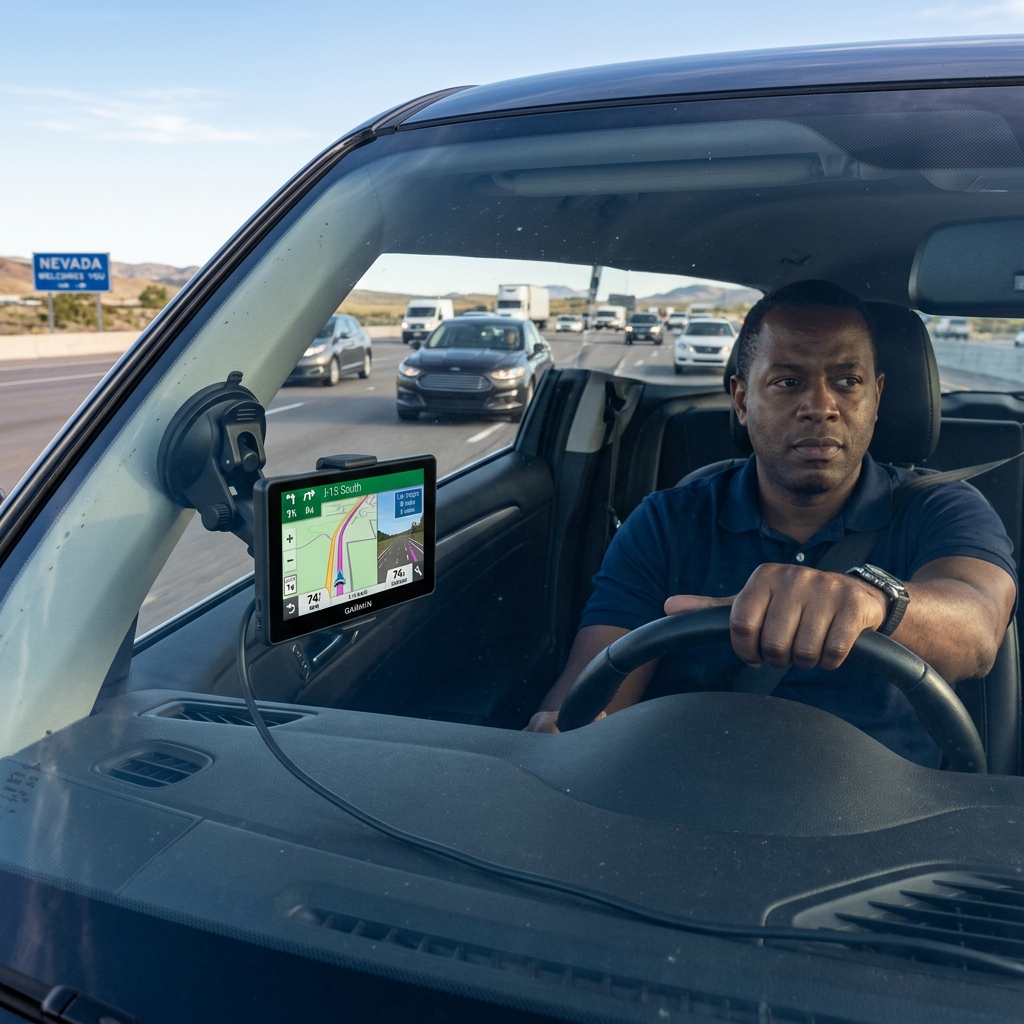
Portable GPS devices and smartphone navigation apps have made driving easier, but the way you mount these devices can raise legal issues. Many states regulate or restrict windshield-mounted GPS units and phone holders, especially when suction cups are used on the glass. Understanding these rules is important if you want to avoid traffic tickets and reduce the risk of distracted driving.
Why Windshield Mount Laws Exist
Windshield laws are mainly concerned with two risks: obstructed vision and distracted driving. States generally prohibit nontransparent objects on the windshield if they interfere with a driver’s clear view of the road.
In many vehicle codes, the rule is simple: you may not drive with any sign, poster, or other nontransparent material on the front windshield that obstructs your view of the highway or intersecting roads. Laws targeting hand-held devices and display screens also aim to reduce distraction by limiting where devices can be placed and how they can be used while the vehicle is moving.
- Obstructed vision: Even a small GPS mount can block pedestrians, cyclists, or other vehicles when placed in the driver’s line of sight.
- Distraction: Screens, maps, and notifications can draw attention away from driving, especially when located prominently at eye level on the windshield.
- Enforcement: Windshield regulations provide clear, visible conditions that officers can rely on when deciding whether to issue citations.
General Categories of State Rules
Across the United States, states usually fall into three broad categories regarding GPS and other windshield mounts.
| Category | Basic Approach | Common Examples |
|---|---|---|
| Full or near-total prohibition | Generally bans suction-cup or nontransparent items on the windshield, regardless of location. | Alabama, Connecticut, Louisiana, Nebraska, Texas, Washington, D.C. |
| Conditional permission | Allows mounts in limited areas (usually bottom corners) and sometimes only for navigation devices. | California, Minnesota, Arizona, Nevada, Ohio. |
| Relatively permissive | Allows mounts so long as they do not materially obstruct the driver’s view. | States where statutes focus on obstruction rather than specific device rules. |
Even in states that appear permissive, the key language is often whether the object “materially obstructs” or “obstructs” the driver’s clear view. This gives police and courts some discretion in deciding if a particular mount is legal.
States that Commonly Restrict Windshield GPS Mounts
Several states treat suction-cup mounts and other windshield attachments as potential hazards. In these jurisdictions, GPS and phone mounts are either banned outright or heavily restricted.
Examples of Strict States
- Alabama, Connecticut, Louisiana, Nebraska, Texas: These states have provisions that prohibit or severely limit items attached to the windshield. Suction-cup GPS mounts may fall within a general ban on nontransparent materials on the glass.
- Washington, D.C. and several western states: Some western jurisdictions classify suction-cup mounts as illegal, even when the device itself is relatively small, because the laws focus on any attachment to the windshield.
In strict states, the safest approach is usually to avoid any windshield mounting and instead rely on dashboard, vent, or console mounts that do not contact the glass.
States Allowing Windshield Mounts with Conditions
Other states allow GPS devices and similar mounts but restrict them to particular parts of the windshield or to specific types of use.
California: Corner Squares for GPS and Phones
California updated its law to allow certain electronic devices on the windshield in defined areas. According to widely cited descriptions of the statute, a GPS or smartphone mount may be placed:
- Within a 7-inch square in the lower right (passenger-side) corner of the windshield.
- Within a 5-inch square in the lower left (driver-side) corner of the windshield.
These allowances are generally conditioned on the mount not blocking airbags and being used for navigation rather than entertainment.
Minnesota: Bottommost Portion of the Windshield
Minnesota law expressly permits GPS or navigation systems mounted on or near the bottommost portion of the windshield. Some drivers and commentators interpret this to mean the lower corners, similar to California, but the text emphasizes the bottom area rather than a specific square.
Other Conditional States
States such as Arizona, Nevada, Ohio and several others use area-based limits or language about the portion of the windshield that may be used.
- Arizona: Allows mounts in defined corner areas, measured in inches from the edges.
- Nevada: Permits a small square (commonly described as six inches) in the lower passenger-side corner.
- Ohio: Allows devices that are not more than a set distance below the upper edge and outside the area swept by wipers, provided they do not restrict line of sight.
In these states, compliance depends not only on whether you use a windshield mount but exactly where you place it.
Permissive Approaches and Obstruction-Based Rules
Some state laws do not list GPS devices or suction-cup mounts explicitly, but they still prohibit objects that materially obstruct the driver’s view. Drivers sometimes assume that if there is no device-specific ban, any mount is allowed. In reality, an officer may still issue a citation if the mount is large or placed in a critical sightline.
Common language in these statutes includes phrases such as:
- “No person shall drive a motor vehicle with any objects placed or suspended between the driver and the front windshield … which materially obstructs the driver’s view.”
- “No person shall drive any motor vehicle with any nontransparent material upon the front windshield … which obstructs the driver’s clear view of the highway.”
Under obstruction-based rules, the legality of a mount depends on how it affects visibility in practice, not simply on whether it is a GPS, phone holder, or some other device.
Legal Alternatives to Windshield Mounts
If your state bans windshield mounts or you frequently drive across state lines, choosing alternative mounting solutions can reduce legal risk and improve safety.
Common Alternatives
- Dashboard mounts: Many devices can be mounted on the dashboard using adhesive bases or weighted pads. Dashboard mounts are generally legal across the United States because they do not attach to the glass.
- Vent mounts: Clips that attach to air vents keep the device at eye level without obstructing the windshield.
- Console or cup-holder mounts: These mounts position the device in the center of the vehicle, reducing obstruction while still providing access.
- Built-in vehicle navigation: Factory-installed systems are integrated into the dash and usually comply with vehicle equipment standards in each state.
Even when using legal alternatives, drivers should consider how often they look at the screen and whether they are manually interacting with it while driving, as this can trigger separate distracted driving violations.
Practical Tips to Stay Within the Law
Because windshield mount laws vary and may be updated, it is wise to take a conservative approach. The following practical strategies can help minimize legal and safety risks.
- Check your state’s vehicle code: Search for terms such as “windshield obstruction,” “nontransparent material,” or “portable navigation device” in your state’s statutes or department of transportation guidance.
- Favor corner placements when allowed: If your state permits corner squares (like California), mount the device as low and as far to the side as possible within the allowed area.
- Keep the device small and unobtrusive: Large tablets or oversized mounts may be viewed as more obstructive than compact GPS units.
- Avoid blocking mirrors and critical sightlines: Do not place any device where it interferes with your view of pedestrians, traffic signals, or other vehicles.
- Use voice guidance: Rely on audio directions rather than constantly looking at the screen, reducing distraction even if the mount itself is legal.
- Prepare the route before driving: Program destinations while parked. Many states treat in-motion manual interaction with devices as a separate offense.
Crossing State Lines: What Drivers Should Know
Interstate travel complicates windshield mount decisions. A setup that is lawful in one state may be prohibited in another. Some states consider windshield obstructions a secondary offense—meaning an officer must pull you over for a primary violation first—while others allow stops based solely on the obstruction.
When driving long distances:
- Use a dashboard or vent mount: These options are more likely to be acceptable in multiple jurisdictions.
- Be cautious in states known for strict enforcement: Regions with clear bans on suction-cup mounts or detailed square measurements often apply those rules consistently.
- Consider temporary relocation of the device: If you know you are entering a state with different rules, reposition the device before crossing the border.
Windshield Mounts and Distracted Driving Laws
Windshield regulations intersect with broader distracted driving laws. Even if your mount is legal, you could still be ticketed for improper device use, such as texting or scrolling through apps while driving.
Key points include:
- Many states prohibit hand-held phone use and limit interaction with screens while the vehicle is moving.
- Navigation exceptions are common, but the device must be used primarily for route guidance.
- Large or bright displays may draw extra attention from law enforcement, especially at night.
A legally mounted GPS should still be used in a way that minimizes distraction. Relying on voice prompts and glancing briefly at the screen only when necessary can help align with distracted driving statutes.
Frequently Asked Questions
Is it always illegal to mount a GPS on the windshield?
No. Some states allow windshield-mounted GPS devices, often in specific areas such as lower corner squares. Other states ban suction-cup mounts or any nontransparent material on the windshield. The rules vary widely by jurisdiction.
Are dashboard mounts legal in every state?
Dashboard mounts are generally allowed because they do not attach to the windshield and typically do not fall under windshield obstruction statutes. However, if a dash-mounted device significantly blocks your view, it could still be considered an obstruction under general safety laws.
Can I use my phone as a GPS on the windshield?
In some states, phones are treated similarly to GPS units and may be allowed in designated windshield areas. In others, separate distracted driving or screen-use laws may restrict phone placement or interaction. You should check both windshield and mobile-device statutes in your state.
What happens if I ignore windshield mount laws?
Consequences can include traffic citations, fines, and possible points on your license, depending on the state. In a crash investigation, an illegal or poorly placed mount might also be considered evidence of negligence.
How can I find my state’s specific rules?
The most reliable way is to read your state’s vehicle code or official guidance from the department of transportation. Many official sites summarize windshield obstruction and electronic device rules, and legal information services often provide plain-language explanations of these statutes.
References
- GPS Windshield Mounts Illegal in Over Half the U.S. — GPS Tracklog. 2014-07-02. https://gpstracklog.com/2014/07/gps-windshield-mounts-illegal-half-u-s.html
- GPS Windshield Mounts Legal in Your State? — FindLaw. 2017-02-15. https://www.findlaw.com/legalblogs/criminal-defense/gps-windshield-mounts-legal-in-your-state/
- State Laws For GPS Windshield Mounts — POI Factory. 2008-12-29. http://www.poi-factory.com/node/21961
- Are Windshield Mounts Legal in Your State? — RAM Mounts. 2022-04-14. https://rammount.com/blogs/product-tips-tricks/are-windshield-mounts-legal-in-your-state
- Do You Know Your State’s Windshield Law? — Cars.com. 2015-04-22. https://www.cars.com/articles/do-you-know-your-states-windshield-law-1420663115110/
- Are Suction Cup Windshield Mounts Legal in Your State? — ProClip USA. 2017-07-26. https://blog.proclipusa.com/suction-cup-windshield-mounts-2/
Similar Articles








Read full bio of medha deb


