
Giving Birth Behind Bars: Rights, Risks, and Reality
A detailed look at pregnancy, labor, and childbirth in U.S. jails and prisons, and what support and protections should exist but often do not.
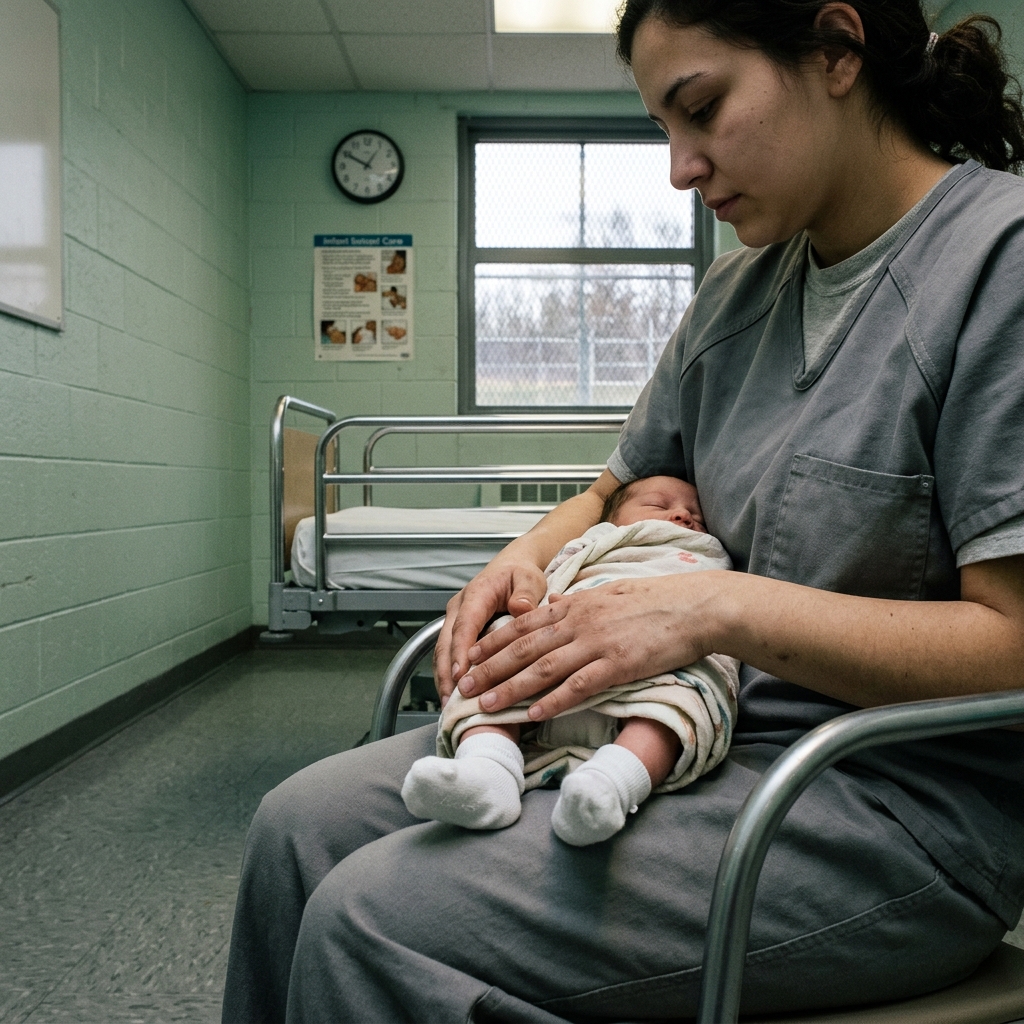
Pregnancy and childbirth in jails and prisons sit at the intersection of criminal justice, health care, and human rights. For the thousands of incarcerated women who are pregnant each year, going into labor behind bars can mean limited medical care, little control over their birth experience, and rapid separation from their babies. Understanding what should happen, what often does happen, and what reforms are underway is critical for families, advocates, and policymakers.
Why Pregnancy Behind Bars Matters
Although pregnant people make up a small share of the total incarcerated population, their needs are complex and time-sensitive. Research in selected U.S. jails found over 1,600 admissions of pregnant people in one year, with hundreds of pregnancy outcomes occurring while still in custody. National prison data likewise show hundreds of pregnancies ending annually in live births, miscarriages, abortions, or other outcomes.
Pregnancy and birth behind bars raise urgent questions:
- What level of medical care are incarcerated pregnant people entitled to?
- How safe is it to give birth in a jail or prison environment?
- What happens to the baby after delivery?
- Which laws and standards are supposed to protect pregnant prisoners?
This article focuses on the U.S. context, but many of the issues—such as access to care, restraints during labor, and postpartum separation—echo international human rights concerns.
Pregnancy in Jail vs. Prison: Key Differences
People often use the words jail and prison interchangeably, but in practice they operate differently, and those differences affect pregnant people.
| Feature | Jails | Prisons |
|---|---|---|
| Primary purpose | Short-term detention (pretrial, short sentences) | Long-term incarceration after conviction |
| Length of stay | Days to months; highly unstable population | Months to years; more predictable population |
| Health care infrastructure | Many facilities lack on-site hospital functions; births often occur in cells or local hospitals. | More likely to have structured health services and established transfer protocols. |
| Data collection | Very limited; no regular nationwide data on pregnant people or birth outcomes. | Some national-level data exist, but still incomplete (e.g., no infant outcome tracking). |
Because jails hold many people pretrial and often lack robust medical infrastructure, stories of labor and delivery in jail cells—with little or no professional assistance—are disturbingly common.
Standards of Care: What Should Pregnant Prisoners Receive?
Several professional and policy bodies have issued standards for pregnancy and birth in correctional settings. The American College of Obstetricians and Gynecologists (ACOG) is particularly influential, providing detailed guidance for reproductive care in jails and prisons.
At a minimum, recommended standards include:
- Routine pregnancy testing at intake and shortly afterward to identify pregnancies early.
- Access to prenatal care, including regular checkups, lab tests, and screening for high-risk conditions.
- Appropriate nutrition and supplements, such as additional calories and prenatal vitamins.
- Mental health screening and support, including evaluation for depression, trauma, and substance use.
- Safe labor and delivery in a hospital setting with trained staff and access to emergency interventions.
- Protection from restraints (shackling) during labor and postpartum recovery, except in extraordinary circumstances.
- Postpartum follow-up, including wound care for cesarean births, infection monitoring, and depression screening.
Some states have gone further by passing laws that:
- Limit or ban solitary confinement for pregnant and postpartum people.
- Guarantee a minimum period of time for mother–infant bonding after birth.
- Provide community-based alternatives to incarceration during late pregnancy and early postpartum, recognizing the importance of early attachment.
Despite these standards, compliance varies widely, and many incarcerated pregnant people report struggle and neglect rather than consistent, high-quality care.
What Labor and Birth Can Look Like Behind Bars
In an ideal scenario, a pregnant person in custody who goes into labor would be rapidly transported to a hospital, accompanied by trained staff and possibly a chosen support person. In practice, accounts and investigative reports show a much harsher reality in many jails.
Common Problems During Labor
Cases documented by advocacy projects and journalists reveal frequent patterns of mistreatment and risk in jails:
- Ignored pleas for help: Pregnant people report officers dismissing or delaying responses to complaints of severe pain, bleeding, or contractions.
- Births in cells or holding areas: In many documented cases, labor progressed and babies were born inside cells with only a mattress, toilet, or floor available.
- Lack of medical professionals: Some births occur with no physician or midwife present; occasionally, a nurse or untrained staff member assists at the last minute.
- Use of restraints: Despite professional guidelines and state laws, shackling during labor and delivery has been reported, increasing risk of falls and hindering medical care.
- Delayed transfer to hospital: Transportation problems, staffing shortages, or officer indifference can lead to dangerously late hospital arrival, or none at all.
Such conditions are far from rare. One analysis of news reports over a decade found at least two-thirds of documented jail births occurred inside jail facilities rather than hospitals, and a substantial share involved ignored calls for help and serious adverse outcomes for infants.
Pregnancy Outcomes and Risks
Even when births occur in hospitals, the broader context of incarceration can shape outcomes. A study of 12 U.S. jails found that of 224 pregnancies ending in custody, 64% were live births, 18% miscarriages, 15% induced abortions, and a small share ectopic pregnancies. Among live births, some were preterm or required cesarean delivery.
Other analyses of media-documented jail births have highlighted disturbing trends:
- High rates of stillbirths or early infant deaths among births occurring in or near jail settings.
- Frequent preterm deliveries, which can be linked to stress, inadequate care, and other environmental factors.
- Documented infant injuries and infections related to unsanitary or unassisted delivery conditions.
Stressors such as uncertainty about the baby’s placement, fear of guards, and lack of support are associated with increased risk of perinatal mental health conditions and poor birth outcomes, including low birth weight and preterm birth.
Life After Delivery: Separation, Bonding, and Breastfeeding
For many incarcerated mothers, the hardest part of giving birth behind bars begins after the baby is born. Standard practice in most jails and prisons is to separate the mother and infant soon after delivery.
Immediate Postpartum Period
In many facilities, the sequence looks like this:
- The baby is discharged into the care of a family member, foster care, or another guardian.
- The mother returns to the correctional facility within hours or days, often without adequate medical or emotional support.
- Fellow incarcerated women sometimes provide informal support, filling gaps left by absent professional care.
Some states have introduced minimum bonding periods (for example, 72 hours) to allow the mother and infant time together before separation. While better than immediate removal, such brief windows may still be insufficient to support breastfeeding and attachment.
Breastfeeding and Milk Expression
Access to breastfeeding or pumping while incarcerated is often highly restricted. Advocacy organizations report that opportunities to pump and provide human milk to infants living in the community are rare.
Where progressive policies exist, they may include:
- Allowing mothers to pump, with staff storing and transporting milk to caregivers.
- Expanded visitation to support bonding and breastfeeding attempts during visits.
- Prison nursery programs (in some jurisdictions), which permit certain mothers to live with infants in dedicated units for a limited time.
However, these programs are limited in availability, and eligibility criteria can be strict, excluding many mothers.
Mental Health, Trauma, and Long-Term Impact
The emotional toll of pregnancy and birth behind bars is considerable. Incarcerated pregnant people face layers of stress: the physical demands of pregnancy, the harsh realities of incarceration, and the looming possibility of separation from their children.
Research and advocacy groups have flagged several mental health concerns:
- Perinatal depression and anxiety: Elevated risks tied to isolation, trauma histories, and fear about custody of the baby.
- Post-traumatic stress symptoms: Especially among those who experienced labor without adequate support or whose babies suffered harm.
- Grief and complicated loss: For mothers whose pregnancies ended in miscarriage, stillbirth, or early infant death, compounded by lack of formal bereavement support.
Although many prison systems report offering postpartum depression screening and some mental health services, barriers such as stigmatizing attitudes, copayments, and dependence on guards to access care can limit real-world access.
Legal Rights and Policy Reforms
Pregnant people in custody retain their basic constitutional right to adequate medical care, but enforcing that right often requires litigation, oversight, and public pressure. In recent years, several legal and policy efforts have focused on improving conditions for pregnant prisoners.
Key Areas of Reform
- Anti-shackling laws: Many states have passed legislation restricting the use of restraints during pregnancy, especially in labor and postpartum recovery, recognizing the danger and indignity of shackling.
- Pregnancy care standards in law: Some state statutes now mandate pregnancy testing, prenatal care, access to abortion and contraception counseling, and minimum postpartum services in correctional facilities.
- Alternatives to incarceration: Initiatives such as community-based supervision for pregnant or immediately postpartum individuals allow parents to remain with infants during the critical first year.
- Training for corrections officers: Reports have highlighted that guards in several states receive little to no training on pregnant prisoners, prompting calls for mandatory education on emergency response and respectful care.
Federal oversight efforts have also documented serious abuses, including forced cesarean sections, illegal shackling, and denial of postpartum care, underscoring the need for more robust enforcement mechanisms.
Practical Considerations: What Loved Ones and Advocates Can Do
When someone is pregnant and incarcerated, families and advocates often feel powerless. While options depend on the facility and jurisdiction, certain steps may help maximize safety and support.
Key Actions for Families and Supporters
- Gather information early: Learn the facility’s policies on pregnancy care, hospital transfers, restraints, and postpartum visitation. Ask for written policies when possible.
- Encourage documentation: Advise the pregnant person to keep records of medical requests, symptoms, and responses, including dates and names when feasible.
- Coordinate legal assistance: Attorneys can help press for compliance with state laws, anti-shackling rules, and access to outside medical care.
- Plan for infant placement: Work with family lawyers or child welfare agencies to arrange custody, guardianship, or temporary care, ideally in line with the mother’s wishes.
- Connect with advocacy groups: Organizations focused on reproductive justice, criminal justice reform, and maternal health can provide resources and sometimes direct case support.
While systemic change requires policy reform, individual advocacy can make the difference in whether a particular birth is handled with basic safety and dignity.
Frequently Asked Questions
Do prisons and jails have to provide prenatal care?
Yes. In the U.S., incarcerated people have a constitutional right to adequate medical care, which includes pregnancy-related services. Professional guidelines from ACOG and many state laws explicitly call for regular prenatal visits, appropriate nutrition, and access to hospital-based delivery. However, the quality and consistency of that care vary widely.
Are pregnant prisoners always taken to a hospital to give birth?
They should be, according to medical standards that urge delivery in hospital settings with access to emergency care. In practice, numerous documented cases show pregnant people giving birth in jail cells or on-site areas without timely hospital transfer, often because staff dismiss or ignore early labor symptoms.
Can incarcerated mothers keep their babies with them?
In most U.S. jails and prisons, babies do not remain with their mothers after birth. Infants typically go to relatives, foster care, or other guardians. A small number of jurisdictions run prison nursery or community-based programs that allow certain mothers to live with or near their babies for a limited time, but access is far from universal.
Is shackling during labor still happening?
Many states have enacted anti-shackling laws that significantly restrict restraints on pregnant people during labor and postpartum. Nonetheless, investigative reports and advocacy organizations continue to document instances of shackling and other forms of coercive control, indicating gaps between law on the books and practice on the ground.
What reforms are most urgently needed?
Experts consistently highlight the need for reliable data collection, universal adherence to medical standards, elimination of shackling, guaranteed hospital delivery, expanded mental health care, and broader use of community alternatives to incarceration for pregnant and postpartum individuals. Without these changes, preventable harm to mothers and babies will remain common behind bars.
References
- Birth behind bars: Ten years of U.S. jail births covered in the news — Prison Policy Initiative. 2025-07-01. https://www.prisonpolicy.org/blog/2025/07/01/jail_births_media_project/
- Pregnancy Prevalence and Outcomes in U.S. Jails — Sufrin et al., American Journal of Public Health (via NCBI). 2020-04-23. https://pmc.ncbi.nlm.nih.gov/articles/PMC7183903/
- Pregnancy and Childbirth — DC Justice Lab. 2023-11-01 (approx.). https://dcjusticelab.org/pregnancy-and-childbirth/
- Pregnancy and Birth Behind Bars — Postpartum Support International. 2021-08-15 (approx.). https://postpartum.net/pregnancy-and-birth-behind-bars/
- Why We Still Don’t Have Enough Solid Data on Pregnancy in Prison — The Marshall Project. 2025-05-10. https://www.themarshallproject.org/2025/05/10/prison-pregnancy-reproductive-rights-federal-data
- The hidden struggles of pregnant women in U.S. jails — PBS NewsHour (YouTube). 2023-08-01 (approx.). https://www.youtube.com/watch?v=yWit4mpL03k
- Alternatives to Incarceration for Pregnant & Postpartum People — University of Minnesota, Center for Leadership in Maternal & Child Health. 2022-03-01 (approx.). https://mch.umn.edu/alternatives/
Similar Articles








Read full bio of medha deb




