
Getting Ready to Meet Your Real Estate Attorney
A practical, step‑by‑step guide to preparing for your first meeting with a real estate attorney so you can protect your interests and close with confidence.
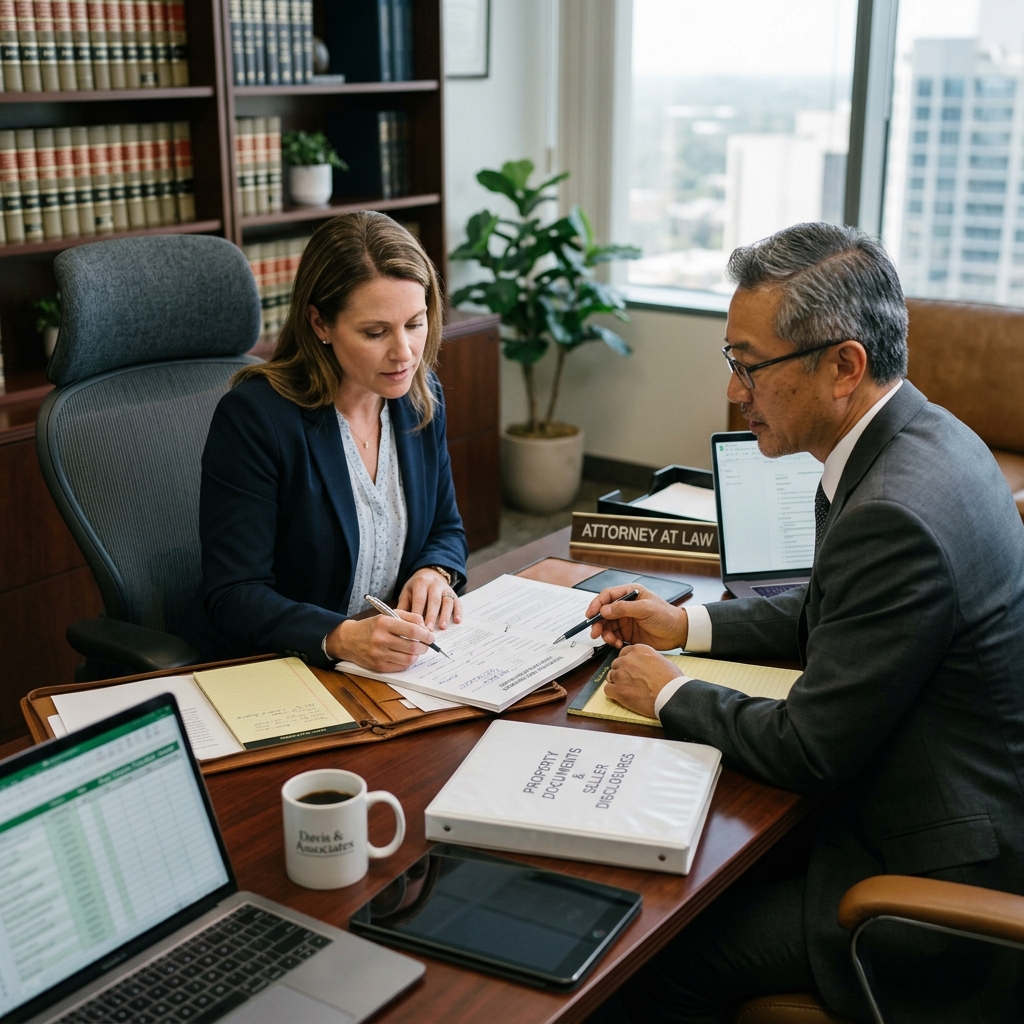
Meeting with a real estate attorney is one of the most important steps in buying or selling property. Showing up prepared not only saves time and legal fees, it also helps protect your money, your rights, and your long‑term interests in the property. Whether you are a first‑time homebuyer, a seasoned investor, or selling a family home, a clear preparation plan will make your attorney meeting more productive and less stressful.
This guide walks you through how to prepare, which documents to gather, the questions to ask, and how to make sure you understand exactly what you are signing at closing. While every state’s laws differ, the core preparation steps are similar and can help you get the most value out of your legal consultation.
Why Real Estate Attorneys Matter in Property Transactions
In some states, a real estate attorney is required by law to oversee closings, review title issues, or prepare certain documents. In other places, attorneys are not mandatory but are often strongly recommended because property transactions involve complex contracts, significant financial risk, and long‑lasting legal consequences.
Real estate attorneys typically help with:
- Reviewing and negotiating purchase agreements and addenda to ensure your interests are protected.
- Analyzing title reports to identify liens, easements, or ownership problems before closing.
- Explaining closing documents such as deeds, settlement statements, and loan papers so you understand your obligations.
- Coordinating with lenders, title companies, and agents to resolve problems before funds are disbursed.
- Advising on ownership structure (individual, joint tenants, tenants in common, trusts, LLCs) to align with tax and estate planning goals.
Because your attorney’s advice depends heavily on accurate information, advance preparation is critical. The more organized you are, the more time can be spent on strategy and risk‑avoidance rather than basic fact‑gathering.
Clarifying Your Goals Before the Meeting
Before you gather documents or schedule time off work, take a moment to define what you want to achieve. Clear goals help your attorney focus on what matters most to you.
Key questions to ask yourself
- Are you buying, selling, or refinancing property?
- Is this a primary residence, vacation home, or investment like a rental or commercial building?
- Do you expect any unusual issues, such as boundary disputes, unpermitted improvements, tenant rights, or shared driveways?
- Are you concerned about future estate planning (who inherits the property) or asset protection (liability and creditors)?
- Do you have deadlines in your purchase and sale agreement that the attorney must know about?
Write your answers down. A short written summary of your situation and objectives gives the attorney an immediate snapshot and reduces the chance that you forget something important during the meeting.
Essential Documents to Gather
One of the most effective ways to prepare is to gather key documents in advance. Law firms and title companies often use checklists or questionnaires for this reason: organized information helps them identify legal issues quickly and accurately.
Core property and transaction documents
- Signed purchase and sale agreement and any counteroffers or amendments.
- Listing agreement if you are the seller.
- Recent title report or title commitment provided by the title company.
- Existing deed showing how the property is currently titled.
- Survey or plot plan if one is available, especially for boundary or easement questions.
Financial and loan information
- Loan estimate or closing disclosure from your lender, showing interest rate, fees, and repayment terms.
- Current mortgage statements if you already own the property and are selling or refinancing.
- Property tax bills and information about assessments or special district charges.
- Homeowners association (HOA) documents, including covenants, conditions & restrictions (CC&Rs), bylaws, and rulebooks.
Personal and legal background information
- Full legal names, mailing addresses, phone numbers, and email addresses for all parties involved.
- Marital status and, if relevant, details on prior marriages that may affect property rights.
- Any existing wills, trusts, or powers of attorney that relate to the property or to who can sign on your behalf.
- Business formation documents if the property will be held in an LLC, corporation, partnership, or trust.
Optional but useful supporting materials
- Inspection reports, appraisals, or engineering evaluations.
- Correspondence with real estate agents, lenders, or the other party if there have been disputes.
- Photos or diagrams highlighting problem areas: encroachments, water damage, or structural concerns.
Organize these documents in clearly labeled folders (physical or digital). Consider sending copies to the attorney’s office ahead of time if they request them, which allows for a more focused discussion during your meeting.
Understanding How Legal Title Affects You
Part of preparing to meet with your real estate attorney is understanding how you currently hold title or how you plan to hold title after closing. Title affects control, inheritance, creditor exposure, and tax treatment.
| Title Form | Who Commonly Uses It | Key Implications |
|---|---|---|
| Individual ownership | Single buyers, investors | Sole control and responsibility; property passes through probate unless held in a trust. |
| Joint tenants with right of survivorship | Married or cohabiting couples | Automatic transfer to surviving owner on death, often avoiding probate, but can limit estate planning flexibility. |
| Tenants in common | Friends, relatives, or investors sharing property | Each owner has a defined share that can be sold or inherited separately, which may require careful drafting. |
| Trust or LLC ownership | Individuals seeking asset protection or estate planning benefits | May offer liability protection and estate planning advantages but requires proper formation and maintenance. |
Bring any existing deeds or formation documents so your attorney can evaluate whether your current or planned title structure aligns with your goals and local law.
Questions to Prepare for Your Attorney
Your meeting is not just about handing over paperwork. It is your opportunity to understand the transaction, anticipate problems, and make informed decisions. Preparing questions in advance ensures you cover all key topics.
Contract and negotiation questions
- Are there clauses in the purchase agreement that expose me to unusual risk, such as strict as‑is language or short contingency deadlines?
- Should I request additional protections, such as repair escrows, seller credits, or extended inspection periods?
- What happens if the other party fails to perform? What remedies do I have under the contract?
Title, survey, and due diligence questions
- Does the title report show any liens, easements, or restrictions that could limit my use of the property?
- Are there unresolved issues, such as unpaid taxes or disputes, that must be cleared before closing?
- Do I need a new survey, or is the existing one adequate for my needs?
Financing and closing questions
- What closing costs should I expect, and which are negotiable?
- Are there legal concerns with my loan terms, such as balloon payments or prepayment penalties?
- What documents will I sign at closing, and can I review drafts before the closing date?
Ownership, estate planning, and risk questions
- Is my planned ownership structure (individual, joint, trust, LLC) appropriate for my goals and family situation?
- How will this property be treated in my estate plan, and should my will or trust be updated?
- What liability risks do I face as a landlord or property owner, and should I consider additional insurance or an entity structure?
Bring your written list of questions to the meeting. Prioritize the issues that feel most urgent so you are sure they are addressed even if time is limited.
Coordination With Your Agent, Lender, and Title Company
Real estate transactions typically involve multiple professionals: a real estate agent, a lender, a title or escrow company, and sometimes inspectors or appraisers. Your attorney can add significant value by coordinating with these parties, but only if they have accurate contact information and documents.
- Provide the attorney with the names, phone numbers, and emails for your agent, lender, and title or escrow officer.
- Authorize the attorney, in writing if requested, to receive copies of title reports, loan documents, and closing statements directly.
- Ask whether the attorney wants to be present at closing or will review documents in advance and remain on call for questions.
Proactive coordination can prevent last‑minute surprises and help ensure that legal issues are addressed before you are sitting at the closing table.
Common Mistakes Buyers and Sellers Can Avoid
Many disputes arise not from obscure legal doctrines but from simple oversights. Preparing properly and asking the right questions can help you avoid typical pitfalls that attorneys see again and again.
- Signing documents you do not fully understand or that contain terms different from what you expected.
- Ignoring title exceptions such as easements, use restrictions, or recorded covenants that limit future property use.
- Failing to verify property boundaries, shared driveways, or access rights before closing, leading to neighbor disputes later.
- Overlooking HOA rules and assessments that make certain uses impossible or add substantial ongoing costs.
- Not aligning property ownership with estate planning, resulting in complicated probate or unintended heirs.
Discuss these potential problems with your real estate attorney so you can address them up front rather than after you own the property.
How to Make Your Meeting Efficient and Productive
Most attorneys bill by the hour, and their goal is to use that time effectively. A bit of organization on your part can significantly increase the value you receive.
- Complete any questionnaires the firm sends ahead of time and return them with supporting documents.
- Bring a concise written timeline of the transaction, including key dates and deadlines.
- Use a checklist (documents, questions, contact information) so nothing essential is forgotten.
- Be honest and thorough about any problems, disputes, or concerns, even if they seem minor.
- Take notes during the meeting so you remember action items and follow‑up tasks.
By approaching the meeting as a partnership—where you provide organized information and the attorney provides legal analysis—you increase the likelihood of a smooth closing.
Frequently Asked Questions About Meeting a Real Estate Attorney
Do I need a real estate attorney if I already have a real estate agent?
Real estate agents handle marketing, negotiations, and transaction management, but they are generally not licensed to give legal advice or interpret complex contract and title issues. A real estate attorney can identify legal risks, negotiate contract language, and ensure that the documents you sign protect your interests.
When should I schedule my first meeting?
Ideally, you should meet with a real estate attorney before signing a purchase and sale agreement or as soon as possible afterward. Early involvement allows the attorney to shape the contract terms instead of trying to fix problems once they are already agreed.
How long will the meeting take?
Initial meetings commonly last between 30 minutes and 1.5 hours, depending on the complexity of the transaction and how well‑organized your materials are. Complex commercial deals or disputes may require more time and follow‑up sessions.
What information will the attorney ask for?
Attorneys typically request details about the property, the parties involved, the purchase price and financing, any contingencies or deadlines, and your personal and family situation if it affects ownership or estate planning. Many firms use questionnaires to gather this information in a standardized way.
Can my estate planning and real estate lawyers work together?
Yes. In fact, coordination between your real estate and estate planning counsel can be very helpful when deciding how to hold title, who should inherit the property, and how to integrate the property into existing wills or trusts.
Final Preparation Checklist
Before you head to your meeting, review this quick checklist:
- Have you defined your goals for the transaction and written them down?
- Have you gathered and organized your key documents (contract, title report, deed, loan information, HOA materials)?
- Do you understand how you currently hold title or how you plan to hold title?
- Have you prepared a prioritized list of questions for your attorney?
- Have you provided contact information for your agent, lender, and title company to the attorney’s office?
With these steps completed, you will be well‑prepared to meet your real estate attorney, make informed decisions, and move toward a successful closing with confidence.
References
- Prepare to Meet With an Estate Planning Lawyer — FindLaw. 2023-05-01. https://www.findlaw.com/estate/planning-an-estate/prepare-to-meet-with-estate-planning-lawyer.html
- Preparing for Your Initial Estate Planning Meeting — American College of Trust and Estate Counsel (ACTEC). 2022-03-15. https://www.actec.org/resource-center/video/preparing-for-your-initial-estate-planning-meeting/
- Estate Planning Documents: What to Prepare Before Meeting With an Attorney — Daly, Ritchmeier & Gelwicks. 2021-09-10. https://dgr.law/estate-planning-documents
- What to Bring to the Estate Planning Meeting — Handler & Levine, LLC. 2020-11-20. https://www.handlerlevine.com/resources/bring-estate-planning-meeting/
- Five Things to Do Before Meeting With an Attorney — North Central Regional Planning Commission. 2018-06-01. https://www.ncrpc.com/five-things-to-do-before-meeting-with-an-attorney/
- Five Steps to Take Before Meeting With an Estate Planning Attorney — Jaburg Wilk. 2017-02-14. https://www.jaburgwilk.com/news-publications/five-steps-to-take-before-meeting-with-an-estate-planning-attorney
- Preparing for Your Meeting with an Estate Planning Attorney — Morgan Stanley. 2022-04-01. https://www.morganstanley.com/cs/pdf/CRC_4986014_537777-2937956_FOR_Estate_Planning_Brochure_f1_HR_final.pdf
Similar Articles








Read full bio of Sneha Tete




