
Gamification Strategies for Small Business Success
Unlock growth and engagement in your small business with proven gamification techniques that boost customer loyalty and team performance.
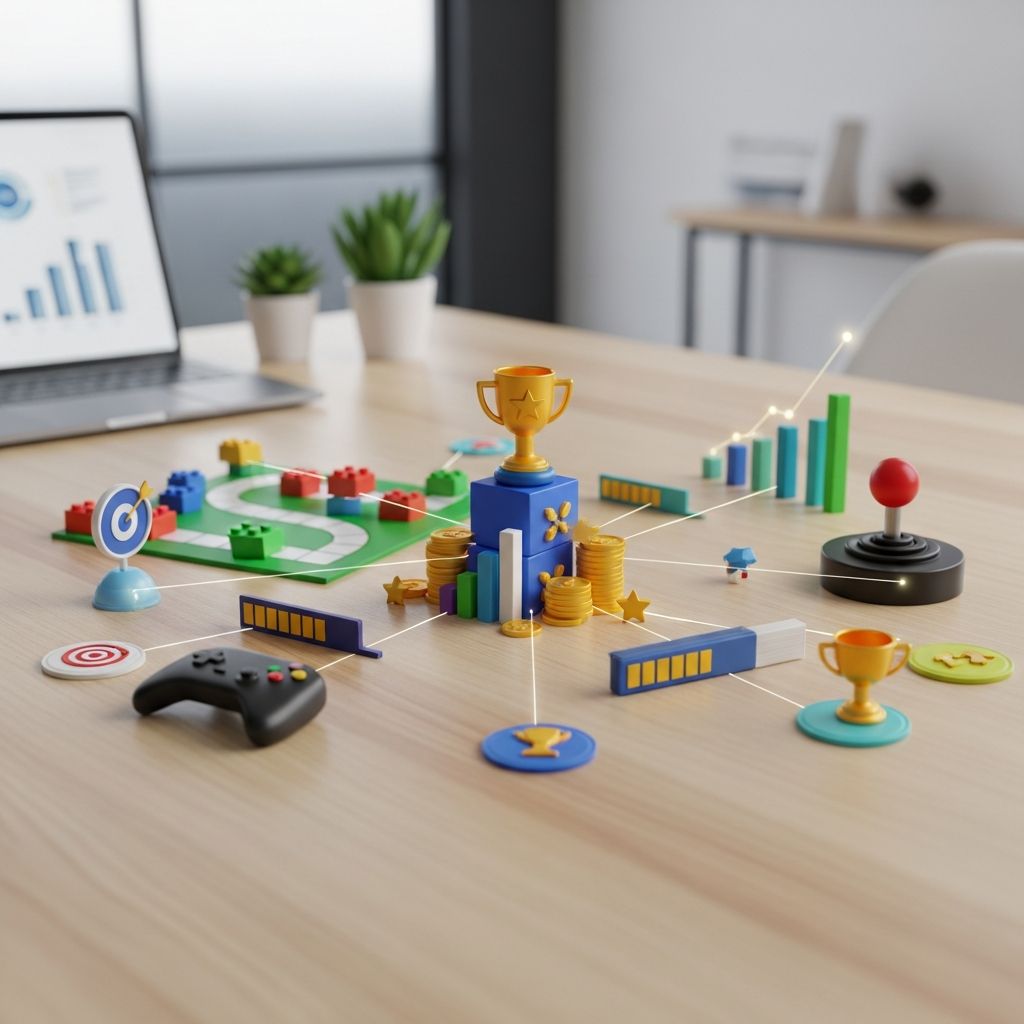
Gamification applies game-like elements to everyday business activities to motivate users, foster engagement, and drive desired behaviors. For small businesses, this approach offers a cost-effective way to compete with larger players by creating memorable interactions with customers and employees.
Understanding the Core Principles of Gamification
At its heart, gamification leverages psychological triggers such as competition, achievement, and social recognition to influence behavior. Key components include points, badges, leaderboards, challenges, and rewards, which transform routine tasks into enjoyable experiences.
Small businesses benefit because these elements require minimal investment but yield high returns in user retention and interaction. For instance, incorporating progress bars or levels encourages repeated visits, turning one-time buyers into loyal patrons.
Boosting Marketing Efforts Through Interactive Campaigns
Marketing in a crowded digital space demands attention-grabbing tactics. Gamification excels here by making promotions playful and shareable.
- Quizzes and Polls: Embed personality quizzes on your website to recommend products, capturing leads while personalizing the shopping experience.
- Spin-to-Win Popups: Use wheel-of-fortune style opt-ins for email signups, increasing conversion rates by making subscriptions feel like a game.
- Social Challenges: Launch hashtag-driven contests on platforms like Instagram or TikTok, where participants share user-generated content for prizes.
These methods extend session times and amplify social shares, with studies showing up to 40% boosts in engagement metrics.
Building Customer Loyalty with Reward Systems
Loyalty programs evolve from simple punch cards to dynamic gamified ecosystems. Customers earn points for purchases, reviews, or referrals, unlocking tiers with escalating perks.
| Tier Level | Points Required | Rewards |
|---|---|---|
| Bronze | 0-499 | 10% off next purchase |
| Silver | 500-1,499 | Free shipping + exclusive previews |
| Gold | 1,500+ | VIP events + personalized gifts |
This structure motivates progression, with brands reporting 30-50% increases in repeat purchase frequency.
Enhancing Employee Performance and Retention
Internal gamification motivates teams by gamifying sales targets, customer service, or training. Employees collect badges for milestones, compete on leaderboards, and unlock bonuses for top performers.
In family-owned businesses, cooperative gamification fosters unity through shared goals, improving collaboration and preserving culture.
- Track metrics like response times or satisfaction scores with real-time feedback.
- Reward teams for collective achievements to build camaraderie.
Surveys indicate 88-89% of gamified workplaces see happier, more productive staff.
Real-World Success Stories from Innovative Companies
Nike’s Community-Driven Fitness Challenges
Nike Run Club uses leaderboards, personalized goals, and virtual cheers to make running addictive, creating a sense of belonging that drives app usage and brand loyalty.
Starbucks’ Star Collection Mechanics
Customers accumulate stars for orders, redeeming them for free items. This has propelled 40% of sales through the program, with notable same-store growth.
Uber’s Driver Incentive Layers
Drivers earn points for peak-hour trips, unlocking bonuses and status levels, solving retention issues effectively.
B2B Applications like Autodesk
Software firms gamify trials with progress trackers, achieving 40% higher engagement and 15% conversion lifts.
Implementing Gamification: A Step-by-Step Guide
- Define Objectives: Identify goals like increasing signups or sales volume.
- Know Your Audience: Tailor mechanics to user preferences—fun quizzes for millennials, badges for professionals.
- Select Tools: Use platforms like Badgeville or custom apps via no-code builders.
- Test and Iterate: Launch pilots, measure KPIs, and refine based on data.
- Ensure Fairness: Balance difficulty to avoid frustration; provide immediate rewards.
Psychology plays a key role—tap into intrinsic motivators like mastery alongside extrinsic rewards.
Potential Challenges and Solutions
While powerful, gamification risks overuse leading to fatigue. Solutions include:
- Rotating challenges to maintain novelty.
- Personalizing experiences via data analytics.
- Combining with genuine value to avoid perceived gimmicks.
Legal considerations for small businesses include transparent terms for contests and data privacy compliance under laws like GDPR or CCPA.
Measuring Impact with Key Metrics
Track success through:
- Engagement: Time on site, open rates.
- Conversion: Signup, purchase rates.
- Retention: Repeat visits, churn reduction.
- ROI: Cost per acquisition vs. lifetime value.
Tools like Google Analytics integrate seamlessly for real-time insights.
Frequently Asked Questions (FAQs)
What is the definition of gamification in business?
Gamification integrates game mechanics like points and challenges into non-game contexts to engage users and promote specific behaviors.
Is gamification suitable for all small businesses?
Yes, especially service-based or e-commerce firms, but success depends on audience alignment and clear goals.
How much does gamification cost to implement?
Basic setups start free with plugins; advanced platforms range from $50-$500/month, scalable for small budgets.
Can gamification improve employee morale in small teams?
Absolutely—cooperative elements enhance collaboration, with 89% of users reporting higher productivity.
What are quick wins for gamifying marketing?
Start with social quizzes or loyalty spins; they boost engagement without heavy development.
Future Trends in Business Gamification
AI personalization, VR integrations, and blockchain-based rewards are emerging, promising deeper immersion. Small businesses adopting early will gain competitive edges.
Gamification isn’t a fad—it’s a proven strategy rooted in human psychology, adaptable for sustained growth.
References
- 4 Proven Ways Small Businesses Can Use Gamification in Marketing — crowdspring.com. 2023-05-15. https://www.crowdspring.com/blog/gamification-marketing-small-business/
- 10 Motivating Examples of Gamification in Business — Centrical. 2024-02-20. https://centrical.com/resources/gamification-in-business-examples/
- The Power of Gamification in B2B — Gainsight. 2023-11-10. https://www.gainsight.com/blog/the-power-of-gamification-in-b2b/
- How Gamification Can Help Family Businesses — FamilyBusiness.org. 2022-08-05. https://familybusiness.org/content/How-gamification-can-help-family-businesses
- How Gamification Can Transform Your Business — World Economic Forum. 2015-07-15. https://www.weforum.org/stories/2015/07/how-gamification-can-transform-your-business/
Similar Articles








Read full bio of medha deb




